
The Grushenka variety is one of the most easy-to-grow gooseberries. The bush produces a bountiful harvest, so it will delight the gardener for years to come. The plant's main advantage is its thornlessness, which greatly simplifies harvesting.
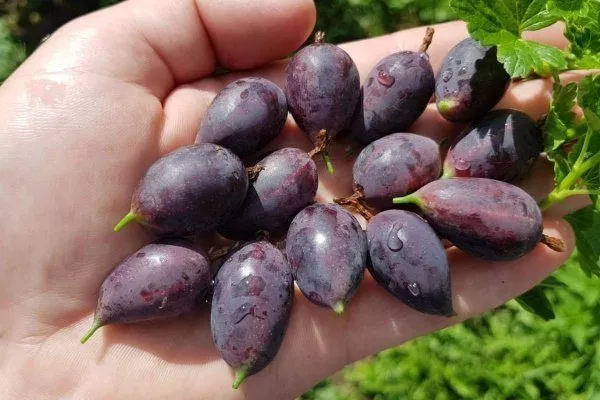
Gooseberries Grushenka have a thick skin, making them easy to store and transport.
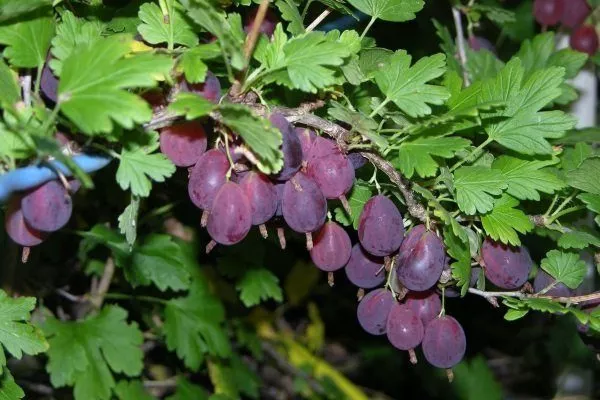
Grushenka is a low-growing and frost-resistant variety of gooseberry.
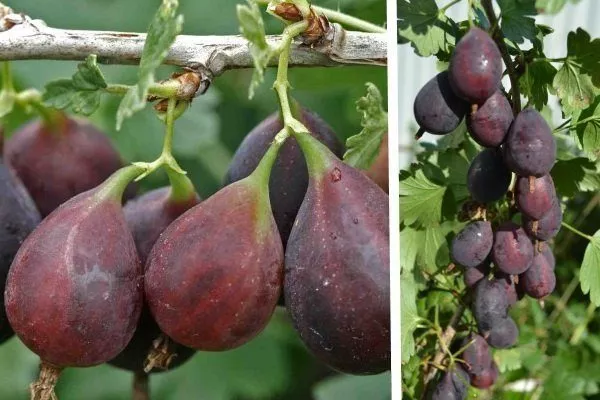
The Grushenka gooseberry is thornless, making harvesting more enjoyable.
History of the variety's development
A domestic variety developed by scientists in the 1980s. The primary goal of this plant's development was to produce a cold-resistant gooseberry with large, sweet fruits. An equally important requirement was the absence of thorns. After extensive research, the breeders achieved their goal, and the plant received the name "Grushenka" (Pear) for the distinctive shape of its berries.
Characteristics of the Grushenka gooseberry
Even a novice gardener can grow this plant variety. Gooseberries require little care and are undemanding regarding soil and soil conditions. Despite this, this variety produces a bountiful harvest and is renowned for its strong immunity. The plant can produce berries for two decades.
Description of the bush
The shrub is low-growing, with long but weak shoots. The branches are covered with smooth, bright green foliage. Inflorescences of several buds form on the shoots.
Description of berries
The fruits are round, widening at the base. They change color from green to dark purple. Each berry weighs 5 g. With proper care, a single bush can yield approximately 6 kg per season.
Productivity
The plant's bushes are covered with fruit along every branch. The plant produces new shoots with numerous buds. Berries form on both new and old shoots. The average yield is 5-6 kg per plant.
Due to the large number of fruits on the branches, gardeners are forced to tie up gooseberries so that the shoots do not bend towards the ground.
Ripening period
Breeders classify the Grushenka gooseberry as a mid-season variety. It begins blooming in late July and produces fruit almost until the end of summer. The berries develop with thick skin, preventing them from splitting on the shoots. This advantage allows gardeners to harvest fruit at any time of day.
Transportability
Easy care and excellent yields allow gardeners to grow gooseberries for future transport and sale. The harvest retains its marketable appearance for a long time. The fruit's skin protects them from impacts and damage.
Drought and frost resistance
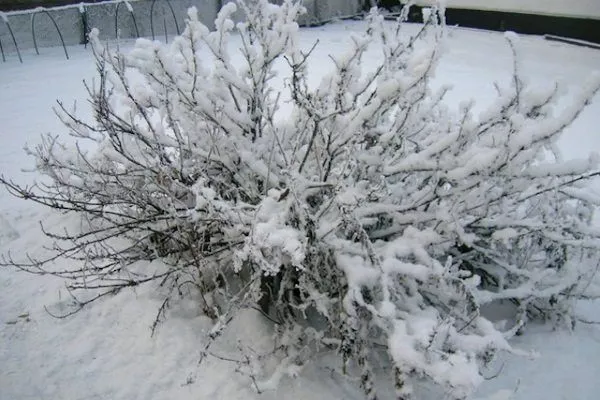
The Grushenka variety is rightfully considered the best in terms of its ability to withstand both cold and heat. Without any special care, the plant can survive temperatures as low as -30 degrees Celsius. Even flowering bushes can withstand spring frosts, so the variety can be grown in areas with low temperatures. It also tolerates extremely sunny days.
Resistance to diseases and pests
Gardeners claim that gooseberries remain unaffected by various viral diseases throughout their lifespan. This ability helps conserve cultivation effort and yield a high-quality harvest without the use of chemicals.
Although rare, there are cases where hybrid bushes are attacked by pests, the most dangerous of which is the spider mite. This insect attacks gooseberries during dry weather, and the bush can also be damaged by aphids and moths.
Advantages and disadvantages
Gooseberry Grushenka, like other plants, has a number of advantages and disadvantages, which must be taken into account when growing the bush.
Advantages of the Grushenka variety:
- high cold resistance;
- no thorns;
- strong immunity;
- the ability to calmly survive cold and dry days;
- big harvest;
- excellent transportability of the crop;
- bears fruit for more than 20 years.
Disadvantages of the variety:
- it is absolutely necessary to construct supports;
- the berries are small;
- watering requirements.
The dense skin of gooseberries makes them ideal for preserving. They are used to make jams, jellies, and various winter sweets. The berries retain their beneficial properties even after prolonged heat treatment.
Planting gooseberries
This gooseberry variety can be grown in any soil type. Loamy soil is considered the best option. It's best to plant the seedling in loose, fertile soil with a neutral pH.
A mature Grushenka bush does not tolerate transplantation well, so it is necessary to take care of the planting site in advance to avoid disturbing the plant later.
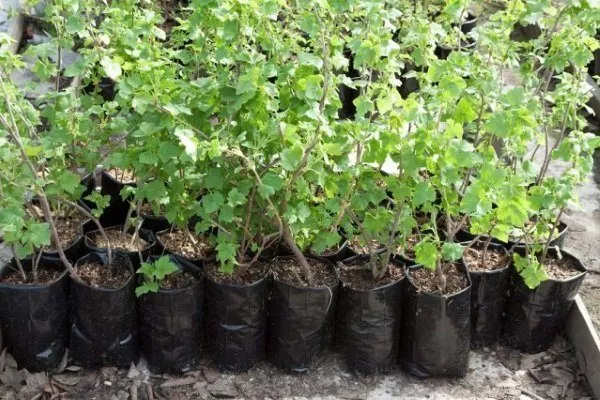
Selection of seedlings
Seedlings are the key to successful gooseberry growth. The full potential of the variety depends on the correct and informed choice.
When choosing a seedling, you need to pay attention to the following points:
- The main roots should be at least 0.14 m long. They should be large and strong, yellow or brown in color, and free of black spots and other damage.
- Check for at least three shoots, at least 0.4 m long. The bark is light-colored and unblemished.
- Inspect the plant's entire foliage. The leaves are uniform in color, without any yellow tints.
- Pay special attention to the absence diseases and insects, otherwise the seedling itself will die, and the plants in your garden will get sick.
- Buy any variety of gooseberry in the fall; our huge selection of seedlings allows you to find and select the perfect plant for you.
Optimal timing
Experienced gardeners who have been growing this gooseberry variety for a long time say that the best time to plant Grushenka is autumn, or more precisely, the last days of September to early October. During the autumn period, the bush not only has time to establish itself well but also to develop substantial root growth.
You can plant the plant in the spring, but the risk of delaying planting is much greater due to the rapid vegetative growth process. If you plant the plant after its leaves have already appeared, the roots will not establish quickly, and the establishment process itself will take much longer, and the shrub may be damaged by frost in winter.
Choosing a location
As for soil composition, the Grushenka gooseberry is very tolerant. It will grow and produce a bountiful harvest in any soil, but loamy soil is considered the best. It thrives best if the soil is loose, fertile, and permeable.
Acidity is close to neutral; when preparing the site, add dolomite flour or lime to the soil to achieve the desired result.
The shrub is characterized by a strong root system that can provide its own water. Therefore, it's best to avoid sites with high groundwater levels. Young root shoots will die from excessive moisture.
Choose a sunny spot, some shade is acceptable. Two other important factors for gooseberry's full development are protection from north and east winds, so gardeners plant the plant near a fence or building.
Site preparation
To ensure the plant takes root quickly and produces a bountiful harvest for years to come, prepare the site 12 months before planting. Green manure crops are planted, with lupine and vetch considered the best options.
Experienced gardeners claim that you can use areas where dahlias once grew. These amazing flowers prevent grass from growing in the area, even stopping persistent couch grass.
The soil should be made as fertile as possible. To achieve this, add the following components (per 10 square meters):
- Manure or humus – 16 kg.
- Phosphate rock flour – 2.2 kg.
- Potassium salt – 400 g.
When adding phosphate rock to the soil, lime may not be needed. For heavy soils with a high clay content, sand is added. plant gooseberriesIf you decide to do it in the spring, then prepare the hole in late autumn.
The hole for planting the Grushenka gooseberry variety is prepared 30 days in advance.
Algorithm for preparing a hole for gooseberries:
- In the cleared area, dig a hole measuring 0.5 x 0.5 m.
- If you haven't fertilized the soil yet, you can do so now. Add 0.1 kg of ash, 0.05 kg of double superphosphate, 0.04 kg of potassium sulfate, and 5 kg of organic matter to the topsoil.
- Mix all the above ingredients and add them into the hole.
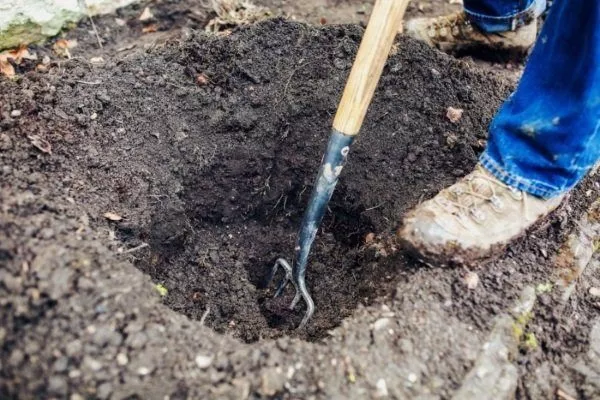
If you are planting a couple of plants at once, then maintain a certain distance between the bushes - 1-2 m.
Planting: step-by-step instructions
The process of planting gooseberries is very simple, just follow the following steps:
- Assess the condition of the plant's roots. If they're healthy and don't require any additional treatment, soak them for 12 hours in a rooting stimulant. Kornerost or Kornevin are excellent options.
- Trim the shoots, leaving six buds. Treat them with any adaptogen, such as Epin. Better yet, opt for a folk remedy like aloe vera.
- Make a 10 cm high mound in the center of the planting hole. Place the seedling on top and spread out the root system.
- Sprinkle the roots with soil, shake the plant a little so that the soil is evenly distributed between all the roots.
- Fill the hole 1/2 full and water the bush. Use a watering can with a nozzle.
- Once the water has completely absorbed into the soil, water again. After 1/4 hour, mulch the soil. Sawdust, hay, or compost can be used as mulch.
- ✓ The soil temperature during planting should not be below +10°C for optimal rooting.
- ✓ The seedling planting depth should be such that the root collar is 5-7 cm below the soil level.
Care Features
The Grushenka gooseberry variety doesn't require special care, but if the gardener doesn't take care of the plant, the bush will continue to produce a harvest, but it won't be as abundant or high-quality.
To ensure that gooseberries produce a large number of berries, it is necessary to carefully monitor the plant's watering, fertilize the Grushenka, and carry out formative pruning of the bushes in a timely manner.
The Grushenka gooseberry variety tolerates heat well, but it doesn't respond well to excessive moisture. Stagnant water leads to the development of fungal diseases.
Mulching and loosening
Loosening the soil isn't necessary, but it will improve aeration, which will benefit the plant's root system. Loosening should be done carefully to avoid damaging the shrub's roots.
Mulching around the tree trunks helps retain moisture and prevents weed growth. Straw or hay can be used as mulch.
Watering and fertilizing
This variety of berry bush tolerates dry days well, but do not allow the soil to dry out completely, especially when water evaporates very quickly.
During 1 season the plant is watered 4 times:
- At the end of the flowering period, watering will have a beneficial effect on berry size.
- During fruit set, the harvest will be more delicious and juicy.
- During the period of berry ripening.
- Before hibernation—in the last days of October. This watering will prevent the root system from drying out during winter.
If the gooseberry was planted in the spring, then in the first year it will need more frequent watering, because the plant has just begun to develop a root system.
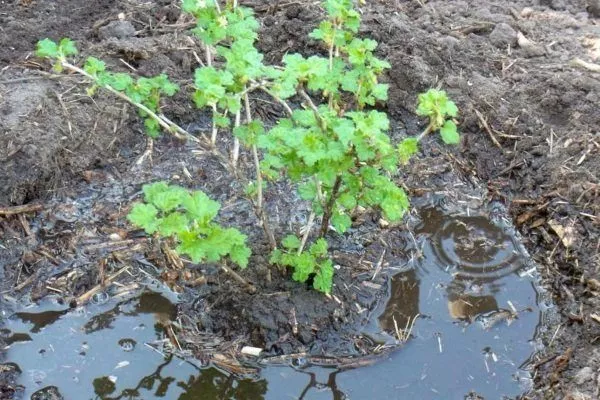
About 20 liters of water are poured under 1 bush.
On hot sunny days, you can water the gooseberries additionally, but this should only be done if you notice wilted fruits and dry foliage.
The plant's fertility, like that of other berry bushes, depends not only on watering but also on the addition of nutrients to the soil. A standard fertilizer mix includes 20 g of potassium chloride, 40 g of saltpeter, 80 g of superphosphate, and 6 kg of compost. This fertilizer is applied twice a year in early spring or mid-autumn.
If your garden soil isn't very nutritious, it's best to add peat or compost as a mulch layer for your gooseberries. During the ripening period, the bushes are fed with ash. Apply it to the trunk circle (0.4 kg per bush).
Trimming
The Grushenka gooseberry variety does not respond well to dense bushes; poorly ventilated plants quickly become infected with fungal diseases, the branches age, and the yield decreases.
The formation of the bush is carried out during the first 5 years:
- The plant is pruned for the first time just before planting. Remove any unwanted shoots, leaving about four buds on the strong ones.
- In subsequent years, select five strong, well-placed new shoots. Pinch out any immature tips. Trim off any excess shoots.
- An adult plant should have 5 main shoots and 12-20 branches of different ages.
Rules for pruning mature gooseberries:
- Regulate the number of branches, remove excess and old ones (those that are more than 3 years old).
- Cut off diseased branches, cut off weakly growing ones and burn diseased ones.
- In the spring, be sure to remove broken and frozen branches from the bush.
For more information on how to care for gooseberries in spring, read in our other article.
Use of supports
Gooseberries produce numerous berries, but their branches are thin, so they must be supported. Three stakes are inserted 0.2 m from the root collar of the bush, tied with rope, and the branches are secured between the stakes.
Mature gooseberries also require support. The weight of the fruit causes the branches to bend toward the soil surface, which can lead to fungal diseases. Support is installed as the bush develops.
Reproduction
Gooseberries are propagated in two ways: by cuttings and layering. Cuttings can be used from July to September.
Algorithm for propagation by cuttings:
- Cut a 0.15 m long cutting with buds from an adult plant.
- Treat the branch with a rooting stimulator.
- Place the treated plant into the soil at an acute angle so that approximately 3 buds remain in the soil.
- Water the cutting until new shoots form on it.
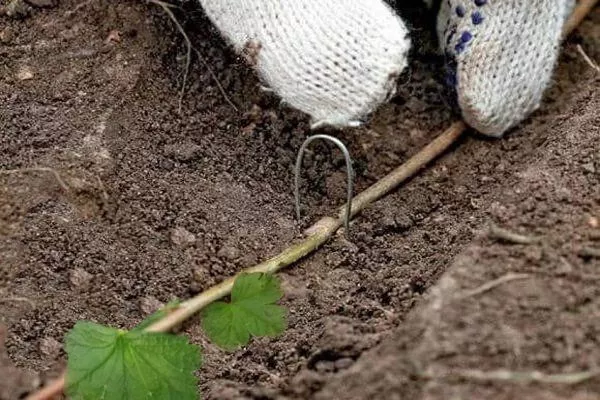
Propagation by layering is an easier method. To do this, bend a one-year-old shoot to the ground and secure it with a metal bracket. Cover the area with soil and water. Once the plant has developed several branches, separate the shoot from the mother gooseberry.
| Method | Rooting time | Success rate |
|---|---|---|
| Cuttings | 4-6 weeks | 70-80% |
| Layering | 8-10 weeks | 90-95% |
Preparing for winter
The plant's frost-hardiness allows it to survive cold winters without shelter. However, certain steps should be taken before winter:
- Carry out sanitation of old and diseased branches.
- Treat the plant with Bordeaux mixture to kill insect larvae.
- Remove debris and mulch.
- Apply mineral fertilizers to each plant.
Gardeners' reviews of the Grushenka variety
The Grushenka variety is the leader among all gooseberry varieties. Almost every gardener in Russia grows this easy-to-grow berry bush in their garden. Caring for gooseberries doesn't require much effort; you just need to follow certain rules to maintain a strong immune system and high yields.