
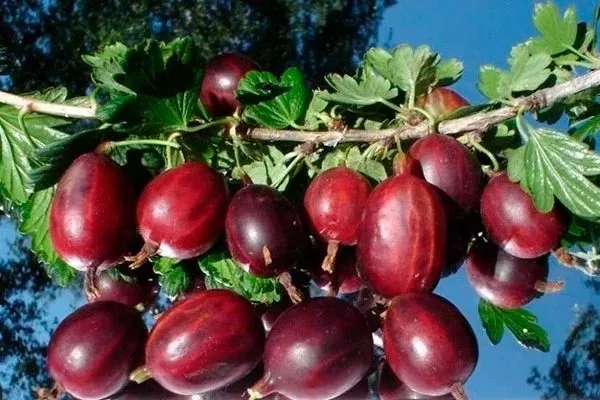
Prune plum is a mid-early gooseberry variety. It stands out from other varieties of this berry crop due to its unusual, bright, plum-like flavor. It is also beloved by domestic gardeners for its high yield, resistance to powdery mildew, and hardiness.
History of origin
The variety was developed by K. D. Sergeeva (an employee of the Michurin All-Russian Research Institute of Horticulture), who crossed the Plum gooseberry with the Plum 259-23 variety. It was added to the Russian State Register in 1992.
Appearance of the bush
Prune bushes are medium-sized and moderately spreading. They have the following characteristics:
- "height" - up to 1.4 m;
- medium-dense crown;
- sloping arrangement of shoots: thick, straight, light-colored, thornless in the fruiting zone;
- foliage: medium-sized, green, glabrous, slightly wrinkled, dense;
- Flowers: medium in size, with large light sepals, bent upwards.
Berries and their taste qualities
This gooseberry variety produces a marketable harvest with excellent quality. Its fruits possess the following characteristics:
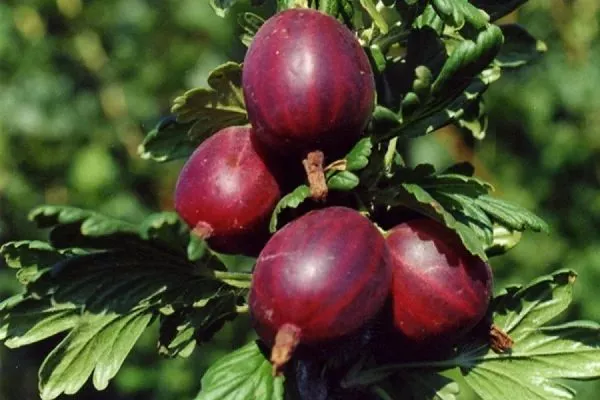
- average size;
- weight - 4.5-6 g;
- oval or pear-shaped;
- dark red color (in very ripe berries it looks dark, chocolate-colored);
- the presence of a light waxy coating;
- thin but dense skin;
- tender and juicy pulp;
- moderate amount of seeds in the pulp.
The berries' excellent flavor is due to their balanced sugar (8.6-10.5%) and acid (1.7-2.2%) content. Their pulp is rich in vitamin C, with the content in 100 gooseberries ranging from 31 to 44.1 mg.
The fruits of this berry crop are rich in substances beneficial for human health:
- easily digestible monosaccharides;
- pectins;
- vitamins C, B1, B2, B6, B9, A, E, PP;
- minerals such as iron, potassium, calcium, magnesium, manganese, copper, molybdenum, sodium, nickel, sulfur, phosphorus, iodine, fluorine.
Characteristics
The prune variety has many excellent technical characteristics, making it a popular berry crop among gardeners.
Productivity
Starting in their second year, seedlings begin to bear fruit. As they age, they produce increasingly more berries, reaching their peak productivity by age 5. Their yield indicators are as follows:
- from 1.6 to 4.2 kg - from 1 bush;
- from 5400 to 14000 kg - from 1 hectare of planting.
Drought resistance and winter hardiness
The prune plum is a frost-resistant garden variety. Its bushes are not afraid of low temperatures. They can overwinter without shelter at temperatures down to -34°C.
The Prune is also resistant to heat and drought. It grows and bears fruit well in the south.
Resistance to pests and diseases
A distinctive feature of this gooseberry variety is its resistance to powdery mildew. However, unfavorable weather and inadequate care often lead to health problems in the bushes:
- their incidence of anthracnose;
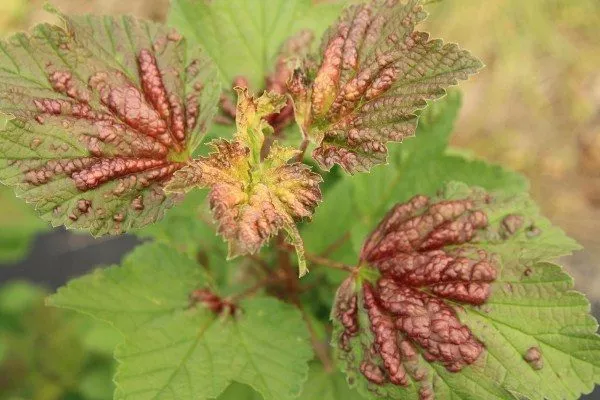
- damage by cup rust;
- damage caused by harmful insects.
Ripening period
Prune is a mid-season variety of gooseberry. Its harvest ripens in July (the second half of the month). The berries tend to ripen gradually. This variety is distinguished by its extended fruiting period.
Transportability
Thanks to the strength of the skin covering the fruit, they are distinguished not only by their shelf life but also by their ability to withstand long-distance transport. Gooseberries do not bruise or lose their marketable appearance during transportation.
Growing regions
The variety is successfully cultivated in household plots and on farms located in the following regions of the Russian Federation:
- Central;
- Middle Volga;
- Ural.
Scope of application
Housewives use prune gooseberry in cooking as follows:
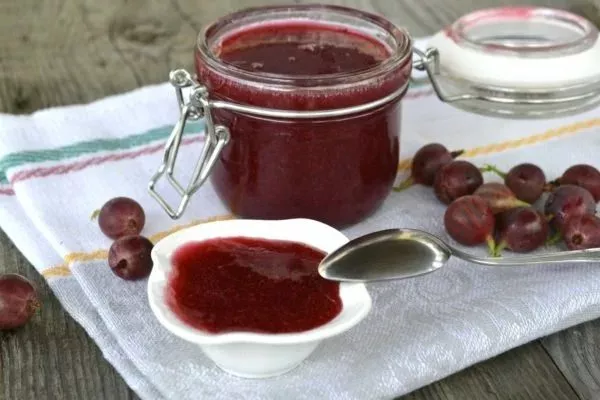
- make puree, juice, and fruit drink from berries;
- added fresh to desserts;
- they cook compote, jam, marmalade, and preserves;
- They make wine and liqueur.
Pollinator varieties
This garden variety is moderately self-fertile. Growing alone, a bush produces no more than 30% of its full potential yield. To ensure maximum productivity, it requires a pollinator—the gooseberry variety "Seyanets Lefora."
Growing conditions
To ensure a high yield from your Prune bushes, select a suitable site in your garden. It should meet the following requirements:
- be well-lit by the sun, without tall trees, buildings or fences nearby;
- protected from gusty winds and drafts;
- with fertile, loose sandy loam soil with neutral acidity;
- not located in a lowland where it is damp and cold;
- with groundwater levels at 1.2-1.5 m;
- located at a distance of 1-1.5 m from the nearest bush.
Do not allocate a plot of land where garden crops were previously grown for gooseberry plantings:
- currant;
- raspberry.
Landing features
Plant gooseberries in the spring. The best time is from late March to early May. You can also plant in the fall after the fruit has been harvested. Plant the bush 30 days before the first frost.
Soak the seedling roots in water with a rooting stimulant added for 24 hours. Prepare planting holes of the following dimensions:
- depth - 0.4 m;
- diameter - 0.5 m.
Planting berry crops should be done step by step:
- Add 5 kg of mature humus or compost and 100 g of wood ash to the hole. Add 10 liters of water.
- Place the seedling in the center of the hole. Cover its roots with soil, burying the root collar 5 cm deep.
- Firm the soil. Form a ridge of soil around the diameter of the hole to retain moisture during watering.
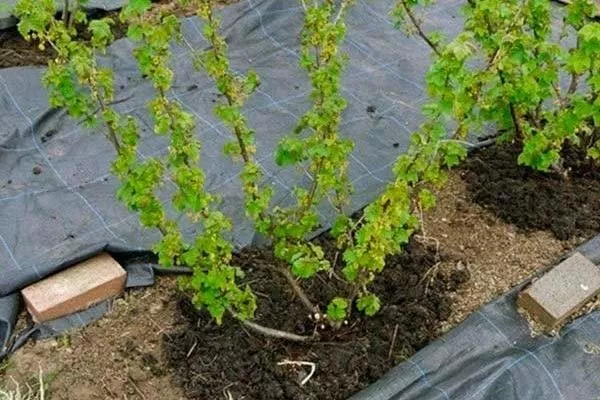
- Mulch the tree's trunk area with peat. This is necessary to create a comfortable microclimate for the root system, prevent moisture evaporation from the soil in hot weather, and prevent the formation of an air-impermeable soil crust.
Care instructions
Prune plums are easy to care for thanks to the few thorns on their shoots. To ensure a consistent harvest of berries, follow these steps:
- Water the bushesTo speed up the rooting of the seedling, water the soil beneath it twice a week. Water a mature bush generously at the beginning of the growing season, during flowering, during fruit set, and in the fall to prepare it for winter. Use 10-20 liters of warm, settled water per bush.
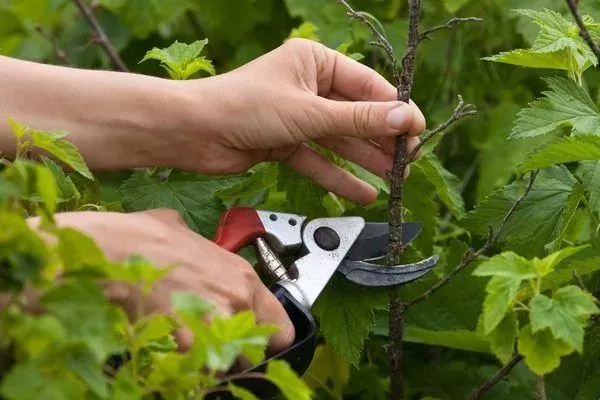
- Perform pruningIn spring, remove diseased, dead, and frozen branches, as well as excess growth. Leave a couple of two-year-old skeletal branches.
- Feed the plantingApply nitrogen fertilizers in the spring, and phosphorus and potassium fertilizers during fruit set. After harvesting, water the gooseberries with liquid organic matter, such as a 1:10 mullein solution.
- Weed the berry patchRemove weeds as they grow. They rob the shrub of nutrients and moisture.
- Loosen the soil. Carry out the procedure after rain and irrigation to prevent the formation of a dense crust on the soil.
- MulchUse organic matter as mulch (peat, humus, sawdust). This layer will retain moisture in the soil.
Reproduction
Experienced gardeners propagate gooseberries themselves in one of three ways:
- divisions (an adult plant is divided into several daughter plants so that each of them has its own developed roots);
- cuttings - shoots cut from a strong and healthy bush in the spring;
- by layering young shoots formed around the mother plant.
Preparing for winter
Prune is a winter-hardy variety. Only young, fragile bushes require winter cover. Use lutrasil and spruce branches for cover.
In winters with little snow, insulate an adult plant as follows:
- pin the lower shoots to the ground;
- hill up the roots.
Possible problems, diseases, pests
This berry variety is renowned for its resistance to powdery mildew, but it is susceptible to anthracnose and cup rust. Pests also attack its plantings if agricultural practices are not followed.
To avoid gooseberry diseases, take preventative measures:
- regularly inspect bushes for pests and signs of disease;
- remove plant debris from the area in a timely manner;
- dig up the soil in autumn and spring;
- Treat the plantings with Bordeaux mixture before the buds open;
- Before the sap starts to flow, water the bushes with hot water (+90°C).
Among the main pests of prune gardeners, the following are identified:
- aphids;
- yellow gooseberry sawfly;
- fire moth.
If the plant suffers minor insect infestations, prune off the affected branches. Treat the bush with an ash solution mixed with laundry soap. For severe pest infestations, use insecticides.
Advantages and disadvantages
The variety has many advantages, due to which it is grown almost everywhere in the country:
The Prune variety is considered to have virtually no flaws. The exception is the variability in berry weight throughout the different years of the bush's life.
Reviews
The prune plum is a popular berry variety, successfully grown by gardeners across the country. Its popularity stems from the hardiness of its bushes, their robust immunity, and their resistance to drought and frost. Adults and children alike love it for its sweet, plum-flavored berries.