
Yellow strawberries are an unusual variety of a popular berry, captivating with their vibrant appearance and distinctive flavor. These berries differ from their traditional red counterparts not only in color but also in their distinctive characteristics, such as a sweet, tart flavor and a strong aroma. Let's take a look at the most interesting and sought-after yellow strawberry varieties.
What is a yellow strawberry?
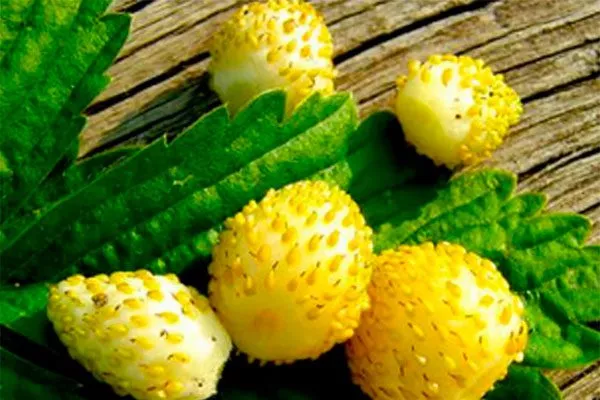
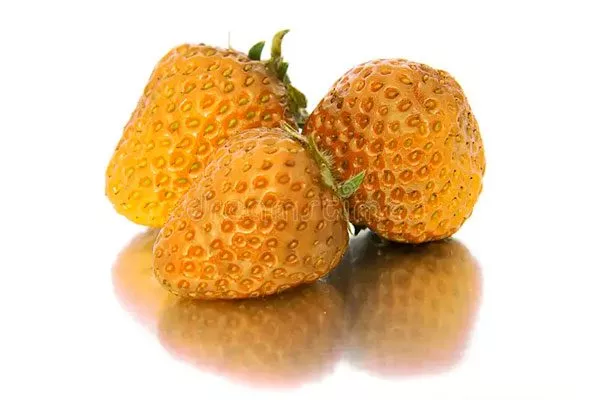
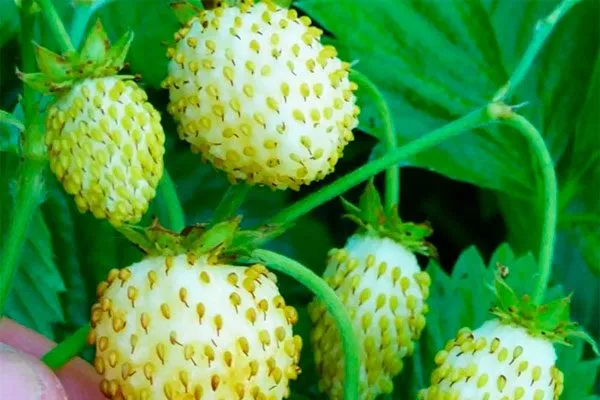
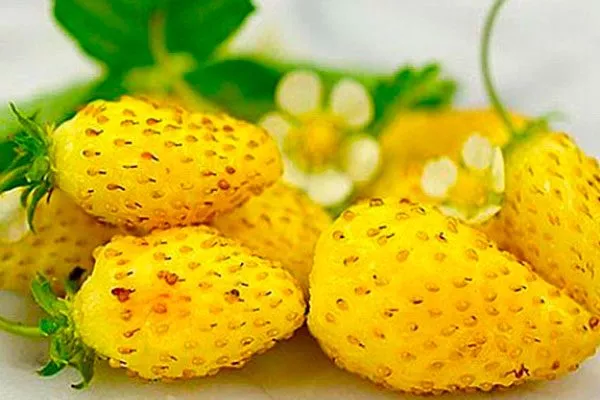
Yellow strawberries are a unique variety of the common red strawberry, distinguished by their unusual fruit color. They attract attention with their bright yellow berries, mild flavor, and distinctive aroma.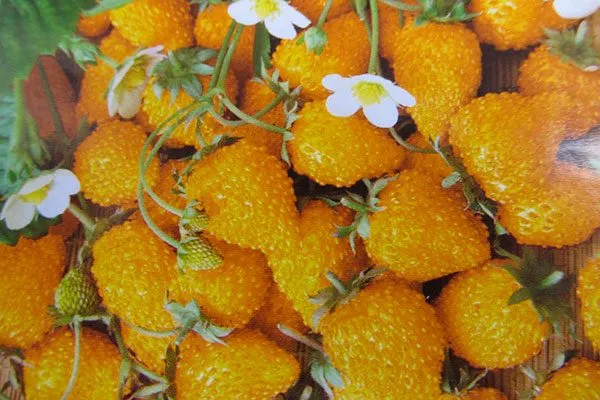
Main characteristics of yellow strawberries
This crop is becoming increasingly popular among gardeners and vegetable growers looking to expand their gardens with interesting crops. Characteristics of the species:
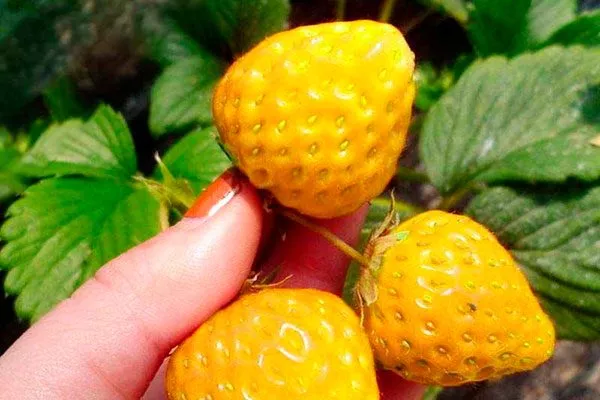
- Color: bright yellow, sometimes with an orange tint.
- Taste: soft, slightly sweet, less sour than regular varieties.
- Form: most often round or oval.
- Size: medium-sized, smaller than traditional red strawberries.
- Aroma: quite noticeable, reminiscent of the smell of wild strawberries.

Pros and cons of yellow strawberries
Yellow strawberries are one of the most interesting varieties of the familiar red strawberry. They are distinguished by their vibrant color, unique flavor, and distinctive aroma. But before you decide to plant them, let's explore the advantages and disadvantages of this crop.
Advantages of yellow strawberries:
- Exclusive appearance. One of the main advantages of yellow strawberries is their beautiful appearance. The golden berries immediately attract attention and create a sense of originality and exclusivity in your garden.
- Pleasant taste. Yellow strawberries have a mild, sweet flavor, often with virtually no acidity. Some varieties even have hints of tropical fruits like pineapple or mango.
- Resistance to some pests. Many insect pests dislike light-colored fruits, so yellow strawberries are less likely to suffer from pest infestations such as slugs or spotted beetles.
- Rich in vitamins. Like regular red strawberries, yellow strawberries are also rich in vitamin C, antioxidants, and fiber, which help strengthen the immune system and improve overall health.
- Decorativeness. These berries look great in the garden and on the table, decorating dishes and adding a special charm. Because of this, yellow strawberries are often used in cooking and floristry.
- Hypoallergenic. Yellow strawberries are a real find for those who love berries but are allergic to red ones. Thanks to their unique color and the absence of the red pigment anthocyanin, they are virtually immune to allergic reactions. Their delicate sweetness and aroma make them ideal for desserts, baked goods, and even just snacking.
Disadvantages of yellow strawberries:
- Small size of berries. Compared to regular varieties, yellow strawberries produce significantly smaller fruits. Therefore, large harvests are not expected.
- Difficulty of reproduction. Yellow strawberries are more often propagated by seeds, and seedlings develop much more slowly and are more difficult to root than those of their red counterparts.
- The need for sun protection. Although resistant to most pests, yellow strawberries can suffer from sunburn if exposed to direct sunlight for too long.
- Demanding to growing conditions. This crop prefers light, sandy soil and regular watering. Failure to maintain optimal conditions can result in reduced yield and deterioration of berry quality.
- High cost of seeds and seedlings. Since yellow strawberries are still a fairly rare plant, any planting material is more expensive than regular red strawberry varieties.
So, yellow strawberries are a great alternative to the classic variety, allowing you to surprise your guests with beautiful and delicious berries. If you don't mind some maintenance difficulties and the potential for a smaller harvest, try planting this crop in your garden.
Yellow strawberry varieties: a variety of flavors and shades
By growing different varieties of yellow strawberries, every gardener can choose the ideal option for their garden and the purpose of using the berries:
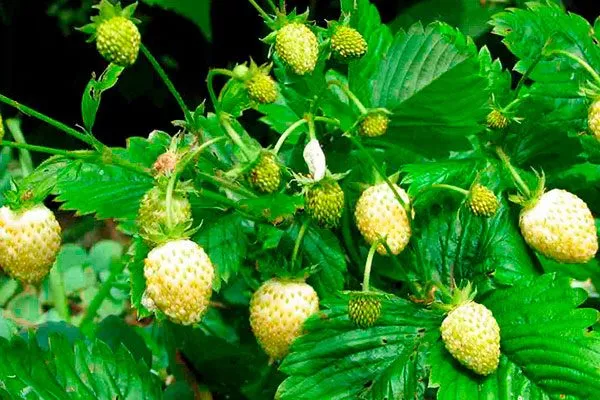
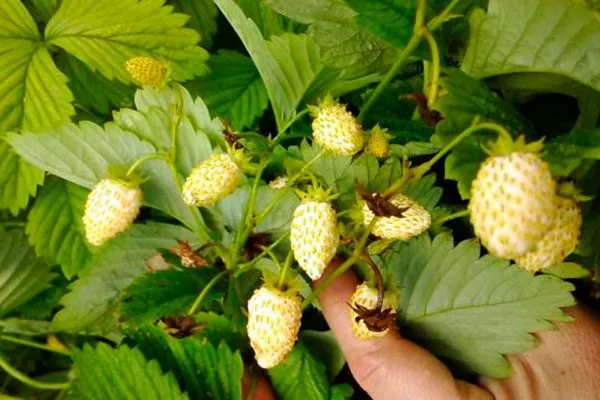
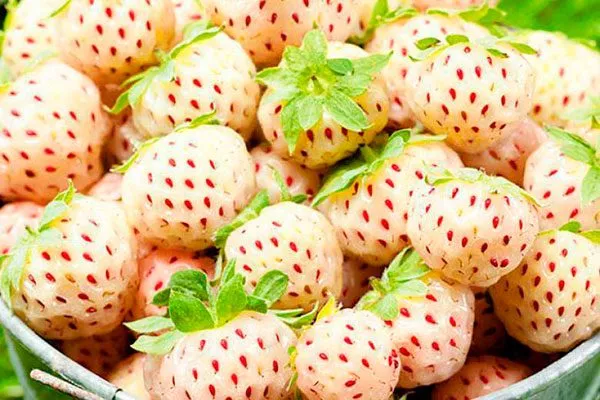
- Pineberry. This variety is often called pineapple strawberry due to its unique pineapple-like flavor. The berries are small, typically white or cream-colored, with pink seeds. They have a subtle aroma and pleasant sweetness, making them ideal for desserts and drinks.
- Yellow Wonder. A large-fruited variety with a rich yellow color and distinct sweetness. The fruits are relatively large, regular in shape, ripen early, and retain their freshness for a long time. Suitable for fresh consumption, jam, and preserves.
- Golden Albino. The berries of this variety are striking for their intense color—bright yellow with a slight sheen. They are characterized by their medium size and firm flesh, disease resistance, and good transportability. They are used both fresh and canned.
- White Soleil. The name speaks for itself: a white strawberry with a little sun inside. Although the berries are initially white, they gradually acquire a light yellowish hue. They are especially prized by gourmets for their soft, delicate flavor and subtle vanilla aroma.
- Honeoye. It boasts high productivity and a stable yield. The berries are medium-sized and uniformly bright yellow. They withstand transportation and long-term storage well. They are used primarily for processing and selling fresh fruit.
Planting yellow strawberries in open ground
Yellow strawberries are an interesting and useful variety of the common red strawberry that requires a special approach to planting and care.
What time to plant?
It's recommended to plant yellow strawberries in the spring, after the threat of frost has passed. The ideal time to transplant seedlings is late April or early May. It's important to choose a clear, warm day to allow the roots to adapt quickly and begin active development.
Fall planting is also possible, but it's risky due to potential adverse weather conditions. The optimal time for fall planting is September, allowing the young plants time to establish themselves before the cold weather sets in.
Soil for strawberries
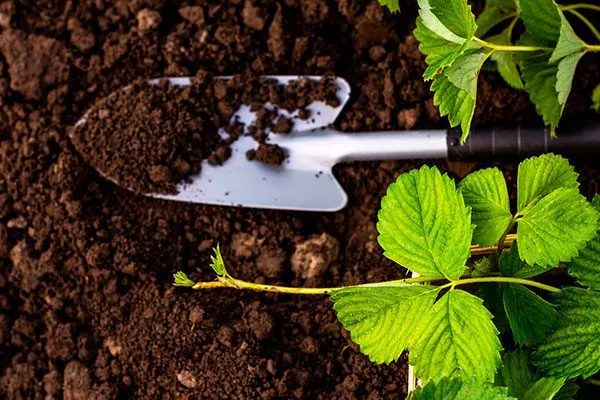
One of the key factors in successfully growing yellow strawberries is the correct selection and preparation of the substrate. Let's take a closer look at the soil requirements for this unique crop:
- Physical properties of the earth. Yellow strawberries prefer light, loose soil that provides good air permeability and rapid oxygen access to the roots. Heavy clay soils negatively impact root development, retain moisture, and promote the development of various diseases.
Loams or sandy loams are best, as they are easy to work with and provide the necessary supply of nutrients. - Chemical composition of the soil. Soil acidity plays a crucial role in the development of yellow strawberries. A neutral or slightly acidic pH (5.5–6.5) is optimal. An excessively alkaline or acidic environment interferes with nutrient absorption and weakens the plant's immune system. It is recommended to periodically check the pH level and make adjustments accordingly.
- Nutrients. Yellow strawberries require regular fertilizing to maintain high yields and resistance to adverse environmental factors.
Organic fertilizers (humus, compost) improve soil structure and increase the content of beneficial micronutrients. Mineral additives (nitrogen, phosphorus, and potassium fertilizers) help regulate growth and fruiting processes.
Additional recommendations:
- The area intended for growing yellow strawberries should be protected from the wind and provided with good lighting.
- Before planting, it is recommended to treat the soil with special agents to destroy pathogens and harmful insect larvae.
- To avoid the spread of infection, do not place a new plantation near areas where strawberries affected by the disease were previously grown.
Following these requirements will allow you to create ideal conditions for growing yellow strawberries and enjoy a harvest of beautiful, healthy, and delicious berries.
Preparatory activities before planting
A couple of months before the expected planting date, the soil is prepared. This includes the following steps:
- Digging the area to a depth of approximately 20-25 cm.
- Clearing the area of weeds and residues of previous crops.
- Adding rotted organic fertilizers (compost, humus), phosphorus and potassium.
- Leveling the surface with a rake.
Planting strawberries in spring
If you plan to plant strawberries in the spring, prepare the soil in advance, in the fall. To do this, dig the area deeply with a pitchfork to a depth of 25-30 cm, removing weed roots and simultaneously improving the soil structure by adding organic matter: 5 kg per square meter of peat, compost, or mature manure. Additionally, enrich the soil with a full range of mineral fertilizers:
- 20 g potassium sulfate;
- 40 g double superphosphate;
- 5 kg of wood ash for the same area.
Other features of spring work:
- Plant small-fruited strawberry varieties according to a 20x30 cm pattern, and for large-fruited varieties, increase the spacing between bushes to 20-30 cm in a row and leave a distance of about 70-80 cm between rows.
- Having made holes 25-30 cm deep and about 20 cm wide, pour 1 liter of water into each.
- Place the seedling there immediately, sprinkle it with soil and carefully compact the soil around it.
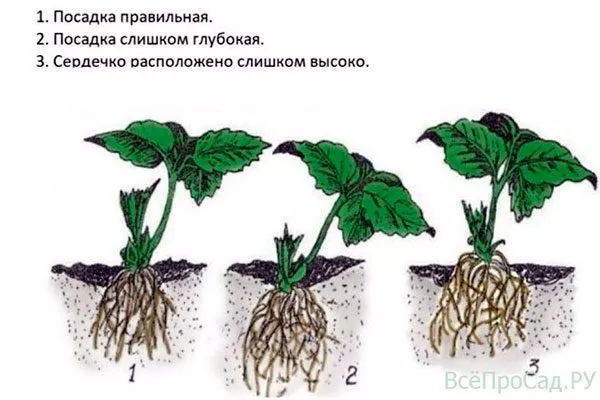
- The apical part of the plant (the heart) should remain level with the surface of the beds, otherwise rot may occur. If the plant is not planted deep enough, the roots will dry out and the plant will die.
- Once all the strawberries are in place, go between the rows with a hoe, carefully loosening the top layer of soil.
- In dry soil, newly planted plants need additional watering during the first few days - moisten daily in the evening with water at room temperature.
Planting strawberries in autumn
If you've chosen autumn for planting strawberries, begin preparing the plot 15-20 days beforehand. The preparation process is similar to spring, but differs in the simultaneous application of both organic and mineral fertilizers. Experts recommend halving the mineral fertilizer dosage compared to the recommended spring rates.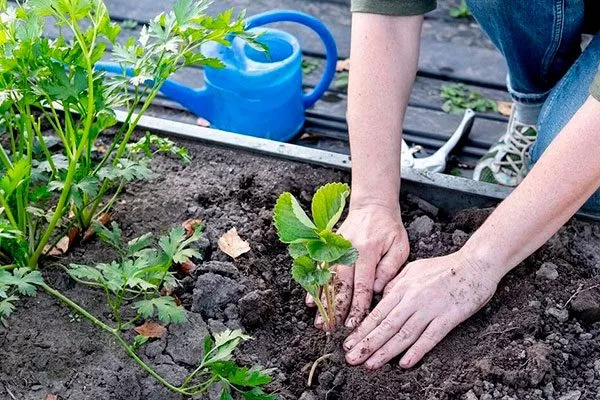
The planting process itself is no different from the spring version. After the plants have successfully adapted to their new location, apply a 10-cm-thick protective layer of rotted straw or manure on top of the soil between the rows. This will reliably protect the strawberry root system from harsh winter frosts.
Caring for strawberries
Caring for yellow strawberries is not difficult; the main thing is to follow certain rules that ensure the plant's comfortable existence and a high-quality harvest.
Strawberries during flowering
The plant produces a flower stalk, and after about a week and a half, flowering begins, occurring approximately 3.5-4 weeks after the start of active growth. Each heart-shaped stalk forms a single peduncle, bearing 5 to 27 buds in a compact corymb.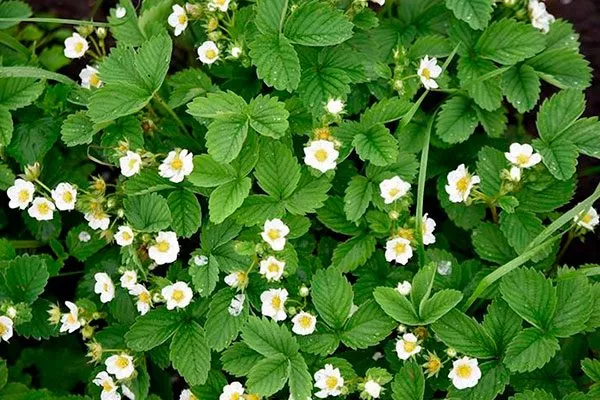
Other features:
- Each individual flower lasts for 4-6 days, while the overall flowering of the entire bed lasts up to three weeks, the duration of which is determined by environmental conditions: temperature, air humidity, length of daylight hours, quality of lighting, and the composition of the soil substrate.
- During flowering, strawberries do not require any additional specialized care.
- The beginning of fruiting is observed approximately four weeks after the opening of the first bud.
Watering strawberries
Proper watering is crucial for yellow strawberries. Plants react poorly to both excess and deficiency of moisture. The best time to water is early morning to avoid water splashing onto the leaves, which can cause disease and burns.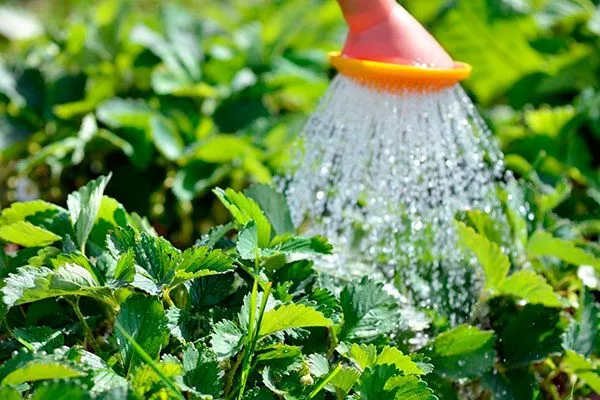
The frequency is determined by weather conditions:
- in hot summer – watering every 2-3 days;
- in cool weather – once a week.
The amount of water is calculated based on the area of the plot and the density of the plantings. Approximately 10 liters of water are used per square meter.
Fertilizing strawberries
Fertilizing yellow strawberries is important for increasing yield, strengthening plant immunity, and improving the berry's flavor. Proper fertilization will ensure optimal growth and prosperity for your plant.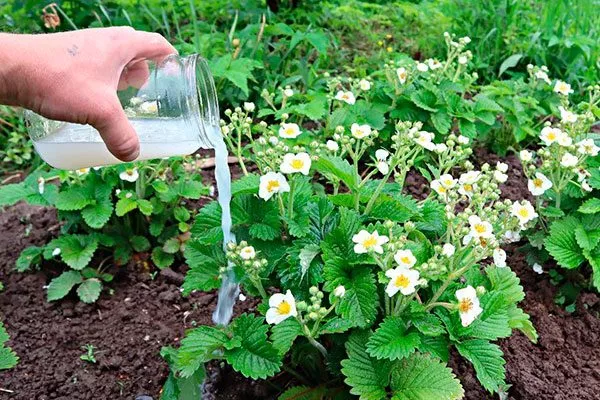
What to feed?
For optimal feeding, use the following groups of fertilizers:
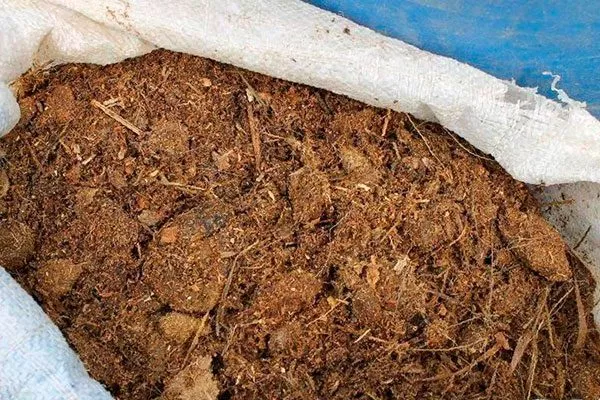
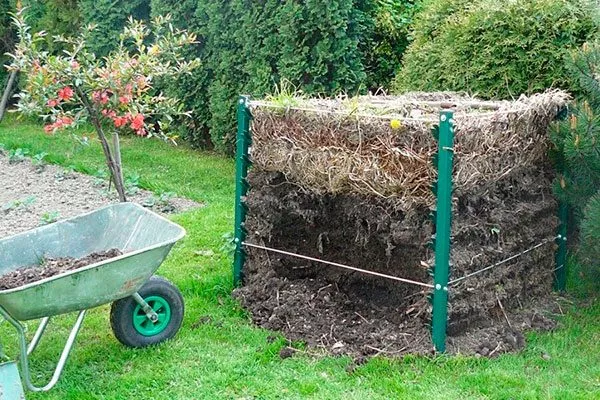
- Organic. Spread evenly over the soil surface, then work in shallowly. What to use:
- rotted manure: improves soil structure, increases fertility;
- compost: an excellent source of minerals and microelements;
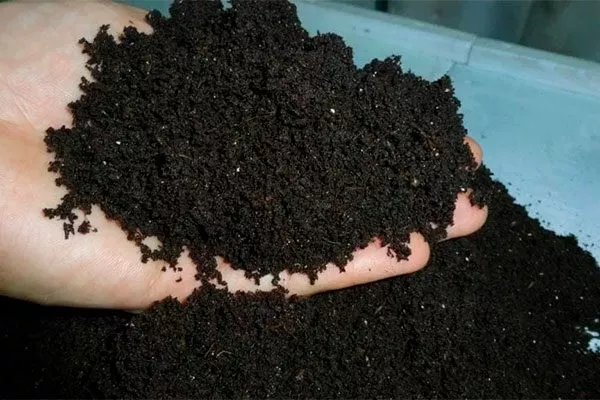
- Biohumus: saturates the soil with organic compounds, safe for plants.
- rotted manure: improves soil structure, increases fertility;
- Mineral mixtures. Dose calculation: Typically, apply according to the manufacturer's instructions, taking into account planting density and soil conditions. NPK (nitrogen, phosphorus, and potassium) fertilizers are used:
- Ammonium nitrate: the main supplier of nitrogen, stimulates active growth of greenery.
- Double superphosphate: a source of phosphorus, accelerates the formation of flower buds.
- Potassium sulfate: helps increase the sugar content of berries and improves resistance to stress.
- Ammonium nitrate: the main supplier of nitrogen, stimulates active growth of greenery.
- Microelements. Complex micronutrient fertilizers with zinc, boron, manganese and molybdenum are useful for replenishing the deficiency of important microelements.



When and how often to feed?
The most common fertilizer application schemes are:
- Early spring: The first feeding with nitrogen fertilizers (for example, ammonium nitrate) stimulates the growth of young greenery.
- In the budding phase: The application of a full range of fertilizers (NPK) will support the establishment of the future harvest.
- After fruiting is complete: Complex feeding will help restore the plant's strength and prepare it for the next season.
Pruning strawberries
There are three main pruning seasons: spring, summer, and fall. Each has its own unique characteristics that should be studied in advance.
Spring pruning
This is done in early spring, when the first leaves begin to emerge. The goal is to remove dry, damaged, and frost-bitten parts of the plant, paving the way for new shoots.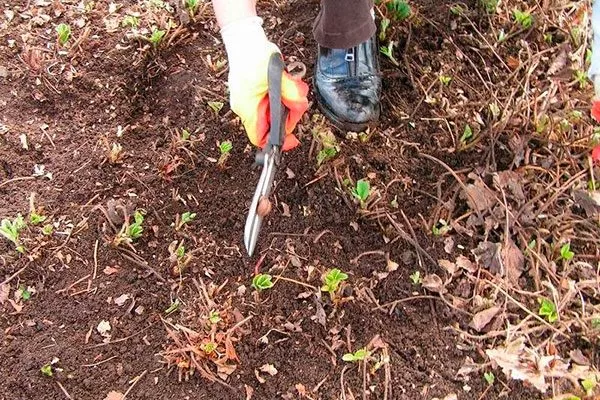
Instructions:
- Using a sharp tool (pruning shears, scissors), remove yellowed, broken or dried leaves.
- Thin and weak stems are cut out in a sanitary manner, leaving healthy and strong ones.
- It is necessary to control the cutting height: leave short petioles without damaging the growth points of new shoots.
Summer pruning
This summer procedure is aimed at maintaining the plants' neat appearance and controlling the number of runners. Details:
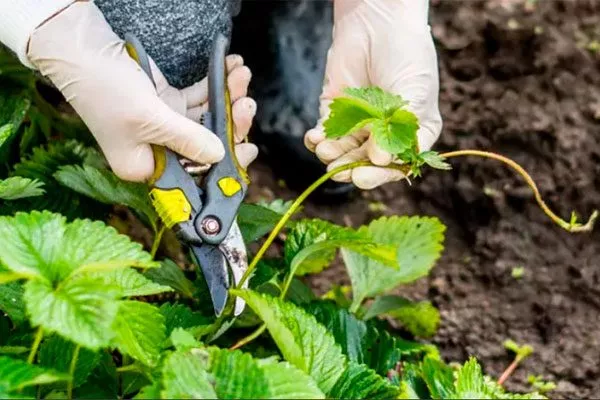
- The tendrils that appear after fruiting are systematically cut off.
- It is necessary to leave a few strong tendrils, which are necessary for renewing the plantation.
- As new growth appears, the row density is controlled, thinning out overly dense plantings.
Autumn pruning
Autumn is a good time to remove old leaves and clean out garden beds before winter dormancy. Features:
- Carefully trim off dried and old leaves, preserving the growth point.
- It is essential to clear the area of any remaining dry parts, as they can become sources of disease infection.
- You can cover the plants with a layer of mulching material (peat, compost) to protect the roots from frost.
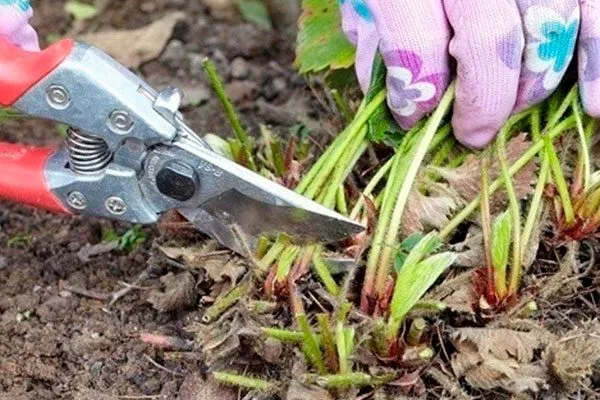
Common mistakes when pruning:
- Damage to the growing points of young plants.
- The height of the remaining leaves becomes too high, preventing normal ventilation.
- Incorrect use of instruments leading to infection.
Transfer
The best time to transplant plants is early spring or late fall. Each period has its own characteristics:
- Spring: Repotting should be done before the leaves emerge. Strawberries quickly adapt to their new location and produce vigorous growth of green shoots.
- Autumn: The transplant is carried out 3-4 weeks before the onset of persistent cold weather, so that the plant has time to take root before winter.
Preparing plants for transplantation:
- Pre-moisten the soil in the old location, making it easier to remove the plants along with the root ball.
- Using a shovel, carefully remove the bush, trying to preserve as many roots as possible.
- Trim off any rotten, brittle, or damaged roots. If the leaves are badly damaged, also remove some of them.
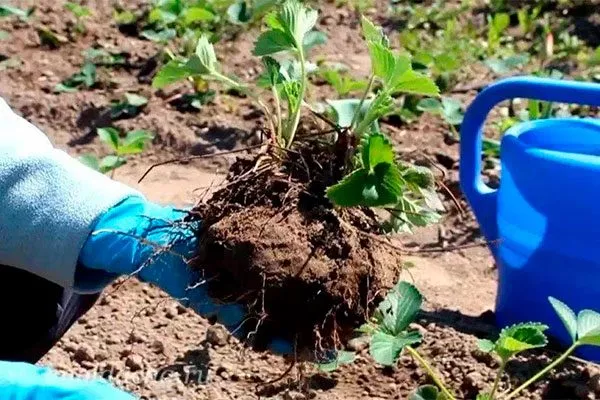
Transplantation technique:
- Calculate the planting pattern: small-fruited varieties are planted more densely (about 20x30 cm), large-fruited varieties require more space (approximately 30x40 cm).
- Make holes slightly deeper than the length of the root.
- Spread the roots in the hole, making sure that the growth point is exactly at soil level.
- Sprinkle with soil, pressing it firmly with your hands.
- After repotting, water the plants generously with warm water.
Reproduction of strawberries
Yellow strawberries can be propagated in a variety of ways, so gardeners can choose the most convenient technique for themselves.
Propagation of strawberries by runners
Strawberry propagation by runners is the simplest and most effective method for obtaining high-quality planting material. It is widely used by gardeners due to its ease of implementation and high survival rate.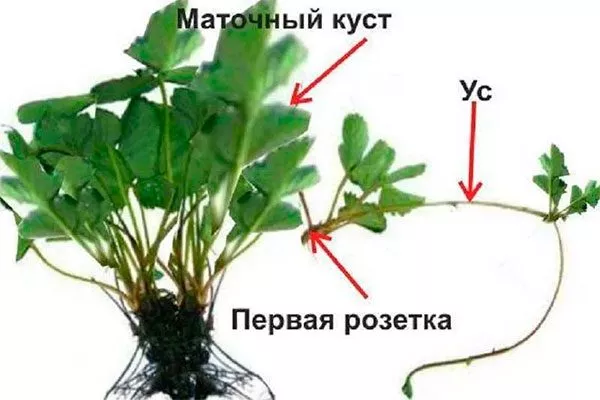
The main stages of the process:
- Selecting a queen cell. Select a healthy and productive strawberry plant from which to harvest runners. The mother plants should be vigorous, displaying good cultivar characteristics, and free of disease symptoms.
- Determining the best mustache. Select only the most developed and powerful runners from the main plant. The first and second runners often provide the best planting material.
- Securing the mustache. Place the selected runners at a distance from each other to create an even distribution of future bushes. Leave at least 20 cm between them to ensure each rosette has enough resources to develop.
- Socket separation. When the rosettes reach the stage of a small independent bush with their own roots, separate them from the mother plant. It's best to wait until two or three true leaves and small white roots form.
- Transfer. Disconnect the finished outlet and move it to a new location. There are two ways to do this:
- Right on the spot – simply bury the young rosette, leaving the top above the surface.
- Into containers – Temporarily plant the seedlings in pots or cups to allow them to get stronger before transferring them to a permanent location.
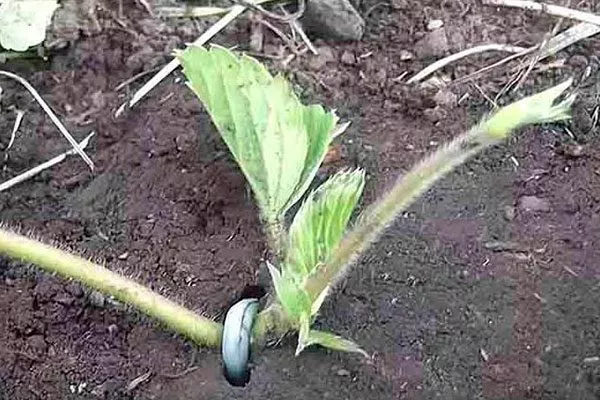
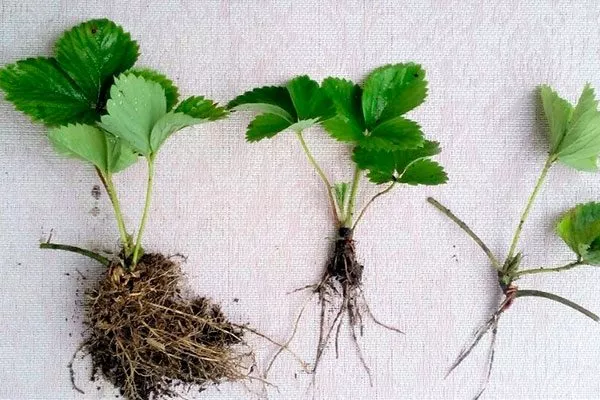
After transplantation, the new bush requires careful care:
- Water the young plants regularly, preventing them from drying out;
- after some time, add fertilizer (organic or mineral);
- Remove weak and unnecessary whiskers, maintaining the main direction of growth.
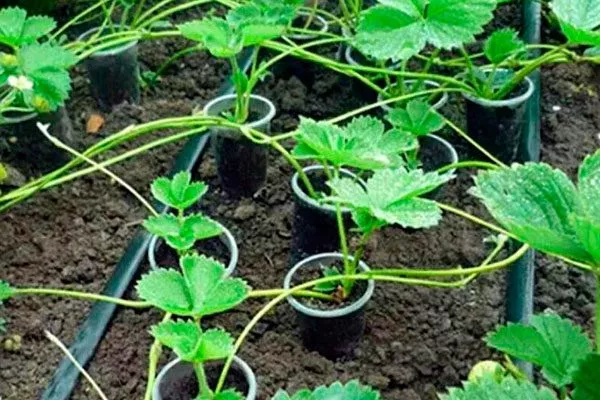
Seed propagation of strawberries
Propagating strawberries from seed is a fascinating and creative process that allows you to create unique plant specimens and expand your collection of varieties. Despite its complexity, this method yields excellent results if you follow a few simple guidelines.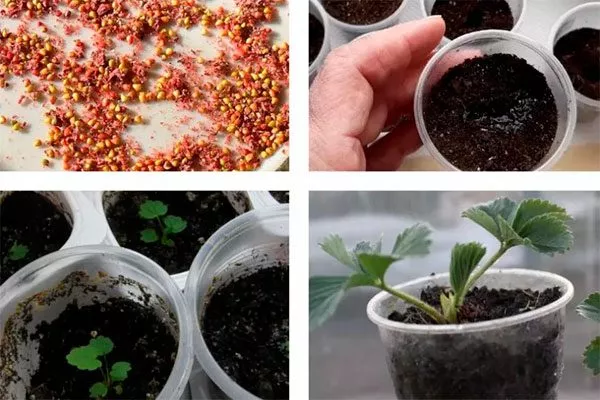
Why choose seed propagation:
- the opportunity to obtain rare and original varieties;
- cost-effectiveness: costs are minimal, since we use our own seeds;
- genetic diversity that allows the creation of new combinations of traits.
Steps of seed propagation:
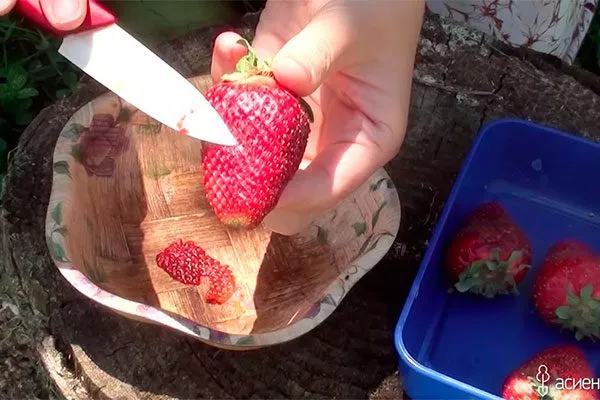
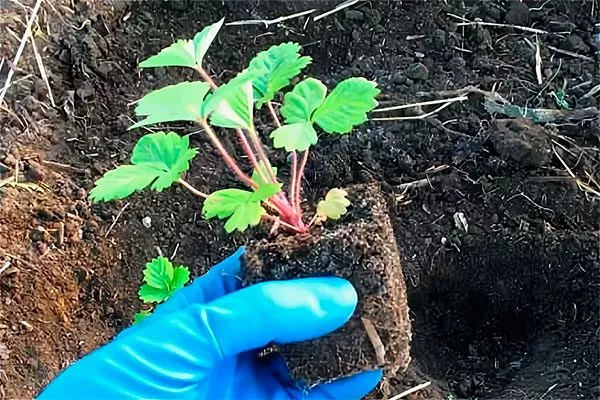
- Seed collection. Take ripe berries of your favorite variety. The seeds are located on the surface of the fruit, visible as small brown grains. Take the berries, remove the pulp, dry the seeds on paper, and store in a dry, dark place until sowing.
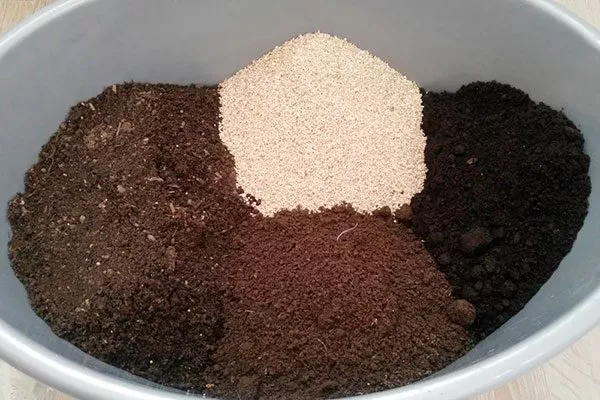
- Substrate preparation. Strawberries are demanding when it comes to soil quality. Mix equal parts sand, peat moss, and compost, adding a handful of vermiculite to improve the soil structure.
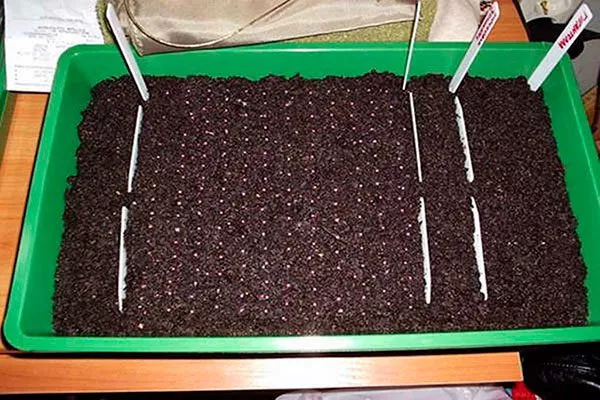
- Sowing seeds. Fill the containers with the prepared mixture and level the surface. Spread the seeds evenly over the surface of the soil mixture, without digging them in too deep. Cover the seedings with plastic or glass to create a greenhouse effect.
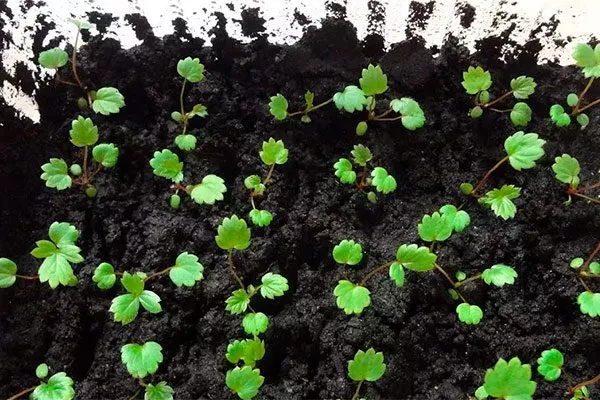
- Germination. Place the containers in a warm room with filtered light (temperature 20–25°C). Ventilate the container daily and moisten the soil with a spray bottle. Seedlings will appear in approximately 2–3 weeks. After this, remove the film and place the seedlings on a windowsill or other bright location.
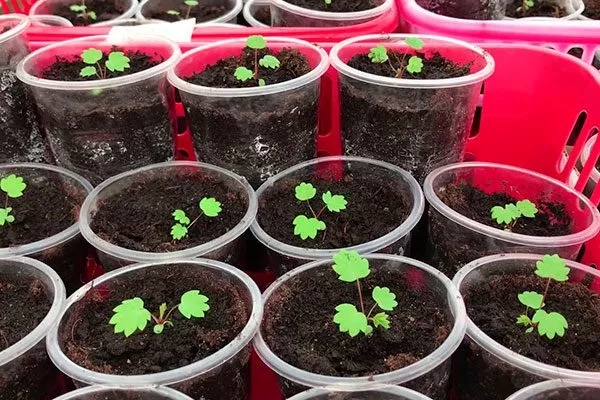
- Picking. When the first pair of true leaves appears, begin transplanting. Carefully move each plant into its own small pot, planting it to the level of the lower leaves.
- Transplantation to a permanent location. After 2-3 months from picking, when the plants are strong enough, carry out the final transplant to a permanent site in open ground.
- Caring for young plants. Young plants need good care:
- regular watering, but without over-watering;
- timely application of fertilizers (organic and mineral);
- protection from pests and diseases.
Propagation of strawberries by dividing the bush
This is a reliable and quick way to obtain high-quality plants while preserving all varietal characteristics. This method is suitable for most strawberry varieties and is a popular way to expand a gardener's collection.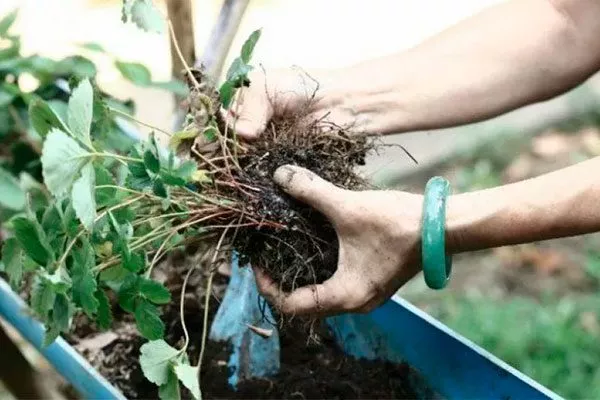
The essence of the bush division method
The method is based on the ability of mature plants to form daughter buds called rosettes. Over time, the strawberry bush develops multi-layered rhizomes, allowing it to be divided into individual fragments, resulting in fully fledged, independent plants.
Preparing for the procedure
Choosing the right time:
- the best time to divide a bush is considered to be early spring or late summer/early autumn;
- Bushes older than 3 years are best suited for division, as they have formed a significant number of daughter rosettes.
Necessary equipment:
- garden tools (shovel, pruning shears);
- water for irrigation;
- containers for storing extracted fragments.
Procedure:
- Find a mature bush with several strong lateral shoots (rosettes).
- Clear the area around the plant. Remove excess grass and debris, exposing the root zone.
- Carefully dig up the bush. Try to preserve as many roots as possible.
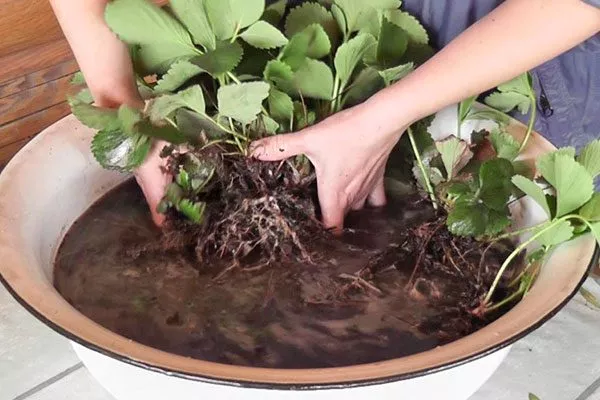
- Divide the plant into sections. Using a sharp tool, carefully cut the bush along the natural growth lines, trying to preserve at least one rosette with a portion of the rhizome in each section.
- Check the quality of the resulting parts. Each new rosette should have living roots and at least 2-3 leaves.
- Prepare the planting site. Choose an open, sunny spot with fertile soil.
- Plant the divided material at a depth that lightly covers the top of the rhizome.
- Firm the soil around each new plant.
Pros and cons
By following the above recommendations, you can successfully divide your strawberry bush and obtain high-quality planting material for further cultivation of your favorite crop.
Strawberry pests and diseases
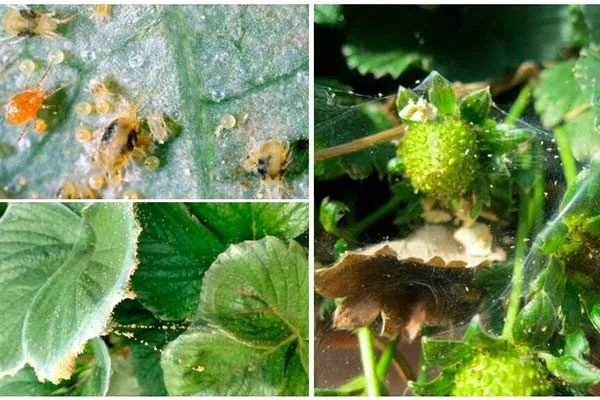
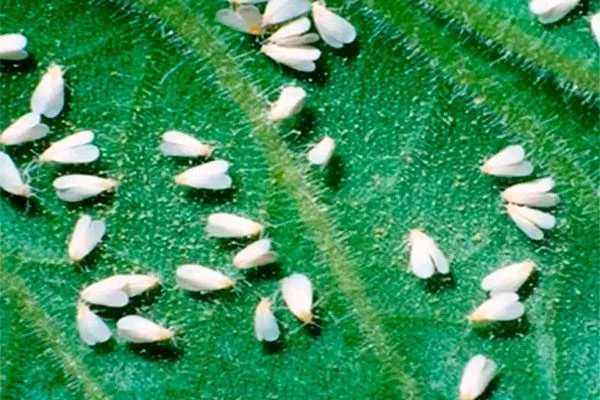
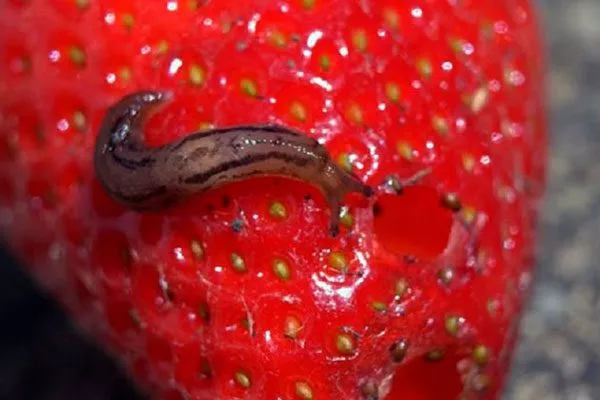
The main enemies of yellow strawberries are:
- spider mites;
- whiteflies;
- slugs.
Control measures:
- folk methods (tobacco infusion, soap solution);
- biological preparations (Fitoverm);
- insecticidal agents (Aktara).
Treatment is carried out in the morning or evening, after making sure that the weather is dry and warm.
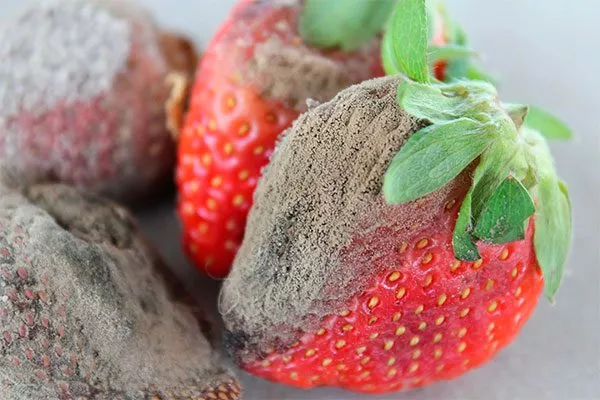
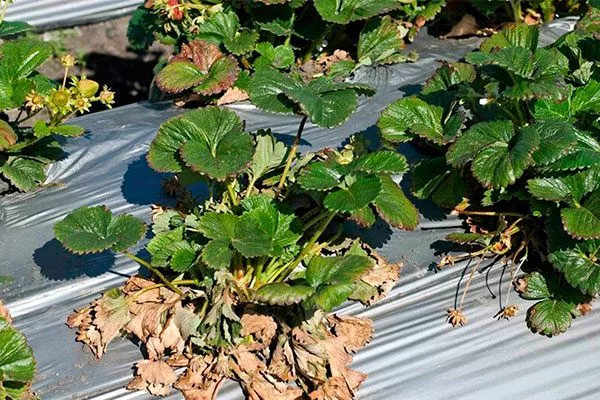
Diseases common to yellow strawberries:
- gray mold;
- verticillium wilt;
- anthracnose.
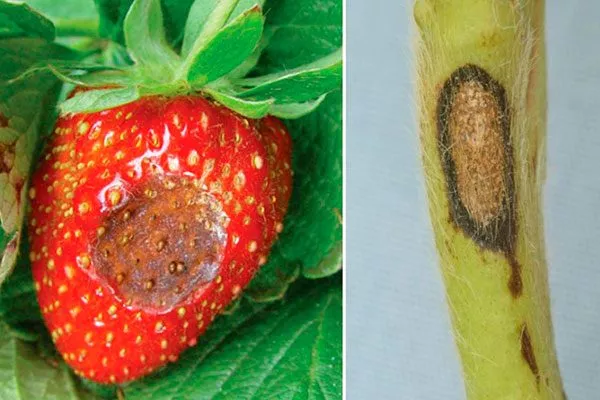
Prevention methods:
- compliance with agricultural technology;
- use of fungicides (TopsinM);
- correct planting pattern and ventilation of the area.
Shelter for the winter
Yellow strawberries, although frost-hardy, require additional protection in winter. This is especially important in regions with harsh climates.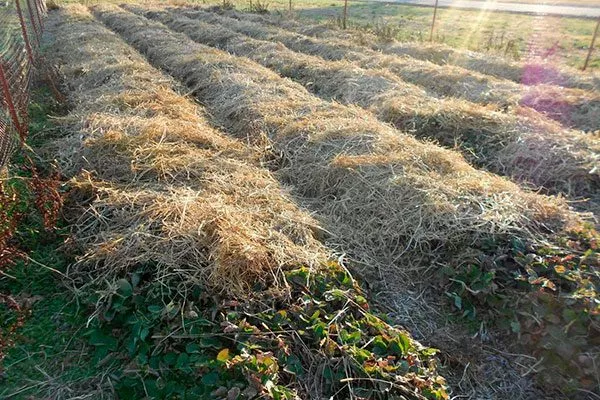
Covering materials:
- agrofibre;
- straw;
- sawdust.
Following these rules will allow you to obtain consistently high yields of quality produce and ensure the longevity of your plants.
Reviews
Yellow strawberries are an interesting and promising crop for gardeners looking to add a unique touch to their garden and reap a unique harvest. Despite certain difficulties associated with growing and caring for them, with a little effort and patience, impressive results can be achieved.