
Zephyr is an early-ripening strawberry variety. This variety is beloved by Russian gardeners for its high yield and consistent fruit production, strong immunity, and undemanding growing conditions. It is grown both in open beds and greenhouses. In southern climates, the first berries ripen by May 20th.
About the origin of the variety
This variety of garden strawberry was developed in the 1960s by Danish breeders. It is designed for cultivation in the short daylight hours and harsh climate of northern latitudes. It is very popular in Denmark, Norway, and other European countries.
Zephyr is not listed in the Russian Federation State Register of Breeding Achievements. Despite this, it is popular among Russian gardeners and agricultural companies. Seedlings of this variety are available for purchase at many nurseries.
Appearance of the plant
Strawberry bushes of this variety have the following characteristics:
- medium height (their “height” reaches 30 cm);
- spreading;
- power;
- numerous thick and strong shoots, capable of holding a handful of berries without bending to the ground;
- leaves: dense, corrugated, pubescent, dark green in color;
- abundant flowering.
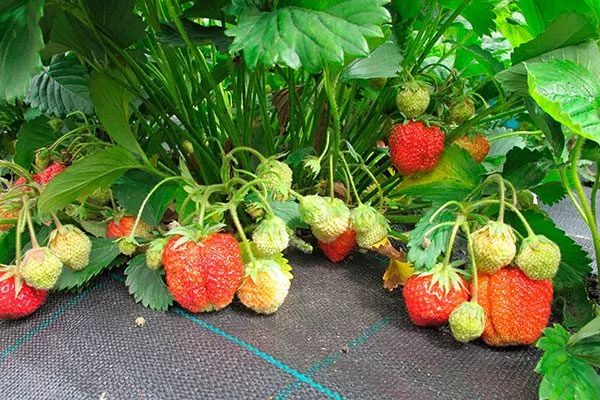
This variety of strawberry is quite decorative in bloom. Its bushes are covered with numerous large, snow-white flowers, gathered in voluminous clusters. The clusters resemble the delicacy for which the variety is named. Their aroma fills the entire garden.
Fruits and their taste qualities
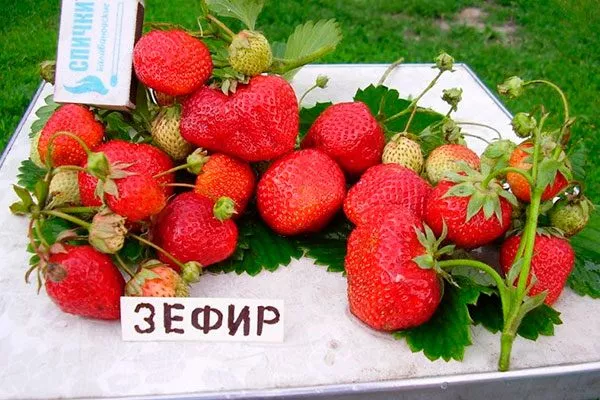
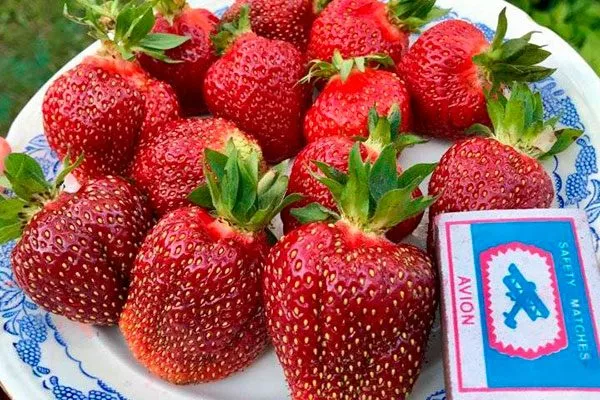
The berries of this variety are large and beautiful. They have the following characteristics:
- weight - from 20 to 60 g;
- heart-shaped or conical in shape;
- ribbed;
- dark red (cherry) color with a glossy sheen;
- with fleshy, juicy and tender pink flesh with white veins, in which there are no voids.
Garden strawberries of this variety have a universal purpose:
- it is eaten fresh;
- added to desserts and fruit salads;
- make juice and puree;
- they cook jam, preserves, and compote;
- canned;
- freeze.
Zephyr berries are shelf-stable and easy to transport. They retain their attractive appearance during long-distance transport, and they retain their beneficial properties during long-term storage. These qualities make the variety suitable for commercial cultivation.
Ripening period and yield
This garden strawberry variety is one of the earliest ripening berries. It ripens faster than Honey, the market leader in early strawberries. Gardeners can harvest Zephyr in the first year of planting. Harvest times depend on the growing conditions of this variety:
- the last ten days of May - if you grow strawberries in open ground in regions with a warm climate;
- mid-spring - when growing berry crops in a greenhouse.
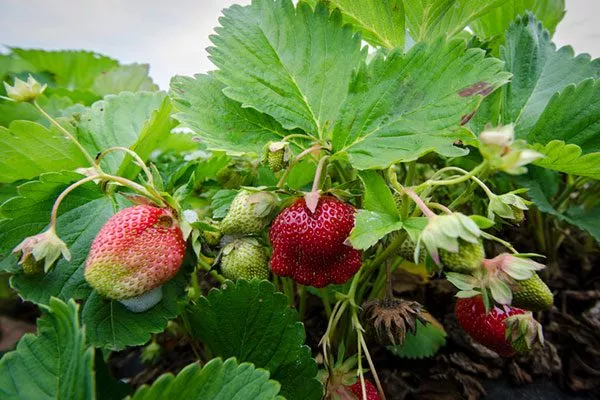
The harvest is not only fast but also uniform. Bushes of this variety do not typically have a prolonged fruiting period. Gardeners harvest the fruit quickly, in 3-4 rounds. The berries do not become smaller during the fruiting period.
The yield indicators of Zephyr are as follows:
- 1 adult plant yields up to 1 kg;
- Farmers harvest up to 10,000 kg from 1 hectare of strawberry planting when growing berries in open beds (this figure will be even higher if the bushes of this variety are cultivated in a greenhouse).
Growing regions
This variety of garden strawberry grows and produces best in warm climates. However, its inherent resistance to adverse environmental conditions allows it to be successfully cultivated in northern regions as well.
This strawberry is successfully grown throughout Russia and in European countries, including Scandinavia. Zephyr is resistant to unstable summers, drought, and harsh winters. Simply providing the bushes with a layer of straw over the winter will prevent them from freezing in temperatures below -8°C and with little snow cover.
Pollination
Plants of this variety require insect pollinators. Keep this in mind if you're growing the berries in a greenhouse. Ensure bees have access to the bushes during flowering. Leave a sweet insect bait inside the shelter. If your strawberry planting is small, pollinate them using a brush.
Frost resistance
This Danish variety is characterized by excellent winter hardiness. Its plants, overwintering without shelter, can withstand temperatures as low as:
- up to -35°C - if there is heavy snow cover on the strawberry planting;
- up to -8°C - if the winter is low in snow (if the temperature drops by another 1-2 degrees, the above-ground rosette and root system will die).
Correct fit
Gardeners grow Zephyr strawberries using seedlings. The plants are transplanted to the garden beds around the beginning of August. The variety grows and produces best in soils with the following characteristics:
- with neutral acidity (pH 5.0-6.0);
- fertile;
- light (heavy clay soil is not suitable for cultivating Zephyr);
- not swampy, with deep groundwater.
- ✓ The pH level must be strictly within 5.0-6.0, measured using a pH meter.
- ✓ Groundwater must be no closer than 1.5 meters to the surface.
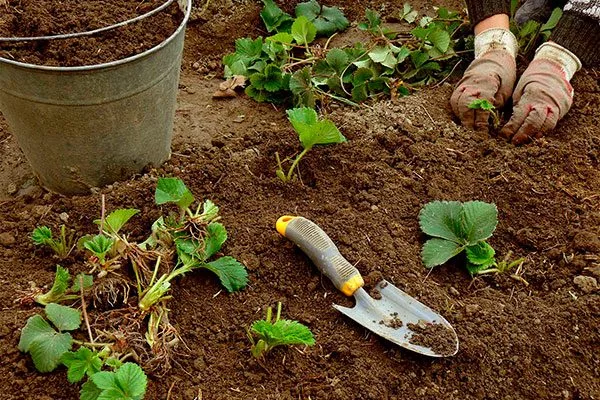
Fertilize the soil in your area with commercial all-purpose mixes or organic matter. When digging, add rotted manure (7 kg per square meter) and ash (0.1 kg per square meter).
Plant Zephyr bushes, arranging the rows from the north to the south side for uniform lighting, according to the following pattern:
- the distance between plants is 20-25 cm;
- between rows - 40 cm;
- the depth of the holes is 25 cm.
After the strawberries have been planted, water the beds generously and mulch with straw (or sawdust).
Care Features
Strawberry bushes will yield a bountiful harvest of large berries with proper care. This includes the following procedures:
- WateringThe variety is drought-resistant, but moisture stress reduces berry quality and yield. Water the beds at least once a week. During flowering and berry set, water every 2-3 days. A drip irrigation system is the optimal irrigation method for berry crops.
- Loosening and weedingThis will allow the plants to develop properly and improve air access to their roots. Repeat this every time you water the strawberry bed or after it rains. Mulching the area with straw or sawdust will help you avoid frequent weeding and loosening the soil.
- Moustache removalZephyr produces up to 30 of them per season, causing dense plantings and soil depletion. Trim off the runners for propagation before they develop rosettes.
- Top dressingFor the best berry flavor, regularly replenish the soil's nutrients. In early spring, apply mullein (1:10), chicken manure (1:20), or a solution of ammonium nitrate and urea (10 g each per 10 liters of water). Apply 0.5 liters per plant.
In May, fertilize your strawberry bed with potassium nitrate (15 g per 10 liters of water). Apply 0.5 liters of liquid fertilizer per bush. Foliar spraying with a nutrient solution is also acceptable.
In summer, fertilize the plantings with nettle infusion, diluted with water (1:10). After harvesting, use a complex mineral fertilizer containing phosphorus and potassium.
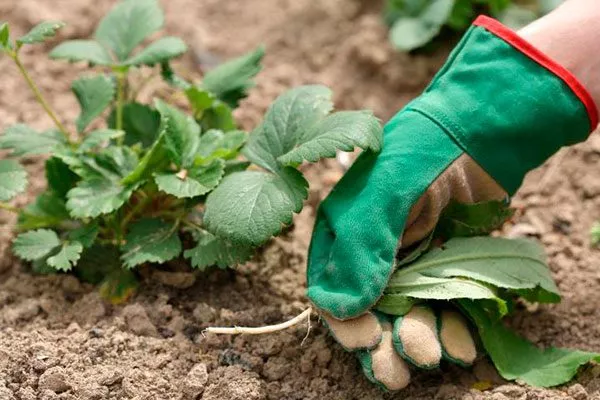
In the spring, care for the Zephyr planting as follows:
- remove dried parts from the bushes;
- remove a layer of soil (3 cm thick) from under the plants so that the sun's rays can kill pests and penetrate to the roots;
- Loosen the soil between the rows to a depth of 8 cm.
In September, carry out autumn care of the strawberry bed:
- trim and fertilize each bush;
- loosen the soil;
- carry out pest control treatment.
Disease prevention
Zephyr is renowned for its resistance to many berry diseases. Its bushes are less susceptible to the following infections:
- powdery mildew;
- fusarium.
- spotting;
- gray rot.
To prevent infectious diseases in the spring, treat the planting with copper sulfate. Make a solution with a 1% active ingredient concentration. Do not use chemical treatments during flowering and fruiting periods.
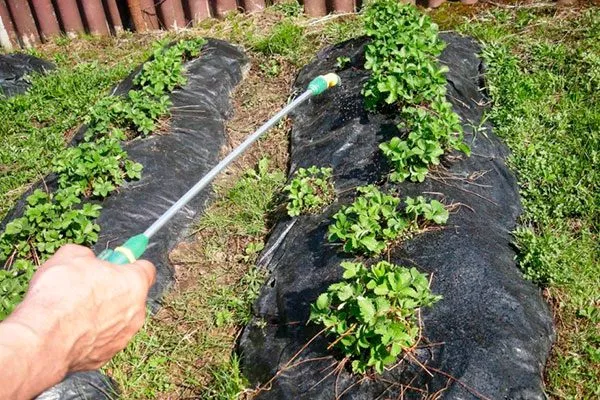
Bushes of this variety are susceptible to strawberry mites. To control the pest, use Actellic. It can be used in the spring and after the berry harvest. During flowering, spray the bushes with Fitoverm.
The following plants will help you repel harmful insects from strawberry bushes:
- garlic;
- marigold;
- calendula.
Harvesting and storage
Pick ripe berries with the stems attached for longer storage. Place them in the containers (wood or cardboard) you'll be using for storage. Layer the strawberries in 2-3 layers. Avoid plastic containers. Opt for breathable baskets made from wicker or bark.
Begin harvesting in the morning. Do this daily or every other day. Based on the number of ovaries, focus on harvesting. Do not water the beds before harvesting.
Store Zephyr berries in the refrigerator under the following conditions:
- at temperatures from 0 to +2°C;
- in the lower pull-out compartment.
You can extend the shelf life of fruits by freezing them. For this purpose, use the following containers:
- plastic containers;
- thick-walled glass containers;
- plastic bags with a closing clip.
Preparing for winter
Plants of this variety can overwinter in regions of Russia where temperatures do not drop below -35°C. Cover the plantings with mulch for the winter. Cover it with snow.
To increase the winter hardiness of this variety of strawberries, fertilize them in the fall with the following composition:
- potassium sulfate - 30 g;
- nitrophoska - 40 g;
- water - 10 l.
Methods of propagation of the variety
The Zephyr garden strawberry produces a bountiful harvest if grown in one place for 3 years, after which the planting will need to be renewed.
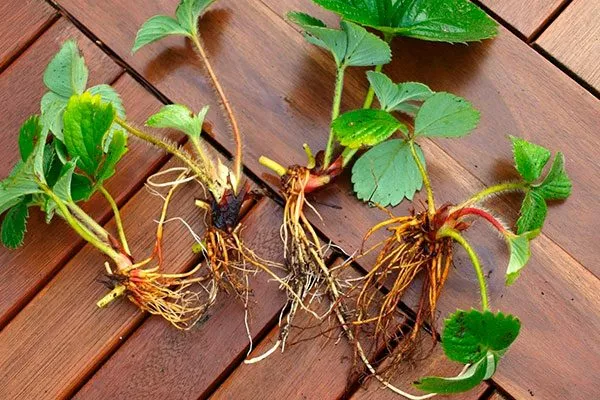
Propagate strawberry bushes like this:
- division;
- rooting of whiskers.
- ✓ The presence of at least 3 healthy leaves without spots.
- ✓ The root system should be white and fluffy, at least 5 cm long.
Advantages and disadvantages of the variety

Not all Russian gardeners are satisfied with the taste of Zephyr berries. They find it not sweet enough. This is due to improper cultivation practices. Proper care allows for a harvest with excellent flavor.
Gardeners' reviews
Zephyr is an early strawberry variety. It is beloved by Russian gardeners for its disease resistance, adaptability to various weather conditions, winter hardiness, good yield, and flavor.