
Choosing the right time to plant strawberries directly impacts the survival rate of the bushes and the future harvest. Planting timing depends not only on the season but also on the specific regional climate, the variety's characteristics, and weather conditions. It's important to carefully consider the best time to plant: spring, summer, or fall in southern, central, and northern regions.
Factors influencing the timing of planting garden strawberries
Timing of strawberry planting is a key factor, determining not only the survival rate of the seedlings but also their subsequent yield. Successful cultivation depends on a combination of climatic, soil, and agricultural conditions, which must be considered in each region.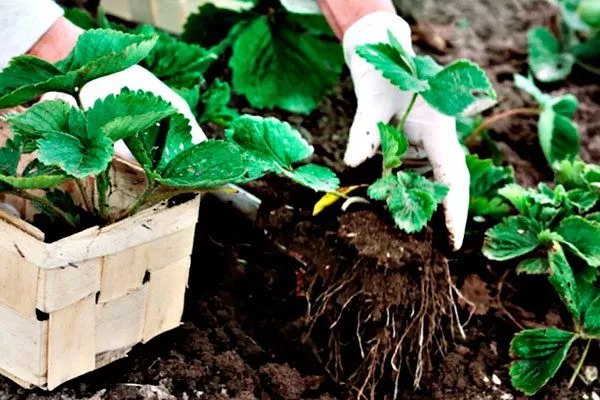
Main criteria:
- The optimal temperature for rooting seedlings is 15 to 20°C. If planting is done too early in the spring or too late in the fall, the low temperatures will slow root development, reducing the plant's chances of surviving stress.
- In northern and central regions, late spring and early autumn frosts can damage young bushes, so planting times should be chosen so that the plants have time to strengthen before the onset of cold weather.
- In regions with short summers, it's best to plant strawberries in the spring to allow the bushes time to develop and prepare for winter. In southern regions, where winters are milder, fall planting is more common, allowing for the first harvest the following summer.
- For successful rooting, the soil must warm to at least +12°C. In cold and damp soil, roots develop poorly, and plants are more susceptible to disease.
- Excessively dry soil in spring or late summer hinders seedling establishment, so planting timing is often tied to the period of sufficient soil moisture. Optimal soil moisture levels are considered to be stable for at least 2-3 weeks after planting.
- It's recommended to plant strawberries in a plot where organic and mineral fertilizers have been applied in advance. If bed preparation takes longer, the planting time will also shift.
Other factors also influence the choice of time for planting garden strawberries:
- Characteristics of the variety. Everbearing varieties bear fruit several times per season and require earlier spring planting to form a strong bush and produce a harvest in the first year.
Standard varieties can be planted in both spring and fall, depending on the regional climate. In southern regions, fall is considered more productive, as the plants accumulate energy over the winter and produce a bountiful harvest the following season.
Early-ripening varieties should be planted earlier to ensure they have time to produce a harvest. Late-ripening varieties thrive better when planted in the fall. - Quality and type of planting material. This year's runners take root best in late summer or fall, when temperatures drop but the soil still retains warmth. Frigo seedlings can be planted almost any season (from spring to fall), as they undergo special preparation and begin growing quickly.
Container seedlings are resistant to transplantation and can be planted at a later date than plants with an open root system. - Availability of an irrigation system. In areas with hot, dry summers, planting without regular watering often yields no results. Therefore, gardeners try to time their planting to periods of sufficient natural moisture or use drip irrigation.
When cultivating in the fall, it is especially important to have access to watering: the plants must have time to get stronger before frost sets in. - Light level and daylight hours. In spring and early summer, daylight hours are longer, which accelerates seedling growth and rooting. In autumn, on the contrary, daylight hours decrease, so it's important to plant the plants before the short days arrive—in August or early September—otherwise, the plants won't have time to establish themselves.
Many gardeners choose spring or fall planting based on when they can devote more attention to plant care: regular watering, weeding, and loosening the soil.
The time for planting garden strawberries is determined not by one factor, but by a whole complex of conditions:
- climate;
- soil;
- variety;
- type of seedlings;
- availability of irrigation, etc.
When to plant strawberries in open ground depending on the region?
The timing of strawberry planting depends directly on climatic conditions: air and soil temperature, summer duration, and the likelihood of frost. To ensure the plants take root well and survive, it's important to consider not only the calendar but also the regional conditions.
In the spring
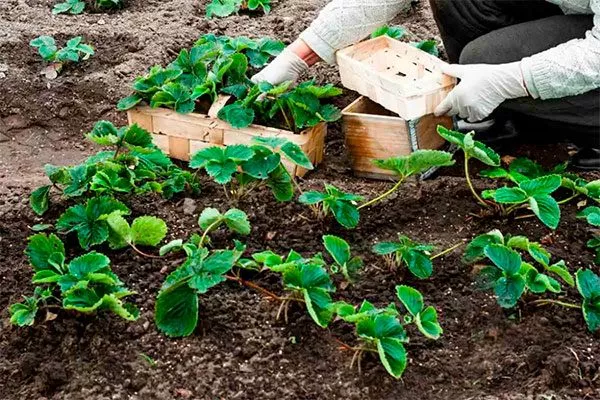
The advantage of spring planting is that it gives the strawberries enough time to root and form a strong rosette, and by winter, the bushes are already cold-hardy. Key factors:
- Southern regions (Crimea, Kuban, Odessa region). Here, strawberries are planted early—from late March to mid-April. The soil warms up quickly, and the plants begin growing immediately. However, it's important to watch out for recurring frosts: if cold weather strikes, the young plants are covered with agrofibre.
- Central strip (Moscow, Tula, Kyiv regions). The optimal planting time is from mid-April to early May. During this period, the soil is already warm enough but not yet overly dry, and the risk of frost is minimal.
- Northern regions (Leningrad region, Karelia, northern Ukraine). Here, the soil warms up later, so strawberries are planted from mid-May to early June. Earlier plantings may be unsuccessful due to cold soil, which inhibits rooting.

In summer
Summer planting is most often done using the current year's runners. This allows for faster production of new bushes and a harvest for the following season.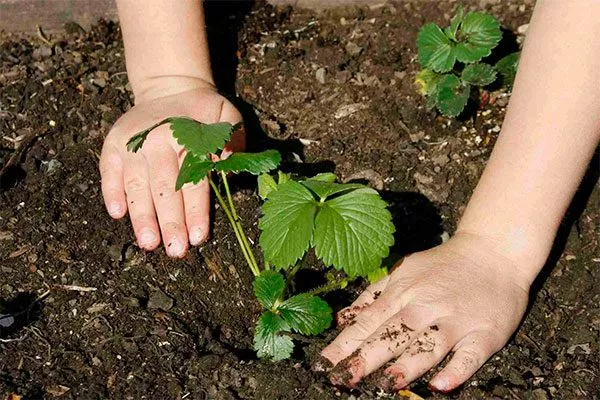
Cultivation time depends on the location of the site:
- South. The optimal time is from late July to mid-August. It's important to wait until extreme heat has passed, otherwise the young plants may dry out. With adequate watering and shade, the seedlings root well and are well-developed by winter.
- Central regions. In the central part of the country, strawberries are planted in August, when the sun no longer burns but there's enough warmth for growth. By autumn, the plants have developed a well-developed root system and can easily survive the winter.
- Northern regions. Here, summer planting is only done in early August, and only with regular watering and cover. Later plantings are risky—the bushes won't have time to establish themselves before the cold weather sets in.
In the fall
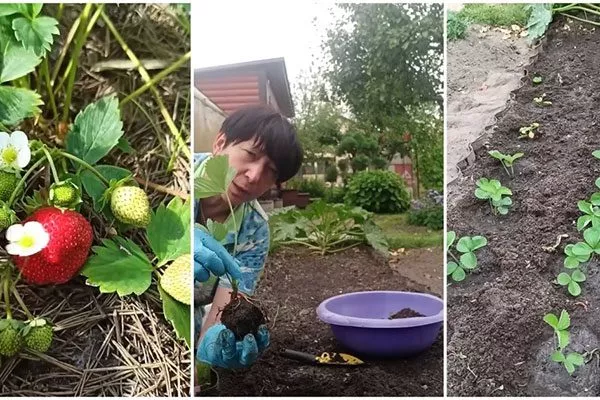
Fall planting is convenient because the plants don't waste energy on leaf growth and harvest, but instead focus their energy directly on the roots. By spring, these plants start growing faster and produce a higher yield.
- Southern regions. In the southern regions, strawberries can be planted from early September to mid-October. The mild climate allows the plants to establish roots even in late autumn. In Crimea and the Kuban region, planting is permitted until the end of October.
- Central strip. The best time is from late August to mid-September. Planting later runs a high risk of the plants not having time to establish and some dying in the winter.
- Northern regions. In northern climates, planting should be completed by the end of August. The first frosts are possible as early as September, so it's best to cover the plants with additional mulch or agrofibre to ensure a reliable winter.
Planting dates according to the lunar calendar
When choosing a strawberry planting date, many gardeners consider not only climate and regional factors but also the lunar calendar. It is believed that the phases of the moon influence plant growth, with the root system and the aboveground part developing differently.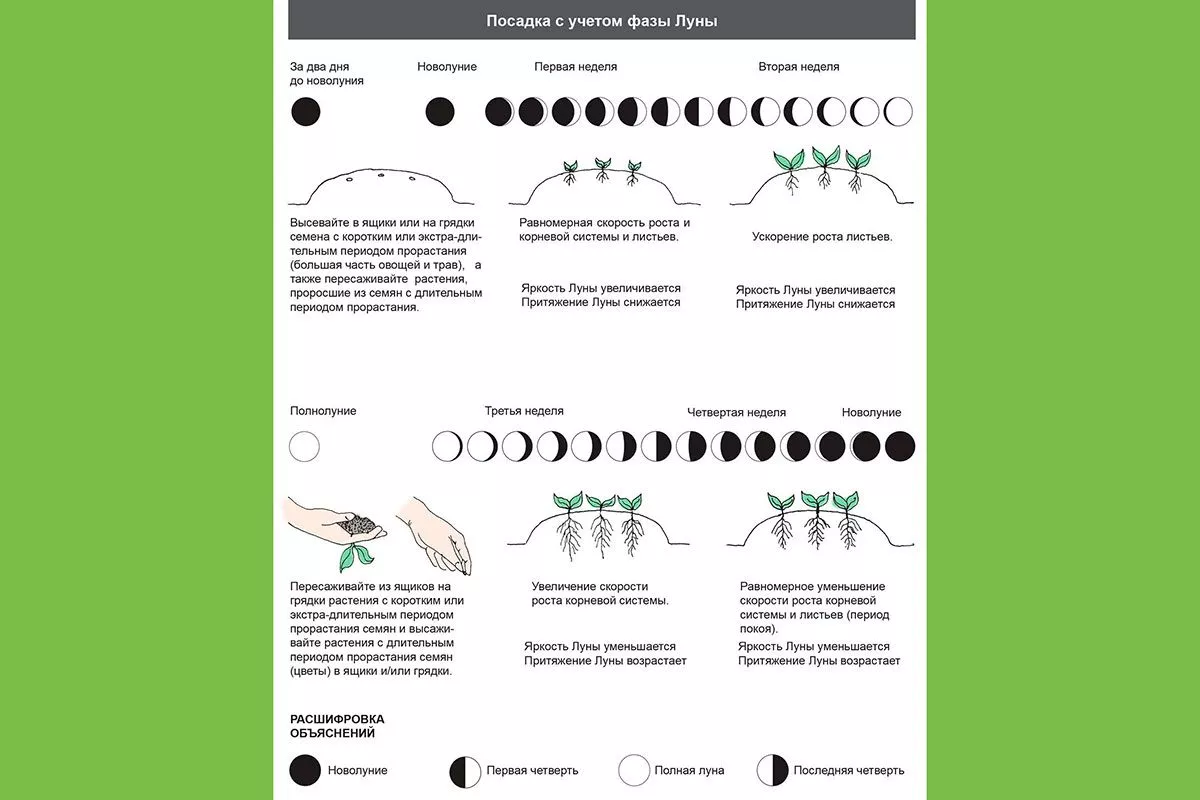
Let's take a closer look:
- Waxing moon. This is the most favorable time for planting strawberries. During this period, the plants' vital energy is directed upward, a strong above-ground part is formed, and buds for the future harvest are formed. It is recommended to plant seedlings during the waxing moon phase, especially in the second quarter.
- Waning moon. At this time, the root system develops more actively. It is believed that plants planted during the waning moon root better, but their growth is slower. This period is suitable for planting strawberries, especially if the main goal is to form strong bushes.
- New moon and full moon. These days are considered unfavorable for any planting work. Plants are weakened during these periods, have a harder time establishing themselves, and may remain unwell for longer after transplantation.
In addition to the moon's phases, farmers also consider its position in the zodiac signs. The most favorable periods for strawberries are considered to be when the moon passes through the signs of Taurus, Cancer, Virgo, Capricorn, and Pisces—these periods promote the development of fruitful and robust plants.
What weather is best for planting?
Successful strawberry establishment depends largely on the weather on the day of planting. Excessive sun or sudden cold snaps stress the plants and reduce their chances of rapid rooting.
The optimal conditions are considered to be:
- Cloudy but warm weather. Cloudiness protects young bushes from sunburn, and soft, diffused sun promotes calm growth.
- Afternoon hours. In the evening, the soil and air are no longer as overheated, moisture evaporation is reduced, so plants tolerate transplantation better.
- Air temperature +10…+18°C. This is a comfortable range for rooting: at lower values, root growth slows down, and at temperatures above +25°C, bushes often wilt and require increased watering.
- Lack of strong wind. Drafts and gusty winds dry out the leaves and soil, which prevents seedlings from taking root.
What should I do to help strawberries take root?
The survival rate of strawberries depends not only on the quality of the seedlings and the correct timing of planting, but also on What measures does a gardener take after planting?Each season has its own specific care requirements that help plants adapt more quickly and prepare for growth.
Spring planting often takes place in unstable weather conditions, so plants require extra attention:
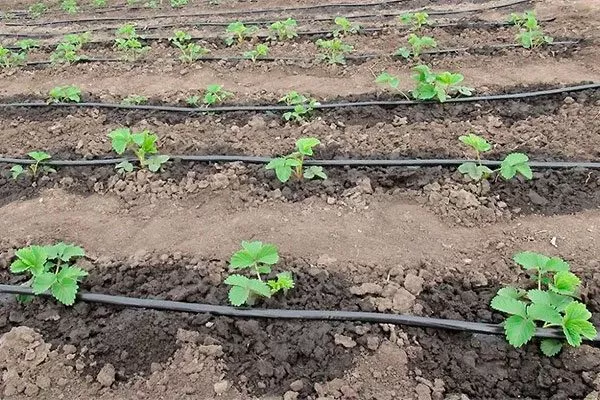
- Watering. For the first 10-14 days, water the seedlings every other day with warm water (+18…+20°C) until new leaves appear.
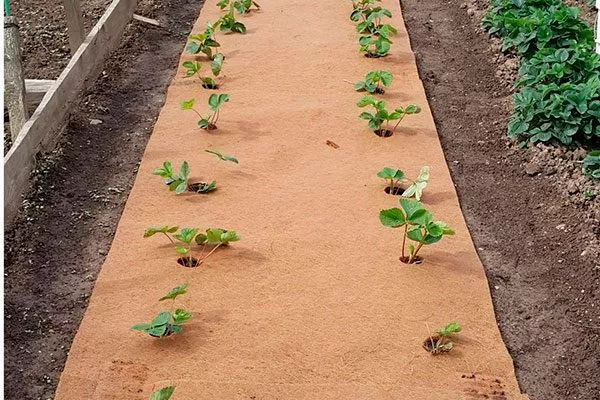
- Mulching. To protect the soil from drying out and temperature fluctuations, cover the beds with straw, peat or agrofibre.
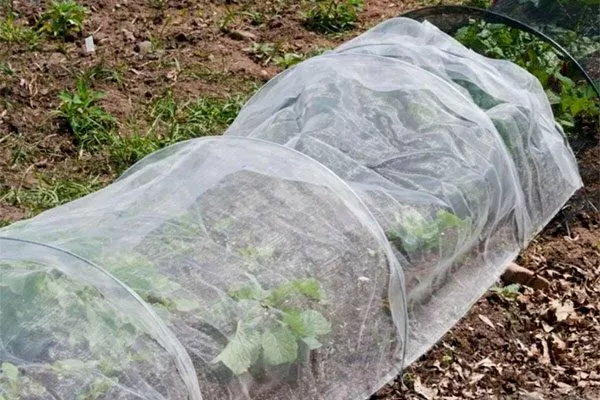
- Shelter from frost. In case of threat of returning cold weather, young bushes are covered with non-woven material.
- Removing flower stalks. In the first year after spring planting, it is better to pluck off the flower stalks so that the plant directs its energy towards rooting.
In summer, planting requires special attention to moisture and protection from heat:
- Frequent watering. In hot weather, water young seedlings daily or every other day, depending on the soil moisture. The best time to water is morning or evening.
- Shading. To prevent plants from getting sunburned, cover them with agrofibre or netting, creating light shade.
- Mulching. A layer of mulch (straw, mown grass, pine needles) reduces soil heating and retains moisture.
- Moustache removal. Until the plant gets stronger, remove the runners so as not to weaken the bush.
Autumn planting takes place in milder conditions, but it is important to have time to root the bushes before frost:
- Regular watering. Before the onset of cold weather, water the plants every 2-3 days, especially if the fall is dry. Once established, reduce the frequency of watering.
- Top dressing. 10-14 days after planting, apply a phosphorus-potassium fertilizer to promote root development. Do not apply nitrogen fertilizer in the fall.
- Mulching for winter. In October-November, cover the beds with a layer of straw, leaves or agrofibre to protect the roots from freezing.
- Removing flowers. If the bushes bloom in the fall, remove the flower stalks so that the plant can direct its energy to growth and wintering.
Differences between autumn and spring planting of strawberries
Each gardener decides for themselves which season to plant strawberries. Here are the main pros and cons of both options:
| Parameter | Autumn planting | Spring planting |
| The beginning of fruiting | Strawberries will begin to bear fruit next season. | This year you can see a few berries, but full fruiting will only occur next year. |
| Survival rate | The bushes take root well: frequent autumn rains and gradual cooling promote rapid root development. | In spring, precipitation is less frequent, so you have to water and care for the bushes more often to help them take root. |
| Amount of planting material | There are many seedlings on sale, including rooted runners. | Finding quality planting material is more difficult, but possible. |
| Summer residents' workload | In autumn there is more free time: the main work in the garden is already completed. | In spring, gardeners are busy with seedlings, planting shrubs and trees, and tending to the garden, so planting strawberries requires extra effort. |
| Crop rotation | After harvesting, it is easier to determine the location for new beds. | You need to use diagrams and cheat sheets to follow the correct crop rotation. |
| Purchasing seedlings from another city | Autumn weather is more favorable for transporting planting material by mail or transport. | In spring, transportation is more difficult due to temperature changes and increased plant growth. |
| Diseases and pests | Fewer pests and fungal infections, making rooting easier. | Insects are waking up, creating conditions conducive to the spread of diseases. Careful prevention is required. |
Choosing the right timing for strawberry planting helps gardeners achieve strong bushes and a stable harvest. Fall or spring planting has its own advantages and peculiarities in each region, and it's important to consider the climate, weather, and availability of planting material. Following these recommendations can significantly improve plant survival and yield.