
Vivara strawberries are self-fertile, producing both male and female flower stalks on a single plant. They are grown in greenhouses, hothouses, and open garden beds. They are also suitable for hydroponics. This variety is a leader among those that produce maximum yields with moderate daylight hours.
History of selection
Vivara is the brainchild of Italian breeders. Several leading nurseries participated in its development. The exact date of this work is unknown, but scientists consider Vivara to be an improved version of the well-known Murano variety.
Characteristics and description of the Vivara strawberry variety
This everbearing variety features day-neutral light (DNL). This means it doesn't require long periods of light for successful, repeated fruiting. These strawberry varieties are capable of flowering and producing fruit every six weeks, resulting in at least four fruiting waves per season.
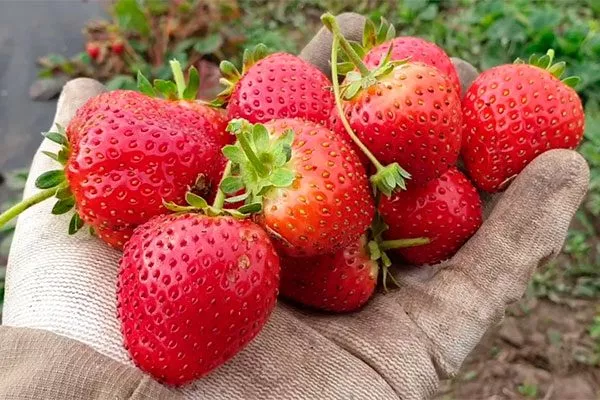
The appearance of the bush, fruits, and taste of berries
Vivara bushes are considered compact and medium-sized. They produce fairly long flower stalks and serrated dark green leaves. The berries have the following characteristics:
- dimensions – There are both large and medium-sized ones, so their weight is 20-40 g, while small fruits are not observed at all;
- form - symmetrical, even, conical;
- coloring – initially light red, but as it develops it becomes darker, the tone is always rich and bright;
- pulp – with a dense but juicy structure, without the feeling of crunch;
- aroma – exceptionally strawberry with strong intensity;
- taste - It's mostly sweet (not cloying, but light), but there's also a slight sourness.
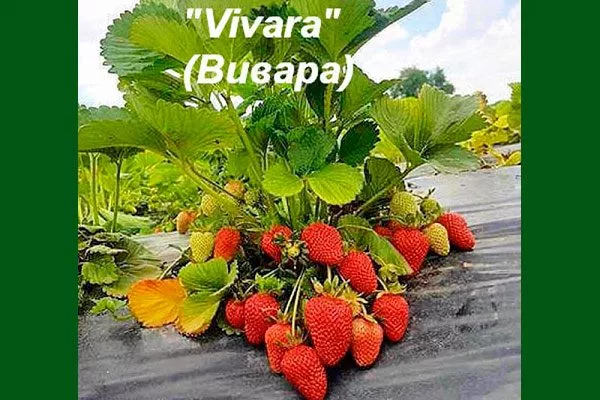
The variety is versatile in use – in addition to eating freshly picked berries, they are used for:
- jam and marmalade;
- juice and fruit drink;
- compote and wine;
- fillings for baked goods;
- creating desserts;
- sauces;
- frosts.

Flowering period, ripening period and yield
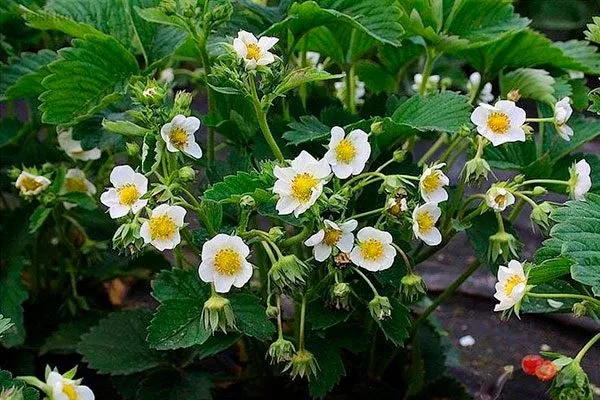
Vivara blooms in late May and continues until mid-October, with the berries ripening as early as June. In the south, this occurs slightly earlier. During this period, a bush can yield 1.5-2 kg of berries. This variety is highly productive, and the first fruits can be seen as early as July after spring planting.
Frost resistance
Vivara strawberries have an incredible ability to adapt to sudden changes in weather conditions. Not only is it resistant to low temperatures, but it can also quickly establish itself in a new location after planting. Furthermore, the variety copes well with hot climates, maintaining its berries' flavor and appearance.
Resistance to diseases and pests
It is resistant to the most common diseases affecting this crop. Specific diseases can be identified by the following signs:
- White or brown spots on leaves indicate leaf spot;
- a snow-white coating on green mass is a sign of powdery mildew;
- Rotting fruit indicates rot.
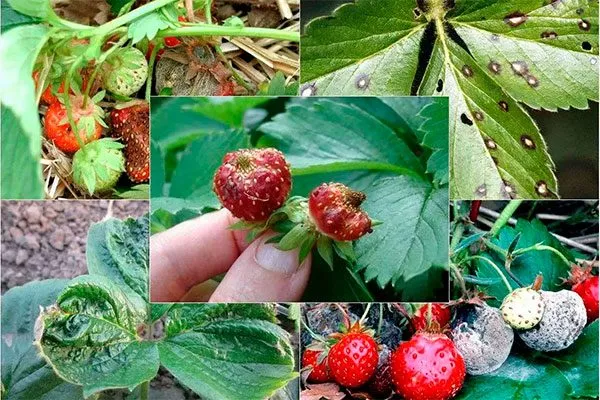
Due to its strong resistance to disease, Vivara strawberries can be grown without the use of chemicals. They are resistant to root rot, anthracnose, and strawberry mites. During periods of rain and cold, the bushes are sprayed with an iodine solution as a preventative measure.
To repel pests, you can sprinkle tobacco dust over the beds. As a preventative measure against parasites and diseases, it is recommended to spray the strawberries and soil with garlic infusion or onion peel decoction. If spots frequently appear on the strawberries, it is necessary to treat them with Fitosporin twice a year.
Pros and cons of the variety
This strawberry variety thrives both outdoors and indoors, such as in greenhouses and nurseries. It also offers a number of other important advantages for professional and home gardeners:
Landing
The variety is resistant to low temperatures and drought, making it an ideal choice for gardeners in a wide variety of climates.
- ✓ Soil pH levels should be strictly in the range of 5.5-6.5 for optimal nutrient absorption.
- ✓ The soil must contain at least 3% organic matter to ensure adequate nutrition.
Conditions
To plant Vivara, choose a sunny, wind-protected location. The soil should be rich in vermicompost, light and well-drained, and have a pH between 5.5 and 6.5, which is neutral or slightly alkaline.
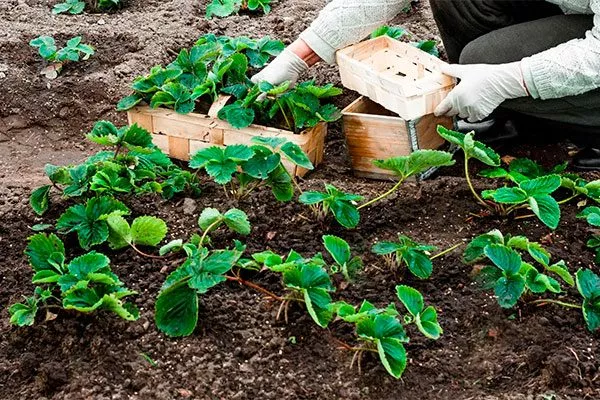
In spring, it is important to prepare for planting:
- The soil is dug up with the addition of organic fertilizers such as compost/humus/manure and wood dust.
- Then the soil is carefully compacted.
- After 3-4 weeks you can plant.
To plant, dig rows and moisten them beforehand. Create holes for the seedlings about 14-17 cm deep, spacing them 30-45 cm apart. Leave a gap of 50-70 cm between rows to ensure each plant has enough space to develop, receive oxygen, and sunlight.
With a closed root system
The method of planting seedlings with the root system and soil is considered the least traumatic and most effective. Seedlings transplanted with a root ball, in which they have already begun to grow, adapt to the new location more quickly and without damaging the root system.
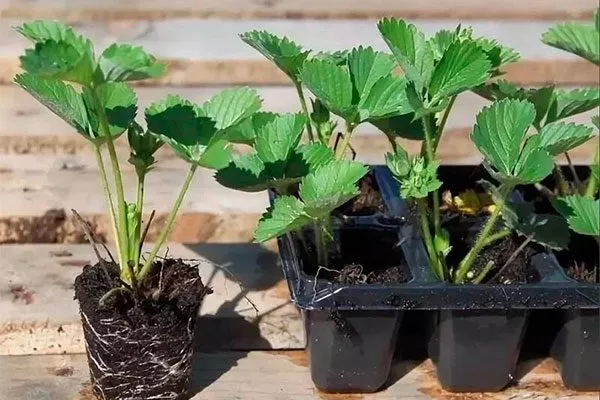
How to plant:
- Remove mature seedlings from the container.
- Transfer it along with the lump of soil to the hole already prepared for planting.
- Fill the resulting void with substrate up to the level of the root collar.
- Firm the soil around the planting to remove air bubbles from the root system.
- Water generously with warm, settled water, 1.2-1.6 liters per seedling.
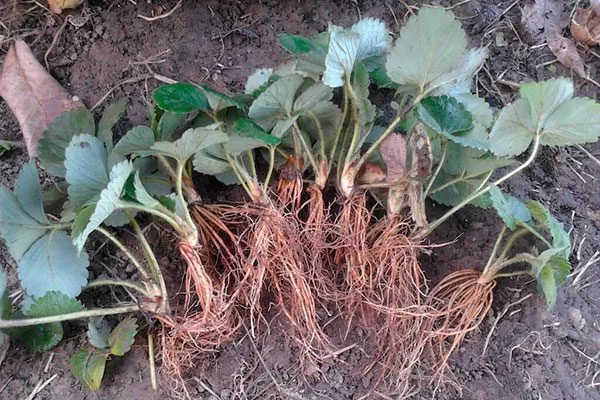
With open horses
Typically, when planting seedlings with open roots, gardeners leave the roots exposed—placing them at the bottom of a dug hole and covering them with soil. This leads to twisting and damage to the root system, which adversely affects survival. A safer and less traumatic method for planting seedlings with open roots is to form an earthen body:
- Prepare the site and recess using the method described above.
- Take some soil from the garden bed in your palms (you can use a nutritious peat substrate), connect it with the roots of the seedling and gently press down until a body is formed.
- Place the seedlings so that the roots lie on the soil mixture and the root collar is above its edge.
- Carefully spread the roots, covering them with another layer, forming a protective cocoon around the root shoots. The soil should be moist to better cover the roots.
- Then place the plant with the earth body in the hole, fill with substrate up to the level of the root collar, compact and water generously.
Care
To obtain abundant harvests, it is necessary to strictly follow agricultural recommendations and consider a number of important aspects:
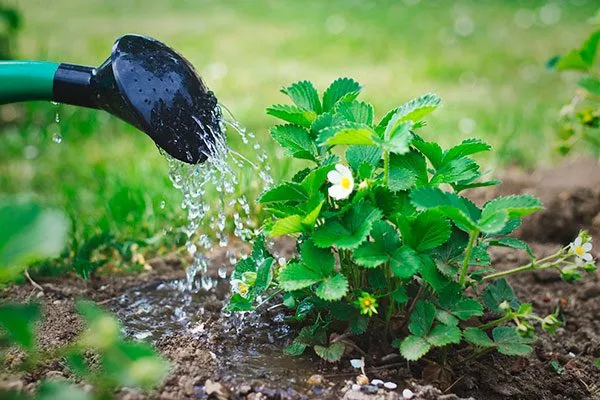
- Moisturizing. Before flowering, the plant should be watered using a sprinkler. During other periods, water directly at the roots, avoiding the leaf area. When flowering and fruiting begin, the plant requires 7-10 liters of water per square meter.
Using cold water is not recommended, as it can disrupt the growing process. Drip irrigation is considered the best option for this variety.

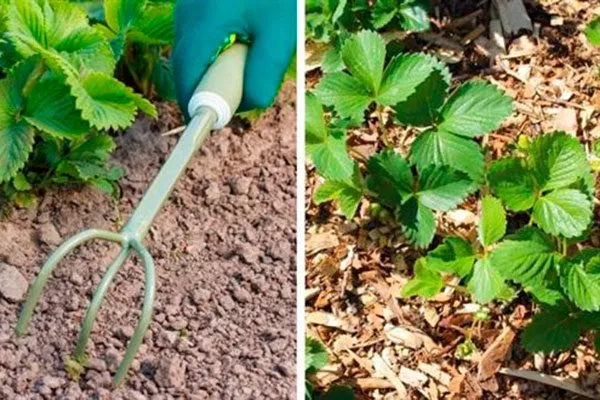
- Loosening and weed control. Regular weeding is essential, removing weeds while they're still young. After weeding, loosen the soil around the bush and mulch it. Loosening the soil ensures oxygen reaches the roots. Mulch with straw or agrofibre.
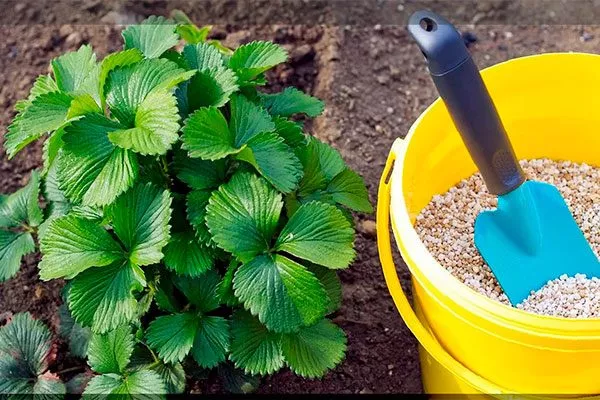
- Nutrition. This variety responds well to organic fertilizers, so it's crucial to properly feed the bushes and use complex mixtures. Fertilizers for berry crops are essential. The main requirement is to carefully read the instructions and follow their recommendations to avoid burning. The mullein infusion is made at a ratio of 1:10, and the bird droppings infusion is made at a ratio of 1:20.
Organic fertilizer is applied to the root system at a rate of 500 ml per bush, at least twice a season. In early autumn, it is recommended to add nitroammophoska (NAP) at a rate of 1 tablespoon per 9-10 liters of water. Spraying with boric acid is done during periods when fruiting is not occurring, usually in the morning or evening. The solution is prepared at a ratio of 2.5 g of acid per 5 liters of water.
Reproduction
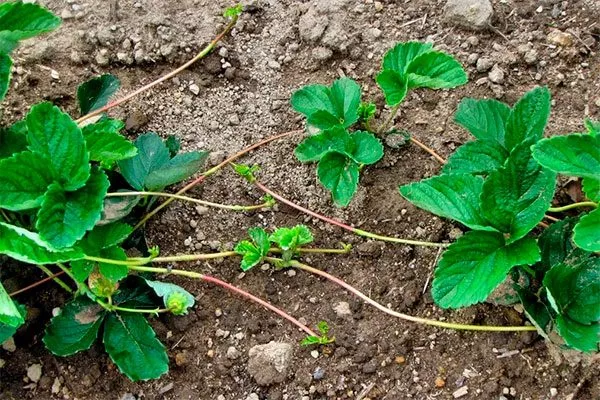
Vivara is propagated through nodes. To do this, remove flower stalks from selected shoots, which stimulates the formation of new nodes. To obtain seedlings with protected root systems, it is preferable to root the nodes in plastic containers. It is optimal to preserve the first nodes growing on the mother plant, as they have the greatest viability.
Preparing for winter
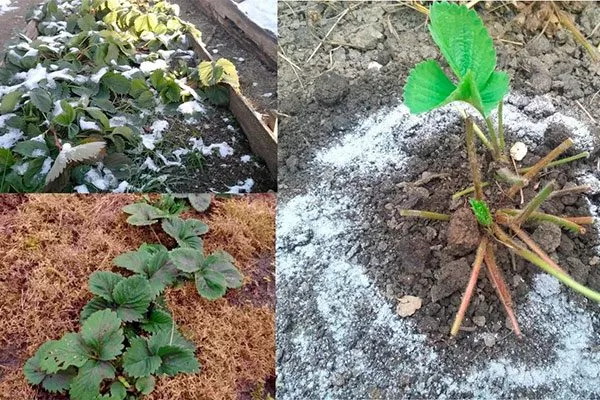
Although this strawberry variety was bred in a climate with mild winters, it is highly frost-resistant. The bush can easily survive even harsh winters, as long as the snow cover is sufficiently deep. However, if snowfall is low or the weather is unstable, it's worth taking precautions and protecting the bushes from the cold by covering them with spunbond.
Gardeners' reviews of Vivara strawberries
The Vivara variety is an excellent commercial strawberry. It attracts Russian gardeners not only for its large fruits and high yield, but also for its winter hardiness, transportability, and shelf life. Growing this variety doesn't require complex procedures—basic agricultural practices are sufficient.