
Growing strawberries requires careful site selection and soil preparation. Strawberries, being a demanding crop, require specific conditions for full growth and high yields. One of the key factors for success is choosing the right soil with the right pH and texture.
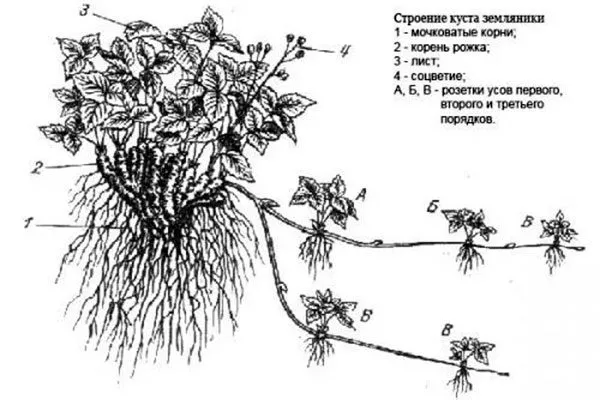
Features of the strawberry root system
Strawberry roots are located close to the soil surface, they penetrate shallowly (no deeper than 30-40 cm), and have poor tolerance to excess moisture. The topsoil plays a key role – it should be:
- light;
- well-ventilated;
- rich in useful nutrients.

These berries are very sensitive to prolonged exposure to water. Even brief flooding can cause root rot and plant death. Good drainage and even moisture distribution are essential.
Other features of strawberry roots:
- The root system actively consumes soil resources, quickly depleting nutrients, especially if the crop is grown in the same area for a long time. Regular fertilizing or topsoil replacement is necessary to maintain fertility.
- Particular attention should be paid to crops grown in greenhouses or intensive cultivation systems. Here, it's crucial to maintain a stable substrate composition and regulate the acidity and salt levels.
Basic soil requirements for strawberry seedlings
The ideal pH for strawberries is considered neutral. This soil absorbs fertilizers better and helps prevent micronutrient deficiencies. There are also other requirements:
- Looseness and water permeability. Dense clay soils have a negative impact on the root system, preventing air access and promoting waterlogging.
- Organic matter. Humus-rich soil improves structure, increases water retention, and enriches plants with organic compounds. Compost, humus, and peat can significantly improve the properties of poor soils.
- Provision of minerals. Strawberries require potassium, phosphorus, and nitrogen for normal growth and fruiting. A deficiency in any one element leads to slower development and a reduction in the quantity and quality of berries.
- Good drainage. Strawberries are often planted in raised beds or ridges to prevent excess moisture from accumulating.
Optimum soil acidity
Most cultivated plants prefer to grow in soil with an average reaction (pH 6.0–7.0), since it is in this range that nutrients become maximally available for absorption by plants.
What is soil pH?
Soil pH is a measure of its acidity or alkalinity. It is measured on a scale from 0 to 14, where the values are:
- below 7 indicates an acidic reaction;
- above 7 indicates an alkaline reaction;
- exactly 7 corresponds to the neutral level.

How to determine the soil acidity level?
There are several ways to determine the soil acidity level (pH):
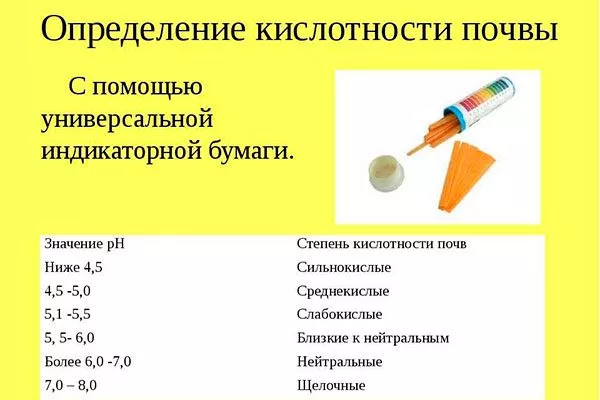
- Using litmus paper or special indicator strips. This is a simple and quick method. You need:
- Take a soil sample and mix it with distilled water.
- Place the indicator strip into the solution.
- After some time, compare the resulting shade with the color chart on the packaging.
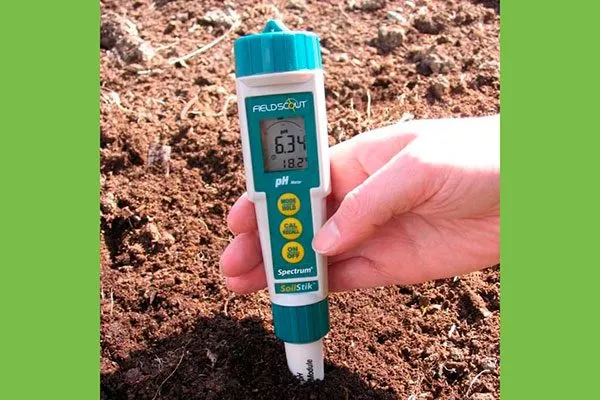
- Using a special device – a pH meter. The accuracy of measurements is usually higher than that of paper-based tests. The instructions are as follows:
- Moisten the area of soil with clean water.
- Immerse the device electrode in moistened soil and wait until the readings stabilize.
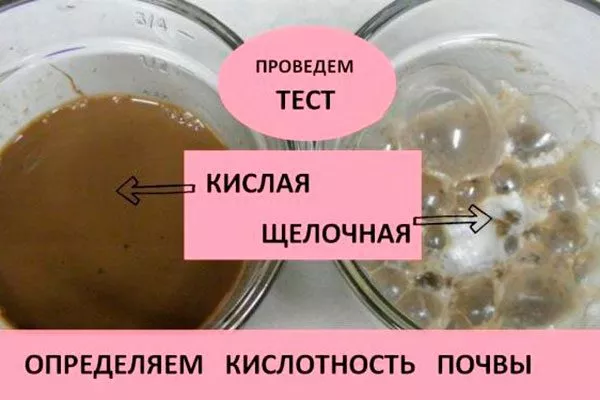
- Home tests using vinegar and baking soda. Simple folk methods allow you to roughly estimate the acidity level:
- If you notice hissing and bubbling when watering with vinegar, it means the soil is alkaline.
- If the reaction is noticeable when mixed with soda, then the soil is acidic.
- Chemical analysis in the laboratory. The most accurate option is to submit soil samples to a specialized lab. They will conduct a detailed analysis, provide accurate pH readings, and give specific recommendations for improving the soil's condition.
What pH values are best for strawberries?
The optimal soil pH for strawberries ranges from 5.8 to 6. This near-neutral pH creates the best conditions for nutrient absorption and active plant growth.
Methods for regulating soil acidity
You can regulate the soil acidity level for strawberries in the following ways:
- Liming. It is used to reduce soil acidity (increase pH). The most common lime materials include:
- slaked lime;
- dolomite flour;
- chalk;
- bone meal.
- slaked lime;
- Acid-forming additives. If the soil is too alkaline (high pH), acids or special compounds are used to increase acidity:
- ammonium sulfate (ammonium sulfate);
- organic matter (peat, compost, coniferous litter);
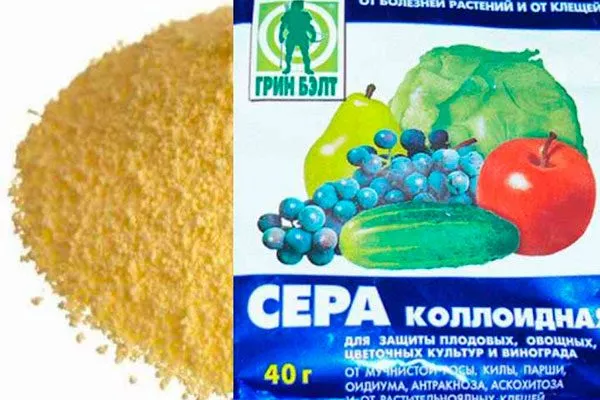
- colloidal sulfur;
- elemental sulfur-containing preparation (eg ground sulfur).
- ammonium sulfate (ammonium sulfate);


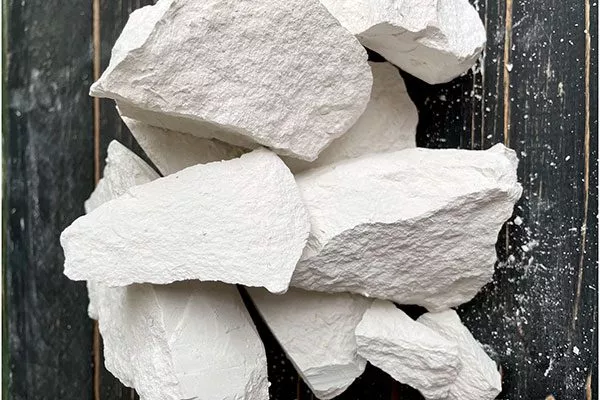
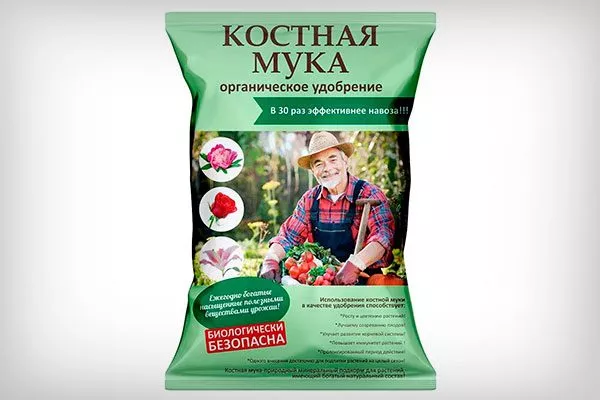
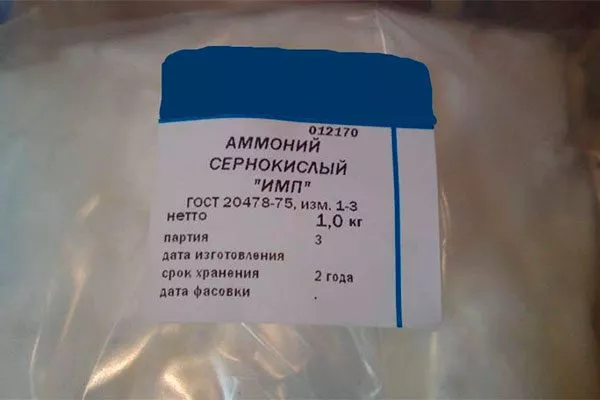
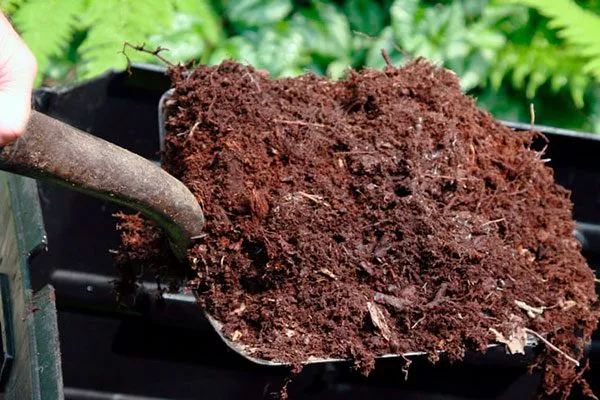

Compost, rotted manure, leaf mold, and other organic materials improve soil structure and gradually reduce acidity, bringing it closer to the optimal levels for strawberries.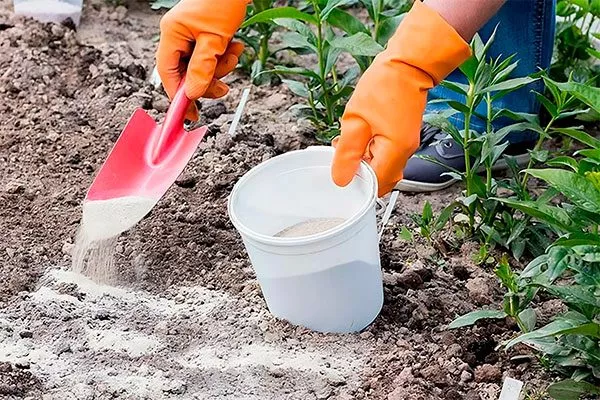
The influence of soil structure on strawberry growth
Soil structure directly influences the growth and development of strawberries. The main factors determining soil suitability for this crop are density, porosity, and water and air permeability.
Soil types and their characteristics
Strawberries grow best in light, sandy or loamy soils with good drainage. Proper soil structure will ensure healthy root growth, prevent disease, and improve overall crop productivity.
Sandy soils
Light, free-flowing, they warm up well in spring, but they tend to dry out quickly and are depleted of nutrients.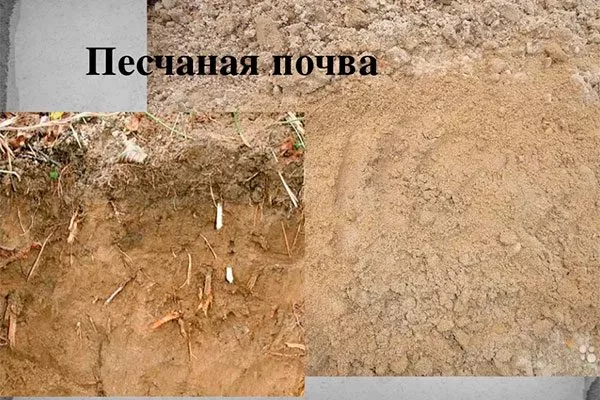
Sandy loam soils
Heavier than sandy soils, they contain some clay and provide better moisture and nutrient retention.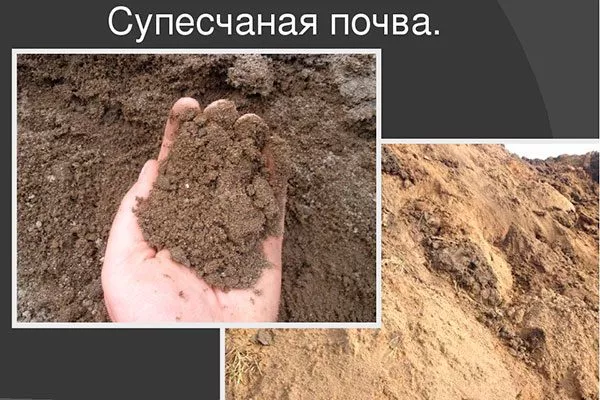
Clay soils
Dense, heavy, warms up slowly, retains moisture for a long time, is rich in minerals, but requires improvement of the structure.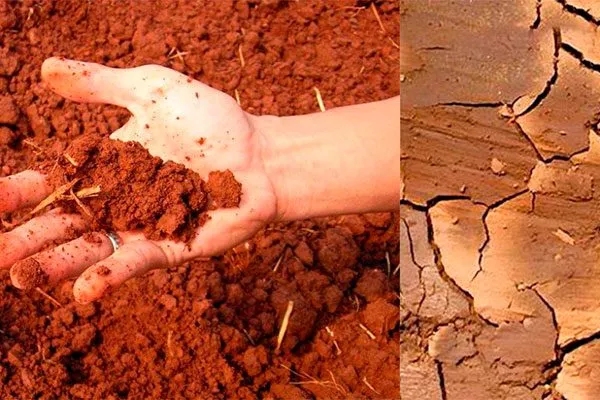
Peat soils
Poor in minerals, characterized by high acidity, light structure, and good moisture permeability.
Chernozems
Very fertile, containing a lot of humus, distinguished by a high content of nitrogen and potassium, ideal for strawberries.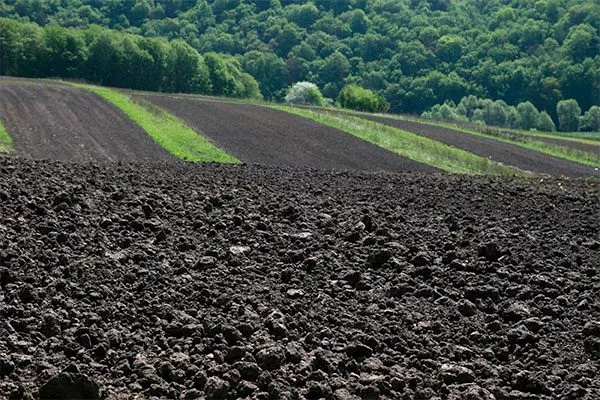
Ideal soil composition for strawberries
Professional agronomists recommend a special soil composition for growing strawberries. The mixture consists of the following components:
- Peat (40%) – adds looseness and regulates acidity.
- Humus (30%) – serves as the main source of nutrients.
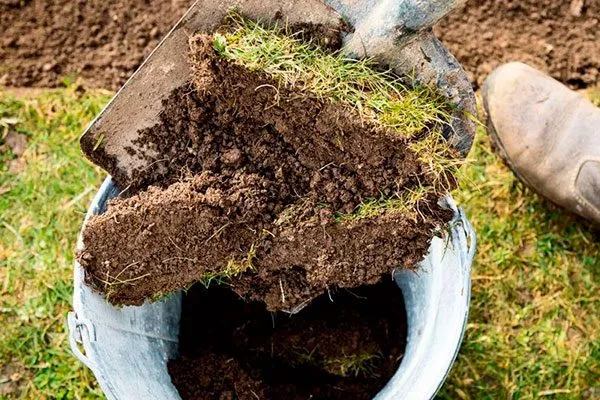
- Turf soil (20%) – forms a strong soil structure.
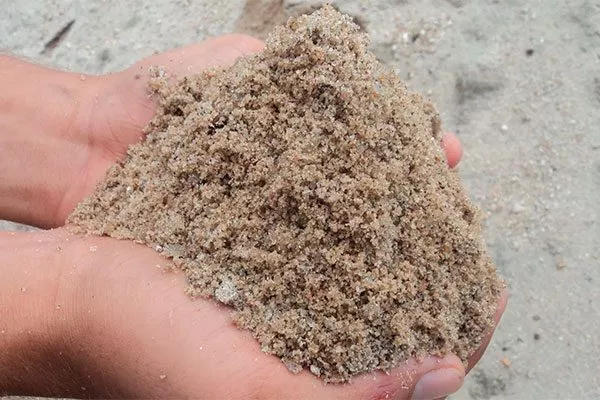
- River sand (10%) – improves drainage and prevents moisture stagnation.
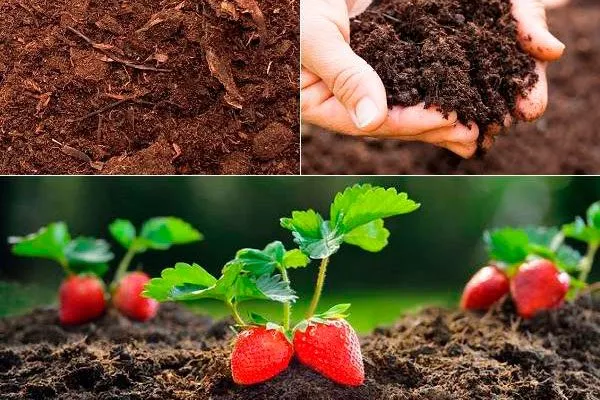
This combination of components ensures excellent air permeability and optimal water supply. Pay particular attention to the quality of the materials used: the peat should be fully decomposed, the humus should be well-rotted, and the sand should be clean and washed.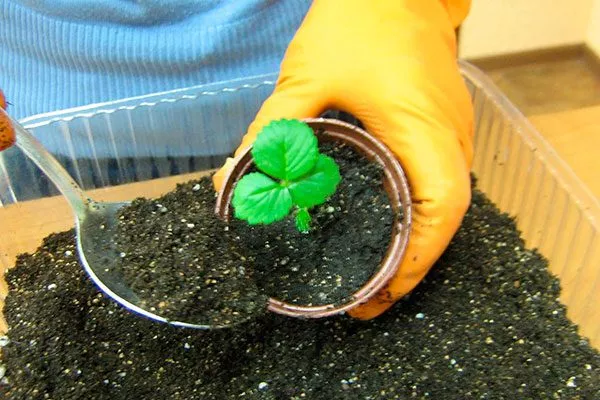
Alternative substrate options
When creating the optimal soil for strawberries, it's important to consider the differences in growing conditions and goals. We offer several proven soil mix recipes that will help you achieve excellent results no matter the circumstances.
For open ground
This mixture is suitable for both spring and autumn planting of strawberries and provides good conditions for plant development:
- 2 parts of turf soil;
- 1 part humus;
- 1 part peat;
- 1 part sand or vermiculite.
For greenhouses and containers
This lightweight mixture is ideal for use with automatic irrigation systems and allows you to control the nutrient intake of your plants:
- 1 part coconut substrate (maintains an optimal level of humidity and serves as a basis for the formation of active microflora);
- 1 part vermiculite (improves air exchange and protects roots from damage);
- 1 part compost (provides valuable organic matter and promotes root system development).
To improve the existing soil on the site
This recipe will help enrich and improve natural soils, especially if they are not fertile enough or have high acidity:
- 1 part peat;
- 1 part sand;
- 1 part humus.
For temporary plantings
If you plan to temporarily place plants in containers or mobile structures, bags, or boxes, a light mixture will do:
- 2 parts universal soil for seedlings – will provide the base and initial nutrition.
- 1 part coconut fiber – stabilizes the structure and retains moisture.
- 1 part perlite – improves drainage and aeration.
Recommendations for improving soil structure
Proper soil structure is key to successful strawberry cultivation. Well-prepared soil promotes vigorous plant growth, increased yield, and healthier bushes. Let's look at the key steps to improve soil:
- Before beginning any work, remove all large stones, perennial weed roots, and residue from previous crops. A clean area will facilitate subsequent soil cultivation.
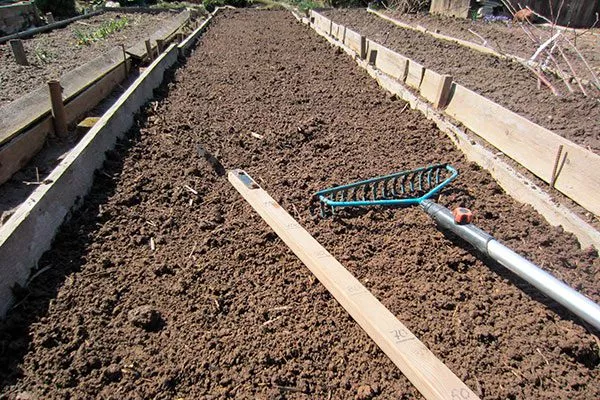
- In the fall, dig the soil deeply, breaking up large clods. Repeat the process in the spring, further loosening the top layer with a rake or special tools.
- If the soil is heavy and clayey, add sand and peat.
- It's best to plant strawberries on raised beds or ridges. This ensures better drainage, reduces the risk of overwatering, and protects the roots from fungal infections.
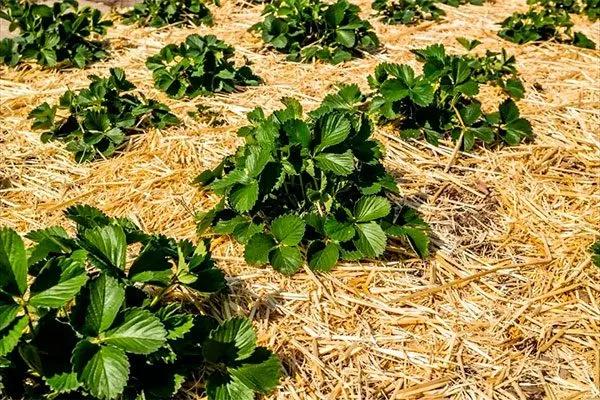
- Covering the soil with organic mulch (straw, shredded bark, leaves) reduces moisture evaporation, prevents weed growth, and maintains a constant temperature. It also improves the structure of the upper layers.
- The use of biopreparations containing bacteria and fungi improves the soil microflora and enhances the decomposition processes of organic matter.
Step-by-step instructions for soil preparation
The process begins with carefully preparing each component, following a specific order. Follow the step-by-step instructions for best results.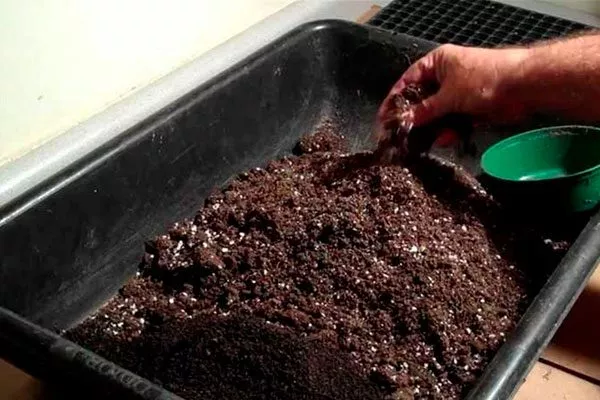
Checking and preparing components
Gather all the necessary ingredients and carefully evaluate their quality. You will need:
- peat (well decomposed, preferably high-moor);
- humus (rotted, cleared of foreign objects);
- turf soil (crushed, freed from grass residues and pebbles);
- river sand.
Pre-treatment of components
Each component undergoes special processing before being combined into a single mixture:
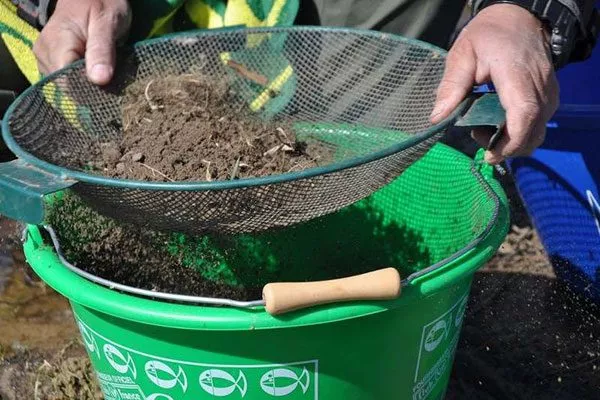
- Sift the peat through a fine-mesh sieve, removing large particles and twigs.
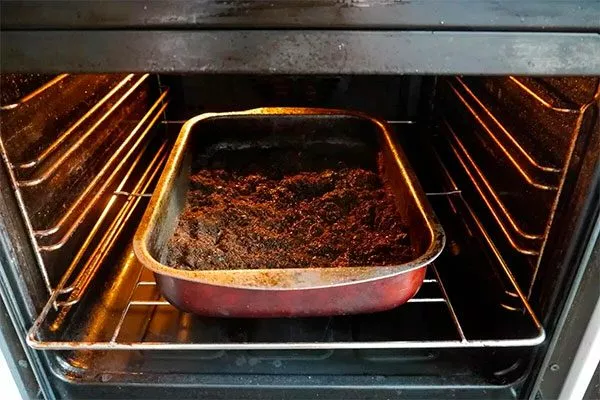
- Heat the humus in the oven at a temperature of about +100°C to destroy fungal spores, pathogens and weed seeds.
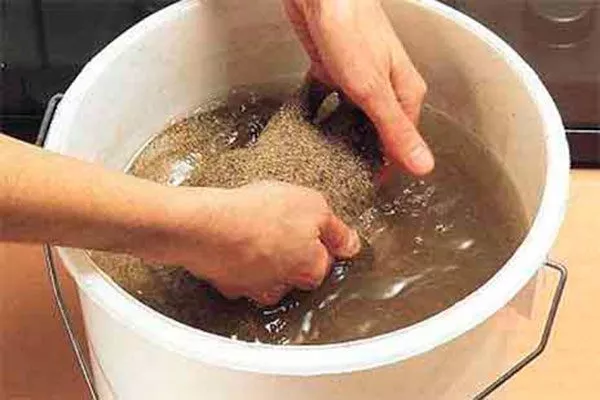
- Rinse the river sand using clean running water until the water runs clear.
Substrate preparation
Once all the components are ready, we begin preparing the soil mixture itself:
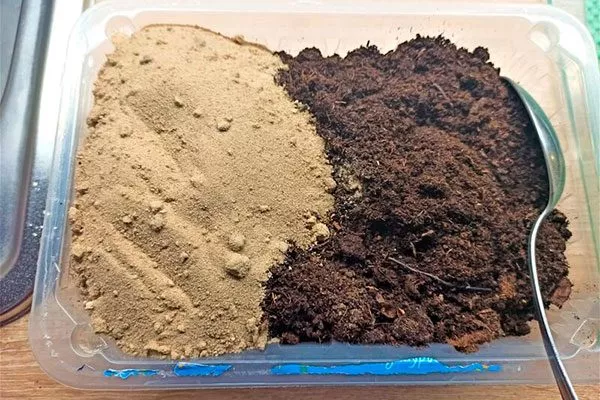
- Take equal amounts of peat and humus and carefully mix them together until smooth.
- Add the turf soil in small portions, making sure that the mass remains loose and does not form dense lumps.
- Add the previously prepared river sand and mix everything thoroughly again with a shovel or pitchfork.
Disinfection and soil rest
Now the prepared mixture must be disinfected to prevent possible infections and diseases:
- Fill the soil with a weak solution of potassium permanganate (manganese) at a rate of approximately 1 g of the preparation per 1 liter of water.
- Stir again to ensure the product evenly saturates the entire volume.
- Cover the containers with a lid or film and leave for at least a week to complete the maturation process and eliminate the risk of infection of young plants.
Storage and use
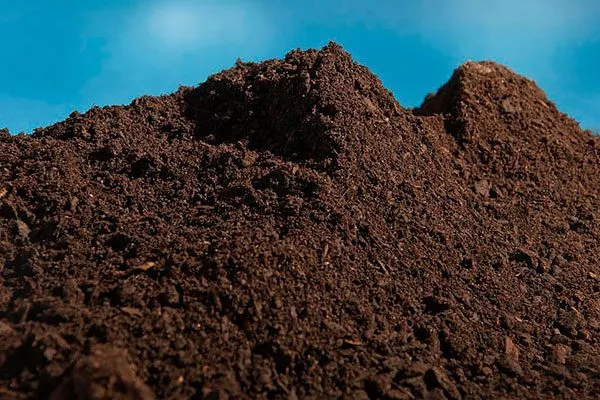
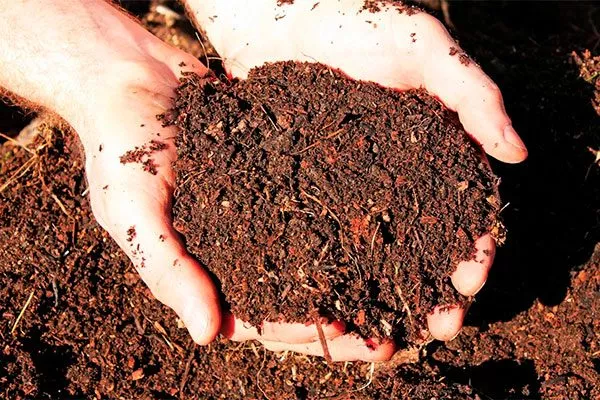
The resulting soil mixture should be uniform, soft, loose, and pleasant to the touch. Before sowing the seedlings, be sure the soil temperature is between 1 and 20 degrees Celsius. Keep the container with the prepared soil closed, protected from direct sunlight and adverse weather conditions.
Rules for the introduction of organic and mineral substances
Strawberries are a demanding crop that requires balanced nutrition. To achieve maximum yield and improve the quality of the berries, proper application of organic and mineral fertilizers is essential. Follow these simple rules to ensure the success of your business.
Organic fertilizers
Organic matter is the foundation of long-term soil fertility. Its main benefit is the gradual release of nutrients and improved soil structure.
Main types:
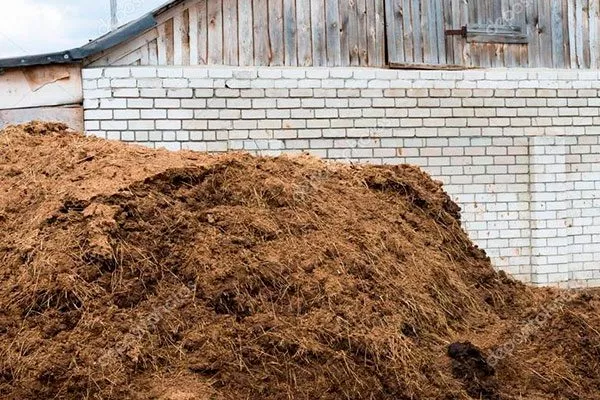
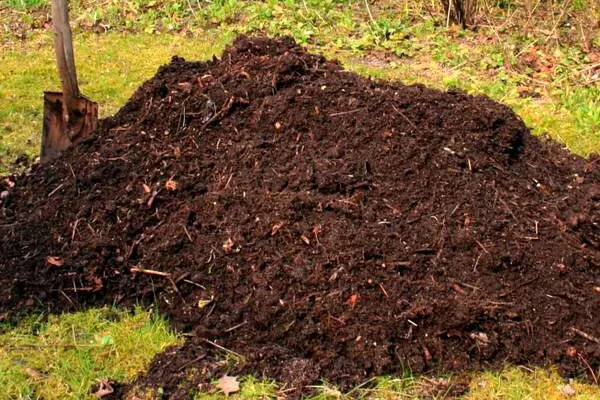
- Manure (horse, cow, bird droppings) is a source of phosphorus, potassium and calcium.
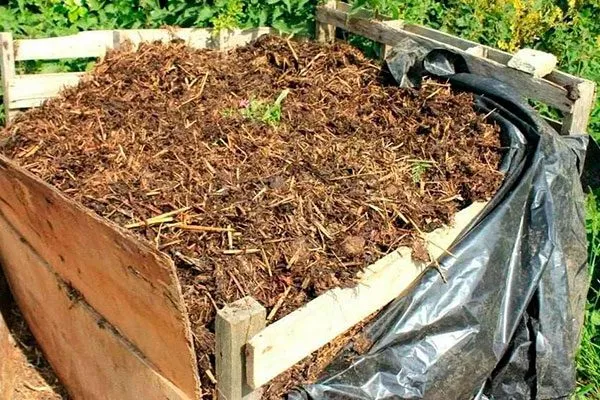
- Compost is a universal fertilizer containing a full range of microelements.
- Peat – improves soil structure, increases moisture capacity.
- Humus is a source of humus and improves fertility.

Rules of use:
- Fresh manure and litter should not be used fresh, as this can damage plant roots. Use only rotted or composted manure.
- Consumption: apply 2.5-3 kg per 1 sq. m in the fall before digging.
- For commercial organic solutions, strictly adhere to the dosages specified by the manufacturer.
Mineral fertilizers
Minerals act faster, delivering essential elements more precisely. But remember: too much fertilizer is harmful.
Types:
- Ammonium nitrate is a nitrogen fertilizer that stimulates active growth of green mass.
- Superphosphate is the most important means of supplying phosphorus.
- Potassium sulfate is necessary for strengthening stems and increasing the size of berries.
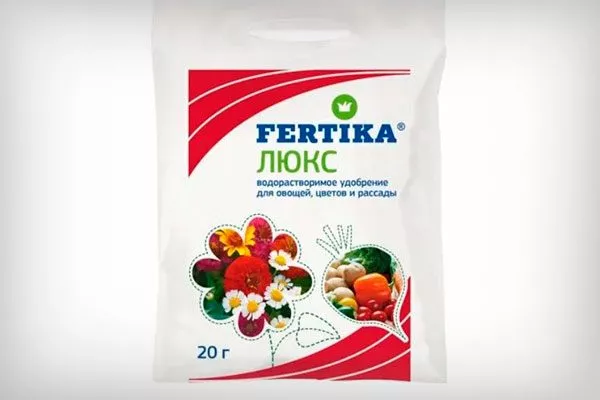
- Complex preparations (Fertika, etc.) contain the entire spectrum of necessary elements in the correct proportions.



Submission deadlines:
- Early spring: nitrogen to stimulate growth.
- During budding: complexes with increased phosphorus and potassium content.
- Immediately after harvest: re-fertilize with nitrogen and phosphorus to restore plant strength.
Care tips:
- Always consider weather conditions and plant condition when choosing the dose and frequency of fertilizer application.
- Combine organic and mineral fertilizers, alternating the periods of their application.
- Be sure to moisten the soil before applying dry fertilizers to prevent root burn.
Features of soil care after planting strawberries
Soil care after planting strawberry bushes is crucial for the development of strong plants and a consistently high yield. There are a number of specific considerations that should be taken into account:
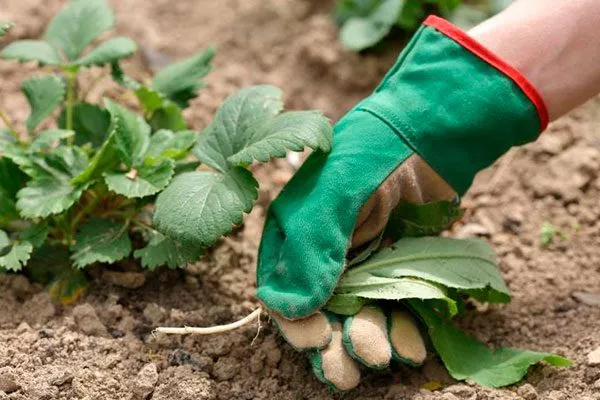
- Timely removal of weeds. Weeds compete with strawberries for light, moisture, and nutrients. To minimize the negative impact, it's best to remove them by hand immediately after the first shoots appear. The sooner you begin removing them, the less damage they will cause to the plants.
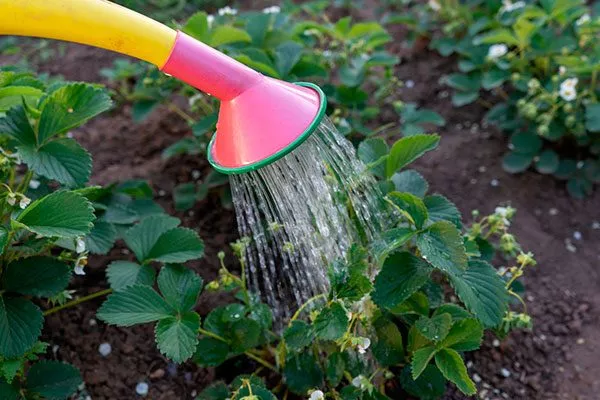
- Regular watering. Strawberries require a lot of water but do not tolerate stagnant water. Regular and moderate watering is recommended (about once a week if there is no rain). After rain or watering, it is helpful to lightly loosen the space between the rows to restore the soil structure and improve oxygen supply to the roots.
- Proper mulching. Use mulch, such as straw, wood chips, or dried leaves, to protect the soil surface from drying out and prevent weed growth. The mulch layer should be approximately 5-8 cm thick. Remember that mulched soil retains moisture longer and stays cooler in the summer.
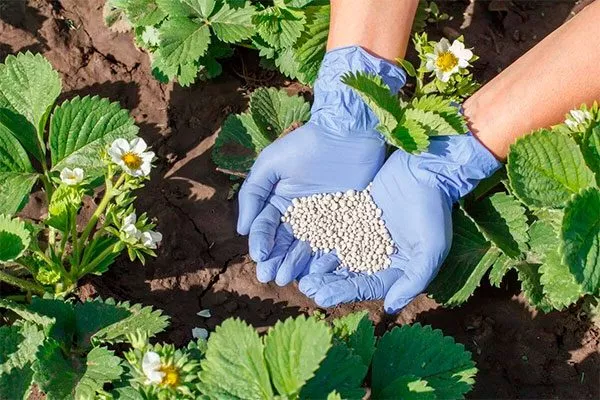
- Fertilization and feeding. As strawberries grow and develop, they require periodic fertilization. Complex mineral and organic fertilizers containing nitrogen, phosphorus, and potassium are particularly beneficial.
It is best to apply a small dose of complex fertilizer in early spring, then repeat feeding two or three times per season, according to the manufacturer's instructions. - Monitoring soil conditions. It's important to regularly assess the soil's condition. For example, check the soil's acidity (pH) annually or every 2-3 years, as strawberries prefer slightly acidic soil (pH 5.5-6.5). Also, regularly monitor the soil's compaction, eliminating any cracks that appear through light tilling.
Typical mistakes and their consequences
Experience shows that many novice gardeners make serious mistakes when preparing soil for strawberries, which subsequently lead to negative consequences. Among the most common mistakes are the following:
- Using ordinary garden soil without prior processing. Garden soil often contains pathogens, pest eggs and weed seeds.
Without prior disinfection and enrichment with nutrients, it can cause the spread of various diseases and insects, inhibit plant growth and poor root development. - Violation of the correct proportions of components in the mixture. Incorrectly selected proportions of organic and mineral components worsen the soil structure, disrupt air exchange and hinder the normal functioning of microorganisms.
Plants have difficulty absorbing nutrients, which leads to stunted growth and reduced yields. - Excessive moisture in the substrate. Overwatering the prepared soil disrupts the moisture-air balance, creating anaerobic conditions conducive to the growth of harmful microorganisms. This can lead to the development of root rot and mold at the root collar.
- Inappropriate soil storage conditions. Incorrect storage conditions for the prepared substrate (insufficient ventilation, high humidity, storage near aggressive materials) lead to deterioration in the quality of the mixture, the appearance of mold and contamination by pathogenic microorganisms.
The consequences of these mistakes are varied: weakened seedlings, slow growth, poor survival, development of infectious diseases, and a lack of vitamins and minerals.
Questions and Answers
To quickly get answers to some questions, please review the information below.
Can I use last year's soil?
Yes, last year's soil can be reused for growing strawberries, but only with strict precautions and careful preparation. The main danger of reusing old soil is the potential presence of fungal spores, insect pest larvae, and pathogens left over from the previous season.
The procedure for preparing last year's soil:
- Calcination of soil. One reliable method of disinfection is heat treatment. The soil is maintained at a temperature of approximately 100 degrees Celsius for one to two hours. You can use an oven or microwave.
- Chemical treatment with fungicides. An alternative sterilization method is treatment with a broad-spectrum fungicide. Products containing active ingredients such as copper, zinc, or trichoderma are thoroughly mixed with the soil. After the recommended exposure time, the soil is considered safe for further use.
How often should the top layer of soil be changed?
Renewing the topsoil plays a crucial role in ensuring healthy growing conditions for strawberries. When it comes to seedlings, the active growth phase, when the plant begins to develop strong roots and aboveground mass, is particularly important.
Why is top layer refresh important?
The top layer (20-25 cm thick) experiences the greatest stress. Salts from watering accumulate there, nutrient concentrations decrease, the soil structure deteriorates, and compacted areas appear. All of this limits the flow of oxygen to the roots and slows nutrient absorption.
How to renew the top layer of soil?
The procedure is quite simple and accessible to every gardener:
- Carefully remove a thin layer of old soil from around the plants, being careful not to touch the roots.
- Fill the vacated space with new substrate that meets the requirements of strawberries (a mixture of peat, humus, turf soil and sand).
- Gently compact the new layer, water it lightly and wait until it settles completely.
What to do if the soil is covered with mold?
The appearance of mold on the soil surface indicates a number of negative factors, such as insufficient drainage, excess moisture, or poor ventilation. The presence of mold is dangerous because it can cause various plant diseases, weaken the plant's immunity, and even lead to the complete loss of strawberries.
A detailed course of action if a problem with mold on the ground arises:
- Immediate removal of the affected layer. The first step should be to carefully remove the infected top 12 cm of soil.
Be careful not to damage the plant's root system. Immediately dispose of the removed soil away from the growing area to prevent the spread of fungus. - Treatment of soil with antifungal preparations. After removing the damaged layer, carry out additional treatment of the remaining soil with a special fungicide designed to combat fungal infections.
The product is diluted according to the instructions and applied to the soil surface using a spray bottle. This will stop further mold growth and protect plants from potential damage. - Improved ventilation and reduced humidity. Check the plant's growing conditions. Increase air circulation by opening windows, installing fans, or moving the containers closer to a window.
Review your watering schedule: reduce the frequency of watering and reduce the volume of water to reduce the likelihood of excess moisture accumulation. - Adding fresh soil. A few days after treatment, you can add a fresh layer of sterile soil over the treated area. This will restore the lost fertile soil layer and improve soil aeration.
Proper soil selection and preparation are crucial for growing strong and healthy strawberries. Soil quality determines the future viability of plants, disease resistance, and yield potential. But good soil is only one side of the coin. Success also depends on proper sowing techniques, sound care, and disease and pest prevention.