
Strawberries (garden strawberries) require proper and regular care to ensure a superb harvest. However, over time, the berries become smaller, lose flavor, and spoil. To prevent this, the plant's bushes need to be renewed. Read more about this procedure in our article.
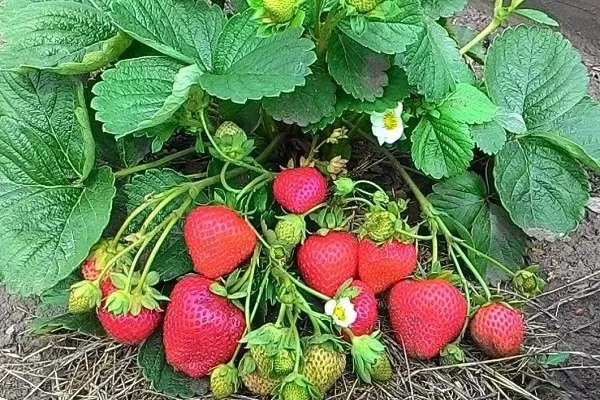
How often do strawberries "age" and when should the bushes be renewed?
Garden strawberries are a very demanding crop. Their peak yield occurs two to three years after planting. Then, if left alone, they begin to age—fruit production declines, and the berries become smaller and less flavorful year after year.
To maintain high yields, strawberry bushes need to be replanted to a new location every 3-5 years, depending on the variety.
In the reality of a small garden plot, a complete replanting is often impossible. In this case, it's necessary to partially replant the plants each year, using runners from the strongest and most flavorful bushes for rejuvenation. It's recommended to remove frail and unhealthy bushes from the garden bed to free up space.
It is preferable to transplant at the end of August or September so that the runners have time to take root before the winter cold sets in.
How can you tell if strawberries are "old"?
To understand when your plants need repotting or rejuvenation, you need to pay attention to the following factors:
- presence of diseases or pests;
- berry size;
- signs of aging bushes.
Old plants differ from young ones by the presence of a short thick stem, a large number of leaves and several growth points.
Garden strawberries have their own life cycle:
- In the first year After planting, the bush grows green mass and produces strong shoots—runners. However, it produces few berries.
- In the second and third years This is the peak of fruiting. The berries are large, sweet, and plentiful.
- From the third and fourth years The bush begins to degenerate, aging naturally, and wilting. Fruit production declines sharply. Such strawberries need to be replaced.
The berries have become small
Small berries appear on the bushes for three reasons:
- Plant aging. In this case, the fruits become smaller with each new season.
- Incorrectly chosen landing site. Strawberries prefer level, sunny sites with loose, well-fertilized soil. In northern areas and shaded areas, you won't get large berries on your bushes.
- Predecessor plants in a given soil area. Don't expect a bountiful harvest when planting strawberries in the same area as potatoes, tomatoes, cucumbers, and other nightshades. It's recommended to transplant strawberries to the garden bed after various greens, lettuce, carrots, onions, and garlic.
Strawberry diseases
As strawberries age, they become more susceptible to various diseases and pests. The older the bush, the more attention should be paid to prevention.
The most common diseases of garden strawberries are the following:
- powdery mildew;
- white and gray rot;
- root rot;
- brown and white spot, etc.
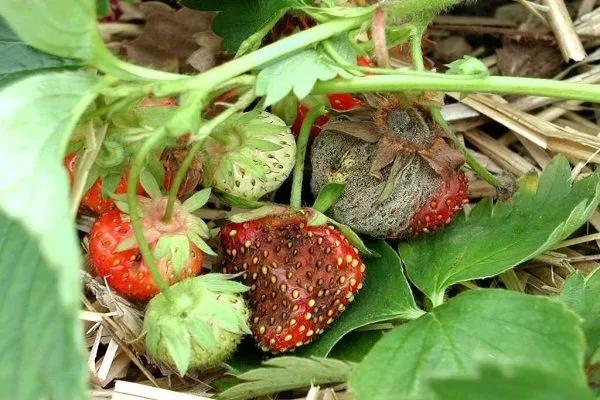
You can tell if your strawberries are sick by a number of signs:
- rotten or dried berries appeared;
- a white coating has formed on the fruits;
- the bush turned yellow;
- spots appeared on the leaves (white or brown).
To combat infections and pests, bushes should be sprayed with special solutions at the first sign of disease. If spraying is ineffective or if too many plants are affected, they should be removed from the garden bed and burned.
Diseased plants should not be thrown into compost, as infections from them can infect other crops in the future.
To prevent diseases, it is recommended to regularly thin out plants and care for them properly.
Rejuvenation procedure for old strawberries
If your garden plot allows, it's best to replant strawberries every 3-5 years, using young, strong shoots. Renewing old bushes is a smart move in a small plot.
There are several ways to rejuvenate bushes:
- pruning plant leaves;
- transplantation of young tendrils;
- removal of dry roots.
Strawberry pruning This is done twice a year. In the spring, dry leaves and shoots that didn't survive the winter are trimmed off, thus making room for new growth.
After fruiting has finished (in August-September), some gardeners trim the strawberry foliage generously with pruning shears, leaving the core intact. The cut areas are dusted with ash and covered with straw or pine needles.
Rejuvenation of a bush by transplanting tendrils A fairly popular method. It is carried out in April or August. It involves:
- Old and unproductive bushes are removed from the garden bed.
- The soil is loosened and fertilized.
- Strong young whiskers with roots are selected.
- They are planted in place of the previous bushes.
- ✓ Shoots must have at least 3 healthy leaves.
- ✓ The root system of the shoot should be developed, with white roots.
- ✓ Select shoots only from bushes that have demonstrated high yield and disease resistance.
Removing old roots
It is better to carry out such renewal in September-October so that the sprouts have time to get stronger before wintering.
For this procedure, the old bush is dug up with its roots, then inspected and all dry and dark roots are cut off with scissors or pruning shears, leaving only fresh young roots. After this, the rejuvenated the bush is planted back to the garden bed and move on to the next plant.
After rejuvenation of the root system, the plant is regularly watered until the first cold weather and cover for the winter with straw or pine needles.
You can learn how to rejuvenate old strawberries in this video:
Transplanting old strawberries
It's best not to transplant strawberry bushes older than 4-5 years. They won't produce a good harvest. However, you can take strong young shoots from them for planting.
In spring, the first ten days of April are a good time for replanting. During this period, the strawberry plant and root system are actively growing. The procedure will be safe for the plant if completed before the berries bloom.
If replanted in spring, the berries will only produce a full harvest next year.
The best time to replant berry beds is autumn. Thanks to the rainfall, plant maintenance is minimal. The soil moisture at this time is sufficient to meet the needs of the young plants.
Advantages of replanting a plant in autumn:
- the ability to adapt to the first winter;
- getting the first harvest already in the spring, with the arrival of warm weather.
The first harvest will not be very abundant, but the berries will be good.
For information on rejuvenating strawberries during transplantation, see here:
How to choose a new location?
To ensure a bountiful strawberry harvest, you need to choose the right location. Key considerations when choosing a site:
- illumination - sunny, well-lit areas are preferred;
- soil - light, loose, with low acidity;
- humidity - the soil should not dry out and water should not stagnate.
- ✓ Soil pH should be between 5.5-6.5.
- ✓ The soil should be enriched with organic fertilizers 2-3 weeks before planting.
- ✓ The soil must have good drainage capacity.
Before planting, thoroughly fertilize the soil to provide the plant with the necessary micronutrients for several seasons. Dig the beds with fertilizer such as chicken manure, humus, or well-rotted compost.
Garden strawberries are a demanding berry that requires careful care and considerable labor. Timely thinning, pruning, and replanting will ensure a bountiful harvest of large, sweet strawberries for years to come.
Thanks for the helpful article! I'll try to clean out my strawberry patch using this method and rejuvenate the old bushes. It's interesting, I've seen advice on completely rejuvenating old strawberry bushes, where buds have already sprouted high above the ground on dry stems and stumps. They advised cutting these bushes back to ground level (or even going over the bed with a hoe, cutting off all the strawberries). They say that if you cut off the green rosettes from such a bush, dormant buds on the remaining root will awaken, and the bushes will be rejuvenated. But for some reason I'm hesitant to try such pruning. I wonder if old strawberries really do have these dormant buds or not?