
Strawberry varieties without runners have become a real find for gardeners who value neat beds and minimal labor. The lack of runners eliminates the need for constant pruning and thinning, allowing the plant to focus its energy on producing large, tasty berries. These varieties are easy to propagate, quickly establish themselves, and consistently produce fruit in the same location for several years.
Benefits of Strawberries
Strawberry without whiskers, which is becoming increasingly popular, is characterized by a number of undeniable advantages, first of all, it significantly simplifies care and saves space.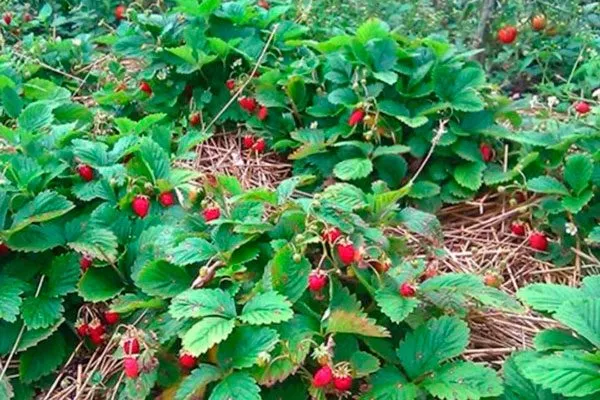
Disadvantages of runnerless strawberries
Despite its many advantages, the runnerless strawberry is not without its negative qualities, which should be taken into account when choosing this variety for cultivation.
Small-fruited strawberry varieties
Small-fruited strawberries have a distinctive flavor and aroma, and their varieties offer a surprising variety of berry shapes and colors. Among them, you can find varieties suitable for fresh consumption, freezing, or decorating garden beds.
Rhine Waltz
This semi-spreading variety has a moderate growth rate. The bush can reach a height of up to 20 cm. This variety is valued for its long fruiting period and the versatility of its berries.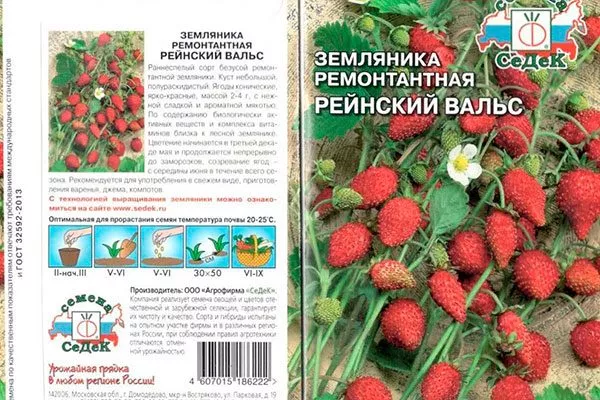
Distinguishing features:
- The berries weigh between 2 and 4 grams each. They are conical in shape and bright red. They have a distinct strawberry aroma, making this variety distinctive and easily recognizable. The flesh is very tender, providing a pleasant taste.
- The berries are ideal for processing, such as making juice, jam, or preserves. They are also eaten fresh, making an excellent dessert or breakfast addition.
- This variety is mid-early in season. Flowering begins in the third ten days of May and continues uninterrupted until frost.
- Fruiting occurs from mid-June until the end of the season, which ensures a stable harvest over a long period of time.
Rügen
Forms compact bushes with medium-sized leaves. Rügen quickly establishes itself after planting and begins to bear fruit.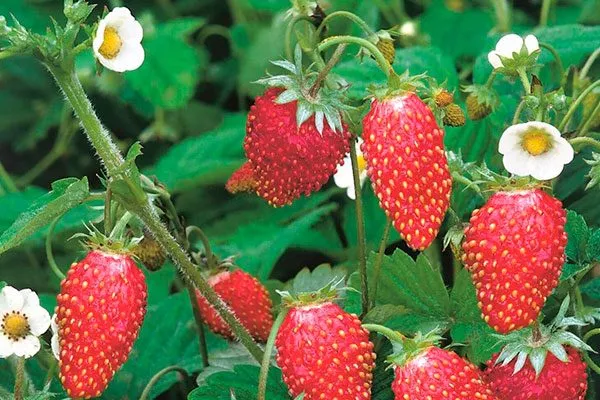
Botanical description:
- The berries are firm, deep red with yellow seeds, weighing up to 5 g. They have a pleasant aroma and a slight tartness. They are ideal for processing into preserves, jams, compotes, desserts, and freezing.
- Flowering begins in late spring (May-June), and fruiting lasts from mid-June until the first frost, reaching its peak in mid-summer.
- It is famous for its high yield (up to 1 kg per bush) and frost resistance, and is valued by gardeners for its unpretentiousness and the ability to grow in almost any soil.
Despite high immunity, plants can be susceptible to rot and spotting during the period of active growth.
Ruiana
A remontant strawberry that bears fruit several times per season from spring until frost, demonstrating high yields of up to 2.5 kg per square meter with proper care.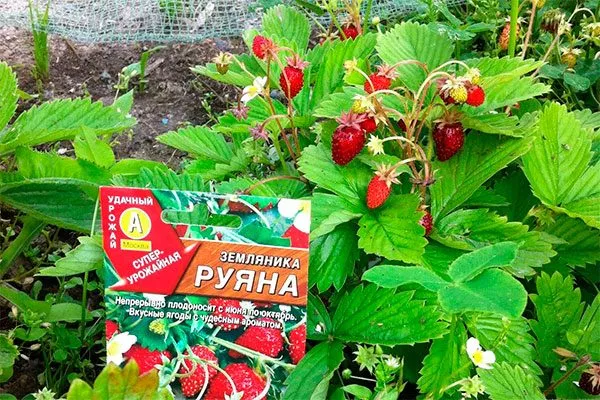
Main characteristics:
- The bushes are compact, reaching 15-20 cm in height and width, which allows them to be grown in small areas.
- The spherical crown gives the plant a decorative effect.
- The leaves are dense and bright green.
- Long flower stalks hold the berries above the ground, keeping them clean.
- The berries are small, weighing about 7 g and 1.5-2 cm long. They are predominantly conical in shape, bright scarlet in color, and have juicy pink flesh. The surface of the fruit is shiny, with small seeds. The flavor is sweet, with a distinct wild strawberry aroma.
This bee-pollinated variety blooms from spring to fall and bears fruit for four years, after which it is recommended to replant the plantation. Rujana has a natural immunity to diseases and pests.
Alexandria
This remontant alpine strawberry variety forms a dense, semi-spreading bush, reaching a height of 25 cm.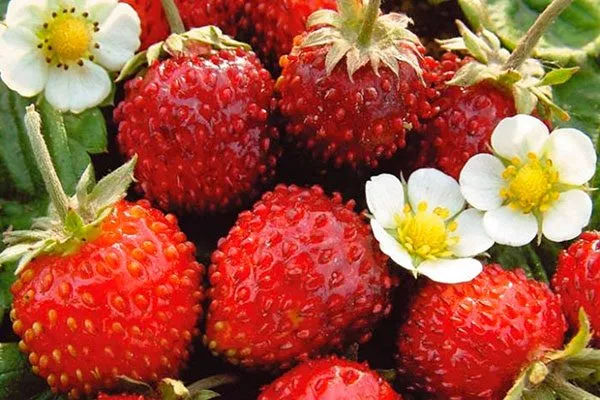
Below is a brief description of the species:
- leaves - serrated with a prominent central vein;
- peduncles – long;
- flowers – white;
- berries - conical shape, large, up to 8 g, universal in use;
- taste - sweet with a slight sourness.
It is characterized by high yields—up to 5 kg of berries per bush—and bears fruit from early summer until frost for four years. The variety is resistant to major fungal diseases and is known for its moderate frost tolerance.
Yellow miracle
The bushes are compact, no taller than 15 cm, with dense, bright green foliage and large, snow-white flowers. The flower stalks are tall, allowing the berries to remain above ground, reducing the risk of rot. Each bush produces up to 1,000 small berries, each weighing up to 10 g.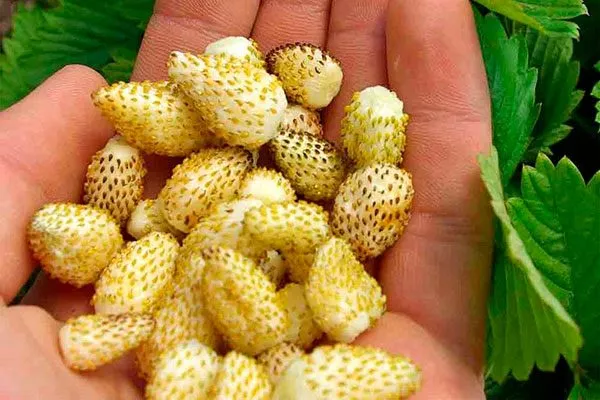
The berries are elongated and conical, light yellow in color, reminiscent of a peeled banana. They are very sweet and aromatic, with a fragrant scent and slight pineapple notes. The flesh is juicy, with a rich strawberry flavor.
Key benefits:
- A remontant strawberry variety with a universal purpose, producing a harvest of light, white or light yellow berries.
- The variety is distinguished by its high yield, up to 10 kg of berries per bush with good care.
- Fruiting is continuous throughout the season, from May-June until the end of September, and in warm autumns – until the beginning of October.
- The variety is winter-hardy, can withstand frosts down to -18°C under snow cover, and has good resistance to common fungal diseases.
Weiss Solemacher
The bushes are compact and semi-spreading, reaching a modest height of 15-20 cm, making them easy to care for. The berries are small, weighing only 4-5 g. They have an attractive conical shape and an unusual creamy-white color. The flavor is sweet and sour with distinct notes of pineapple. The flesh is white, juicy, with a tender, crumbly texture and aromatic flavor.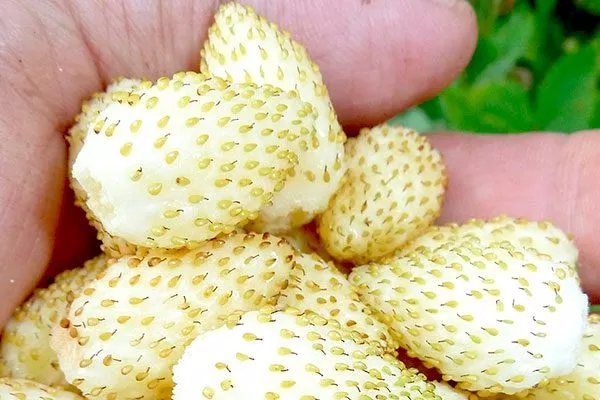
Characteristics of the variety:
- Fruiting begins early, already in early June, and continues until the onset of frost.
- The variety has high winter hardiness – it can withstand frosts down to -34…-40ºС.
- The crop is disease-resistant and remontant, providing several harvests per year.
Baron Solemacher
The plants form compact, slightly spreading bushes, reaching no more than 20 cm in height.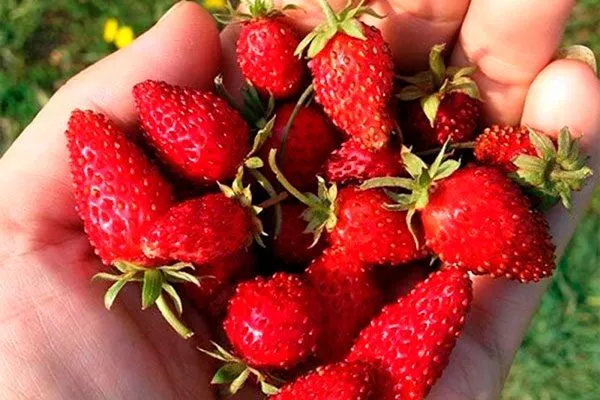
Distinctive features:
- The foliage is light green in colour and has serrated edges, with a slight pubescence that gives it a silvery sheen.
- The flowers are small, located below the level of the foliage on short peduncles.
- Flowering begins in May, and the first berries ripen by the beginning of summer.
- The fruits are medium-sized, weighing up to 5 g, conical in shape, and rich crimson in color.
- The taste is dessert-like, with notes of strawberry and vanilla.
- The harvest continues throughout the season: in the southern regions – until November, in the rest – until September.
- This strawberry variety is well adapted to a variety of climatic conditions. It is highly frost-resistant, surviving temperatures down to -35°C without shelter, and is characterized by strong disease immunity.
- One bush can produce up to 1 kg of berries per season.
Vikoda
Forms a powerful, spreading bush with abundant dark green foliage, slightly ribbed along the edges of the leaves and wide, non-sharp teeth.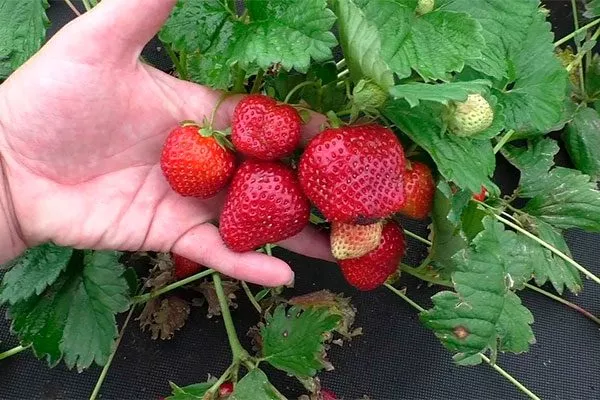
Other characteristics of the culture:
- The stipules are always pinkish in color.
- The peduncles are densely pubescent.
- In the first year, 5-6 flower stalks are formed on the bush on shortened stems located below the level of the foliage.
- The inflorescences are large, spreading, multi-flowered.
- The flowers are large, snow-white, and do not curl.
- The berries are red, but the tips often remain green. Ripe fruits are round, large, and weigh up to 50 g.
- The taste has a slight cherry hue, the flesh is dense and juicy.
- Ripe berries transport well, maintaining their marketable appearance. Fully ripened fruits acquire an attractive sheen.
- The berries are eaten fresh, frozen, and processed. Frozen fruits retain their aroma, firmness, and brighten their color.
- Vikoda is a late-ripening variety. Ripening begins in the second half of June, later in northern regions. Intensive fruiting lasts for about a month, and harvesting occurs after the early varieties have finished fruiting.
This is a high-yielding variety. Harvesting begins in mid-July. In commercial cultivation, yields reach 74 centners per hectare. In garden plots, up to 0.7 kg of berries can be harvested from a single bush.
Large-fruited runnerless strawberry
Large-fruited, whiskerless strawberries combine ease of care with impressive berry size. These varieties are prized for their high yields, rich flavor, and attractive appearance.
Onega
The bushes are characterized by a vigorous, upright habit and good foliage. Their distinctive features include:
- sockets – are formed in moderate quantities;
- peduncles – long, medium thickness, with dense pubescence, located at the level of the leaves;
- inflorescences – compact, with a large number of flowers;
- peduncles – have medium length and thickness.

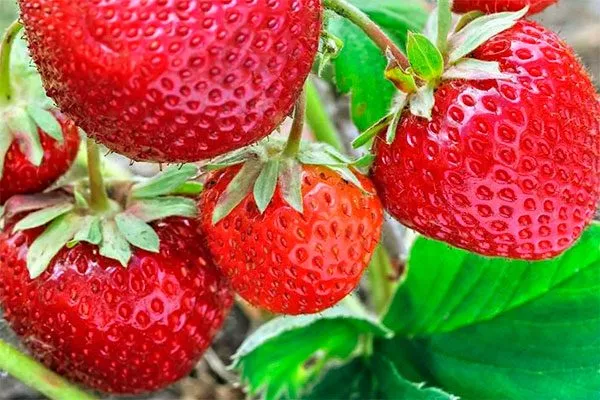
It is characterized by a medium ripening period and relative disease resistance. The berries of this variety are medium-sized, approximately 13 g, and conical in shape.
Main characteristics of the fruits:
- skin – red in color, with a glossy sheen;
- pulp – red, juicy and quite dense, has a pleasant sweet and sour taste, which received a high tasting score - from 4 to 4.3 points;
- achenes – numerous, have a yellowish tint and are slightly embedded in the pulp.
Festival Chamomile
It is distinguished by compact and strong bushes, reaching a height of up to 20 cm. The plants are characterized by abundant foliage and semi-spreading stems.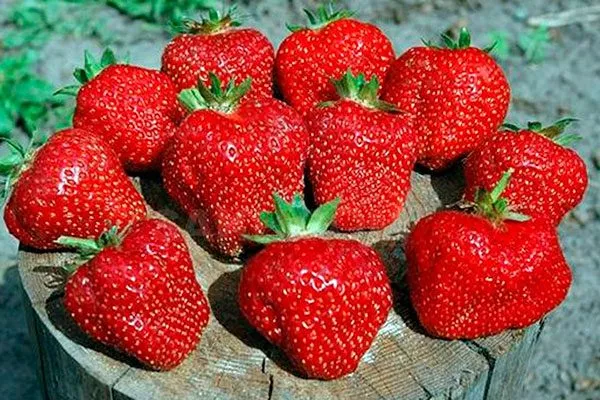
Botanical description:
- The leaves are large, rich green in colour with a matte surface, appearing bluish due to a light waxy coating.
- The first berries weigh 35-45 g, then fruits weighing about 20 g ripen, and the last harvest can produce berries weighing about 10 g.
- Large fruits have the shape of a wide cone, flattened on the sides, often with grooves.
- Colour: rich red with a carrot tint, glossy surface.
- The pulp is dense, aromatic, red in color, sweet and sour.
Ripening times vary depending on the region and the weather conditions of the particular season. In warm summers, the first fruits begin to ripen in the second half of June, and in cooler climates, in early July. Fruiting occurs quickly, in 3-4 stages. A single bush can yield approximately 500 g of berries per season.
Albion
Medium-height bushes with glossy, dark green foliage and finely serrated leaf edges. This garden strawberry variety is characterized by high yields and easy-to-ship berries, reaching 30-50 g in weight and possessing a sweet, slightly tart flavor.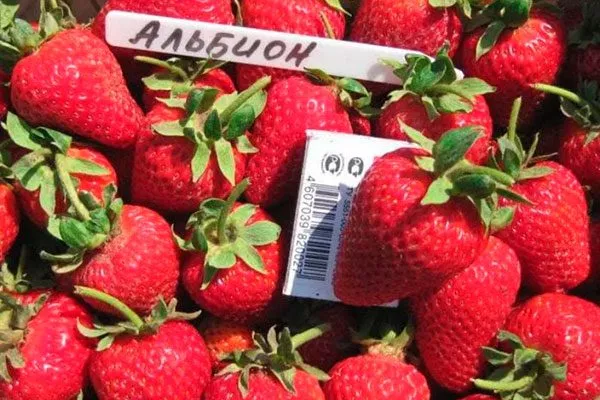
The fruits are conical in shape, a rich carmine color, and a glossy surface. The flesh is firm, juicy, pink, and free of voids. The harvested fruit stores well.
Positive qualities:
- This self-pollinating variety produces white flowers with 5-8 concave petals. It is resistant to most diseases and infections.
- Remontancy ensures fruiting throughout the season, with several waves of harvest: late spring, early July, late summer and mid-September
- From one bush they collect from 400 g to 2 kg of berries.
- In the southern regions, the first harvest occurs in late spring; in the northern regions, the timing may shift due to weather conditions.
The most popular varieties
Among the many strawberry varieties, there are some that have earned particular recognition among gardeners. They combine consistent yields, excellent flavor, and ease of cultivation.
Victoria
The bushes reach medium size, typically between 30 and 50 cm in height. A distinctive feature are large, dark green leaves.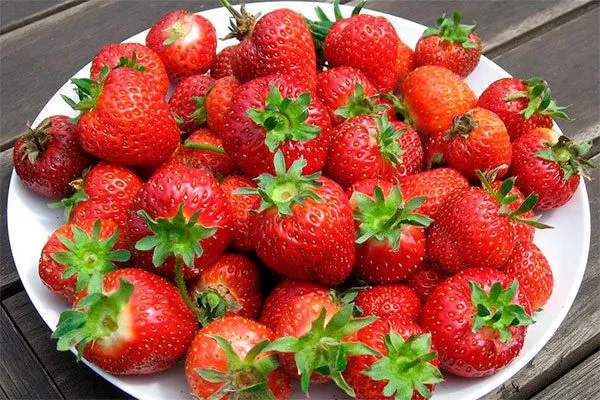
Features of berries:
- They are characterized by a round shape and juicy flesh.
- The bright red color with a slight bluish sheen gives them a special appeal.
- The average weight of one berry varies from 60 to 90 g.
- The flavor is sweet without being sour, making strawberries an excellent choice for fresh consumption.
- The fruits are suitable for various types of processing: making juices, preserves, jams and other desserts.
This early-ripening variety delights with its blooms from May to October. Fruiting begins in June and continues until October, ensuring a long harvest period.
Moscow Jubilee
The bushes are attractive due to their extensive root system with numerous branches and strong, thick stems. Below is a detailed description of the variety:
- Foliage – dense, with wide, rounded leaves that have serrated edges.
- Peduncles – white, cup-shaped, with wide, upward-facing petals and a yellow center.
- Berries - large, reaching a weight of 70 g, and with intensive care – up to 90 g.
- Fruit shape – Elongated, slightly flattened laterally. The first berries often have a ridge. Later, the berry weight decreases, but rarely falls below 30 g.
- The color of the berries is bright red, when overripe – dark red, with a glossy surface.
- Achenes – They are located at the level of the skin and do not protrude above it. Often, two berries are observed to grow together into one, forming a large, ribbed fruit.
- Pulp – dense, juicy, slightly watery, with a high sugar content.
- Smell - rich, strawberry, with light pineapple notes.
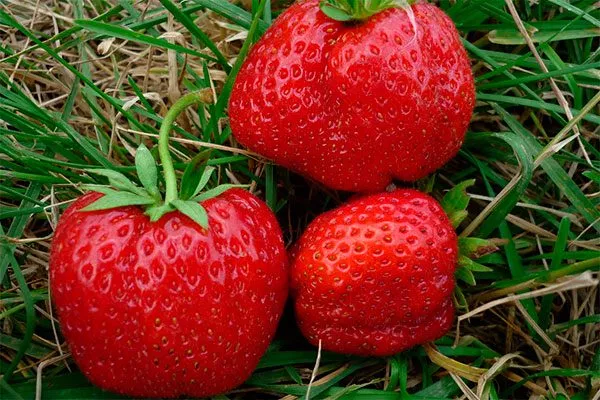
Flowering begins in mid-May, and by the end of this month or at the beginning of June the first harvest can be collected.
Gross Fraser
Strawberries, which ripen early in the season and produce a moderate yield, grow best in sunny locations. Their small size even allows them to be grown on a windowsill.
The berries are red, with a glossy surface, have an elongated conical shape and a sweet and sour taste.
White swan
Despite its appeal, this strawberry variety is not widely sought after by domestic gardeners. Its distinctive features include compact bushes with medium-sized berries of a subtle color. Its flavor is characterized by a delicate texture and honey-like undertones.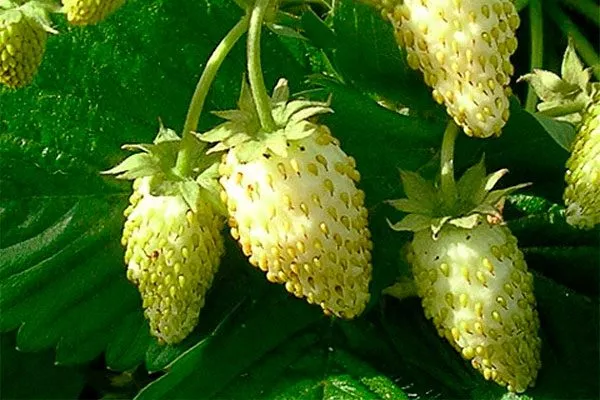
This variety has good resistance to low temperatures and various diseases. However, it is quite demanding regarding soil moisture and does not tolerate dry periods well, which can lead to the plant's death.
Bolero
At the end of the last century, a strawberry cultivar was bred in England that proved to be a promising berry crop. This variety is characterized by compact, small bushes, making it significantly easier to grow. Large berries can reach up to 35 mm in diameter.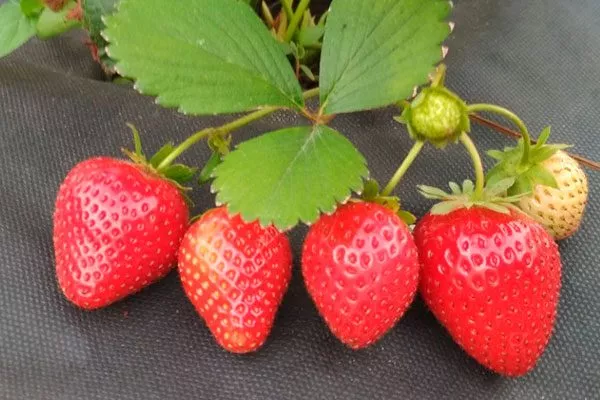
This variety is renowned for its high tolerance to weather fluctuations. Neither precipitation nor high temperatures significantly affect fruit size or yield. The crop is highly resistant to various fungal diseases.
Holiday
The bushes are characterized by compactness, vigor, and upright growth, with a moderate amount of foliage. Key characteristics:
- The leaves are large, light green, slightly wrinkled and slightly pubescent.
- The peduncles are strong, low, and located at the level of the leaves.
- The inflorescences are large, abundant, and bloom continuously.
- The berries have a distinct aroma. The first wave is large (average weight 32 g, maximum – up to 60 g), with a ridged top. Subsequent berries are smaller (about 11-12 g).
- The skin is dense, bright red and glossy.
- The pulp is dark orange, juicy, very sweet with a slight sourness and contains vitamin C.
- The berries tolerate transportation well and remain fresh for up to 7 days.
- Fruiting begins in late June or early August.
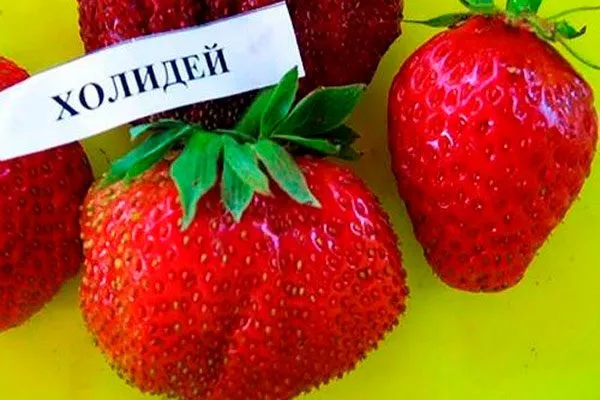
It is characterized by high yield (about 1.5 kg per bush per season under favorable conditions), but requires regular renewal of the beds, since the yield of young plants is higher and falls after a year or two.
Lyubasha
The plants grow to medium height and produce profuse white flowers. The berries are large and uniform in size.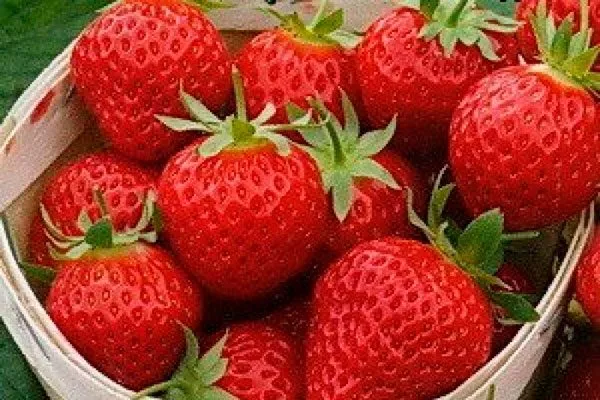
It is distinguished by its prolonged fruiting period, beginning in June and continuing until the first frost. The variety is resistant to temperature fluctuations and maintains its marketable appearance even in extreme heat, and has moderate pest resistance.
Selva
The berries of this variety are conical in shape and large, reaching a weight of approximately 70 g, although larger specimens are also available. Their tart flavor is due to their low sugar content.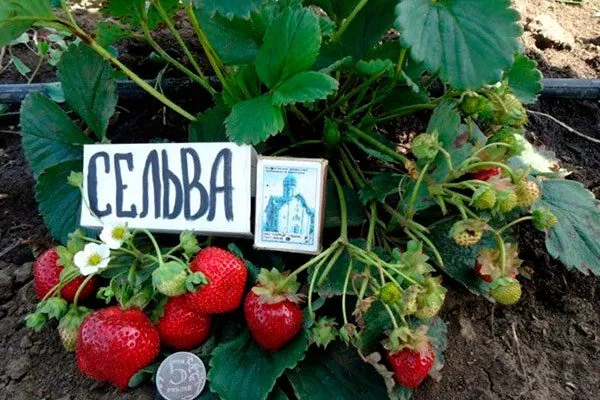
The firm flesh ensures good shelf life, making this variety a common sight in retail stores. This variety is sensitive to heat and requires regular watering.
Merlan
The hybrid's bushes are medium-height and compact. During flowering, the plant is covered abundantly with large buds with delicate pink petals.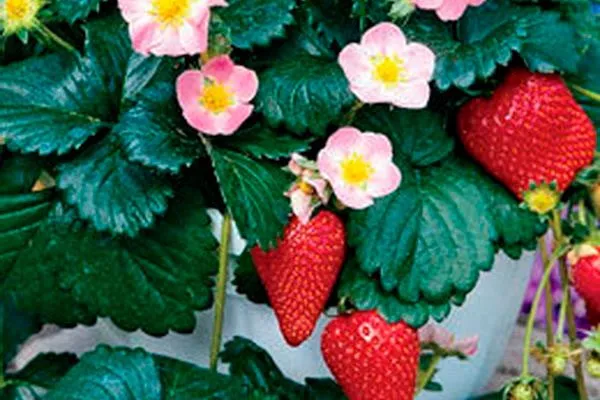
The berries are conical in shape and weigh about 20g on average. The pulp is juicy and has a very sweet taste with minimal acidity.
Fragrant basket
The plants are characterized by moderate growth, their height fluctuates between 20-25 cm. Botanical description of the crop:
- The leaves are small in size, have a yellowish-green hue, are distinguished by their concave shape and slight shine.
- The leaf petioles are of medium length, with pronounced pubescence.
- The bushes are formed in the shape of a hemisphere.
- The fruits are conical in shape and small in size, with an average weight of 1.4 g, although there are specimens weighing up to 1.8 g.
- The berries are a uniform, bright red color. The flavor is a harmonious blend of sweetness and slight tartness, complemented by a rich strawberry aroma.
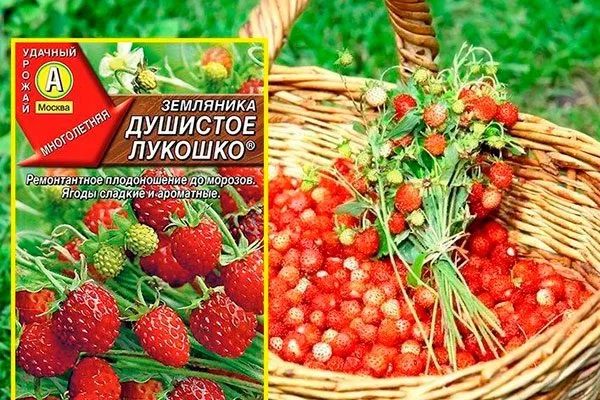
This ultra-early variety begins ripening as early as June. The fruiting period is long, spanning almost the entire season, until late autumn. Its main feature is its impressive productivity, reaching 1.2 kg of berries per square meter of planting.
Varieties by region
The key factor when choosing strawberry varieties is their adaptability to a particular climate and their ability to produce a harvest in those conditions. Below is information on the best runnerless varieties:
- For the Moscow region The following varieties are recommended: Garland, Alexandria, Yellow Miracle, Rügen and Rhine Waltz.
- In the Urals Alexandria, Ruiana, Baron Solemacher, Rhine Waltz, Rügen and Yellow Miracle have proven themselves well.
- In Siberia Rügen, Alexandria and Forest Fairytale are successfully cultivated.
Practical tips for growing
Strawberries are known for their ease of care and propagation, making them an excellent choice not only for experienced gardeners but also for beginners.
To ensure your bushes produce a stable harvest and remain healthy, consider a few practical recommendations:
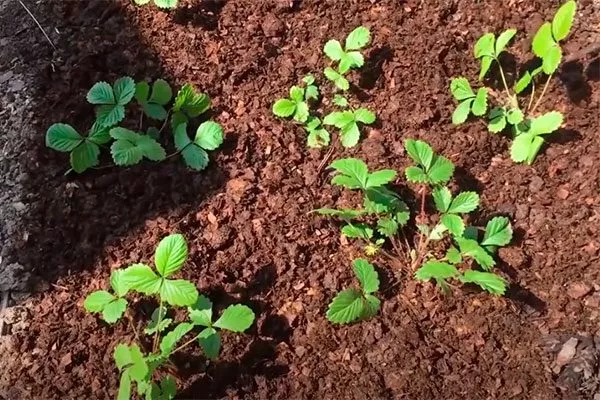
- Selecting a location. Choose sunny, well-ventilated areas with light, fertile soil to ensure the berries develop maximum sugar and aroma.
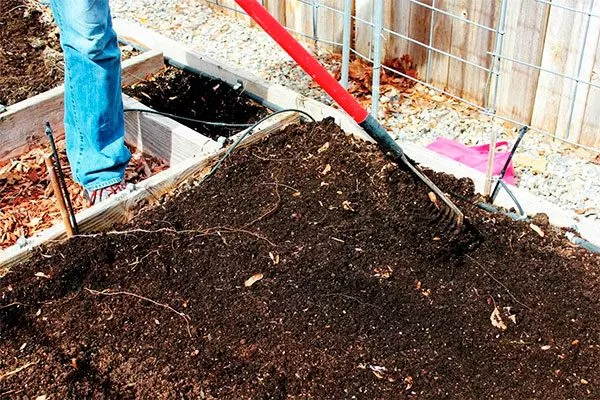
- Preparing the soil. Before planting, dig up the bed, add humus or compost, and, if necessary, add ash to improve the structure and enrich it with potassium elements.
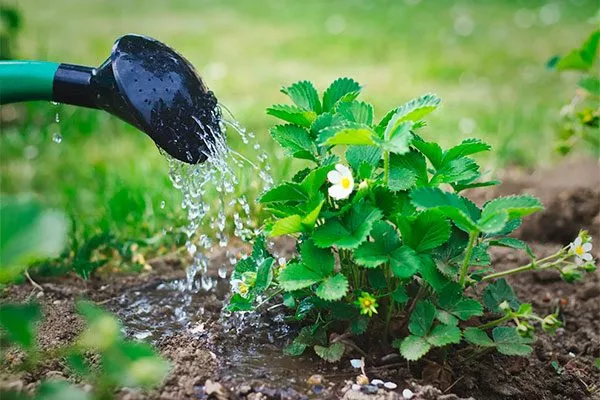
- Watering. Maintain moderate humidity, avoiding stagnant water, as strawberry roots do not tolerate over-watering.
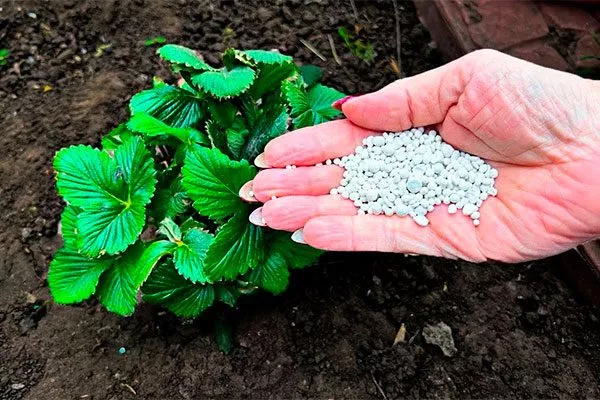
- Top dressing. During the period of active growth and fruiting, fertilize with organic or complex mineral substances to increase yield.
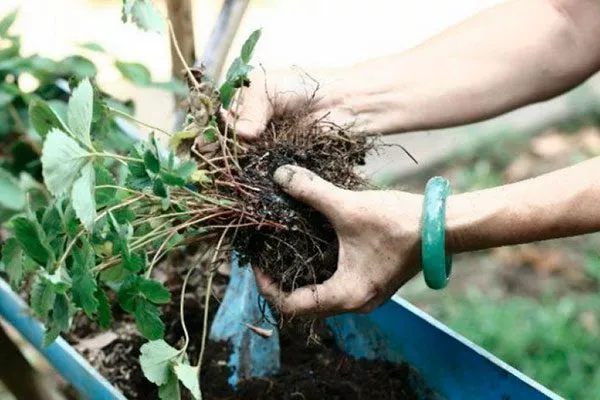
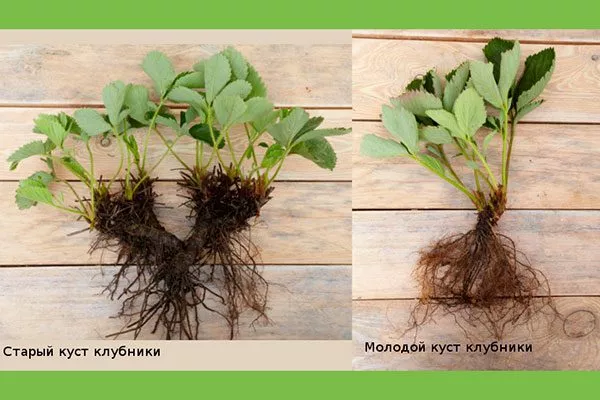
- Reproduction. Use division of bushes in early spring or autumn, which allows you to quickly and inexpensively renew plantings.
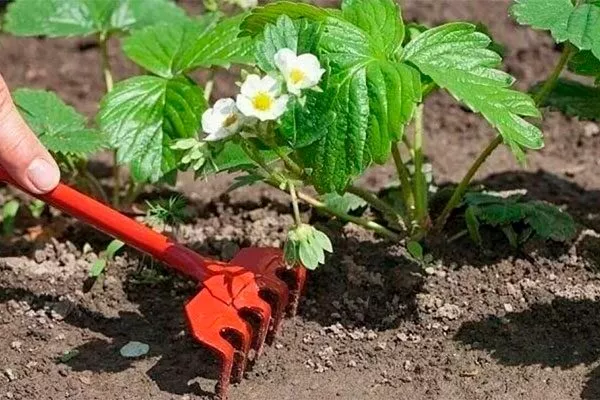
- Caring for plantings. Regularly remove weeds and loosen the soil around the bushes to allow air to reach the roots and prevent pests.
Propagation of runnerless strawberries
There are several ways to increase the number of bushes. Each method has its own characteristics, affecting the preservation of varietal qualities and the speed of harvest.
Popular options:
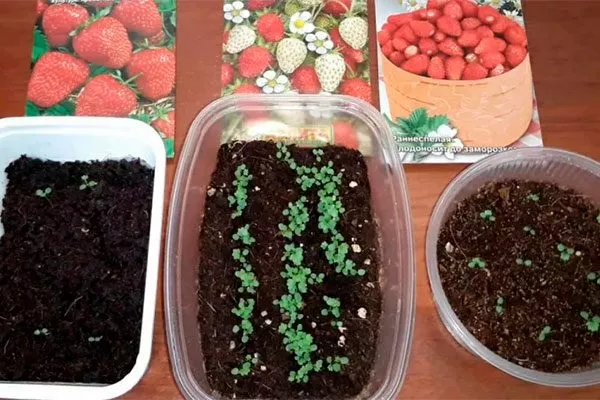
- Seeds. This is the most labor-intensive method, but it allows you to obtain a large amount of planting material and is suitable for propagating hybrid varieties that do not reproduce well vegetatively.
Sow seeds in February-March in prepared containers. Once 2-3 true leaves appear, transplant the seedlings. Plant them outdoors in May-June, once the danger of frost has passed. This method does not guarantee full preservation of varietal characteristics. - By dividing the bush. The easiest and fastest method of propagation, preserving parental traits. Suitable for varieties with well-developed bushes.
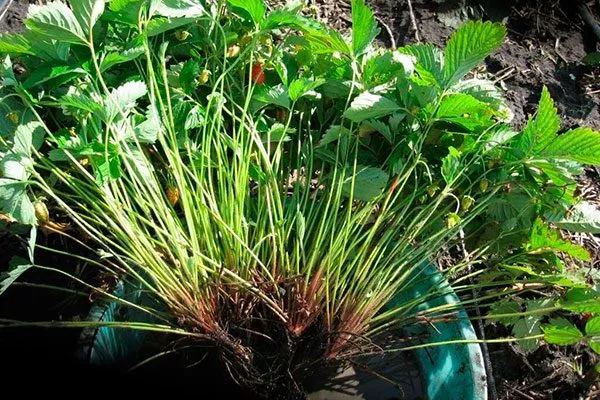
Carry out the event in spring or autumn, dividing the bush into several parts so that each division has roots and growth buds. - Rosettes from the rhizome. This method is effective for varieties that actively form rosettes. In spring or fall, separate them from the mother plant and plant them in separate containers for rooting.
By choosing runnerless strawberry varieties, you can combine a high-quality harvest with ease of care and time savings. They will not only decorate your garden with vibrant fruits but also provide delicious, aromatic berries with minimal effort. Thanks to their easy propagation, these plants spread easily throughout your plot, delighting you with a consistent crop year after year.