
Every year, agronomists develop new strawberry varieties. There are over 2,000 known varieties, varying in taste, ripening time, transportability, shape, and disease resistance. This article will describe only the best varieties of this berry.
Early strawberry varieties
The advantage of early varieties is their rapid ripening. The first harvest occurs in mid-May to early June (depending on the region).
| Name | Ripening period | Yield (kg per bush) | Disease resistance |
|---|---|---|---|
| Asia | early | 1.2 | resistant to spotting and fungal diseases |
| Marshmallow | early | 1.0 | resistant to temperature changes |
| Kimberly | mid-early | not specified | resistant to powdery mildew and gray mold |
| Honey | early | not specified | vulnerable to root diseases |
Asia
Variety strawberries "Asia" Developed in 2005 by Italian breeders, the "Asia" variety ripens in early June and, in southern regions, in mid-May.
Varietal characteristics:
- The berries are large (30-40 g), bright red.
- The shape is slightly flattened, conical.
- The aroma is strawberry. The fruits taste sweet and juicy.
- The yield is good. One bush yields up to 1.2 kg of berries.
- Fruits appear one year after planting.
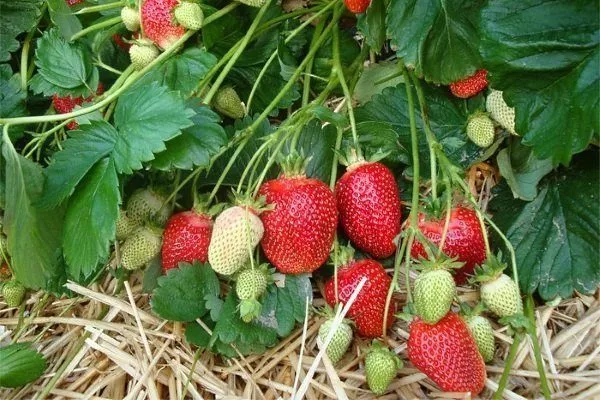
Chlorosis, powdery mildew, and anthracnose are the enemies of Asia. Spotting and fungal diseases are not a problem for strawberries.
Subtleties of care:
- The plant loves abundant watering, but excess moisture can provoke powdery mildew infection.
- For a bountiful harvest in March, water strawberries with a urea solution (1 tablespoon per 10 liters of water). Feed with ash, superphosphate, or complex mineral fertilizers.
- To protect against weeds and excessive moisture evaporation, use covering material.
During flowering and fruit formation, strawberries are not fertilized!
Thanks to its strong root system, the variety can be cultivated in the steppe zone and can also withstand harsh Russian winters (provided there is snow cover or cover, for example, with spruce branches or straw).
Marshmallow
Zephyr is an early variety from Denmark. The first fragrant and juicy berries are harvested in late May or mid-June.
Varietal characteristics:
- The fruits are shiny, bright red, with a strong stalk.
- Berries appear in the first year of planting.
- One bush produces up to 1 kg of berries.
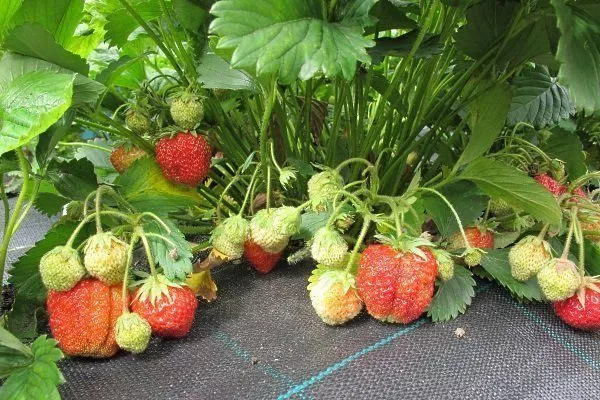
The plant is resistant to temperature fluctuations. With sufficient snow cover, it can withstand temperatures down to -30-35 degrees Celsius.
Subtleties of care:
- For growing, use soil with neutral acidity.
- The best time to plant is August. The bushes will become strong and produce a good harvest by spring.
- Zephyr is a drought-resistant variety. However, to increase the size and quantity of berries, it requires generous watering every 3-5 days.
- Before the first rosette forms, trim the tendrils to avoid thickening the planting.
'Zephyr' bears fruit well in one location for up to four years. The bushes are then transplanted to another location.
Kimberly
In the state register, this mid-early variety from Holland is listed as a strawberry and is zoned for the Central and Central Black Earth regions. Kimberly – a hybrid of two cross-pollinated varieties (Chandler and Gorella).
Varietal characteristics:
- The berries are red-orange, glossy.
- The shape is conical, reminiscent of a heart.
- The taste is sweet, caramel.
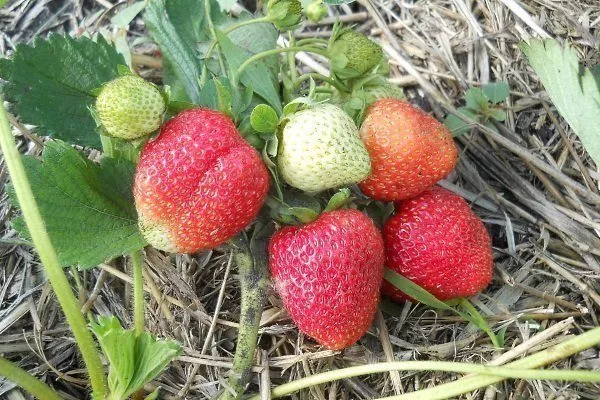
The plant is not affected by powdery mildew and gray mold, but it is sensitive to chlorosis and spotting.
It's best to grow this variety in designated areas. Despite its good frost resistance, the berries don't ripen fully in colder regions, which affects the yield and flavor. In extremely hot regions, the seedlings don't take root well, and the berries become soft due to high temperatures.
Subtleties of care:
- Planting should be sparse. The optimal distance between bushes is 40-50 cm. For farm plots, the optimal distance is 30-40 cm.
- At the beginning of the growing season, feed with nitrogen fertilizers. During flowering and fruit set, fertilize with potassium and phosphorus compounds.
- The plant loves moisture. Use drip irrigation.
This variety requires minimal care. For a good harvest, Kimberly requires regular fertilization and watering.
Honey
In 1979, American breeders developed a high-yielding early strawberry variety – Honey.
The State Register of Russia recommends growing this variety in the Caucasus and Central Russia.
Varietal characteristics:
- The berries are large to medium-sized (15 to 40 g), shiny, and have a rich scarlet color.
- The berries are smooth and conical in shape. The flesh is dense, without voids.
- The taste is sweet, with a slight sourness.
- Fruiting from mid-May to early June.
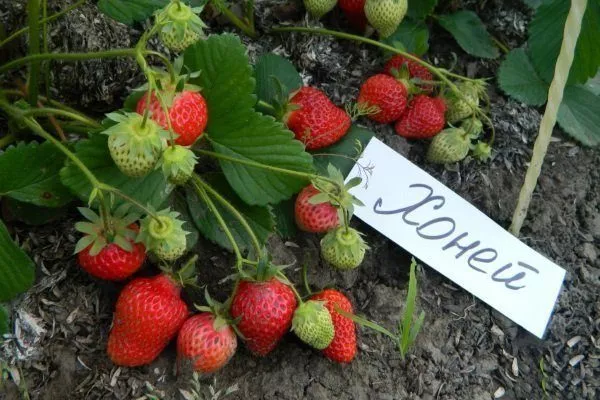
Despite its powerful roots, Honey is vulnerable to root diseases.
Subtleties of care:
- Moderate watering is recommended. The variety does not tolerate either insufficient or excessive moisture.
- Plant seedlings in late August or early September in cloudy weather at a distance of at least 50 cm.
- During the emergence of leaves and the formation of buds, feed with a urea solution (1 tablespoon per bucket of water) and complex fertilizers.
This variety is popular on the market due to its excellent commercial characteristics: uniform, smooth berries and a long shelf life (3-5 days).
Mid-season varieties
Mid-season strawberry varieties are prized for their tolerance to temperature fluctuations. Fruiting in midsummer favorably impacts the berries' flavor, as sunlight is at its highest during this period.
| Name | Ripening period | Yield (kg per bush) | Disease resistance |
|---|---|---|---|
| Chamorra Turisi | mid-season | 2.0 | vulnerable to fungal diseases |
| Vima Zanta | mid-season | 2.0 | resistant to fusarium, gray mold, pest damage and powdery mildew |
| Marshal | mid-season | not specified | adapts well to weather conditions |
| Lord | mid-season | not specified | resistant to spotting, gray fruit rot, powdery mildew |
| Crown | mid-season | not specified | not resistant to gray mold and spotting |
| The Black Prince | mid-season | 1.5 | not specified |
| Holiday | mid-late | 1.0-1.5 | not specified |
Chamorra Turisi
Gardeners believe that the variety was brought from Japan, but whether this is actually true remains unknown.
The first berries ripen in the second half of June in warm regions, and in mid-July in the central and central regions of Russia.
Varietal characteristics:
- The berries are fleshy, uneven, and bright red.
- The shape can be conical, semicircular, or comb-shaped.
- The flesh is juicy and has a white core. The flavor is sweet and strawberry-like.
- Average fruit weight is from 30 to 70 g.
- The fruiting period is from one to two months.
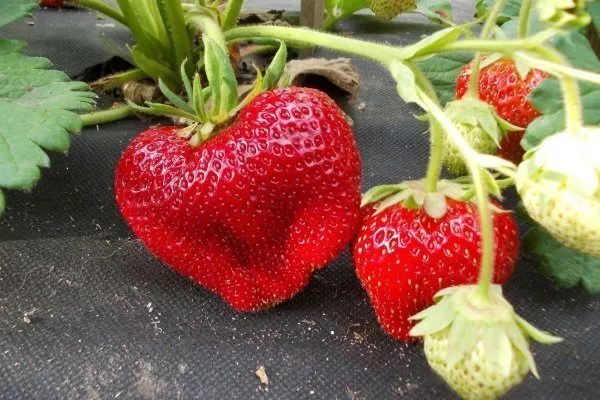
With intensive care, 'Chamora Turisi' can produce a bountiful harvest for 12 years. In the second or third year after planting, a single bush can yield up to 2 kg of berries.
Subtleties of care:
- The distance between bushes when planting should be 40-50 cm.
- Plant the variety at the end of August, and in areas where winters are cold and there is little snow, plant it in May.
- Watering should be moderate. Overwatering will result in water-soaked fruits. Insufficient moisture will affect quality, causing the berries to become small.
- If the summer is not dry, it is enough to water the beds once a week.
- Strawberries are prone to becoming overgrown. After fruiting has finished, remove runners and old leaves.
This variety is susceptible to fungal diseases. Treat the bushes with fungicides in the spring.
Vima Zanta
A young variety from Holland. Hybrid. Elsanta and Korona – benchmark Dutch varieties. Ripening period: late May to mid-June (depending on the region).
Varietal characteristics:
- The berries are smooth, burgundy, and uniform in shape. The yellowish seeds are pressed into the pulp.
- Average fruit weight is 20-30 g.
- Fruiting period up to 3 weeks.
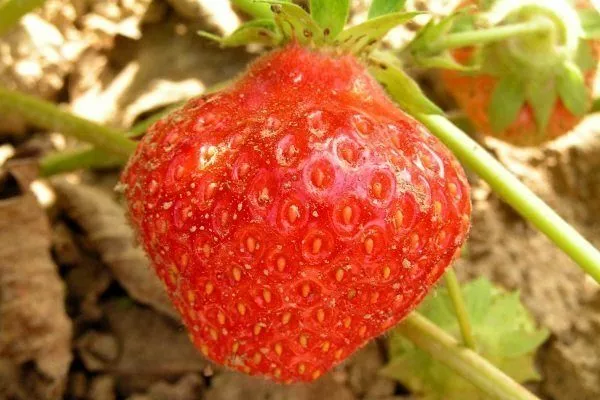
Vima Zanta doesn't have a long shelf life. The berries become bruised and darken during transportation. However, in terms of taste, this variety scores highly: 4.5-5 out of 5.
Subtleties of care:
- Plant the bushes in early spring or autumn at a distance of 40-45 cm. The variety prefers sunny areas.
- 'Vima Zanta' does not tolerate drought well and therefore requires regular watering.
- Alternating mineral and organic fertilizers has a positive effect on yield. The plant responds well to additional feeding. You can read about spring feeding. here.
The crop is resistant to fusarium, gray rot, pest damage and powdery mildew.
In good conditions, one bush produces up to 2 kg of berries.
Marshal
The Marshall strawberry was developed in America in the late 19th century. The first berries are harvested in early to mid-June.
Varietal characteristics:
- The berries are scarlet, large, and shiny.
- The shape of the fruit is wedge-shaped.
- The pulp is red, without empty cavities.
- The taste is sweet, strawberry, with a pleasant sourness.
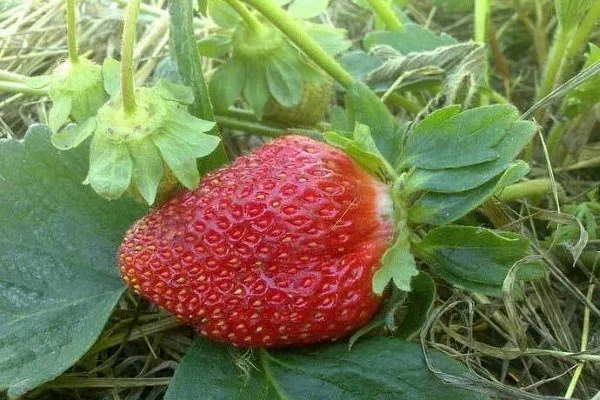
The plant adapts well to weather conditions: it can withstand cold winters (up to 30 degrees) and dry summers.
Subtleties of care:
- Plant seedlings in loose, light soil that drains well.
- During the growing season, water your strawberries regularly. Apply water at the roots, early in the morning or in the evening.
- Loosen the soil around the bushes to ensure air and moisture access to the roots.
In warm climates, harvesting can be done several times per season. Fruiting declines in the second year, so repeat plantings are necessary.
Lord
The origin of the "Lord" grape is unknown, but some sources point to Great Britain. The berries ripen in early June in the south, mid-June in central and central Russia, and late June in the north. Fruiting lasts for about a month.
Varietal characteristics:
- The berries are deep red in color.
- The shape is conical. The fruit weighs up to 100 g.
- The taste is sweet and sour, pronounced.
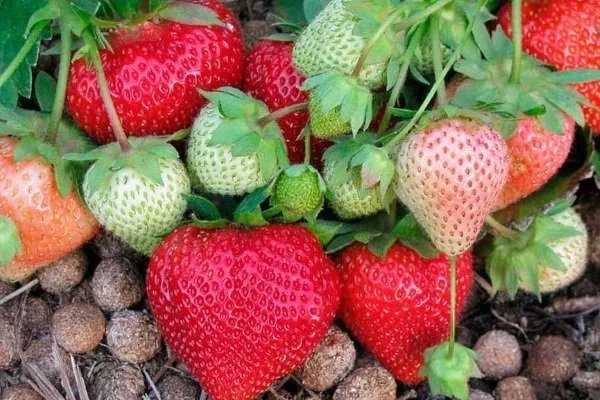
Lord is an easy-to-grow variety, adapting to temperature fluctuations. With proper care, it won't require repotting for 10 years.
Subtleties of care:
- Plant the plant at a distance of 60-65 cm in a checkerboard pattern in illuminated areas.
- Strawberries are sensitive to humidity. Drought reduces yield, while excess moisture prevents fruit from ripening properly and can lead to rot.
- Bushes are propagated by daughter rosettes. On one-year-old bushes, leave two strong runners and take first- and second-order rosettes from them.
Strawberries are resistant to spotting, gray rot, and powdery mildew. The application of mineral and organic fertilizers has a positive effect on the variety's yield.
Crown
Another variety from Dutch breeders. Characterized by excellent taste. Ripens in early to mid-June (depending on climate).
Varietal characteristics:
- The berries are dark red and glossy.
- The fruits are elongated, with an average weight of 20-30 g.
- The flavor is distinct, strawberry-like, and sweet. Rating: 5 out of 5.
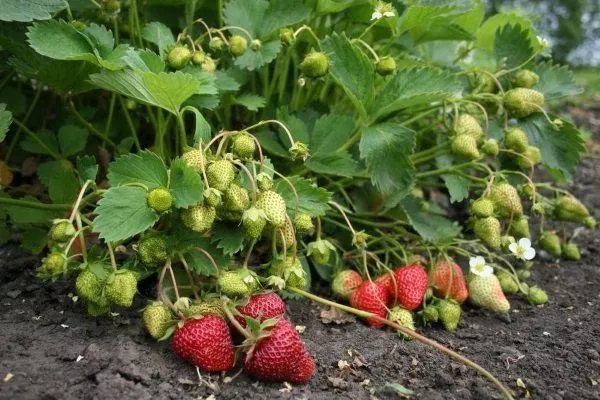
The crown tolerates frost well. The bushes do not need to be covered for the winter.
Subtleties of care:
- The best time for planting is early May and August through September. Plant at a distance of 40-50 cm between plants.
- 'Korona' thrives on organic fertilizers (ash, humus, urea) and mineral fertilizers (nitrogen, potassium, phosphorus). Apply fertilizer before flowering and after the growing season.
- Due to excessive runner formation, prune in the fall.
- This variety requires a lot of moisture. Use drip irrigation.
Strawberries are susceptible to gray mold and spotting. To prevent this, treat the bushes with special solutions.
The Black Prince
This variety was developed in Italy and is now successfully grown not only in garden plots but also on large farms. Fruiting is long-lasting, from mid-June until August-September.
Varietal characteristics:
- The berries are dark burgundy, large (30-50 g).
- The berries have numerous seeds on the surface and are cone-shaped.
- The taste of the fruit is sweet, strawberry, with a slight sourness.
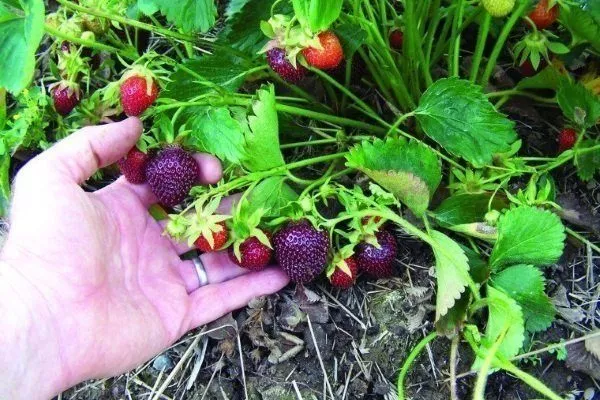
A high-yielding variety – one bush produces up to 1.5 kg of berries.
Subtleties of care:
- Black Prince grows well in light, well-drained soils. Plants should be spaced 50 cm apart.
- Water your strawberries regularly. During flowering, water only at the roots. After watering, loosen the soil.
- In spring, feed with phosphorus fertilizers. During berry ripening, fertilize with complex mineral supplements.
Black Prince is in demand on the market because the berries are beautiful and tasty and retain their marketable appearance for a long time.
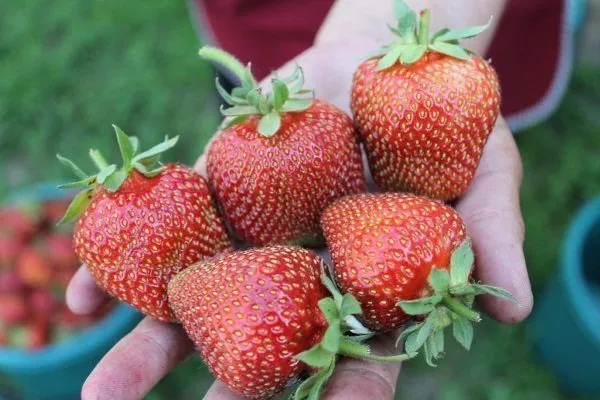
Holiday
A strawberry from US breeders. A mid-late variety, ripening in late June.
Varietal characteristics:
- The berries are light red.
- The shape is round and correct.
- The taste is dessert-like, sweet and sour.
- The berries ripen almost simultaneously. The average weight is 30-35 g.
Subtleties of care:
- Strawberries are grown in sunny areas in light, breathable soil. Row spacing is 40 cm.
- Drip irrigation. To ensure sweet and less watery berries, avoid overwatering the plant before harvesting.
- In spring, apply mineral fertilizers containing potassium, nitrogen, and phosphorus.
- Before wintering, cover the strawberry beds with hay (straw) or spruce branches.
The yield is high (1-1.5 kg per bush). The berries become smaller each year, but retain their marketable appearance.
Late strawberry varieties
Late-ripening varieties have good winter hardiness and resistance to some diseases and pests. July-ripening berries are rich in vitamins.
| Name | Ripening period | Yield (kg per bush) | Disease resistance |
|---|---|---|---|
| Vikoda | late | not specified | sensitive to powdery mildew and root diseases |
| Florence | late | not specified | not susceptible to powdery mildew and root rot |
| Zenga Zengana | late | 1.5 | strawberry mites, gray mold, and spotting are dangerous |
| Shelf | late | not specified | there is a risk of infection with gray mold |
| Roxana | late | not specified | resistant to powdery mildew, but vulnerable to fungal diseases |
Vikoda
Vicoda, or noble strawberry as it's popularly known, originated in Holland. It ripens in early to mid-July.
Varietal characteristics:
- The fruits are burgundy in color. Weight ranges from 50 to 120 g.
- The shape is wide and flattened.
- The taste is sour, cherry.
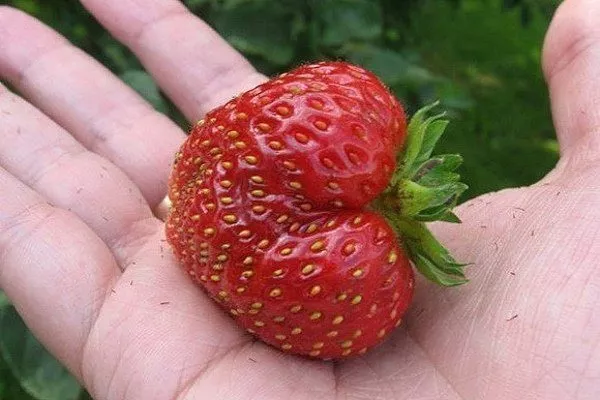
Vikoda is suitable for freezing. After defrosting, the berries become more aromatic and delicious.
Subtleties of care:
- Grow in moderately acidic soil. For a bountiful harvest and root growth, plant two seedlings per hole.
- Feed with mineral and organic fertilizers, but apply nitrogenous fertilizers with caution. Excess nitrogen is harmful to Vikoda.
- Water moderately, using drip irrigation.
The berries store well. The plant is susceptible to powdery mildew and root diseases, but is not affected by spotting or fungi.
Florence
A British-bred variety. Fruiting from late June to July.
Varietal characteristics:
- The berries are a rich red color. The flesh is juicy.
- The shape is correct, conical.
- The taste is strawberry, sweet and sour.
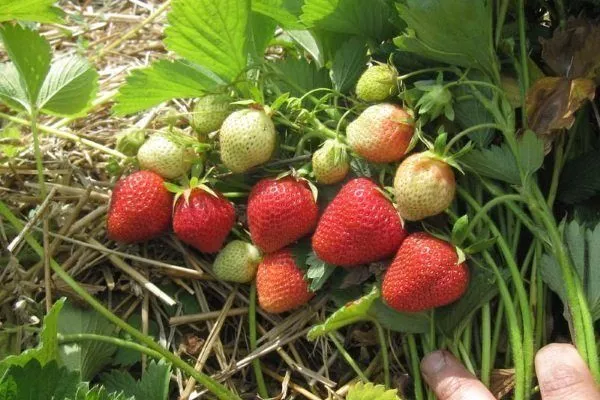
The berries can be stored in the refrigerator for a week without losing their flavor or aroma. This variety is suitable for freezing for the winter.
Subtleties of care:
- Plant seedlings at a distance of 50 cm in well-lit areas.
- Florence loves timely and moderate watering.
- To increase the yield, periodically remove the runners (except for mother plants).
- In regions where winter temperatures drop below 10 degrees, cover the crop with agrofibre or spruce branches.
Strawberries are not susceptible to powdery mildew or root rot, but they can be affected by leaf spot and gray mold. Preventative treatment with phytosporin is performed in the spring.
Zenga Zengana
German variety "Zenga Zengana" was bred in 1954. The berries ripen in mid-June.
Varietal characteristics:
- The berries are burgundy. The skin is thick.
- The shape is conical.
- The taste is distinct and sweet.
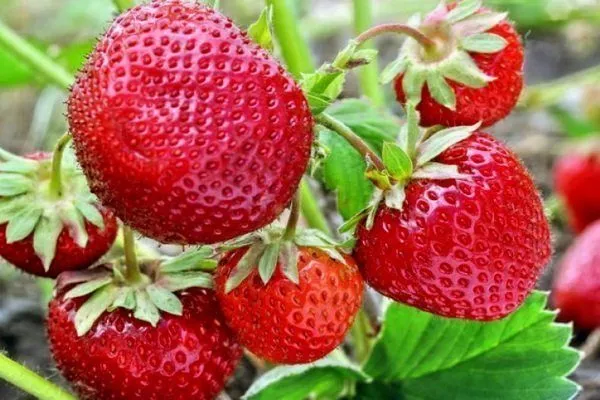
This variety is highly productive. A single bush can yield up to 1.5 kg of berries.
Subtleties of care:
- Plant in spring (March-April). The optimal distance between plants is 30 cm, and between rows 75-80 cm. Read more about planting strawberries in spring. Here.
- Zengana requires moderate watering. In hot weather, water every 5 days; in cooler weather, water every 1-2 weeks. Drip irrigation is the best method.
- In spring, water with a urea solution. Before flowering, feed with complex, potassium, and organic fertilizers.
The plant is susceptible to strawberry mites, grey mould and spotting, but is not susceptible to verticillium wilt and powdery mildew.
Shelf
The Polka strawberry has been known since the 1970s. It is a highly productive Dutch variety. Fruiting begins in late June.
Varietal characteristics:
- The berries are ruby-colored. Average weight is 15-20 g.
- The shape is smooth and round.
- The taste is sweet, caramel.
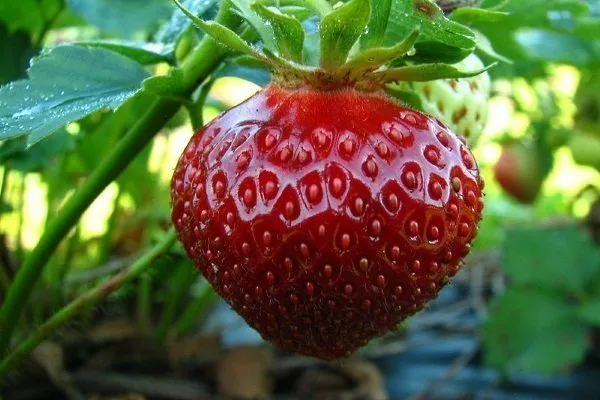
Berries retain their shape in preserves and jellies. Their flavor becomes richer and more aromatic when cooked.
Subtleties of care:
- A moisture-loving variety. Water "Polka" using drip irrigation. Loosen the soil after watering.
- In spring, fertilize with nitrogen-rich fertilizers. Apply potassium fertilizers during berry ripening.
- Cover the beds with spruce branches or straw for the winter.
Powdery mildew does not affect the plant, but there is a risk of infection with gray mold.
The peak yield occurs in the first or second year after planting. By the third year, the berries become smaller and fewer in number.
Roxana
The mid-season Italian variety Roxana is popular among Russian gardeners for its high yield. Ripening period is late June to early July.
Varietal characteristics:
- The berries are burgundy. Average weight is 30-50 g.
- The shape is elongated, conical.
- The taste is dessert-like and juicy.
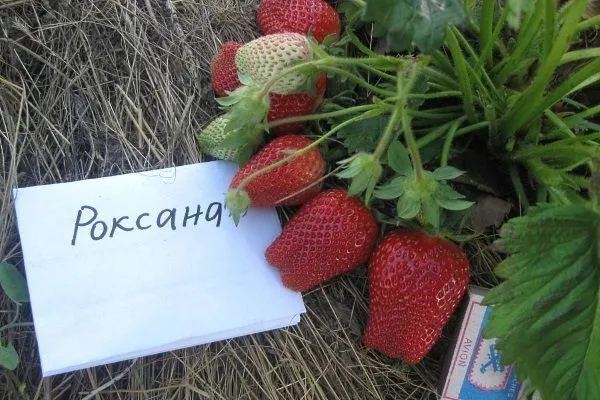
The variety retains its flavor well for a week, and does not spoil in the garden for up to two weeks.
Some gardeners classify strawberries as remontant varieties due to their long fruiting (up to 4 times per season).
Subtleties of care:
- The distance between rows should be 50-55 cm, the distance between bushes – 35-40 cm.
- Plant the plant in loose, fertile soil. The soil should be neutral or slightly acidic.
- Watering is moderate, drip.
- In regions where winters are cold (temperatures drop below 20 degrees), strawberries are covered.
Roxana is used commercially for its attractive appearance and excellent taste. The plant is resistant to powdery mildew but susceptible to fungal diseases.
Everbearing strawberry varieties
The main distinguishing feature of everbearing varieties is their prolonged fruiting period. Some varieties produce fruit from May to September.
We also recommend that you familiarize yourself with the information on growing everbearing strawberries from seeds.
| Name | Ripening period | Yield (kg per bush) | Disease resistance |
|---|---|---|---|
| Queen Elizabeth | remontant | 1.5 | resistant to spotting, gray mold, powdery mildew |
| Geneva | remontant | not specified | resistant to fungi and viruses, spider mites |
| Temptation | remontant | 1.5 | not specified |
| Selva | remontant | not specified | not susceptible to powdery mildew, spotting, or gray mold |
Queen Elizabeth
A productive variety from England. The first berries are harvested in late May, and the last ones in the fall, before the first frosts.
Varietal characteristics:
- The fruits are large (35-55 g), bright red.
- The shape is smooth and round.
- The taste is sweet, juicy, honey.
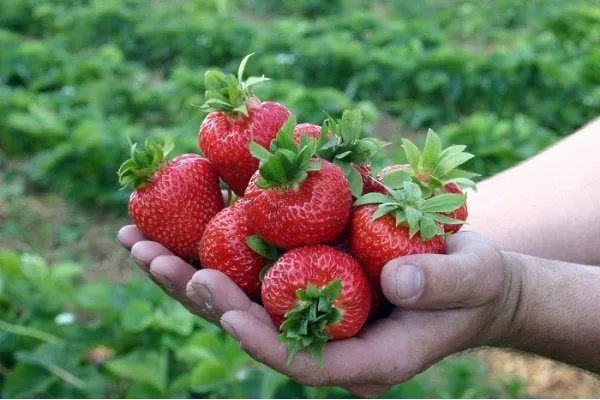
The first harvest is collected at the end of May, the second in July-August, and the last in October.
A single bush can yield up to 1.5 kg of berries. In cool weather, the berries stretch out and become larger.
Subtleties of care:
- Plant in sunny areas, 30 cm apart, with 55-60 cm between rows.
- Apply organic fertilizer during fruiting. In spring, fertilize with nitrogen-rich compounds.
- Water every 2-3 days. After watering, loosen the soil.
'Elizabeth' is resistant to spotting, grey mould, powdery mildew, but is vulnerable to insect pests – strawberry mites, spider mites, and weevils.
Geneva
A productive variety from America. After the first harvest (in early June), the strawberry plant rests. The second fruiting occurs in early July. Then, after the seventh leaf has formed, the plant produces berries until frost.
Varietal characteristics:
- The berries are red-cherry colored.
- Fruit weight is 40-50 g.
- The shape is semicircular, pointed.
- The taste is juicy and sweet.
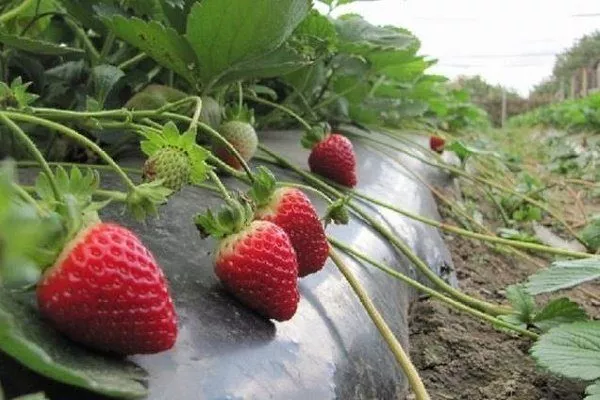
By the end of the growing season, the berries have shrunk almost half their size, but this doesn't affect their flavor. "Geneva" is prized for its lingering, rich strawberry aroma.
Subtleties of care:
- The best planting times are May and mid-August to late September. 'Geneva' grows well in loamy and neutral soils.
- To increase the second harvest, remove spring flower stalks.
- Water generously using drip irrigation.
- Cover the beds for the winter.
This variety is resistant to fungi, viruses, and spider mites. Gray mold is a serious problem for the plant.
Temptation
A cascading, everbearing variety from Italy. Harvesting begins in June and continues until the first frost.
Varietal characteristics:
- The berries are glossy and dark red. Average weight is 20-30 g.
- The shape is round, tapering towards the end.
- The taste is sweet and juicy. The aroma is nutmeg.
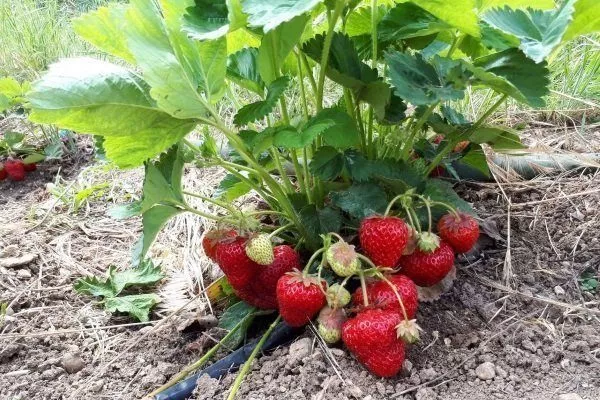
"Temptation" is a high-yielding variety. A single bush yields up to 1.5 kg of berries. Thanks to its dense texture, the berries are used for canning, freezing, and cooking.
Subtleties of care:
- Plant in a location with adequate sunlight. This variety prefers fertile soil.
- Strawberries need watering and feeding.
- To prevent the bushes from becoming too thick, remove excess tendrils.
- For the winter, trim the bushes (not to the root) and cover them.
"Temptation" serves as a garden decoration. Some gardeners grow the bushes in pots, where they hang gracefully alongside their berries.
Selva
An early remontant variety from the USA. Fruiting occurs in waves from May to October.
Varietal characteristics:
- The berries are scarlet, glossy, and large.
- The fruits weigh large, from 20 to 70 g.
- The shape is smooth and round.
- The taste is strawberry, sweet and sour.
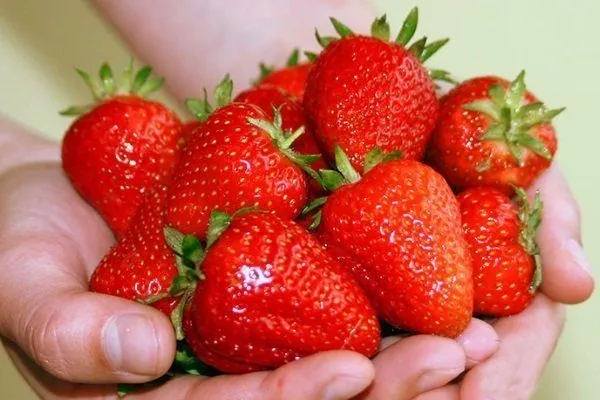
In terms of taste and aroma, Selva is inferior to other remontant varieties, but it has good transportability qualities.
Subtleties of care:
- The first harvest is not sweet enough, so the flower stalks are removed.
- At the beginning of growth and flowering, on hot and dry days, water the strawberries generously.
- Feed Selva regularly with mineral and organic fertilizers.
This variety is resistant to powdery mildew, spotting, and gray mold. It can withstand temperatures down to -20 degrees Celsius.
Growing strawberries in your garden requires considering not only your personal preferences but also the climate. Breeders have developed so many varieties that choosing strawberries for even the harshest climates is easy.