
Even in harsh Siberia, thanks to advances in plant breeding, growing strawberries is not difficult. The key is to choose the right variety. Consider the fruiting period, yield, and weather tolerance. You'll learn all about this later in the article.
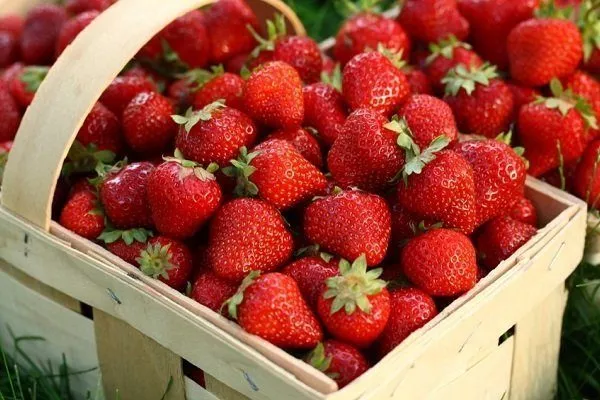
Criteria for selecting strawberry varieties for Siberian conditions
The main parameters when choosing the ideal strawberry variety for Siberia include the following:
- high degree of frost resistance of plants both in the winter months and during the spring frost period;
- rapid regeneration of the green part of the bush in case of damage from cold or insects;
- yield and duration of fruiting;
- resistance of berries to rotting;
- taste qualities of the harvest;
- plant resistance to pests.
- ✓ The optimal soil acidity for strawberries should be within the range of 5.5-6.5 pH.
- ✓ The distance between bushes when planting should be at least 30 cm to ensure good ventilation and prevent fungal diseases.
Next, let's look at the types of strawberries that are in demand in Siberian latitudes.
Zoned
The following varieties are the most popular among summer residents.
| Name | Yield (c/ha) | Berry weight (g) | Disease resistance |
|---|---|---|---|
| Fairy | 189 | 10-35 | High |
| Festival | 180 | 30 | High |
| Mascot | 100 | 20 | Average |
| Early Lviv | 200 | 10-25 | High |
| Idun | Not specified | Not specified | High |
| Omsk early | Not specified | 10 | High |
Fairy
A mid-season, highly productive variety (up to 189 centners per hectare), developed at the Kuibyshev Zonal Horticultural Experimental Station by crossing "Scarlet Sail" and "Nadezhda." The first harvest produces large berries, up to 35 g, and later, the average weight fluctuates between 10-15 g. They are dark red, round, neckless, and have a firm texture. Suitable for commercial use.
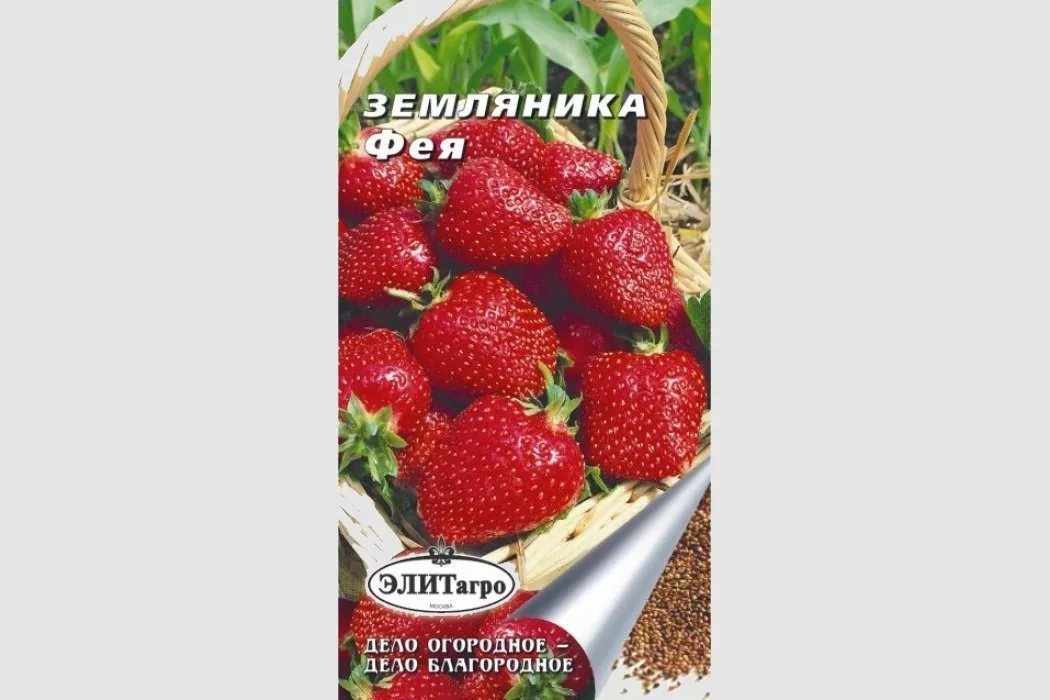
Strawberries are ideal for whole-fruit jam because they retain their shape during cooking. A clear drawback is their poor transportability.
These low-spreading bushes are highly adaptable and resistant to diseases and pests. They maintain high yields for up to three years without replanting or rejuvenation.
Festival
A strawberry deservedly considered one of the best. It was bred at the I.V. Michurin All-Russian Research Institute of Horticulture. Characteristics Festival strawberries are as follows: large (up to 30 g) red-burgundy berries of a conical shape with a slight roundness and characteristic grooves have a pleasant fresh aroma with a hint of musk.
Peak ripening occurs in the first weeks of July. This variety stores well for several days and is easily transported while maintaining its marketable appearance. A yield of 180 centners per hectare allows for both enjoying the berries during the season and preserving them for the winter by freezing and canning.
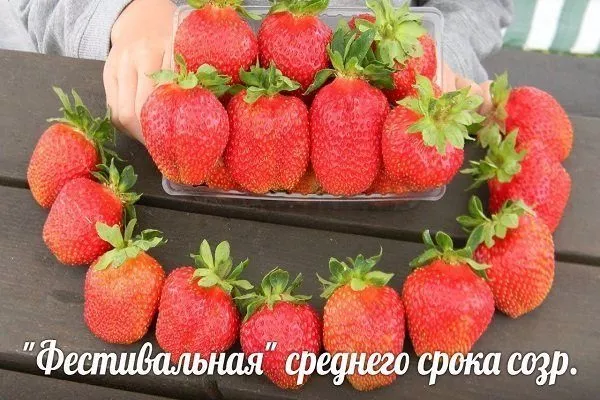
Plants with a robust rosette are renowned for their winter hardiness, drought tolerance, and rapid regeneration after damage. Excellent resistance to fungal diseases makes them even more attractive, but the variety is less susceptible to powdery mildew.
Mascot
A garden strawberry variety of English origin with an average yield of 100 centners per hectare. The juiciness and sweetness of the round-cylindrical berries with dense, light-red flesh is accentuated by a delicate aroma. The strawberries are quite large, typically over 20 grams. They are versatile – good both for fresh-from-the-garden and for processing.
The variety is semi-everbearing, allowing for a second harvest in the fall under favorable weather conditions. Removing the leaves after the first fruiting also helps. The varietal qualities are particularly pronounced during the first two years of planting.
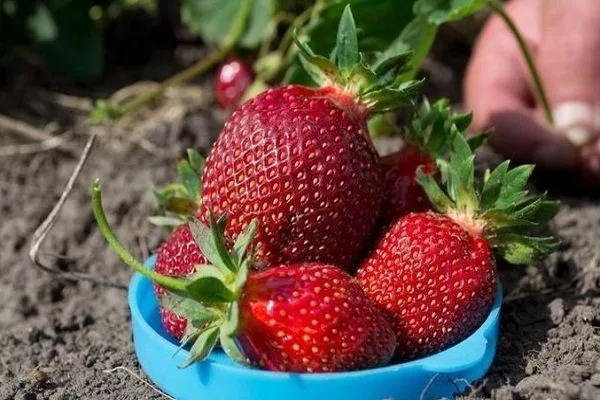
The bushes are healthy and strong, with numerous fruiting shoots, and can withstand prolonged frosts without harm. They are susceptible to spider mites and nematodes, but resistant to powdery mildew and fungal diseases, including gray mold.
Early Lviv
An early dessert variety with excellent yields (up to 200 centners per hectare), bred at the Lviv Experimental Horticultural Station. The glossy, bright red fruits are conical in shape with a prominent neck and medium in size. They are juicy, firm in texture, and very aromatic, with a sweet, slightly tart flavor.
The first harvest is up to 25 g, the following harvests are about 10 g. They are mainly consumed fresh, but can also be used for canning.
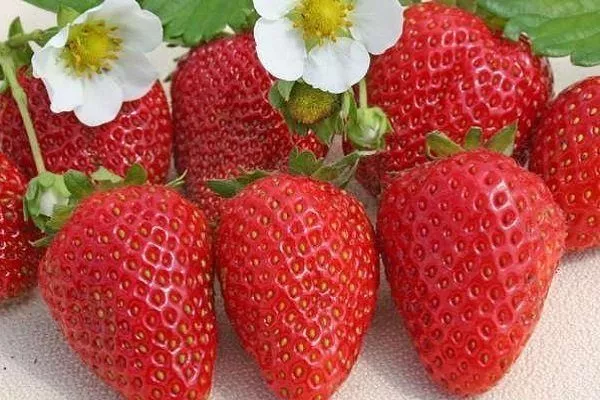
Medium-sized plants are undemanding in any type of soil, adapt well to various weather conditions, and are not particularly cold-tolerant. It is recommended to cover the beds with a heat-retaining material; ordinary spruce branches will do. They are susceptible to strawberry mites, but are not susceptible to other pests and diseases.
Idun
A versatile strawberry, developed by Danish breeders specifically for challenging climates. It's not picky about soil but appreciates ample watering during flowering and ripening. The first round fruits can be enjoyed as early as the second half of May.
The berries have juicy, airy flesh and are slightly flattened on the sides. They taste sweet with a hint of tartness. Their loose structure makes them difficult to store or transport for long periods.
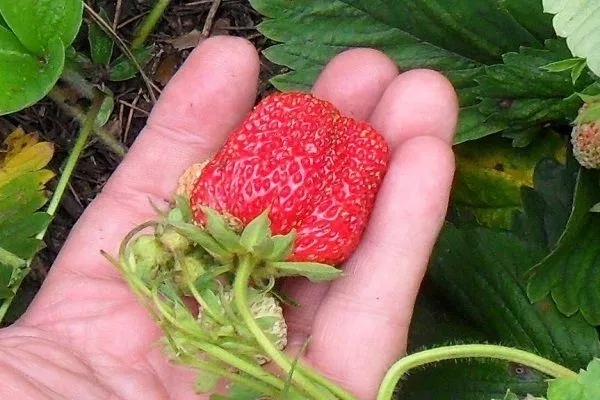
The strong, tall bushes are compact and disease-resistant, with a medium number of rosettes and tall flower stalks. The only threat to the harvest is gray mold. The undeniable advantage of this variety is the high regenerative capacity of the green part of the plant.
Omsk early
A popular variety developed at the Siberian Research Institute of Agriculture by crossing "Iduna" and "Novinka." The red, obtuse-conical berries are small, weighing up to 10 grams, and have an unrivaled flavor and are very sweet. They are renowned for their high vitamin C content. The first harvests are possible as early as May, and they bear fruit throughout the warm season. The rich, vibrant flavor is intensified during processing.
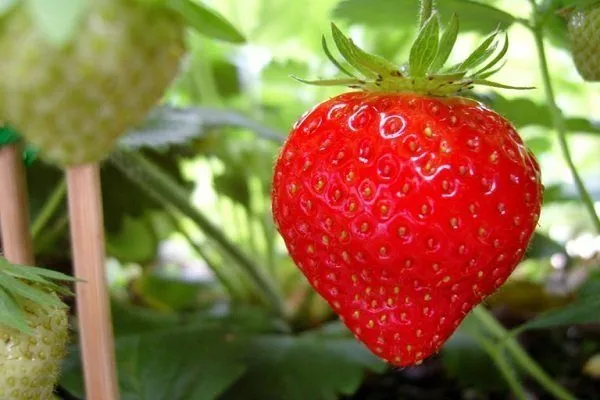
Compact plants with low flower stalks are well-foliated, not afraid of sub-zero temperatures and resistant to diseases and pests.
Remontant
Remontance is the ability of plants to bear fruit several times during one season.
These types of berry crops require close attention from gardeners. The following are among the most suitable conditions for the Siberian expanses.
| Name | Yield (c/ha) | Berry weight (g) | Disease resistance |
|---|---|---|---|
| Queen Elizabeth II | Not specified | 80-100 | High |
| Lord | 192 | 50-70 | High |
| Honey | Not specified | 30-40 | High |
Queen Elizabeth II
Strawberry Elizabeth 2 – one of the latest innovations. Its pronounced everbearing properties allow you to enjoy ripe berries from June to October. The bright red fruits are quite large, with some reaching 80-100 g! The high density of the pulp is ideal for transporting the harvest without loss of quality or appearance.
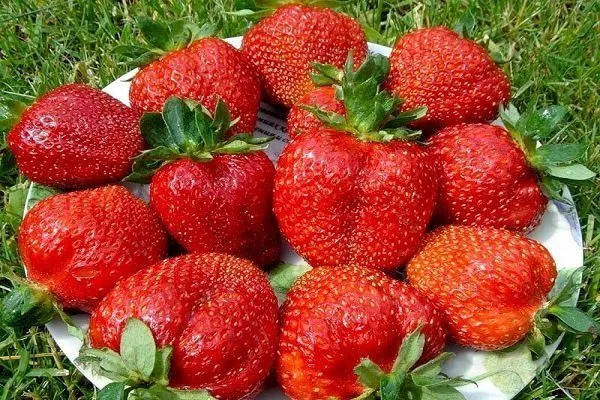
'Queen Elizabeth II' demonstrates remarkable cold and disease resistance, comparable to traditional regional varieties. The strawberries become smaller over time, so it's recommended to replant them every 1-2 years.
Lord
A mid-early variety with high productivity (192 centners per hectare). The first berries appear in early July. They are large (50-70 g), juicy, and aromatic. The second wave of harvest ripens in late summer, and although the fruit size is smaller than the July wave, this does not affect the taste.
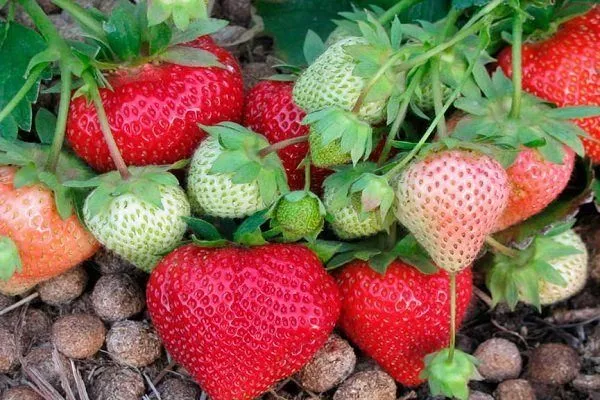
The 'Lord' strawberry variety requires little maintenance and is resistant to low temperatures and diseases. It adapts well to various weather conditions, preferring sunny locations and supplemental watering. It is versatile and considered a commercially viable variety.
Honey
This early variety originates from the USA and can be enjoyed as early as May. When grown indoors (in a greenhouse or under agrofibre), the harvest ripens several weeks earlier. Large, slightly tart fruits weighing 30-40 grams have medium-dense red-orange flesh with a distinctive aroma. The second flush of the harvest ripens at the end of the summer season.
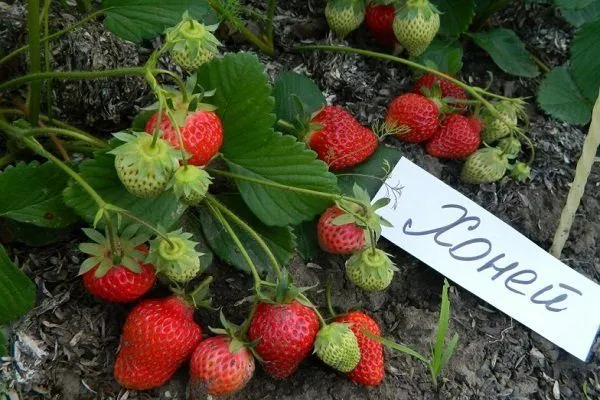
Compact bushes with strong, developed rhizomes are sensitive to high humidity, but can withstand winter cold and are resistant to common berry diseases. Strong flower stalks easily support the weight of ripe berries.
Other varieties suitable for Siberia
Above, we've discussed the most popular strawberry varieties for Siberia. But the variety is vast, and we suggest exploring other berry varieties that will thrive in a Siberian gardener's plot.
| Name | Yield (c/ha) | Berry weight (g) | Disease resistance |
|---|---|---|---|
| Amulet | 200 | Not specified | High |
| Alexandrina | 111 | 15 | Average |
| Berdsk early | 130 | Not specified | High |
| Borovitskaya | Not specified | 15-20 | High |
| Darenka | Not specified | Not specified | High |
| Marshmallow | 100 | 40-50 | High |
| Kama | Not specified | 30 | Average |
| Marishka | Not specified | 25 | High |
| Pavlovchanka | 100 | 30 | Average |
| First-grader | 134.5 | 30 | Average |
| Tanyusha | Not specified | 10-15 | High |
| Torpedo | Not specified | 10-15 | Average |
| Junia Smaids | Not specified | 15-30 | High |
Amulet
A mid-season variety with an excellent yield of 200 centners per hectare. Ripe, cone-shaped, dark-red fruits have a vibrant flavor and aroma, and are excellent both ripe and for preserves (compotes and jams). The firm texture of the berries allows them to retain their shape well, making them ideal for freezing and transportation. Fruiting is a single-fruiting season.
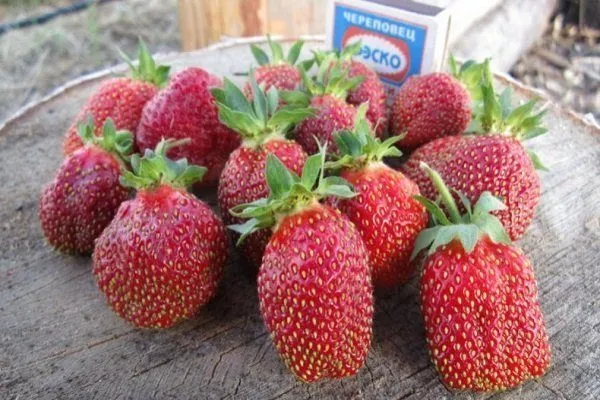
These medium-sized bushes require little special care and are suitable for dense plantings. They are resistant to the Siberian climate and the "transparent" mite. They produce few runners.
Alexandrina
An Alpine variety with a high yield (111 centners per hectare). It is everbearing and bears fruit from June to October. The berries are oblong, small, about 15 g each, and have a sweet and sour taste.
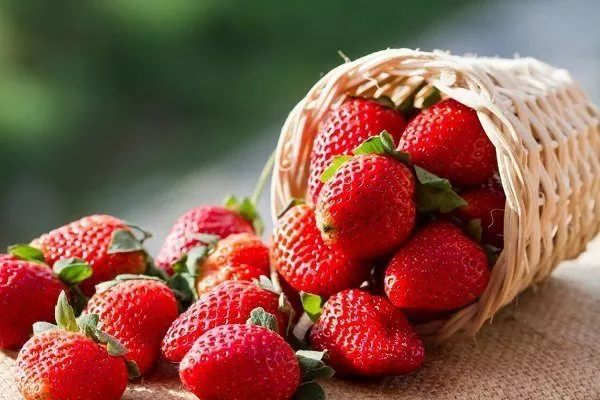
These neat plants with large leaves are often used as decorative elements in horizontal and vertical gardening. They tolerate low temperatures well and are drought-resistant. In rainy weather, they can suffer from fungal diseases, which can be prevented with a proper planting pattern and adequate ventilation.
Berdsk early
A strawberry bred at the I.V. Michurin Novosibirsk Zonal Fruit and Berry Station. As its name suggests, it is an early-ripening variety. The berries are red, sweet and sour in taste, and conical in shape. They are versatile in use and boast a good yield of up to 130 centners per hectare.
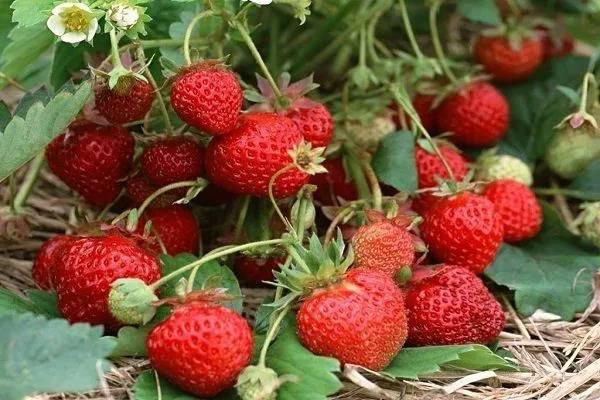
The bushes are compact, with the receptacle at leaf level. They have excellent resistance to gray mold and strawberry mite. They tolerate Siberian weather well, but are best grown under plastic.
Borovitskaya
A late-ripening variety developed at the All-Russian Selection and Technological Institute of Horticulture and Nursery. The sweet fruits, weighing 15-20 grams, have firm, light-red flesh. Suitable for processing, canning, and freezing.
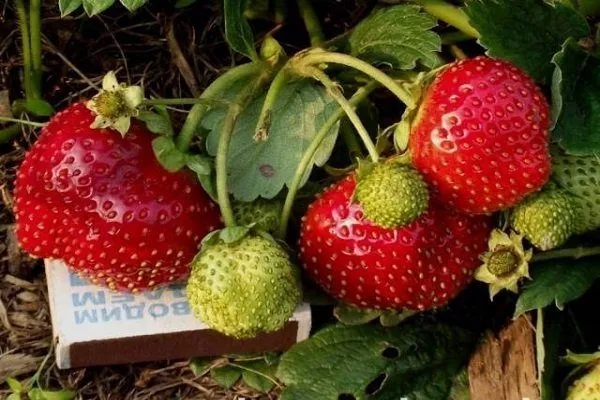
Vigorous, upright plants with dense foliage. Flower stalks are strong and long, with good fruit set. They are resistant to frost, drought, and disease.
Darenka
A garden strawberry bred at the Sverdlovsk Horticultural Breeding Station. The blunt, conical, glossy red berries have a distinct neck. The flesh is plump, strongly aromatic, and sweet, and tolerates transportation well when properly prepared. An early variety, it is one of the first to appear on store shelves.
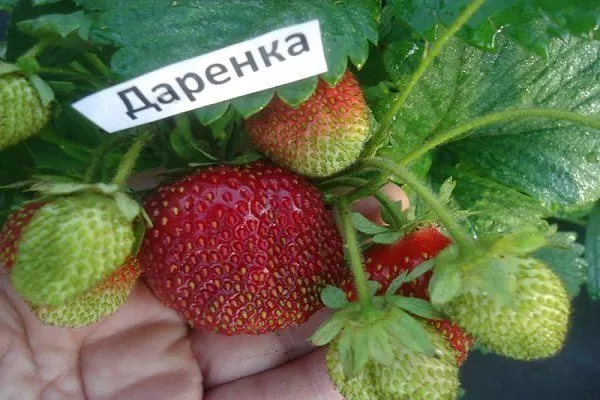
Medium-sized, upright bushes with large, pubescent leaves. Each plant requires sufficient space (at least 50 cm apart). Standard care: water the strawberries, treat for diseases and feed.
Marshmallow
The result of Danish breeders' efforts. Large (40-50 g), crimson fruits with a delicate pink texture and fine light veins possess a vibrant aroma and sweet flavor. The earliest berries can be harvested as early as late May. This versatile variety, with an average yield of 100 c/ha, is suitable for canning, freezing, and shipping.

The plants are neat, with pubescent leaves and strong flower stalks, and don't require frequent repotting (replanting every four years). They are resistant to rot and powdery mildew. In snowy winters, they tolerate temperatures below -35 degrees Celsius. Weekly watering and regular fertilizing will improve the bushes' fertility.
Kama
An early everbearing variety with Polish roots. Popularly known as the "Black Prince." The berries are large, about 30 g, round, and burgundy at peak ripeness. They are very tasty and juicy. The first fruits ripen in late May – early June. Suitable for commercial sale.
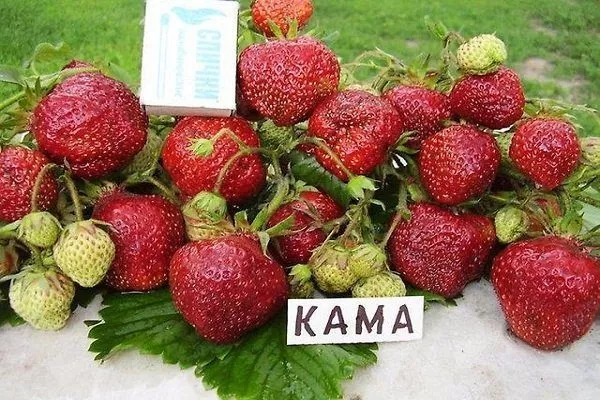
Low-growing bushes with a well-developed root system produce few runners and bear fruit for a long time. Flower stalks are below leaf level. With mulched beds, they tolerate dry weather well. They are susceptible to white and brown mold. The flowers do not tolerate freezing temperatures.
Marishka
A mid-early variety bred by Czech specialists. Its distinctive feature is the shape of its bright red berries. -They are large, averaging 25 g, and oblong. They have a pleasant aroma and wonderful flavor. Remarkably, the fruits do not tend to shrink with each harvest.
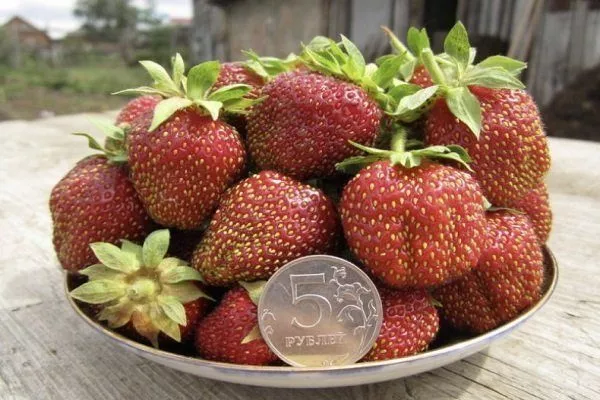
Low-growing plants are resistant to diseases and weather conditions. Flower stalks are located above leaf level, allowing for easy, uninterrupted harvesting. They are susceptible to red root rot. For the winter, the beds must be covered with insulating materials.
Pavlovchanka
Strawberries with excellent flavor, grown at the Leningrad Fruit and Vegetable Station, are early varieties with a low yield (100 centners per hectare). The very first ripening produces large berries, up to 30 grams. With each new season, the fruits become smaller. Inside, they are pink and firm. Juicy and fragrant, with a sweet and sour taste. They are ideal for home growing and canning.
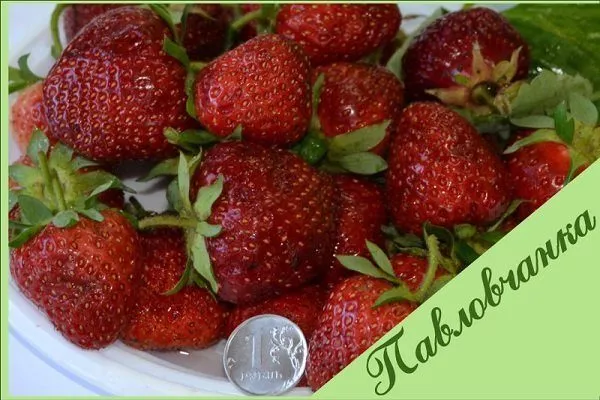
Spreading bushes with medium-length flower stalks and dense foliage. Winter-hardy, moderately drought-tolerant. May be susceptible to leaf spot and gray mold.
First-grader
A cross between "Fairy" and "Torpedo." This non-everbearing variety has a long fruiting period, producing up to 5-7 berry harvests per season, and a good, stable yield of 134.5 c/ha. The first fruits are large, up to 30 g, rounded with dark grooves, then decrease in size, retaining their flavor and aroma.
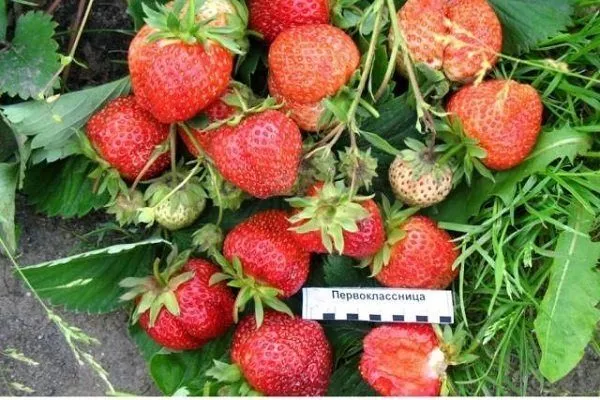
The plants are vigorous, with pubescent petioles and leaves with a noticeable waxy coating. This rare variety produces good yields even in partial shade. In damp summers, powdery mildew and gray mold may occur, but the severity is mild.
Tanyusha
This mid-season variety, developed at the I.V. Michurin Novosibirsk Zonal Fruit and Berry Experimental Station, was bred specifically for Siberian latitudes. The blunt-conical berries are small, weighing 10-15 g, with red flesh and an apricot aroma. They retain their flavor after heat treatment.
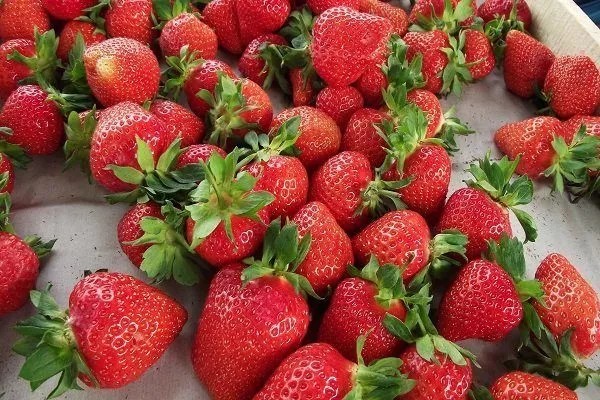
Vigorous, semi-spreading bushes with dense foliage resist the vagaries of weather, cyclamen mites, and fungal diseases. Yields are highest only in the first two years; after that, repotting is recommended.
Torpedo
A mid-season, non-remontant variety. A signature feature - Elongated oval berries with a deep strawberry aroma and distinct tartness. They weigh no more than 10-15 g, and the flesh is juicy and firm. They are versatile, suitable for both freezing and canning.
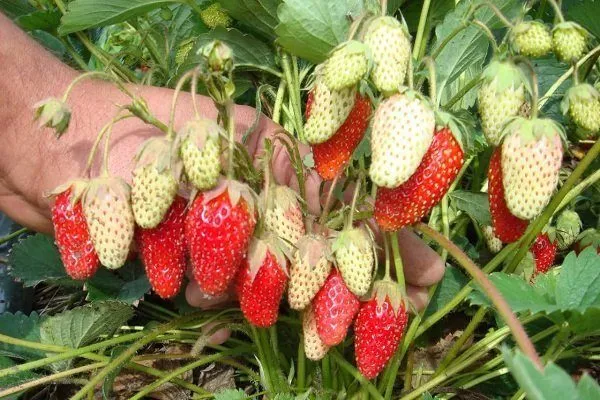
Neat bushes with small leaves get along in any climatic conditions, but are susceptible to gray mold.
Junia Smaids
A berry bred at the Latvian Research Institute of Agriculture and Agricultural Economics. The obtuse-conical, grooved fruits have a sweet-and-sour flavor and a mild aroma, while the flesh is red and tender. The first harvest yields up to 30 g, and subsequent harvests yield 15-20 g.
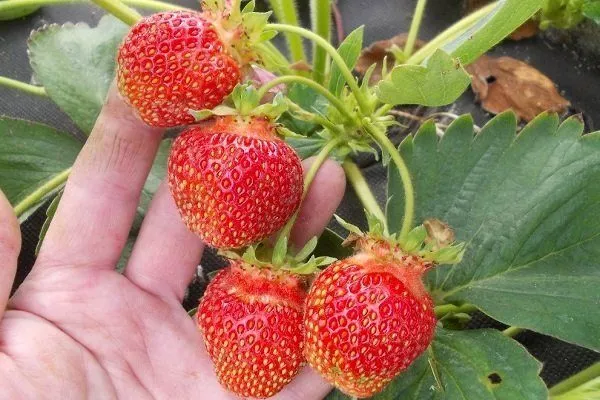
Tall plants with good frost resistance and tolerance to dry periods. Semi-spreading, well-foliated, with inflorescences and leaves arranged at the same level.
Choosing the right strawberry variety for your Siberian dacha and getting excellent harvests is best achieved by combining several varieties in a sunny garden bed. Timely watering and fertilizing will allow you to enjoy your own berries all summer long.
Growing crops in northern regions is difficult, especially delicate ones like strawberries. My mother lives in Siberia, so I recommended the varieties mentioned in your article to her. She settled on Lord and Amulet. It's already been two years. She asked me to thank you, as the strawberries are really doing well and are even bearing fruit.