
The Roxana strawberry is a late- to mid-season variety that is easily grown commercially due to its excellent shelf life and marketability. It can be grown both in open beds and greenhouses. It produces large berries, has good disease and pest resistance, and average yield.
Origin and official registration
The Roxana strawberry variety, created by Italian breeders, was introduced to the world at the end of the 20th century. Its unique characteristics were honed at the New Fruits company, located in the suburbs of Cesina. Since 2001, seedlings of this variety have been available for purchase.
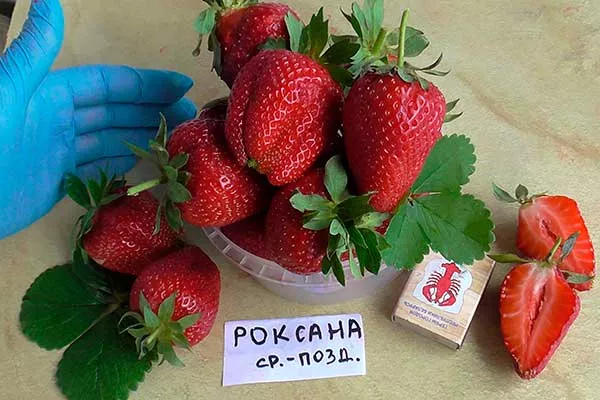
The variety was first cultivated in Russia in the early 2000s under the breeding name NF 205. NF Company includes two agro-nurseries, Radji and Geoplant. The variety was officially registered in the Russian State Register only in 2014.
Appearance of the plant
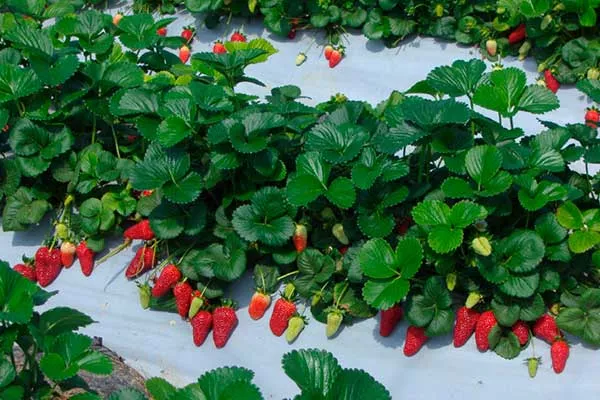
The bushes are considered vigorous and robust. The crown is semi-spherical and densely foliated, though under less favorable growing conditions, the foliage may be somewhat thinner. Other characteristic features include:
- shape of leaf blades – oval, with rhombic features and concave;
- foliage color – dark green;
- stipules – shortened but narrow;
- leaf sizes – large;
- type - medium wrinkling;
- green mass surface – glossy;
- edges – jagged, sharp;
- type of peduncles – elongated, thickened, semi-spreading;
- number of flowers – insignificant.
Commercial and consumer qualities of berries
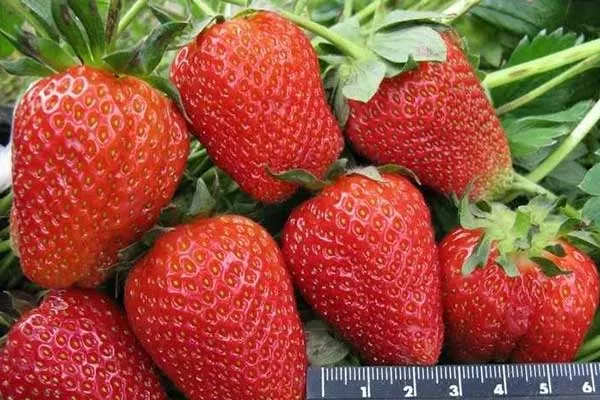
This strawberry is distinguished by its small berries, weighing up to 35g at first, but later on, their weight ranges from 60g to 80g. Initially, the fruit's shape is unusual, tulip-like. Later, it develops into a regular cone-shaped and slightly elongated fruit.
Other parameters:
- the color at the beginning of the growing season is usually red, but as it ripens it darkens significantly;
- the shade also depends on weather conditions - the more sun, the redder the tone;
- the surface is shiny;
- the seeds are located superficially;
- the taste is distinguished by its increased sweetness and is considered a dessert;
- the aroma is bright and exclusively strawberry;
- the pulp is compacted at the middle level, therefore the juiciness is increased;
- The flesh is lighter in color than the skin, and the core itself is almost white.
Scope of application
Strawberries can be enjoyed fresh or processed into a variety of preserves. Strawberry leaves are often used in folk medicine. Roxana is beneficial for:
- creation of compotes, fruit drinks and kissels;
- preparation of dairy delicacies, including yoghurts, cocktails, ice cream, smoothies;
- winter supplies in the form of jam and jellies;
- culinary fillings: for pies, cakes, desserts, dumplings;
- production of tinctures, wine and other alcoholic beverages;
- Storing berries frozen: whole or chopped;
Ripening time and fruiting characteristics
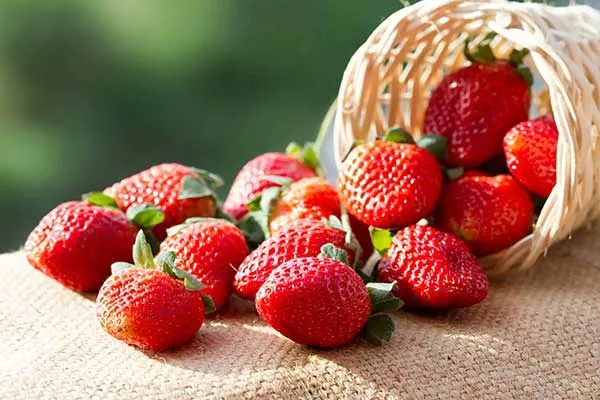
This variety ripens 8-10 days later than the famous Honey and Alba varieties, so the berries can be enjoyed after June 15th or a little later. The berries ripen all at the same time on the bushes, making them easy to pick.
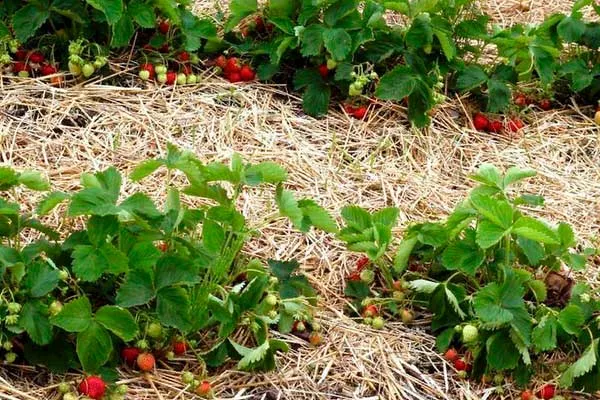
Other nuances:
- Gardeners confirm that with careful care and favorable weather conditions, up to 1.5 kg of berries can be harvested from one plant, especially in the second or third year of growth.
- The yield per acre can reach from 90 to 100 centners.
- In the first year of fruiting, only 1-2 flowers are formed on the peduncle.
- The variety has many tendrils with well-developed rosettes.
- The flowers are large, white, untwisted, and bisexual, with high-quality pollen, which guarantees a stable harvest and excellent marketability for most berries that fall into the first category.
Disembarkation times and rules
Roxana is well-adapted to both open-field cultivation and cultivation under protective film in greenhouses and hotbeds. For strawberries to bloom and produce a bountiful harvest, the planting location in the garden must meet the following conditions:
- be protected from cool winds;
- be sufficiently illuminated by the sun;
- be located on a small hill or on a southern slope;
- have sufficient soil drainage properties so that groundwater does not rise close to the surface;
- The soil substrate must be nutritious, light, provide good moisture permeability and aeration of the roots, with a neutral or slightly acidic pH reaction.
- ✓ The optimal soil temperature for planting should not be below +8°C.
- ✓ To prevent fungal diseases, it is necessary to ensure a distance of at least 0.5 m between bushes.
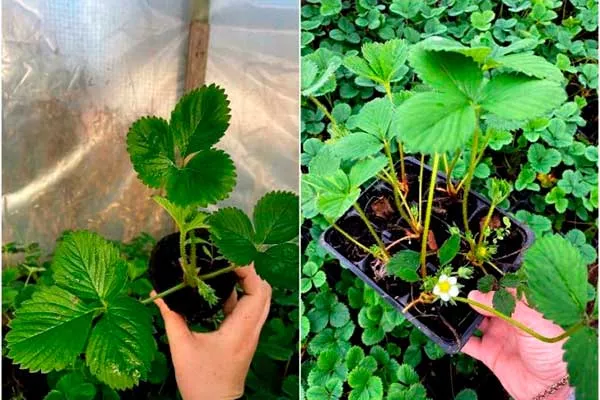
When choosing a planting site, it's important to follow crop rotation principles. This berry variety is recommended for planting after crops such as dill, onions, parsley, garlic, legumes, radishes, and rapeseed. It should not be planted after nightshade crops, as they share diseases with strawberries.
Other varietal characteristics:
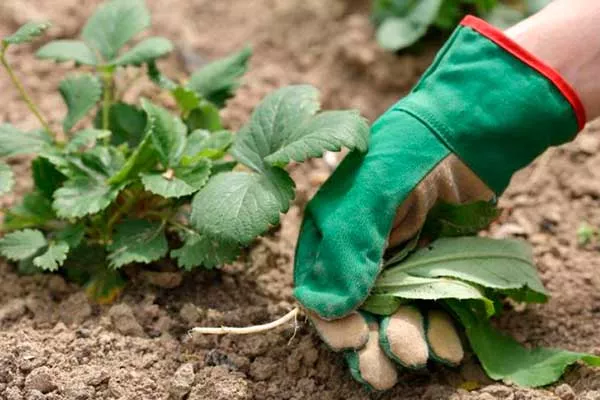
- The time for planting rosettes of this strawberry variety is the first ten days of August or the first days of April.
- The first step in preparing the site is to clear away all plant debris and roots. Then, add organic fertilizer, such as humus/compost/rotted manure, at a rate of 7-9 kg per square meter, and 450-550 g of wood dust. After this, loosen the soil to ensure even distribution of the fertilizer.
- The bushes should be placed strictly in the direction from north to south.
- The minimum distance between plants should be 0.35-0.45 m, and the width between rows should be 0.7-0.8 m.
- Young seedlings should be planted so that their root system does not go deeper than the soil level of the container from which they were taken.
- After planting, be sure to water the seedlings thoroughly and cover the root zone with a layer of mulch. Straw, leaf litter, or wood shavings can be used, but the mulch layer should be at least 5-6 cm thick.
How to care?
Roxana must be grown according to certain requirements, as the variety is not considered unpretentious:
- For this strawberry variety, it's preferable to use a drip irrigation system, which ensures continuous soil moisture in the strawberry beds while preventing stagnation. If drip irrigation isn't feasible, traditional irrigation using warm, settled water should be used.
Watering is done once a week. In hot weather with a lack of moisture, watering is increased, while in rainy weather, watering is reduced. - The flower stalks of this variety are quite strong, but they tend to droop under the weight of ripe fruit. To prevent berry contamination, rot, or pest damage, it's advisable to regularly cover the soil beneath the strawberries with straw or fallen leaves, which also helps retain moisture.
- During the spring and summer months, strawberries need to be fertilized at least three times:
- Spring fertilization begins with an ammonium nitrate solution. The fertilizer should be sprayed only near the roots to prevent contact with leaves and buds.
- When the strawberry bushes begin to set fruit, it's time to apply wood ash. Prepare the solution by adding 200-250 g of the substance to 10 liters of water, let it steep for 24 hours, filter, and then spray the strawberry bushes.
- After harvesting, fertilize for the last time using any organic compounds.
- Preparations for winter should begin in October or November, before the average temperature drops below 0 degrees Celsius. Strawberry bushes should be covered with sawdust or hay to a depth of 10-12 cm and can be additionally covered with pine needles.
An alternative is to mound strawberries with humus or peat. During the winter months, create conditions for snow retention in the strawberry patch, which is especially important in regions with low temperatures. With the arrival of spring, the covering materials are gradually removed; otherwise, the strawberries may die from overheating or rot.
How to prevent pests and diseases?
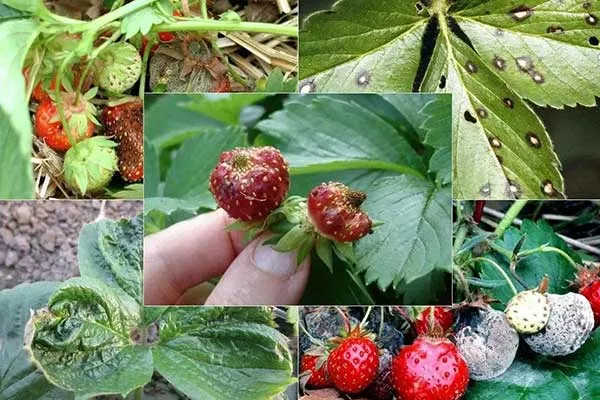
Although Roxana is highly resistant to various diseases and pests, regular preventative treatments are still recommended. Before you begin, here are some tips:
- It is advisable to carry out the first irrigation in the spring, when the air temperature rises to +10-13 degrees.
- In the arsenal of plant protection products, the biological preparations Fitosporin and Fitocide deserve special attention.
- To combat insect pests, which often include aphids, thrips, and strawberry mites, insecticides such as Actellic and Actofit are used.
- You should be especially careful when spraying strawberries with Bordeaux mixture or other preparations containing copper, which effectively protect strawberries from fungal infections.
| Method | Efficiency | Period of application |
|---|---|---|
| Biopreparations | High | Early spring |
| Insecticides | Very high | At the first sign of pests |
Possible reasons for the decline in yield
There are several reasons why the yield of a variety can drop sharply:
- overcrowding of landings;
- errors in the irrigation system;
- excessive use of mineral fertilizers;
- no weeding, plowing or bush formation;
- failure to comply with the landing plan.
According to the variety's characteristics and reviews, only by creating optimal conditions and strictly following agricultural recommendations can one expect the stated yield.
Propagation of Roxana strawberries
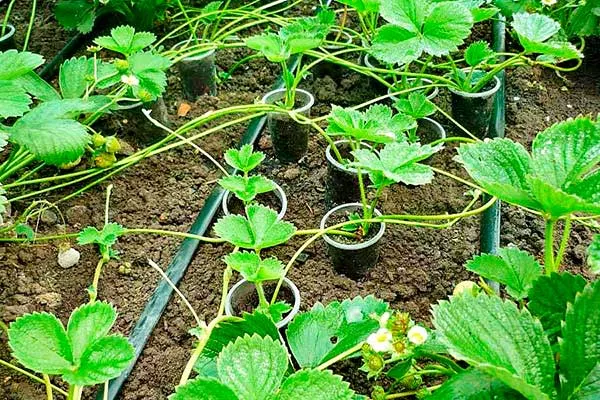
Every gardener can provide their own planting material to increase their crop and restore lost bushes. Roxana strawberries are excellent for vegetative propagation, allowing you to grow a new strawberry that will be a perfect copy of the parent plant. This can be done by dividing the bushes and using runners.
Collection and storage of varieties
Roxana's fruits are excellent transporters. Late-ripening berries retain their flavor for up to a week. They don't leak juice or lose their original shape.
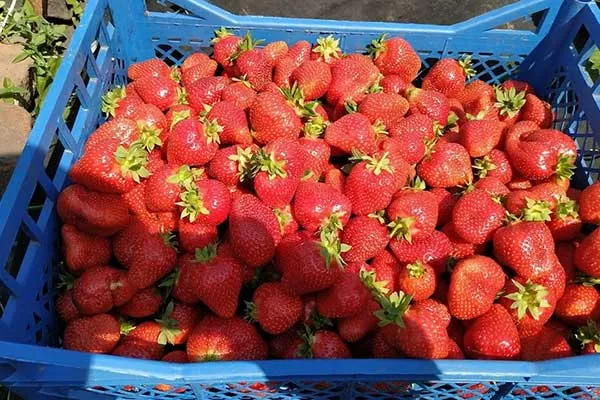
After harvesting the fruit, store it in special fruit crates or wicker baskets, choosing a cool, dark location. Ensure good air circulation.
Advantages of the variety
Key benefits of this type of strawberry include:
Disadvantages of the variety
The disadvantages of this variety include the following:
Reviews
The Roxana strawberry is the brainchild of Italian breeders, but it has also become popular in our country. This is due to its disease resistance, consistent fruiting, and the large, sweet berries. Despite this, it is important to strictly adhere to all agricultural requirements.