
Premy is a large-fruited, mid-early ripening variety of garden strawberry. This foreign variety has only recently appeared, but has already won the hearts of gardeners for its high yield, gigantic berries, and resistance to disease and adverse weather conditions.
Who developed the variety and when?
This strawberry variety was developed in 2020 by Italian breeders. It was developed by Consorzio Italiano Vivaisti. It is billed as highly productive and adaptable to various climates.
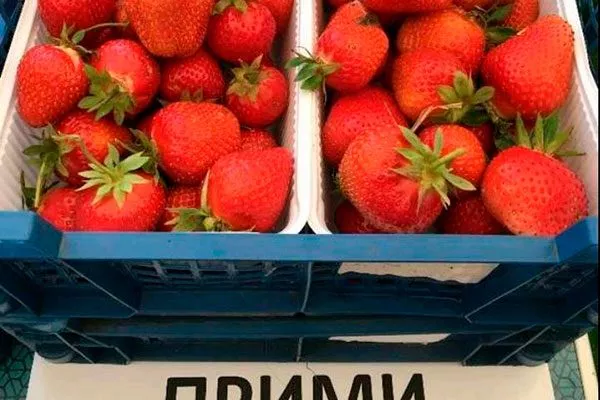
Primi is not listed in the Russian state register. However, many domestic agricultural firms and nurseries sell seedlings of this variety. They are purchased by gardeners seeking a bountiful harvest of giant strawberries in their gardens.
Description of the variety
Primi is a long-lived variety. Growing in one place, these bushes bear fruit abundantly for 5-6 years. Their yield does not decrease, and the berries do not become smaller.
Bushes
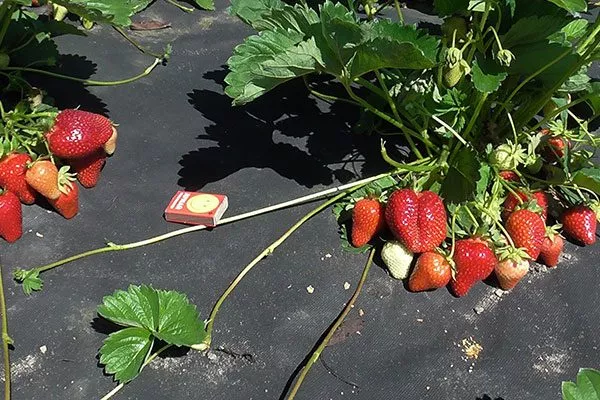
Plants of this varietal variety are distinguished by the following features:
- power;
- tall (their “height” reaches 0.2-0.3 m);
- compactness, since they are slightly spreading;
- large dark green foliage;
- tall and strong flower stalks that bend to the ground only under the weight of ripe giant berries;
- well-developed root system;
- a small number of whiskers.
Berries
The fruits of the Primi berry crop have the following characteristics:
- large sizes (their weight varies from 60 to 120 g);
- oval-conical shape;
- skin is dark cherry-colored with a glossy sheen;
- yellow seeds pressed into the skin;
- pulp: moderately dense, without crunch, juicy;
- strong aroma with nutmeg notes.
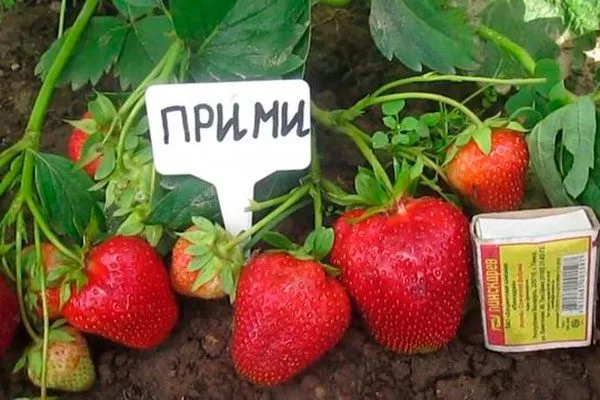
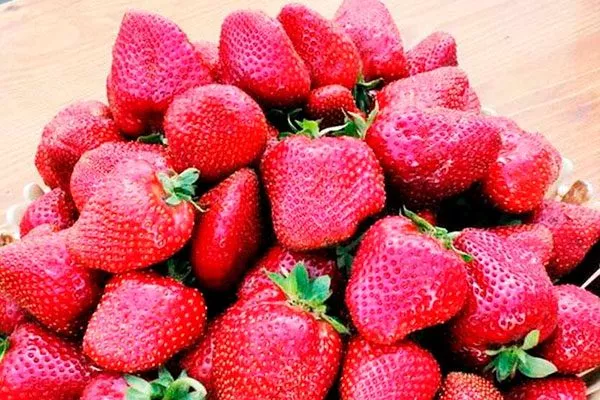
This strawberry variety is not only large, beautiful, and fragrant, but also has a pleasant, refreshing flavor. It's sweet with a hint of tartness. It has a tasting score of 4.5 out of 5.
Productivity
Primi is considered a high-yielding variety of garden strawberry. However, the productivity of its bushes directly depends on the amount of fertilizer applied.
The yield indicators of the variety are as follows:
- 1-1.5 kg per bush - without intensive use of fertilizers;
- 2.5-3 kg per bush - with enhanced nutrition of the strawberry planting and the most favorable growing conditions.
Ripening period
This variety is considered a mid-early garden crop. The first berries appear on its bushes in early June. In northern regions, this occurs later. Fruiting begins in the second year of the plant's life and lasts for at least one month.
Flowering and pollination
In spring (April-May), this variety's strawberry bushes produce a profusion of flowers. They have the following characteristics:
- average value;
- white color of petals;
- very large amount of pollen.
The flowers of Primi are bisexual, which facilitates good pollination of the planting.
Winter hardiness and drought resistance
This variety has above-average frost resistance. It tolerates temperatures as low as -17°C. It also has good tolerance to short-term drought.
Cultivation regions
Primi grows and bears fruit well in the climates of most European countries. It is suitable for cultivation in the central part of Russia. This variety is also successfully grown by Russian gardeners in other parts of the country, such as:
- Siberia;
- Ural;
- Far East;
- southern regions.
Using berries
The garden strawberry harvest has a universal purpose:
- berries are eaten fresh;
- used for making jam, preserves, and compote;
- canned;
- freeze.
Heat treatment and freezing of Primi strawberries does not change the structure of the berry and does not deprive it of its rich aroma.
Advantages of the variety
The berry crop of this variety has many advantages that distinguish it from other varieties and hybrids:
Disadvantages of the variety
Primi also has several disadvantages:
Landing rules
If you've purchased Primi seedlings, choose the right spot in your garden for strawberry planting. It should meet the following requirements:
- be sunny;
- reliably protected from wind and drafts;
- with loamy fertile soil with neutral acidity (if the soil is acidic, add limestone);
- without stagnant moisture (deep groundwater is preferable, since bushes of this variety do not tolerate over-watering).
- ✓ The soil pH level should be strictly within 6.0-6.5 for optimal nutrient absorption.
- ✓ The groundwater depth must be at least 1.5 m to prevent root rot.
Do not allocate a plot of land for strawberry beds where you previously grew the following garden and vegetable crops:
- raspberries;
- tomatoes;
- potatoes.
Garden strawberries of this variety are very demanding of soil fertility. Prepare the growing area in advance by enriching the soil with nutrients. When tilling the soil in the fall, add the following fertilizers:
- compost or humus - 8-10 kg/sq. m;
- superphosphate - 40 g/sq.m;
- potassium sulfate - 30 g/sq. m.
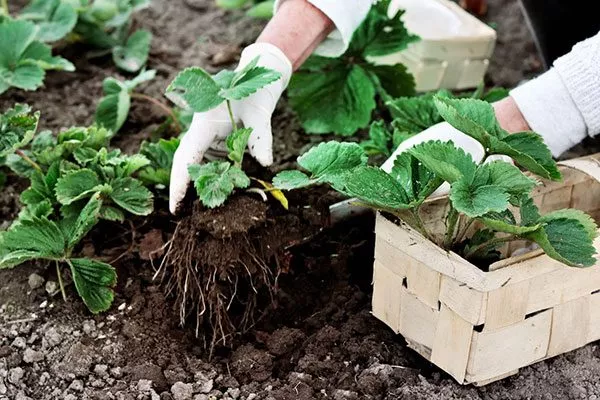
Plant compact bushes of Primi in the beds, following this scheme:
- the distance between plants in a row is 30-40 cm;
- between rows - 45-50 cm.
Water the strawberries generously immediately after planting. Then mulch the soil beneath the plants with sawdust or straw. This will prevent rapid evaporation of moisture.
How to care?
By properly caring for strawberry beds of this variety, you'll ensure a rich and high-quality harvest. Primi requires the following care:
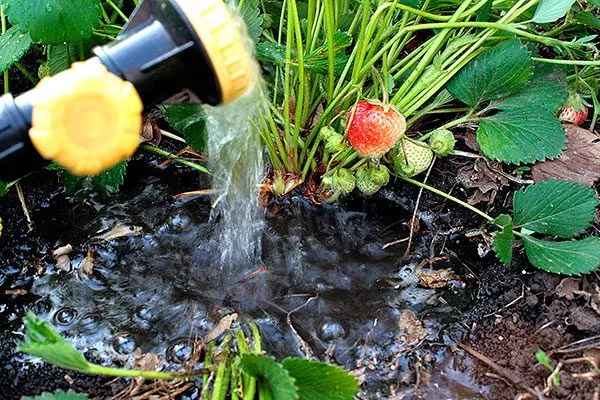
- WateringWater the plants once a week. If the weather is dry and hot, water more often—every 2-3 days. Water consumption per plant is 4-5 liters. A drip irrigation system is the optimal watering option for this variety.
- Cleaning the landingRemove weeds promptly. Don't let them overwhelm your strawberry bed. During the summer months, use pruning shears to remove old, diseased foliage from the bushes. Also trim off any strawberry leaves lying on the ground and any excess runners, then gently loosen the soil and cover the strawberry roots with fresh soil.
- Using mulchDon't be lazy about sprinkling the soil under Primi Solo bushes with straw, sawdust, and peat. Do this every time after watering. This is a simple way to conserve moisture and prevent excessive weed growth.
- FertilizationThis variety requires intensive feeding. In the spring, provide the strawberry planting with nitrogen by fertilizing it with a solution of mullein (1:10) or chicken manure (1:20). Urea or ammonium nitrate are also suitable. Dissolve these substances in water first (the norm is 10 g per 10 l).
During flowering, strawberries need potassium. Feed them with a solution of monopotassium phosphate (15 g per 10 liters of water) or a mineral fertilizer such as Hera, Agros, or Kemira Lux.
Once the harvest is in and the plants begin to form flower buds for next year, feed them with Fertika or Fasco. Don't forget to water the plantings generously and mulch them with a 3 cm layer of compost.
Pest and disease control
Primi is a garden strawberry variety with good immunity. It is moderately resistant to the following berry diseases:
- brown spot;
- white spot.
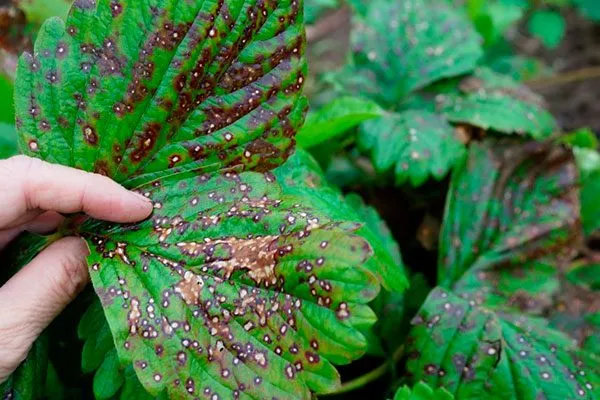
In the spring, treat these strawberry bushes with Bordeaux mixture to prevent disease. You can also use Fitosporin. To protect this variety from root rot, powdery mildew, and mosaic virus, and to combat these diseases, use products such as:
- boric acid;
- sulfaride;
- copper oxychloride;
- Fundazol;
- Trichoderma.
This strawberry plant suffers from pests if not properly cared for. Its plantings are susceptible to attacks by pests such as:
- aphid;
- strawberry mite;
- May beetle;
- nematode.
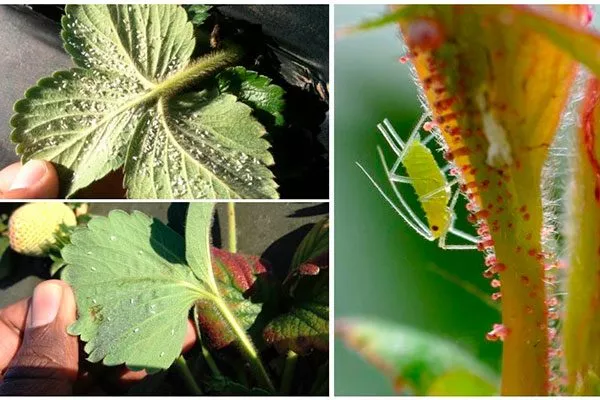
To prevent pests from infecting your berry bushes, spray them with the following preparations before flowering begins:
- Inta-virom;
- Actellik;
- Agravertin.
The use of biological agents such as Fitoverm and Actofit is also acceptable.
Once the harvest is complete, repeat the insecticide treatment. Use the same products as in the spring. Alternatively, you can try folk remedies. Mustard, garlic or onion infusion, bird cherry decoction, and wormwood are all suitable.
Harvesting and storage
As soon as the first ripe berries appear, begin harvesting the Primi. Do this every few days. If the weather is hot, harvest the berries daily. Follow these guidelines:
- start collecting in the morning and evening hours, when the berries are cool;
- do not harvest after rain;
- try to pick strawberries with the stems;
- Use a shallow basket or tray with ventilation holes for collection;
- do not pack the berries tightly to avoid deforming or crushing them;
- collect the harvest immediately into the container in which you plan to store it;
- When placing berries in a container, discard any spoiled or overripe specimens.
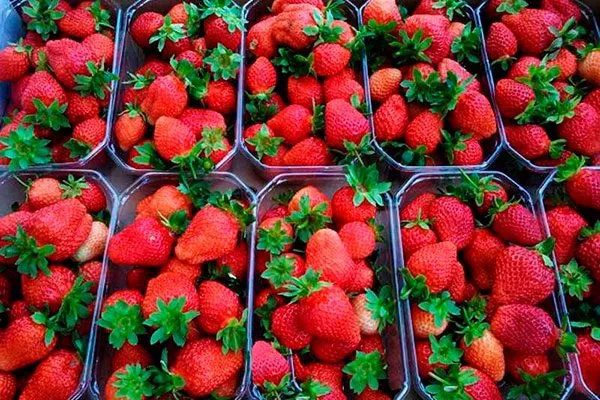
Don't wash the picked strawberries to avoid shortening their shelf life. Store them in a cool place. They'll keep for up to 5 days in these conditions.
Preparing for winter
Primi is distinguished by good frost resistance. When grown in regions with mild winters, there is no need to cover the strawberry plantings. However, in northern regions, the beds will need to be properly prepared for winter:
- weed them out;
- remove tendrils and old foliage, leaving 3-4 young leaves and a growth bud on the bush;
- mulch the soil under the bushes with spruce branches;
- cover the strawberries with agrofibre.
Reproduction
Experienced gardeners propagate this berry variety in 3 ways:
- SeedsTo obtain them, gardeners select the ripest and most beautiful berries, carefully extract the pulp, and dry it. The dried strawberries are mashed and the seeds are removed. The day before planting, the seeds are soaked and treated with a weak solution of potassium permanganate.
The seeds are then planted in a container filled with a potting mix made from equal parts peat, soil, sand, and humus. The seedlings are covered with plastic and left on a sunny windowsill. After three weeks, seedlings will appear. - By dividing the bushTo propagate the Primi strawberry, take a strong bush and divide it into several parts. Each part should have a rosette and developed roots.
- SocketsThis strawberry variety has a moderate capacity for runner formation, but this doesn't prevent gardeners from obtaining high-quality planting material at the end of the season. To do this, the rosettes should be placed in containers (250-500 ml capacity) filled with nutritious soil mixture. They are left near the bushes, lightly buried.
There's no need to trim off the runners with this propagation method. The rosettes will have enough time to fully root.
Gardeners' reviews of the Primi strawberry variety
Primi is a new variety bred in Italy that has won the hearts of Russian gardeners with its large berries, excellent flavor, and stunning aroma. This variety also delights gardeners with its high yield and disease resistance.