
Strawberries are one of the healthiest and most delicious berries. If you follow all the rules for planting and caring for them, you're sure to get a bountiful harvest! But before planting strawberries, you need to choose the most suitable variety.
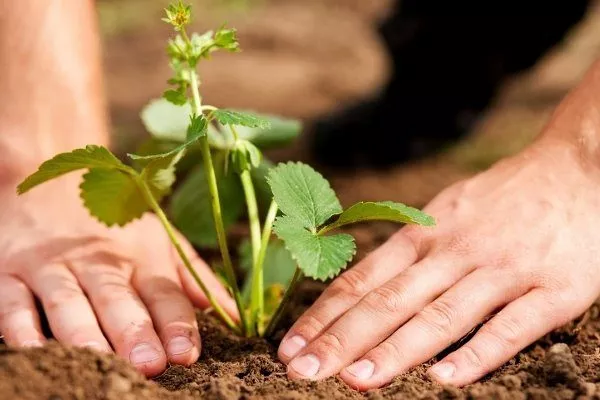
Which strawberry variety should I choose for planting?
The fruit's final product largely depends on cultivation technology and variety selection. There are many strawberry varieties, each with distinct flavor, berry size, and growing conditions. Therefore, variety selection is highly individualized and depends on consumer taste preferences and growing conditions in a given region.
- ✓ Resistance to diseases of a specific region.
- ✓ Daylight hours requirements.
- ✓ Adaptation to the soil type of the site.
Everbearing varieties:
- Elizabeth II;
- Temptation;
- Mara de bois;
- Albion.
The best early varieties:
The best large-fruited varieties:
- Mashenka;
- Chamorra Turusi;
- Victoria;
- Gigantella;
- Marshal;
- Maxim;
- Zenga Zengana.
Features of planting strawberries
Before planting strawberries, it's important to understand the basic rules and methods. Depending on the variety and time of year, a specific planting method will be chosen.
Planting methods
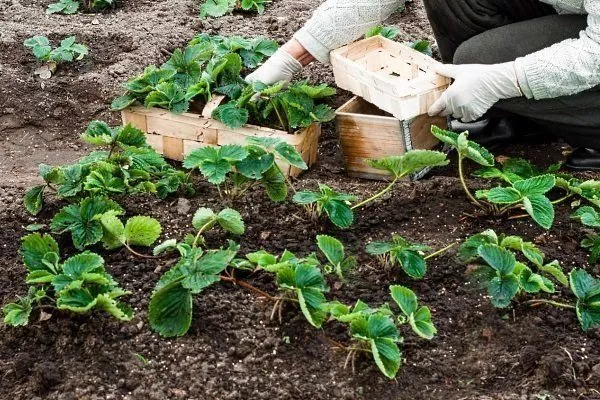
There are 4 main ways to plant strawberries:
- Bushy. With this method, plant the strawberries in individual clumps, spaced 45 to 60 cm apart. Avoid intertwining the plants, so remove tendrils regularly. This helps the clumps develop efficiently and produce fruit regularly.
The disadvantages of this method are that it's very labor-intensive. The soil must be constantly loosened, mulched, and weeds must be controlled. Regularly removing the runners from the plants is also essential.
Advantages: the berries are quite large, as the number of bushes is small and each plant is well ventilated, reducing the risk of fungal diseases. - Planting in rows. With this method, plant the bushes approximately 15-20 cm apart in one or more rows, with the distance between rows being approximately 40 cm. As with the bush planting method, it is also necessary to keep the soil consistently loose, regularly control weeds, and remove excess shoots.
The disadvantages of this planting option are the same as those of the first method. However, the advantage is that a plant planted this way grows and develops remarkably well, and can bear fruit for six years without replanting. - Nesting. Form strawberry nests. Plant one plant in the center, and space six more around the perimeter, 5-8 cm apart. The disadvantages are that a lot of planting material is required, and intertwining the plants in a single nest makes accessing the bushes difficult. The advantage is a superb harvest due to the large amount of planting material.
- Carpet. This is the simplest planting method. With this method, the runners are left in place, allowing the strawberries to spread throughout the entire plot. The advantages are that this method creates a natural layer of mulch under the bushes, creating a favorable microclimate and inhibiting weed growth. This method also requires significantly less maintenance. Unfortunately, however, there is a drawback: the berries become small after a while.
Optimal planting times
It's impossible to give a definitive answer to the optimal time for planting strawberries, as it depends on several factors, including plant variety, growing purpose, and climate. Plants with closed root systems will thrive best if planted in the fall. Seedlings with open root systems thrive better in the spring.
It is advisable to plant common strawberries in late summer or early autumn, and everbearing varieties in the spring after the end of frosts.
Soil for strawberries
One of the key factors for a good strawberry harvest is the quality and composition of the soil where you plan to plant it. Important factors include the presence of nutrients in the soil, as well as its acidity.
- 2 weeks before planting, add humus at a rate of 5 kg per 1 m².
- Check the soil pH level and adjust it if necessary to 5.5-6.5.
- Treat the soil with a solution of potassium permanganate for disinfection.
Before planting, the soil must be properly prepared. It's crucial that the soil be light and allow moisture and nutrients to pass through freely. Strawberries grow well in black soil and sandy loam. The plant does not thrive in clay and soddy soils.
Before planting, add sand, if necessary, to loosen the soil. Strawberries prefer acidic soil, with a pH of approximately 5.5-6.5.
Planting strawberries in spring
One of the main advantages spring planting of strawberriesThe advantage of this method is that by autumn, the plant has time to develop a good root system and is less susceptible to winter frost. Because the soil has absorbed the meltwater, the plant requires less watering. The main disadvantage is that a good harvest cannot be expected until the following year.
Planting strawberries in autumn
The advantage of planting strawberries in the fall is that you can enjoy a harvest the following year. In the fall, there's a wider selection of planting material, and strawberries take root more easily in the soil warmed over the summer, so the bushes develop faster and more efficiently.
In the video below, a gardener shares his many years of experience planting strawberries in open ground:
There is only one drawback to autumn planting: the bush must have time to take root before the first frost.
Caring for strawberries
Now let's study the features of strawberry care.
Watering
To ensure a bountiful harvest, strawberries need regular watering, especially if they grow in loamy soil. Water in the morning to allow the moisture to soak in before nightfall. Before the first flowers appear, sprinkler irrigation can be used. Once the flowers have formed, it's best to avoid splashing them with water.
To produce large berries, strawberry plants need to be well-watered. One option is to use a drip irrigation system.
After planting the plant in the ground, be sure to water the bush and sprinkle it with fertilizer. This is necessary to improve water retention in the soil. Pay particular attention to watering during the first few weeks to ensure the plant establishes properly. After a while, watering can be reduced to once every 2-3 days.
You also don't need to overwater strawberries, otherwise they will become less resistant to frost and various diseases.
Fertilizer
To get a good strawberry harvest, it's not enough to just plant a specific variety and water it regularly. You also need to pay close attention to fertilizing, otherwise the berries will become small and lose their sweetness over time. Fertilizer is usually applied to the soil in advance; you can do this when digging in the fall.
During the growing season, you can fertilize the plant 3 times: in the spring(before the first flowers appear), in summer (after fruiting), and in autumn (before preparing the plant for winter). If the soil in the area is not rich in nutrients, fertilize regularly with both mineral and organic fertilizers.
To ensure a bountiful harvest and proper plant growth and development, apply nitrogen fertilizer in the fall. When digging in the fall, add potassium and phosphorus; this will promote root development and sweeten the berries.
If desired, you can replace mineral fertilizers with manure or chicken manure diluted with water. However, be sure to carefully apply the fertilizer according to the recommended dosage, as too much can also negatively impact the plant's health and the quality of the harvest.
We recommend reading the article about fertilizing strawberries in autumn.
Transfer
As soon as the strawberry harvest declines and the soil becomes depleted, it's time to consider replanting. Strawberries thrive when transplanted at any time of year except winter. When replanting, follow these guidelines:
- The seedlings must be young and healthy so that they can recover and produce a harvest.
- Transplant using runners only from plants 3-5 years old.
- Strawberries take root well in places where legumes previously grew; it is highly undesirable to plant strawberries after nightshades.
- Transplant strawberries in the evening or on a cloudy day to prevent the sun from drying out the seedlings. Ideally, keep the air temperature below 20 degrees Celsius.
Watch the following video about transplanting strawberries to a new location:
If you follow all these basic principles, the strawberries will take root successfully and produce a generous harvest the following year.
Weed control
Weed control is an equally important step in growing strawberries. Strawberry roots are very close to the surface and are sensitive to mechanical damage. Therefore, it's crucial to prevent weeds from appearing in the garden rather than to control them later.
Before planting, the area must be thoroughly cleared of not only weeds but also the rhizomes of perennial plants. If the area is large and heavily infested with weeds, then non-selective herbicides must be used.
During the strawberry growing season, one approach is to use mulch. Straw mulch, for example, is a good solution, but the layer should be at least 6-8 cm thick and should be replaced annually.
Alternatively, you can use black film; this will protect the plant from weeds, but will create conditions for the development of fungal diseases and the appearance of slugs.
Modern non-woven covering materials have recently become popular, offering a virtually ideal solution. These materials allow free access of moisture and air, and can be used for at least three seasons. They prevent the development of fungal diseases and slugs, and the soil warms up faster, promoting an earlier berry harvest.
Pruning strawberries
Pruning a plant should be approached with great caution, as it has both positive and negative aspects.
Pros:
- Frost resistance increases, as the leaves are less susceptible to harmful factors, and all energy is concentrated in the root system.
- This effectively combats pests that overwinter on dried leaves.
- The plant's root system develops better - all minerals remain in the root and strengthen it.
Disadvantages:
- After pruning, the plant spends a lot of its energy on recovering, which can negatively affect the yield.
- When pruning, there is a risk of damaging the generative buds, which can negatively affect the future harvest.
- When a plant is pruned radically, the process of photosynthesis is hindered, which leads to the plant growing and developing slowly.
To eliminate all risks associated with pruning, remove foliage with extreme caution. Pay close attention to the plant's buds, and choose the optimal time for pruning to avoid stunting the plant's growth and ensure a high-quality harvest.
In this video, you can clearly see how strawberry pruning is done:
Caring for strawberries during flowering
Strawberries require regular care, and the flowering period is no exception. During this period, the plant requires fertilizing, regular watering, and protection from fungal diseases and various pests. The most effective measures include:
- Loosening the soil – not only helps control weeds, but also provides oxygen to the plant roots, which has a beneficial effect on its growth and development.
- Watering – applied by drip or root application, making sure the roots are not exposed. This is done in the morning and evening, when the sun is no longer so hot.
- Top dressing – a single application of a fertilizer complex is sufficient; you can also feed the plant with boric acid, which strengthens the plant and allows for a good yield.
- Trimming tendrils and leaves – reduces the strain on the plant, allowing all its energy to be used productively for harvesting. Furthermore, it reduces the amount of shade the plant receives, which positively impacts the quality of the berries.
- Removing excess colors – the first flowers are usually small and weak, so they need to be removed so that the plant does not waste additional energy on them, but develops effectively, and is subsequently capable of producing good, large berries.
Preparing for winter
To ensure a good harvest next year, it's essential to properly prepare your plants for winter. The following procedures are essential:
- In the fall, continue to loosen the soil, fertilize, and water the strawberries.
- Remove dry and weak leaves, but do not remove them completely, as this will greatly weaken the plant.
- If you do not plan to propagate the plants, remove all excess tendrils.
- If there are weeds, they also need to be removed, after which they can be used as mulch.
- Plant roots are sensitive to frost and are damaged if temperatures drop below -8°C and there's no snow outside. Therefore, to protect the plant, it's necessary to cover the bushes with a layer of mulch. Straw, humus, or old leaves are all suitable. It's important that this layer be at least 6 cm thick. However, this should be done only when the ground is already frozen; otherwise, if the soil is damp, the strawberry bushes will rot and die. Learn more about mulching strawberries here. this article.
Strawberry propagation
There are several ways to propagate strawberries. It's important to know them all to choose the most suitable one.
Propagation by dividing bushes
There are some strawberry varieties that do not produce runners or produce only a small number of them; in this case, the optimal method of propagation would be by dividing the bush.
The advantage of this method is that it allows propagation from mid-spring until the first frost. With this method, the plant takes root in 90% of cases, and the young bush begins to bear fruit the following year.
Propagation of small-fruited everbearing strawberries by seeds
To propagate by seed, you need to select the appropriate variety. The entire process is very simple and can be accomplished even by an inexperienced gardener:
- Soak the seeds in rainwater for 2-3 days to speed up germination.
- Place the bag with the sprouting seeds in a warm place, but avoid direct sunlight.
- Once the seeds have sprouted, place them in a plastic or wooden box measuring approximately 50x30 cm, or in a container for other plants.
- Sowing in open ground should be carried out when the plant has at least 5 leaves.
Otherwise, care for strawberries grown from seeds, is no different from the previous propagation methods. Ensure regular watering, high-quality fertilizer, and weed control.
Propagation of strawberries by runners
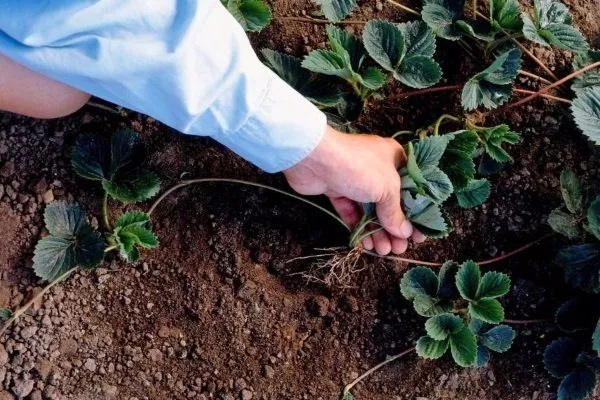
One method of strawberry propagation is runner propagation. A shoot grows from the mother plant, which eventually develops new rosettes and roots. Once the roots have established themselves in the soil, the shoot dries up, and the young plant is separated from the mother plant.
This is the simplest method and requires no outside intervention. However, the formation of new rosettes requires a lot of plant energy, and you can't expect a rich harvest from such a bush. Therefore, it's still advisable to determine which bushes will be used to form new plants and which will bear fruit.
Pest control
To obtain a good and bountiful harvest of this tasty and aromatic berry, it is also necessary to carry out a range of pest control measures.
Most often, strawberries are attacked by insects such as:
- strawberry mite;
- spider mite;
- transparent tick;
- ants;
- slugs;
- woodlice.
The main preventative measures to prevent pests are timely and effective weed control and proper watering. Avoid allowing the area to become overgrown; if strawberries are grown in a greenhouse, it's important to control humidity.
If pests do appear, chemicals can be effective in controlling them, but they should not be used during the plant's growing season. Use only according to the instructions.
Biological pest control products:
- Fitosporin;
- Phyto-plus;
- Zircon.
Strawberry diseases and their treatment
Very important attention should be paid to the fight against strawberry diseases, such as:
- powdery mildew,
- white or brown spotting,
- gray rot.
To prevent these diseases, maintain the correct microclimate and prevent the possibility of infection.
To protect strawberries from disease, first and foremost, purchase healthy, young seedlings, which will be more resistant to disease. Also, ensure the strawberry plot is sunny and well-ventilated.
Diseases can also be controlled using chemicals, but, as with pests, it is necessary to follow the instructions.
Strawberries are an easy-to-grow berry and can grow in virtually any garden or summer cottage. To ensure a good, high-quality harvest with large, tasty, and sweet berries, it's important to follow basic strawberry care principles.