
The Polka strawberry is self-pollinating, producing both male and female flowers. Considered highly productive, it is grown both in garden plots and commercially. It also has other names, including Polka.
Origin and official registration
In 1977, specialists from Plant Research International BV, a company affiliated with Wageningen University in the Netherlands, created a new variety by crossing Induc and Sivetta. The "father" of this variety is the renowned Zenga Zengana, to which it is often compared, citing its advantages. The variety is adapted to continental climates and can even grow in Scandinavia, where winters are particularly harsh.
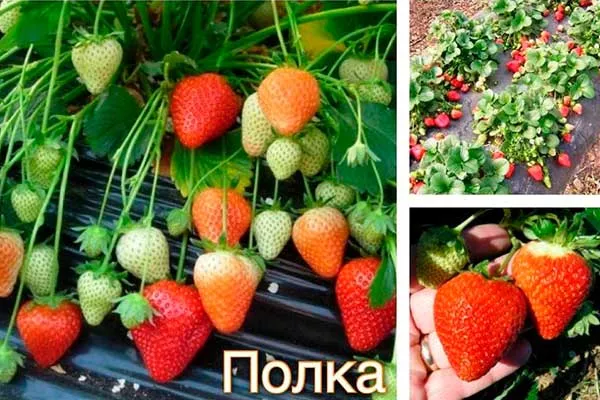
In 2007, it was added to the official list of plants recommended for cultivation in the forest-steppe zone of Ukraine. It has no official status in the Russian State Register, but according to gardeners, the variety has successfully acclimatized and grows well in many regions of the country, including the central part of the country, the Urals, and Siberia.
Varietal characteristics
Polka is a favorite among gardeners for its ease of cultivation and excellent yields. It is common not only in Russia but also in many other countries. It is not everbearing.
Appearance of the plant
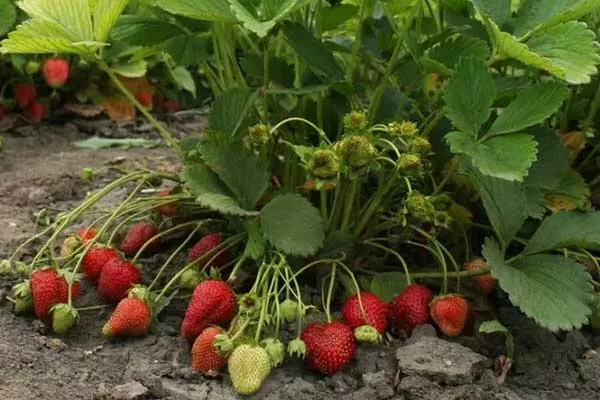
The bushes are compact, so it's short and not spreading. Consequently, it takes up little space in garden beds. You can recognize the variety by the following characteristics:
- the maximum height is 12-15 cm;
- the surface of the leaves is shiny and the color is dark green;
- the leaf blades have teeth along the edges;
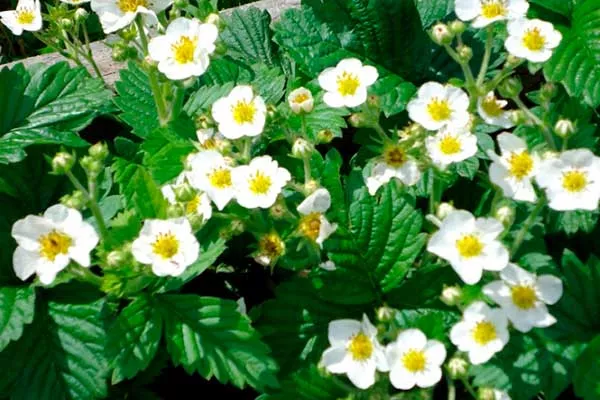
- the shade of the flowers is exclusively white;
- all flower stalks produce ovaries, so there are no empty flowers;
- foliage is strong;
- peduncles are directed upwards;
- whisker formation is significant;
- The root system is considered to be powerful and well developed.
Fruits and their taste qualities
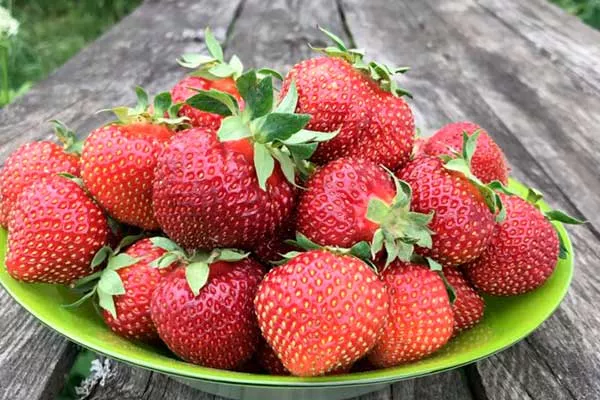
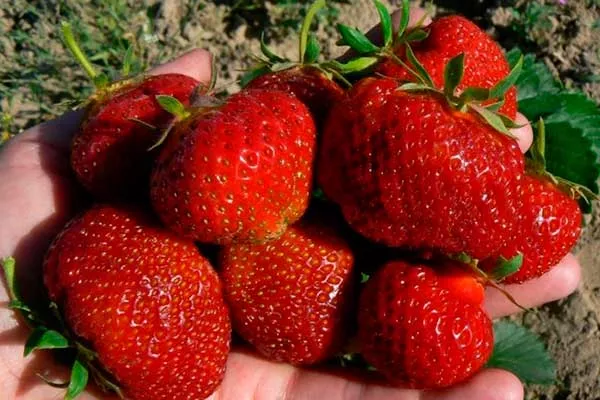
This strawberry is characterized by a very vibrant color, with both red and scarlet tones. As the berries ripen, they become dark red. Other characteristics:
- the size is considered large, since the weight of one fruit is 60-80 g;
- the surface has a glossy finish and is always smooth;
- the shape is classic conical, but wider specimens are also found;
- The coloring occurs gradually, so the top part may initially be white;
- the pulp of ripe berries is dark red, with increased juiciness, but dense;
- the taste has a unique feature – it resembles sweet caramel;
- the aroma is exclusively strawberry.
Ripening period and yield
This strawberry lacks everbearing properties, meaning it bears fruit only once during the growing season. It is classified as a mid-early variety. Harvest begins in southern regions with mild climates in late June. In northern regions, the first strawberries are picked after July 15.
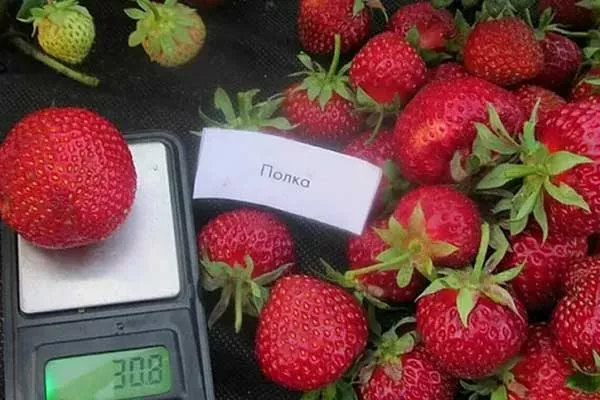
Each bush yields between 500 g and 1.5 kg of berries. With proper care, including regular watering and growing in a sunny area, a single plant can produce up to 40-50 berries. The maximum yield is achieved on young, two-year-old bushes. The berries are easy to transport and retain their attractiveness even after shipment.
Endurance
Foreign sources classify this variety as one of the most frost-hardy, capable of being grown outdoors even in unfavorable weather and climate conditions. It is highly resistant to cold snaps in the fall and spring, especially during flowering.
Endurance Features:
- In studies conducted between 2002 and 2006 by Russian experts at the Kokinsky support point of the All-Russian Scientific Research Institute for Selection and Seed Production of Fruit Crops in the Bryansk region (where winters are often particularly harsh and without snow), the variety showed itself to have average frost resistance.
- In areas with temperatures down to -15-20 degrees Celsius and snowless winters, strawberry beds should be protected from the cold using organic mulch and/or agrotextile.
- Polka is relatively resistant to summer heat and drought, and tolerates shade well. Trials conducted between 2006 and 2009 on an irrigated plot at the Samara Research Institute of Horticulture and Medicinal Plants "Zhigulyovskie Gardens" showed that during drought, the variety exhibits low flowering activity and a significant reduction in yield compared to other strawberry varieties.
Features of fruiting
This variety is distinguished by its long flowering period and extended fruiting period (4-5 weeks). However, by the end of the season, the berries shrink by almost half, especially if the plants don't receive enough moisture. Other features:
- The branches are formed by powerful peduncles, on which spreading inflorescences with numerous flowers are located at the level of the leaves.
- Young bushes produce the highest yields. Renewal is recommended at least once every three years.
- In southern climates, this variety's bushes grow larger and taller, actively developing foliage and numerous runners, which leads to faster bushiness and degeneration. In temperate climates, according to gardeners, it grows and bears fruit less vigorously, but produces larger, sweeter berries.
Commercial and taste qualities of berries
The berries of this variety are easily separated from the stalks and are striking in appearance: they have a uniform dark red color with a shine and are distinguished by their neat round-conical shape.
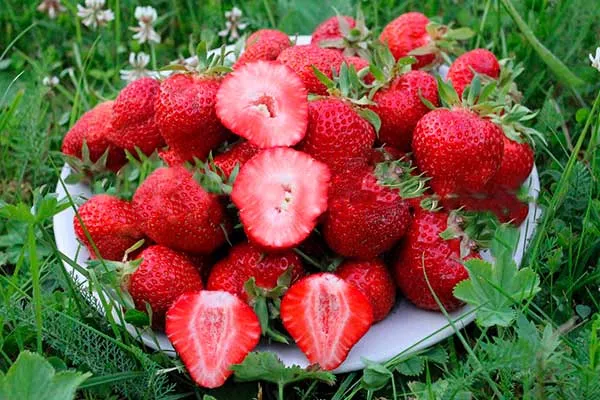
This variety stands out not only for its marketability but also for its dessert-like flavor, which has received high tasting scores—from 4.6 to 4.9 out of 5. Gardeners describe this variety as extremely sweet, even when the berries are not yet fully ripe.
Location and soil requirements
When choosing a planting site, choose brightly lit areas protected from gusts of wind and cool air currents. A slightly elevated location with no problems with waterlogging is ideal. The shoots prefer fertile, light soil.
Drought and frost resistance
The Polka variety is naturally resistant to low temperatures, but its frost tolerance is limited to -15 degrees Celsius. Drought tolerance is considered good.
How to plant strawberries correctly?
The optimal planting period is late August and mid-September. During this time, favorable weather conditions—cool temperatures and abundant rainfall—promote rapid establishment of young plants, promising a bountiful harvest the following season.
Planting in the spring—in April or May, when the danger of frost has passed and temperatures remain stable at 15 degrees Celsius—is also possible. In this case, the beds will need to be protected from sudden weather changes. The seedlings will have time to adapt to the new location, but harvesting will have to be postponed until next year.
Landing features:
- If the bush is purchased in a pot, it can be planted at any time of the season, since it is already mature enough and adapted to changing conditions.
- It is best to arrange the beds in an east-west direction so that the shrubs receive uniform lighting throughout the day.
- Strawberries can grow successfully in one area for up to four to five years, after which they need to be replanted due to the accumulation of various pathogens in the soil.
- Ideal beds are those previously grown with cereals, onions, garlic, peas, radishes, parsley, carrots, beets, and radishes. However, avoid planting in areas previously grown with nightshades (tomatoes, potatoes, eggplants), cabbage, peppers, and cucumbers, as these plants share many of the same diseases and pests.
- To grow, it is necessary to carefully prepare the site: dig up the soil and enrich it with organic and mineral fertilizers.
- To plant, dig holes of the appropriate size for the root system, place the seedlings there, carefully distributing the roots, while the root collar should be at ground level.
- The distance between bushes is approximately 30-35 cm, between rows – 60-65 cm.
- After planting, water and cover the soil with a layer of hay, pine needles, wood chips, or agrofibre to retain moisture. You can also use a special black polyethylene covering, cutting cross-shaped holes in it.
- ✓ The optimal soil acidity for Polka strawberries should be within the range of 5.5-6.5 pH.
- ✓ To prevent fungal diseases, it is necessary to ensure a distance of at least 30 cm between bushes for free air circulation.
Spring care for strawberries
After the winter cover has melted and the soil has warmed slightly, the spaces between the rows are loosened and dead bushes are removed. If any frozen plants are found, they are removed and replaced with fresh ones.
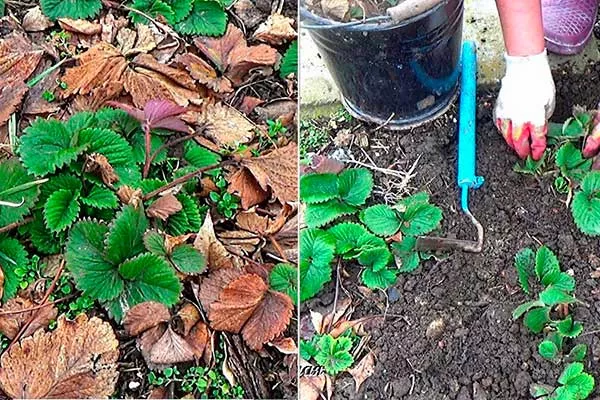
Other necessary procedures in spring:
- After the snow has thawed, it's necessary to treat the plants for overwintered insect pests and fungal infections. Bordeaux mixture, copper or iron sulfate, and broad-spectrum fungicides such as Fundazol, Ordan, Horus, Hom, Maxim, Vitaros, and Topaz are often used for this purpose.
- In spring, strawberries require nitrogen and potassium fertilizers. Ash, humates, nitroammophoska, and other fertilizers are applied to the bushes; universal mixtures for berry crops can also be used. During flowering, additional fertilizing is performed with a mullein solution.
Summer care for strawberries
In order for strawberries to bloom and bear fruit, they need regular watering:
- once or twice a week is enough, using warm water;
- It is best to do this in the morning or evening to avoid possible leaf burns on sunny days;
- After harvesting is complete, watering is not stopped, as during this period the root system is actively developing, and in order for the strawberries to successfully survive the winter, they need sufficient moisture.
Caring for strawberries also includes taking care of the soil: it is important to regularly weed and loosen the soil, as well as use mulch to retain moisture, reduce weeds, and increase soil fertility.
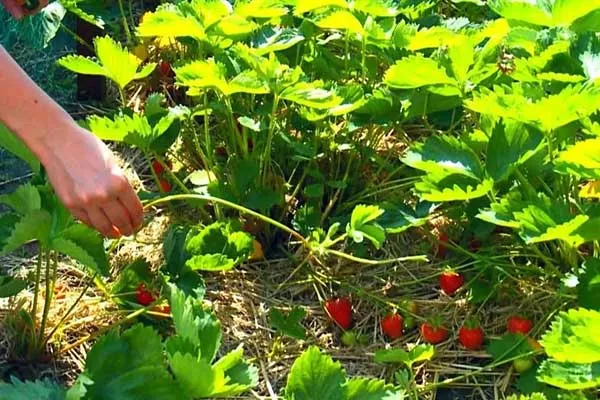
To protect strawberries from fungal diseases, preventative treatment should be carried out after harvest. This can be done using a garlic infusion, a weak solution of potassium permanganate, or commercial products (such as Bordeaux mixture or Fitosporin).
Pruning is also important:
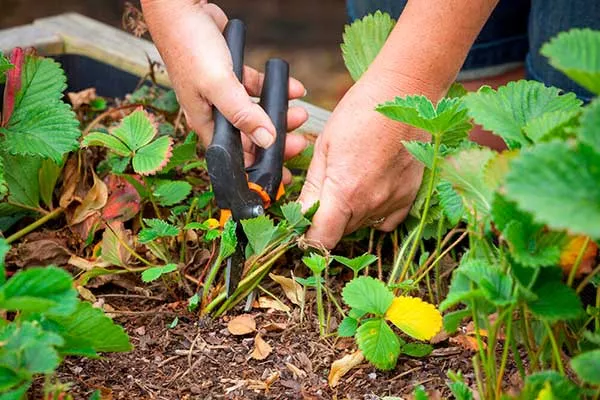
- A month after harvesting the berries, remove excess shoots, flower stalks and dried leaves.
- The process begins with a thorough inspection of each bush, after which all unsuitable elements are cut out using a sharp knife or scissors, while it is important to avoid damaging the center of the rosette.
Autumn care of strawberries
Autumn care includes digging the beds and adding organic matter, such as compost or humus mixed with wood ash. This is done every 2-3 years to improve soil fertility. During the winter, strawberries require warm cover, which can be provided using straw, leaves, peat, spruce brush, or special agrofibre.
Harvesting and storage
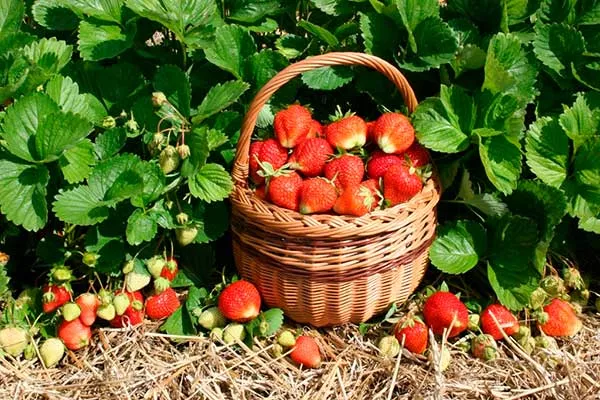
The berries are not only eaten fresh; they can be used for a variety of winter storage methods, from jam and compotes to drying and freezing. The harvest occurs as the strawberries ripen.
Diseases and pests
Polka has a strong immune system, but if agricultural practices aren't followed or adverse weather conditions occur, the bushes can suffer. The most common diseases are gray mold, powdery mildew, brown and white spot, and fusarium wilt.
To maintain the health of your berry garden, it is important to follow certain rules:
- every 3-4 years the bushes are transplanted to new areas of land;
- it is necessary to constantly get rid of weeds and plant debris;
- the soil is covered with a layer of mulch;
- treatments with Bordeaux mixture are important;
- There should be enough space between the bushes to allow free air exchange.
Reproduction
Propagation of this variety is usually not a problem. The plant is capable of producing a sufficient number of daughter rosettes for growing seedlings, while seed germination and division are rarely used.
Advantages
To objectively evaluate a variety, pay attention to its positive qualities:
Flaws
There are few negative characteristics:
Reviews
Polka strawberries are grown in almost every region of our country. They tolerate both hot weather and winter cold, quickly adapt to new conditions, and root easily using rosettes. However, to increase yield, it's important to prune the runners promptly and water the plant properly.