
Strawberries (garden strawberries), like other perennial crops, require competent and consistent care. Some gardeners limit their strawberry plots to spring fertilization and, after harvesting, leave them without additional nutrition until the following year. This agricultural practice does not yield positive results. Fertilizers should be applied regularly throughout the season.
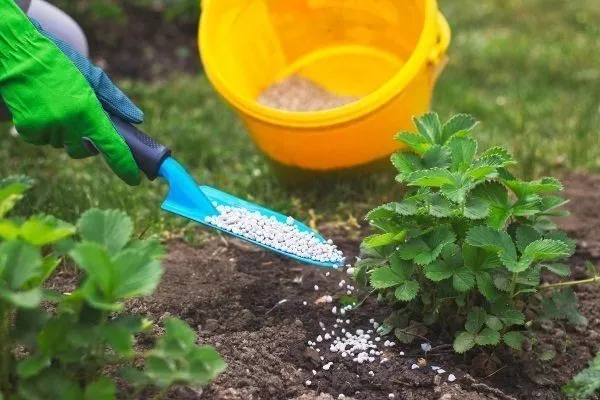
When to fertilize strawberries and why is it important?
Experienced gardeners have developed a consistent schedule for fertilizing garden strawberries:
- in spring - when the snow melts, before the beginning of the growing season;
- in summer - after fruiting has ended;
- in autumn - until the first frost.
- ✓ Soil pH should be between 5.5-6.5 for optimal nutrient absorption.
- ✓ The soil temperature when applying fertilizers should not be below +10°C to activate microorganisms.
Don't fertilize strawberries once they've already produced berries. Otherwise, the harvest will taste of the fertilizer and may become toxic.
The autumn stage of perennial plant care consists of fertilizing and preparing for winter. It is during this period that the foundations for the future harvest are laid.
Autumn feeding of garden strawberries is carried out twice:
- At the beginning of September, when the leaves are still green.
- In the second half of October, before the cold weather sets in.
The timing can be adjusted slightly depending on the climate and berry variety. Everbearing strawberries will still produce in September. The first feeding can be done immediately after harvesting, but it must be done before the cold weather sets in.
Autumn feeding of strawberries has the following effect:
- strengthens bushes weakened after abundant fruiting;
- improves the quality of soil depleted during the season, improves air permeability, which is very important for moisture retention;
- stimulates the formation of fruit buds.
Without autumn fertilization, the plant's immunity to disease will weaken, and young shoots may not survive the harsh winter. As a result, the farm will suffer unnecessary losses.
- ✓ Resistance to specific diseases in your region (e.g. verticillium wilt).
- ✓ Daylight hours requirements for fruiting.
How to fertilize strawberries?
| Name | Ripening period | Productivity | Disease resistance |
|---|---|---|---|
| Cow dung | Slow | High | High |
| Bird droppings | Fast | Very high | Average |
| Wood ash | Average | Average | High |
To feed garden strawberries, use:
- organic compounds;
- mineral substances;
- a combination of organic and mineral mixtures;
- complex preparations.
Organic fertilizers
| Name | Ripening period | Productivity | Disease resistance |
|---|---|---|---|
| Nettle tincture | Fast | High | High |
| Yeast | Fast | Average | Average |
| Cow or bird droppings | Slow | Very high | High |
| Mullein | Slow | High | High |
| Wood ash | Average | Average | High |
| Liquid manure | Fast | High | Average |
Organic fertilizers for strawberries come in a wide variety. They should be selected based on the specific plant variety and the climate in which it grows.
A substitute for mullein or chicken manure is green manure, such as nettle infusion. To prepare, pack a large container 2/3 full with nettles and fill it with water, leaving a gap for fermentation. Add pieces of stale bread if possible.
After 10 days, dilute the resulting infusion with water 1:10 and use it as a root feed for plants. Fertilizing with nettle absinthe improves the health of strawberry plants and imparts a refined flavor to the berries.
Between the rows, lay out mown legume green manure (for example, lupine), or any grass without seeds, sprinkling with sand or a thin layer of soil.
Yeast is somewhat different from traditional organics—it's a living, single-celled fungus. But it's also perfect for autumn feeding. Yeast contains:
- nitrogen;
- fats;
- proteins;
- carbohydrates.
All of these nutrients are essential for garden strawberries, both during fruiting and preparing for winter dormancy. Yeast infusion provides strawberries with important micronutrients, B vitamins, and phytohormones. To prepare the solution, use:
- yeast 100 g;
- 2 liters of warm water.
Dissolve the yeast in water and add the liquid starter to a bucket of water (8 liters). Wait 5 hours and then apply the root feed.
Cow or bird droppings
Cow manure or compost is used as a mulch between rows and added to planting holes (everbearing strawberries are replanted in the fall). The material decomposes slowly, providing the soil with essential nutrients for 2–3 years.
Cow manure is rich in nitrogen, phosphorus, potassium, and calcium. Its beneficial organic content far exceeds that of other pet waste.
Unlike cow manure, dry bird droppings should not be used as a fertilizer for plants! They are highly reactive and can burn the root system and leaves.
An aqueous extract of bird droppings, at a concentration of 1:30, is suitable for fertilizing garden strawberries. Before use, let the liquid sit for two days and then pour it into the furrows between the rows. This fertilizer strengthens the plants and regulates soil acidity. However, excessive use of bird droppings increases the nitrate level, which can adversely affect the quality of the berries.
In the video below, a gardener explains how to use bird droppings to fertilize strawberries:
Mullein
The solution is used for root nutrition of garden and vegetable crops. The fertilizer is rich in nitrogen, phosphorus, potassium, and calcium. Mullein is easily absorbed by plants and has a beneficial effect on soil composition.
To prepare mullein, fresh manure is poured into water at a ratio of 1:5, thoroughly mixed, and left for two weeks in a tightly sealed container, stirring once a day. After two to three days, when fermentation begins, the liquid is ready.
Before use, dilute the fermented mixture with water 1:10 and fertilize the plantation. Do not pour more than 1 liter per bush. Avoid direct contact with the leaf rosette.
Wood ash
Ashes from burnt wood, weeds, and sunflower branches or stems are an effective micronutrient fertilizer. The ash is sprinkled on strawberry bushes, and an infusion is made into a water solution to nourish the roots.
Recipe:
- ash 1 cup;
- water 10 l.
Apply the solution to the roots, no more than 0.5 liters per plant. Stir the solution as you apply it to prevent the ash from settling.
Ash is added to mullein and some mineral fertilizer solutions, but such mixtures must be made strictly according to the recipe:
- mullein 1 l;
- wood ash 500 g;
- water 10 l.
Pour under the bush, no more than 1 liter per plant.
Wood ash is not only a nutrient, it also has the following effects:
- regulates soil acidity;
- promotes the decomposition of organic fertilizers;
- strengthens plant roots;
- fights harmful insects and diseases of garden crops.
Mulching strawberry beds with dry ash is useful for preventing gray mold and protecting against pests. Avoid using ashes from printed materials or other household waste as fertilizer. The presence of harmful dyes can adversely affect plant health and berry quality next year.
Sunflower, buckwheat, and grass ash contain much more potassium than wood ash. The ash from spruce firewood and wheat straw contains the least amount of these beneficial elements.
The following video will discuss the use of ash as a strawberry fertilizer:
Liquid manure
The difference between cow manure and slurry is the presence of bacterial infections in the latter. To prepare it, cow manure is diluted with water in a ratio of 1:8 and left for 2 days. The application method is similar to that of the slurry.
Organic fertilizers are essential for stimulating growth and fruiting, but overdosing on them can be detrimental to plants. When growing strawberries in highly fertile soils, don't apply the full amount of organic fertilizer annually. After applying liquid fertilizer, water the beds thoroughly.
Mineral fertilizers
The simplest way to fertilize with mineral fertilizers is with complex preparations, such as "Kemira Autumn" or "Cytovit." Before applying mineral mixtures, carefully read the instructions on the packaging.
The most essential fertilizer components are potassium and nitrogen salts. They are used for dry and liquid fertilization and are always combined with watering the strawberry bed.
| Name | Ripening period | Productivity | Disease resistance |
|---|---|---|---|
| Potassium | Fast | High | High |
| Nitrogen | Fast | Very high | Average |
Potassium
The importance of potassium fertilizers for growing garden strawberries cannot be overstated. Potassium prolongs the shelf life of the berries, making them sweeter and more delicious.
A clear sign of potassium deficiency in the soil is brown leaf tips and unusually sour strawberries. To fertilize, dissolve 2 grams of potassium salt in water per liter and apply between rows.
To nourish the roots, take a mixture of 15 g (1 tbsp) of potassium salt and 20 g of nitrophoska, then dissolve it in 10 liters of water. Nitrophoska is a rapidly dissolving chemical compound containing phosphorus, potassium, and nitrogen. The resulting mixture is enough for 10 strawberry bushes.
Watch a video about applying a complex fertilizer that includes potassium, phosphorus, and nitrogen:
Nitrogen
To replenish nitrogen in the soil, use urea or ammonium nitrate. Nitrogen accelerates berry growth, imparts a rich red color, and improves the culinary quality of strawberries. However, this requires the correct fertilizer dosage.
Excess nitrogen will reduce the sugar content of the fruit. The main signs of nitrogen deficiency are stunted and pale leaves, small fruits, and weak runners. For application under the bush, dilute urea at a rate of 1 tablespoon per 10 liters of water, which is enough for 20 strawberry plants.
A mixed solution is made from industrial and organic fertilizers:
- water 10 l;
- ash 1 tbsp;
- mullein 1 l;
- superphosphate 2 tbsp. l.
Apply as a fertilizer between rows at a rate of 10 liters per 1 square meter of area. Combined mixtures are prepared immediately before application to the soil.
Hydrogen peroxide is also used to fertilize garden strawberries. The extract effectively increases the oxygen level in the soil, which helps plants absorb nutrients. To prepare the solution, use:
- water 1 l;
- hydrogen peroxide (3%) 2 tbsp.
Use for root feeding at 200 ml per bush.
Mineral fertilizers primarily affect the plants themselves, rather than improving soil quality. In weak and depleted areas, it is recommended to combine mineral fertilizers with organic matter.
Compared to organic fertilizers, mineral fertilizers lack an unpleasant odor and are easier to use. However, their use requires strict adherence to recommended standards.
Features of autumn feeding
An important aspect of autumn care is the timing of liquid fertilizing of the beds. It is advisable to complete liquid fertilizing before October. Do not apply liquid fertilizers if frost is imminent. Failure to do so will damage the plant's root system.
For October feeding of garden strawberries, use only dry mixtures.
The purpose of fertilization in the autumn period is to restore and strengthen plants weakened by fruiting and to saturate the soil with nutrients.
Don't overfeed strawberries in the fall. Otherwise, instead of dormant for the winter, they'll start growing again and die when the cold weather sets in. If for some reason you didn't feed your strawberries on time in the fall, postpone fertilizing until spring.
Two days after applying liquid fertilizer, mulch the area with sawdust and shredded coniferous bark. Read about mulching strawberries. HereThis measure will repel harmful insects that spend the winter under garden strawberry bushes.
Preparing strawberries for winter
Winterization of strawberry plots begins in the summer. To ensure the plants survive the cold season and enjoy a bountiful harvest, it's necessary:
- Perform summer and autumn fertilizing in a timely manner.
- If the weather is dry in September-October, water your garden strawberries 1-2 times a week.
- No later than early September, clear the area of weeds and treat with herbicides specifically designed for strawberry beds. Weeding later is not recommended, as the damaged root system will not be able to recover before frost sets in.
- For everbearing varieties, herbicide treatment is not possible during this period; postpone the procedure until after the berry harvest.
- After removing weeds and applying liquid fertilizer, treat the plants with pest and disease control products.
- It's best to completely prune the leaves in early fall to allow the strawberries time to recover before frost. Later, you should limit yourself to selectively removing old and diseased shoots. Avoid leaving pruned sections between beds, as they can harbor pests.
- Don't cover strawberries until the first frost. A short period of freezing temperatures will harden the plants, making them more resilient to the hard frosts. Conifer branches are ideal for covering, but fallen leaves or straw can also be used.
- Do not lay the film directly on the beds. Insulation with spunbond or other synthetic fabrics requires the construction of a frame.
Preparing garden strawberries for winter isn't particularly difficult or expensive, but it's absolutely necessary. Come spring, your berry patch will immediately begin growing, blooming, and delighting you with an abundance of delicious, juicy berries, without any delays for recovery.
Why are you confusing people's heads with all this junk that's scattered all over the internet? What fresh mullein and other nitrogen-rich ingredients can possibly help strawberries? I've been working with strawberries for a long time and consulting with many farms, but I've never encountered such a pile of nonsense... Peroxide, you say? Calculate how much oxygen is released from that peroxide you're promoting. Get a high school chemistry and physics textbook and do the math. Even the lightest loosening is simpler and more effective. I don't want to pick apart all the junk you've collected here. The only thing that will survive without causing harm is your mention of potassium sulfate and nitrophoska.
This article discusses a variety of fertilizing methods. Everyone chooses the option that's most accessible and convenient.
Mullein is still actively used as a NATURAL fertilizer today. What's more, it can be obtained absolutely free by going to a cattle pasture and collecting dried "cakes." Yes, mullein contains a lot of nitrogen, as well as phosphorus, potassium, calcium, and much more. In the described "recipes," the mullein is diluted with water. Furthermore, nitrogen is a highly mobile element, and with each rainfall, it sinks to the lower soil layers. With heavy rainfall in the fall, nitrogen soon becomes unavailable to plants. In any case, nitrogen is needed in small quantities in the fall to activate phosphorus and increase frost resistance. As for loosening the soil, this is recommended in the article.