
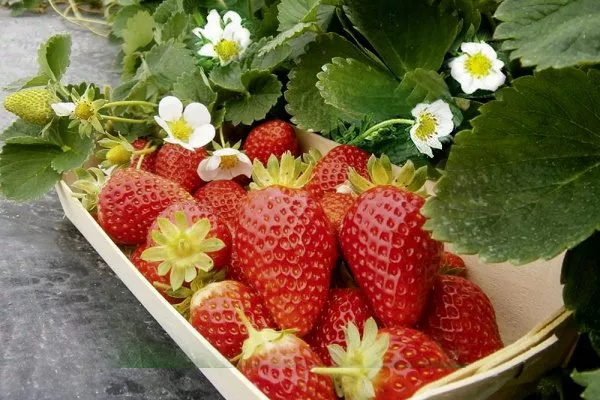
Everbearing strawberry varieties are very popular and sought after due to their repeated flowering and fruiting. These varieties are renowned for their juicy, ripe berries, which can be enjoyed throughout the warm season.
General characteristics of everbearing strawberry varieties
Everbearing strawberry varieties produce flower buds throughout the growing season, regardless of daylight hours. The advantages of these varieties include:
- rapid growth;
- repeated and abundant fruiting;
- excellent taste;
- resistance to pests and diseases;
- high decorative value.
The first harvest of everbearing garden strawberry varieties begins in June-July, the second occurs in August, and the third wave, weather permitting, occurs in September-October. In southern regions, berries are harvested even in November.
- ✓ The optimal soil pH level for everbearing strawberry varieties should be within 5.5-6.5.
- ✓ The need for annual renewal of plantings to prevent degeneration of the variety.
Principles of growing everbearing strawberries
Everbearing strawberry varieties have slightly different growth and harvest cycles than regular strawberries. They bloom for a very long time, and their foliage grows rapidly.
What do you need to know when choosing everbearing garden strawberries?
Breeders are constantly developing new strawberry varieties. Today, a large number of everbearing varieties are available on the market and in nurseries. When choosing a particular variety, consider the following criteria:
- Productivity. The indicator is calculated in kilograms collected from one bush.
- Weight. Consider the weight of one berry.
- Pulp. The berries should be juicy and firm, maintaining their shape for several days. When choosing a variety, read reviews from gardeners first.
- Taste qualities. It is also advisable to find out the indicator from experienced summer residents.
- Content of sugars and acids. The ratio of these substances directly affects the taste of the berry.
- Practical application. Find out what you can use strawberries for: fresh consumption, canning, and freezing.
Soil requirements and planting times
Repeat-blooming strawberry varieties prefer slightly acidic and neutral soil. Avoid planting in waterlogged areas with high groundwater levels or in acidic, heavy soils.
To ensure air access to the roots, periodically loosen the soil around the bushes during the period of growth of leaf rosettes; during the flowering and fruiting period, mulch.
Plant garden strawberries in the fall or spring. For southern regions, it's best to plant seedlings in the ground in early September; for northern regions, plant them in the spring, but not before May. For central Russia, plant from early August to late September, but early spring—from late March to mid-April—is also possible.
- ✓ For everbearing varieties, it is critical to ensure regular watering, especially during the fruiting period, to avoid the berries becoming smaller.
- ✓ Use organic mulching to retain moisture and prevent weed growth.
The nuances of agricultural technology and care
Plant strawberries in sunny areas with light, fertile soil. This moisture-loving plant requires watering throughout the growing season.
Spring planting care also includes weeding, loosening the soil, and fertilizing. During this period, feed the plants with ammonium nitrate and potassium sulfate (15 g per 1 m²).
The best large-fruited remontant varieties
Large-fruited strawberry varieties will delight you with large berries. Just don't expect all of them to be this size. Typically, the very first fruits to bear impressive size are the ones that will be the largest, while in subsequent seasons, strawberries may be smaller.
| Name | Fruiting period | Disease resistance | Berry size |
|---|---|---|---|
| Queen Elizabeth II | June-October | High | 40-60 g |
| Albion | May-September | High | 40-50 g |
| Diamond | June-September | Average | up to 30 g |
Queen Elizabeth II
This variety has gained popularity for its large, juicy berries, weighing approximately 40-60 g. They are characterized by red flesh with a firm texture. These strawberries store well and are suitable for transportation, canning, and freezing.
During the warm season, you can harvest 2-3 times with sufficient light. From the beginning of flowering to harvesting, the average time is 7 weeks with short sunny days. With warm, sunny days, this period lasts 3 weeks.
The fruits are sweet and juicy, the sugar level and external qualities are not lost for 3-4 days after harvesting.
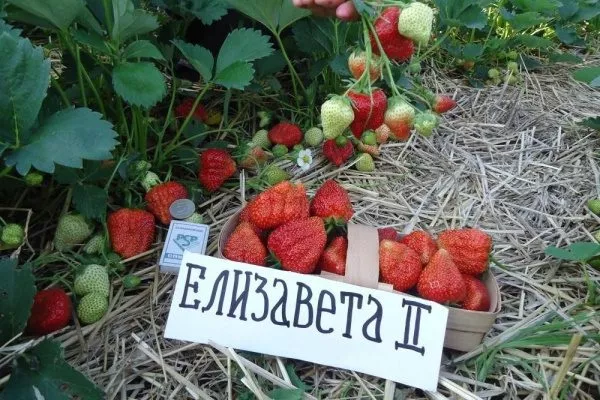
The variety has many advantages:
- the berries are suitable for preparations;
- several harvests per season;
- ease of care;
- large fruits;
- high transportability index.
Among the variety's shortcomings is its intolerance to frosts below -20 degrees Celsius. Read more about the variety. here.
Albion
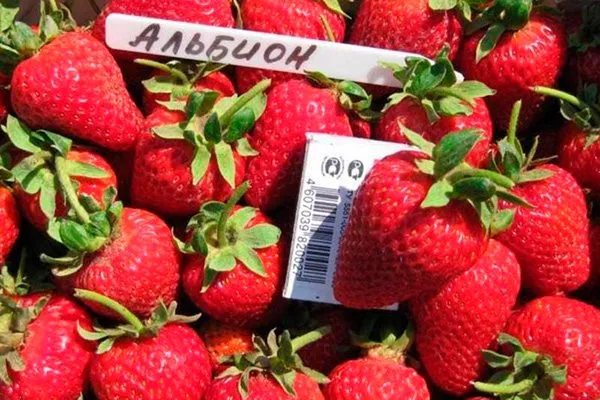
The bushes of this variety are characterized by an aesthetic appearance—large, glossy, pubescent leaves and long stems. Berries average 40-50 g in weight. This variety is highly resistant to rot.
The strawberries are large, bright red, and have firm flesh. Their aesthetic appeal persists for several days after picking. The bushes produce consistently high-quality berries throughout the entire fruiting season. An average plant yields 1-2 kg of fruit.
The bushes slowly develop runners—enough for propagation without requiring much pruning. Fruiting occurs from early May to early September. More about strawberry variety Albion Read our next articles.
Advantages of the variety:
- almost continuous fruiting throughout the season;
- low susceptibility to decay;
- large sweet berries;
- minimal amount of whiskers;
- aesthetic appearance of strawberries.
The disadvantages of the Albion variety include the need for sufficient lighting and low frost resistance.
Diamond
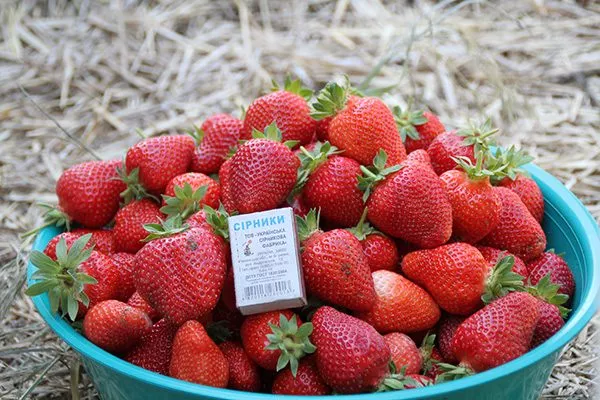
The bush is medium-sized, spreading, and produces few runners. Diamant is a consistently abundant, easy-to-care-for variety. Berries grow to a medium size, up to 30 g.
The strawberries are elongated, glossy, and reddish-orange in color. The fruit has light, dense, yellow-pink flesh. The berries have a low juice content, making them suitable for eating fresh or for garnishing desserts.
Advantages of the variety:
- resistance to many pests and diseases;
- transportability;
- the ability to maintain its marketable appearance for a long time.
Among the disadvantages, gardeners note the need for annual renewal (repotting and replanting). Another drawback is that the variety ages quickly, meaning the berries become smaller the following year.
The best remontant varieties for Siberia
Siberia is considered a region with relatively low temperatures, and not every plant can adapt to such conditions. However, breeders have developed everbearing strawberries with high winter hardiness.
| Name | Fruiting period | Disease resistance | Berry size |
|---|---|---|---|
| Crimean Remontantnaya | May-October | High | 20-25 g |
| Mount Everest | June-September | High | 30-50 g |
| Garland | June-October | Average | 20-30 g |
Crimean Remontantnaya
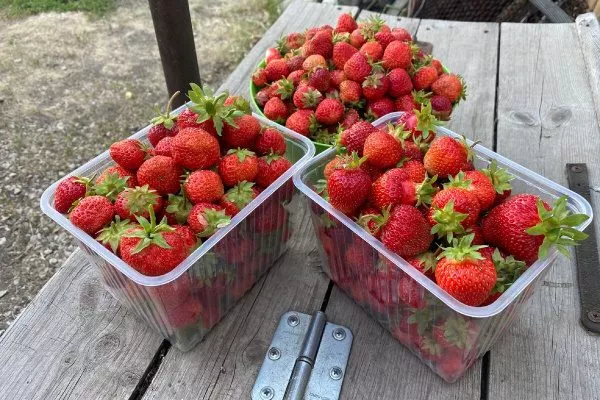
The bushes are spreading, medium-sized, with low, upward-reaching flower stalks. The plants are covered with dense, bright green foliage. The berries are characterized by a round shape, a bright red hue, and juicy flesh. Each strawberry averages 20-25 g in weight. The fruits have a sweet taste and a strawberry aroma.
The variety begins bearing fruit in May and continues until October. A single bush yields an average of 1.5 kg of fruit. The strawberry produces very few runners, so it requires little maintenance—no pruning required.
Advantages of the variety:
- frost resistance;
- moisture and drought resistance;
- universal use;
- long fruiting period.
Gardeners note the only drawback is the different sizes of the fruits.
Mount Everest
The bushes are medium-sized and spreading. They produce berries weighing 30-50 grams, with 5-7 berries per branch. The plants are covered with abundant green foliage. On average, a single bush yields up to 4 kg of fruit of varying shapes and weights.
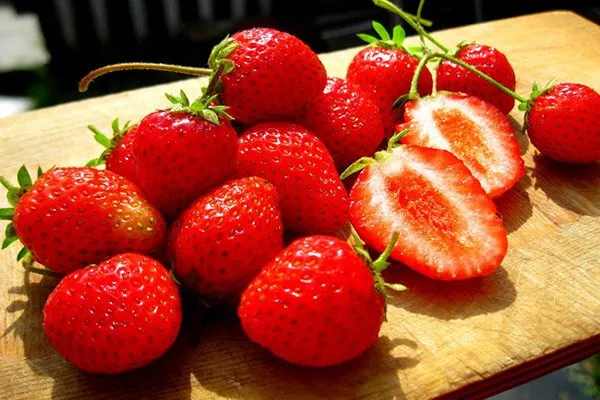
The fruit's skin is a rich red. The flesh is firm, juicy, and reddish. It's not overly sweet, but has a slight tartness. The fruit is excellent for eating fresh, making compotes and preserves, and freezing. It retains its shape when defrosted.
Advantages of the variety:
- resistance to pests and diseases;
- universal use;
- frost resistance;
- many berries grow on one branch;
- There is no need to trim the whiskers from the second year.
Gardeners consider the disadvantage of this variety to be that Mount Everest is not the sweetest berry.
Garland
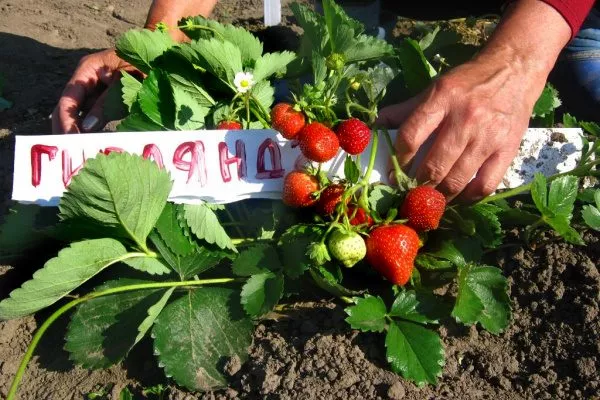
The bushes are vigorous, reaching up to 25 cm in height. They are sparsely foliated and predominantly spherical in shape. The leaves are medium-sized and greenish-blue in color. The berries are broadly conical, weighing on average 20-30 g.
Strawberries are characterized by excellent taste. The fruits are bright red, and the flesh is light reddish. The berries are juicy, tender, and dessert-like, with a distinctive tartness. The aroma is rich and pleasant.
Advantages of the variety:
- excellent taste;
- fruiting even under unfavorable conditions;
- high fertility;
- decorativeness of bushes.
The disadvantages include low transportability.
The best remontant varieties for growing in a greenhouse
Everbearing strawberry varieties grown in greenhouses can produce fruit significantly longer than those grown outdoors. With proper care and conditions, you'll enjoy ripe, juicy fruits year-round.
| Name | Fruiting period | Disease resistance | Berry size |
|---|---|---|---|
| Diva | June-September | High | up to 50 g |
| Temptation | All year round | High | 20-30 g |
Diva
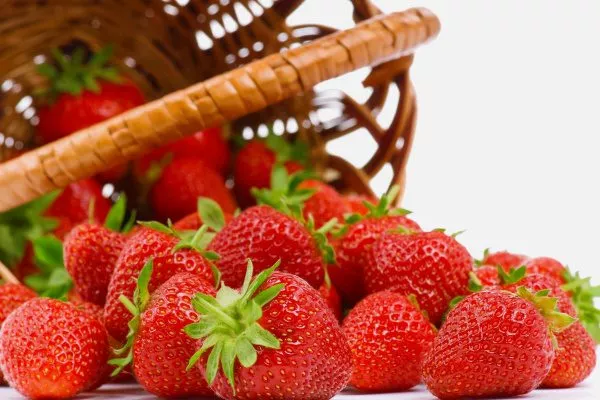
Vigorous bushes with high-growing flower stalks. Fruiting lasts from June to September. You won't get many berries from a single bush, but they will be perfectly cone-shaped, weighing about 50 g, and very sweet.
The fruits are suitable for transportation and retain their aesthetic and flavor qualities after harvesting. The plant is frost-resistant. In warm climates, strawberries are suitable for outdoor cultivation.
Advantages of the variety:
- the berries are large and sweet;
- can be grown for sale;
- resistance to frost and diseases.
A significant disadvantage of the Prima Donna variety is the need for timely watering, otherwise the plant may die.
Temptation
This variety is suitable for greenhouse planting. The plant is capable of producing fruit even on unrooted runners. The berries are quite large, averaging 20-30 g. The flesh is juicy, sweet, and aromatic. A single bush yields approximately 1.5 kg of ripe berries, an average of 20.
With consistent light and fertilizer, you can harvest berries year-round. Gardeners note that berries picked in the fall are sweeter than those ripened in May and June.

Advantages of the variety:
- high yield rates;
- possibility of growing in pots and vertical gardens;
- excellent taste;
- excellent transportability.
The disadvantage of the Temptation variety is the large number of tendrils that are unsuitable for propagation and fruiting.
The best remontant varieties without runners
Everbearing strawberries without runners significantly save space in your garden and time that you would otherwise spend pruning shoots. However, these varieties have a significant drawback: they are poorly drought and heat tolerant.
| Name | Fruiting period | Disease resistance | Berry size |
|---|---|---|---|
| Yoke | June-October | Average | 15-25 g |
| Furor | June-October | High | up to 25 g |
Yoke
The bush is semi-spreading, with numerous medium-sized, rich green leaves. Long flower stalks grow beneath the foliage. This is a high-yielding variety with excellent germination and fertility.
The berries are a perfect cone shape, weighing 15-25 g on average. They are orange-red in color. They have a sweet and sour taste with a very pleasant and distinct aroma. The flesh is juicy and tender.
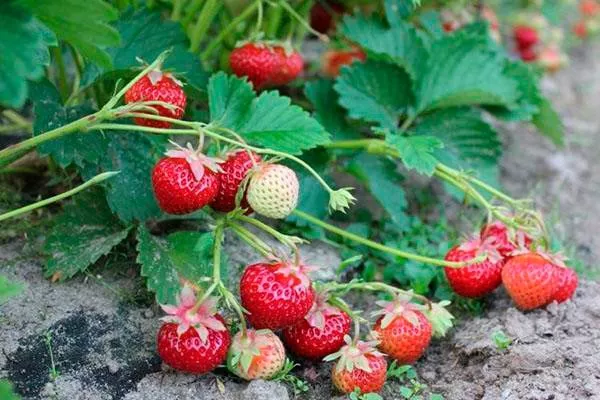
Advantages of the variety:
- the bushes are easy to weed;
- high yield rate;
- excellent transportability;
- rich aroma;
- pleasant dessert taste.
A disadvantage of the Koketka variety is its frequent infestation with strawberry mites.
Furor
Compact bushes that quickly gain green mass. The plants are covered with rounded leaves with wide teeth along the edges. The flowers are white, with long stems that spread along the ground. Fruiting is almost continuous.
The strawberries are large, weighing up to 25 grams on average. The fruits are regular, elongated, and cone-shaped. The berries are uniform in size, but their size changes slightly towards the end of the season. The strawberry flesh is firm, aromatic, and bright red.
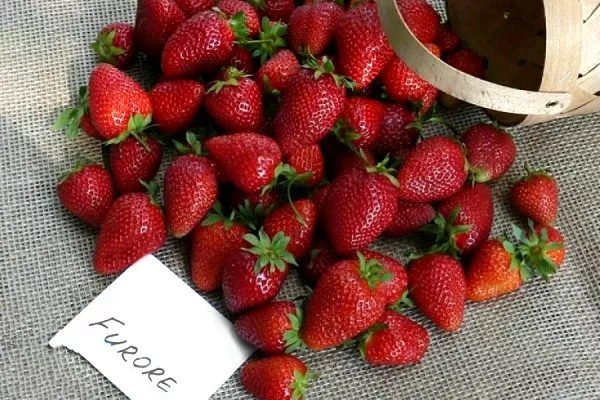
Advantages of the variety:
- excellent immunity to diseases and pests;
- large sized berries;
- fruiting regardless of weather conditions;
- light aroma and excellent taste.
The disadvantage of the Furore variety is the need for careful care.
The best remontant varieties with runners
Strawberry varieties that produce runners are capable of producing fruit on mother plants or on daughter rosettes. Because of this, they require different care: some require runner removal to increase yield, while others should be left on.
| Name | Fruiting period | Disease resistance | Berry size |
|---|---|---|---|
| Tuscany | June-September | High | up to 20 g |
| Vima Rina | June-October | High | up to 25 g |
Tuscany
Vigorous bushes, reaching 15-20 cm in height, growing to 40-45 cm in diameter. The plant produces numerous tendrils. The bush is covered with glossy, dark green leaves. The flower stalks are long, trailing along the ground. This is a trailing strawberry variety.
The cone-shaped, oblong berries grow to be medium to small, averaging up to 20 g. The fruits are covered with a bright red skin, which turns a deep scarlet as they ripen. The flesh is dense, juicy, and red. It has a rich wild strawberry aroma.
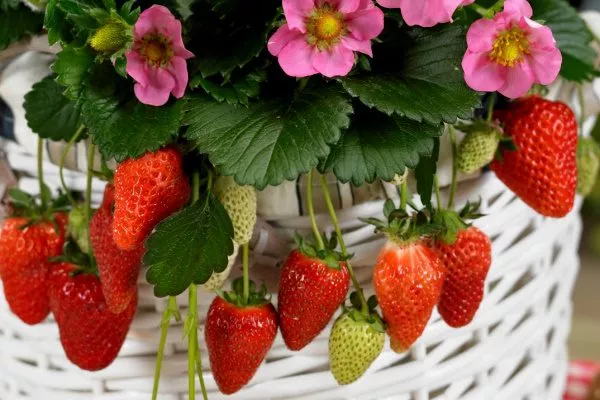
Advantages of the variety:
- resistance to drought and frost;
- excellent taste;
- good propagation by whiskers;
- decorativeness of the bush;
- strong immunity.
The Tuscany variety has one drawback: low yields.
Vima Rina
The robust bushes are covered with medium-sized, glossy, light-green leaves. The medium-length flower stalks are level with the leaves. The strawberries are large, weighing up to 25 g, and have a conical shape.
The fruits are covered with red skin and have reddish flesh. The flesh is juicy, yet firm and tender. The aroma is distinct. The fruits are used for fresh eating, canning, or freezing.
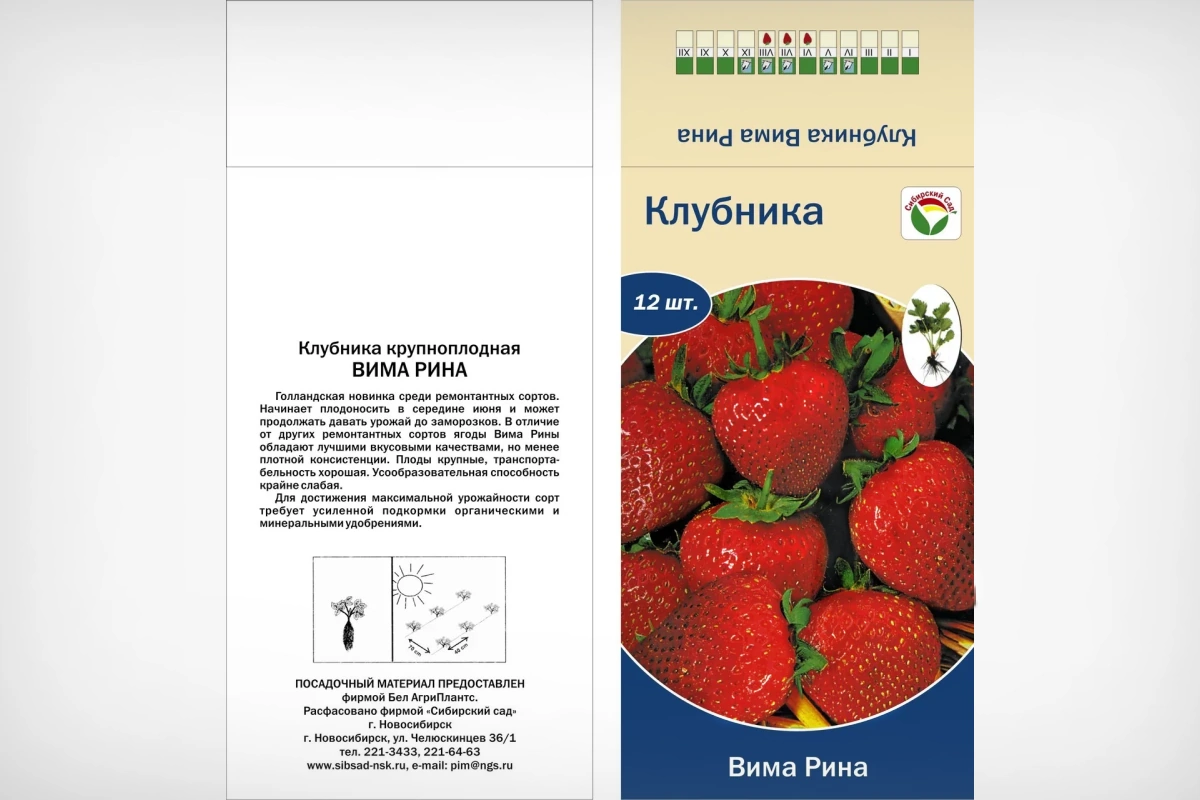
Advantages of the variety:
- does not lose its marketable appearance during transportation;
- bears fruit well in any weather conditions;
- combines sweetness and sourness.
The variety has no drawbacks. However, gardeners note that the Vima Rina variety requires special care to produce a bountiful harvest.
The best small-fruited remontant varieties
Small-fruited strawberries are characterized by high yields and attractive berries. Despite their small size, these strawberries are renowned for their excellent flavor.
| Name | Fruiting period | Disease resistance | Berry size |
|---|---|---|---|
| Crown | June-October | High | 12-30 g |
| Baron Solemacher | June-November | Average | 3-5 g |
Crown
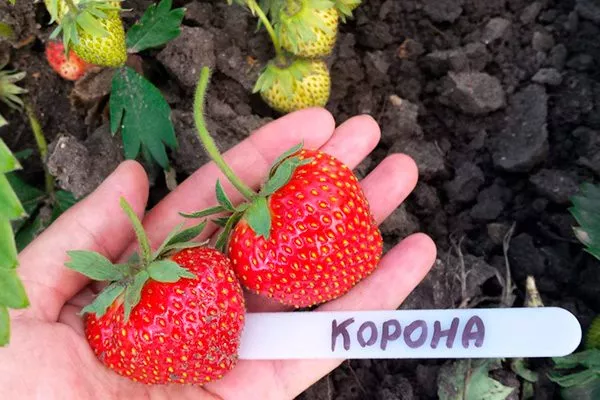
A Dutch-bred variety. The bushes are relatively small, covered with dense leaves and strong stems. Fruits range from 12 to 30 g. This is a high-yielding dessert variety with dense stems capable of supporting the weight of the berries.
Profuse flowering occurs throughout the season. The fruits have dark red skin, a glossy sheen, and a perfect heart shape. Gardeners can harvest up to 1 kg of juicy, sweet berries with a pleasant strawberry aroma from a single bush.
Advantages of the variety:
- undemanding to soil composition;
- frost resistance;
- excellent taste;
- resistance to fungal diseases;
- high yield.
Disadvantages include poor transportability, low drought resistance, and the inability to freeze the berries.
Baron Solemacher
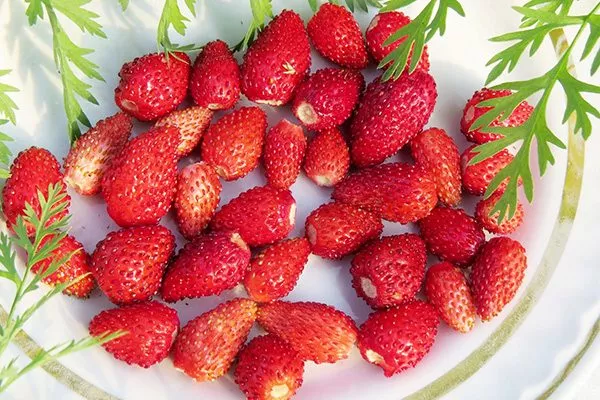
The bushes are semi-spreading, medium-sized, reaching 20-25 cm in height. The plants are covered with smooth, light-green leaves. The berries are small, weighing no more than 3-5 g. The fruits are firm, glossy, and retain their appearance for a long time. The conical-shaped strawberries are bright red.
The berries are characterized by a pleasant, rich aroma with vanilla and strawberry notes. The flesh is sweet, juicy, and slightly tart. The fruits are suitable for all types of processing and do not lose their flavor when frozen. The fruiting period lasts from June to November.
Advantages of the variety:
- undemanding in care;
- resistance to various weather conditions;
- excellent germination;
- attractive presentation;
- compactness of bushes;
- high yield.
Gardeners consider the small size of the berries, the need for regular feeding, and the lack of tendrils to be the weak points of the Baron Solemacher variety.
Semi-remontant varieties
Semi-everbearing strawberry varieties set flower buds during cool springs. They are characterized by large berries in small quantities. These varieties bear fruit until September, do not rebloom, and produce only a single harvest.
| Name | Fruiting period | Disease resistance | Berry size |
|---|---|---|---|
| Bohemia | May-September | High | up to 50 g |
| Zenga Zengana | May-September | High | 9-10 g |
Bohemia
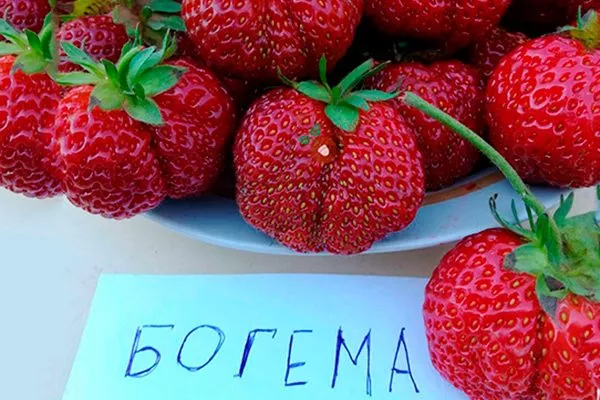
A vigorous bush, growing up to 30 cm in height. The plant is abundantly covered with green foliage. The berries are dark red and have a wide, conical shape. These are large berries, weighing up to 50 g. The flesh is sweet, juicy, and non-acidic.
The berries are suitable for fresh consumption, cooking, and freezing. Gardeners harvest approximately 10.6 tons of fruit per hectare. Flowering occurs in May.
Advantages of the variety:
- excellent transportability;
- drought resistance;
- adaptability to any weather;
- ease of care.
A disadvantage of the Bohemia variety is the crushing of the berries after the first harvest.
Zenga Zengana
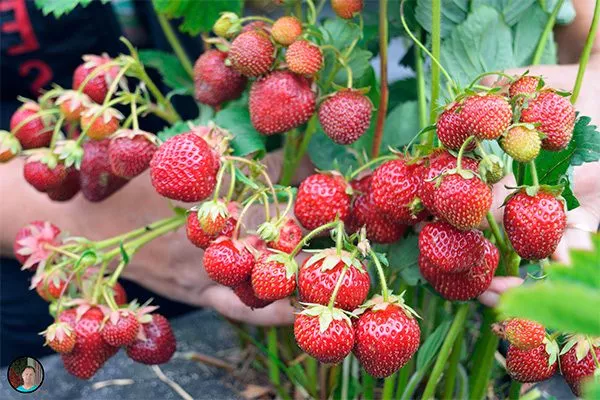
A robust bush up to 25 cm tall. The plant is densely covered with rough, dark green leaves. A single bush can produce up to 50 large berries weighing 9-10 g. The fruits are characterized by a wide, flattened, round shape. The strawberries are covered with bright red skin. The flesh is light pink.
The fruits are sweet and sour with a hint of pineapple. They have a strawberry aroma. Flowering begins in May. A single bush can yield up to 1.5 kg of ripe fruit, and 5-7 tons of strawberries per hectare.
Advantages of the variety:
- dense pulp;
- excellent transportability;
- high yield rates;
- long-term storage;
- resistance to diseases.
The main disadvantage of the variety is the small size of the berries towards the end of fruiting.
The best varieties for the Moscow region and the central zone
Breeders have worked hard to develop everbearing strawberry varieties for cultivation in the Moscow region and central Russia. These varieties are very popular among gardeners.
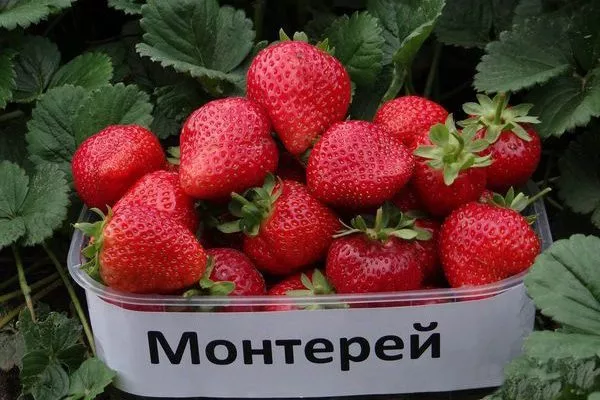
Monterey
An American, large-fruited, continuously bearing variety. Berries grow large, weighing up to 30 g. They are characterized by sweetness and juiciness. This is a high-yielding variety that produces fruit throughout the winter, whether grown indoors or indoors.
The bushes are large, covered with bright green, glossy leaves and numerous flower stalks—7-14 on each plant. The berries are conical, pointed at the tip, and glossy. The strawberries are dark red in color, with a predominantly aromatic, firm flesh. They bear fruit 3-4 times per season.
Advantages of the variety:
- high winter hardiness;
- universal use;
- large-fruited;
- transportability;
- resistance to diseases.
Gardeners note one drawback of the variety: the need to rejuvenate the plant every three years.
San Andreas
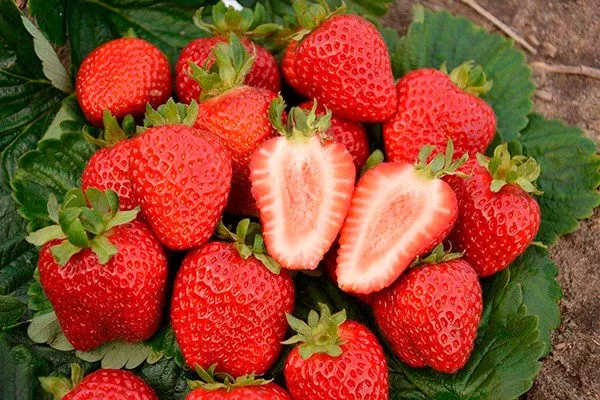
The bush is compact, medium-sized, and has a robust root system, covered in light green foliage. Flower stalks typically number no more than 10. There is little runner formation. The fruits are conical in shape with rounded ends.
The berries are bright red. Each strawberry weighs 20-30 grams on average. The fruit has firm, red-orange flesh. The flavor is sweet and the aroma is distinct. A single bush yields an average of 0.5-1 kg of berries. Fruiting occurs from June to October.
Advantages of the variety:
- long fruiting;
- high quality fruits;
- pleasant sourness;
- transportability;
- resistance to diseases.
Among the disadvantages, the impossibility of reproduction is noted, since it is a hybrid.
Answers to frequently asked questions
In this section, we've collected answers to a number of frequently asked questions about everbearing strawberry varieties. They are as follows:
- What is the difference between everbearing strawberries and regular strawberries? The remontant variety blooms and bears fruit repeatedly until frost, while the common strawberry blooms and bears fruit only once per season.
- Are everbearing strawberries and remontant strawberries the same thing? Yes, it's the same thing. The scientific name is garden strawberry, but in everyday life we call it a strawberry.
- Strawberry Clery - everbearing or not? Some gardeners consider this variety to be everbearing, although this is not true! It is not everbearing.
- Is Victoria strawberry everbearing or not? This strawberry variety is not listed in the State Register of Plants. Some believe there are two types: everbearing and non-everbearing. However, the non-everbearing variety is most commonly found in stores.
There are also some negative reviews: gardeners bought strawberries as everbearing, but it turned out they weren't. This suggests that the Victoria variety is most likely not everbearing.
Today, there are many varieties of everbearing strawberries available. By familiarizing yourself with their descriptions, advantages, and disadvantages, you can choose the best variety for planting in your garden.