
Strawberry bushes are often attacked by slugs—the insects feed on the juicy, sweet berries, completely destroying the plantings. But they cause more than just this damage—they also pose a threat to the entire garden. A variety of methods are used today to combat them, from chemical treatments to folk remedies.
Description of the pest
A slug is a mollusk known for its voracious appetite, yet often goes unnoticed. Its appearance resembles that of a shell-less snail. Its body is divided into several sections: the head, the tail region, and the trunk. The head bears two pairs of tentacles: the longer upper ones, which carry the eyes and olfactory receptors, and the shorter lower ones, which are used for taste perception.
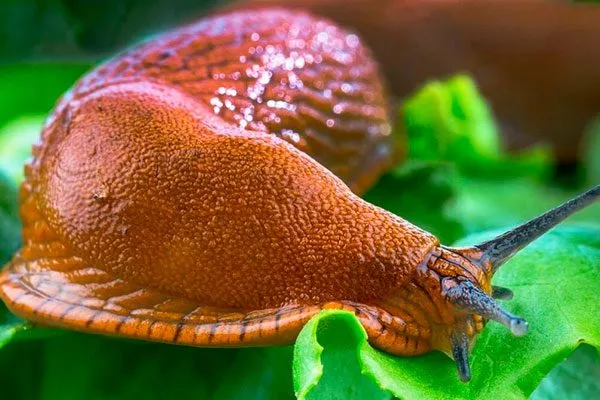
Other features of the insect:
- The mollusk moves very slowly, using its muscular lower body, called the foot. Its unique muscle structure allows it to stretch or contract into a spherical shape as needed.
- The slug's skin is thin and brownish or gray. It is covered in mucus, which protects its body from damage and ultraviolet radiation. The mucus is produced by a special gland located in the tail.
- Slugs become active at nightfall. During the day, they hide under vegetation, in shaded areas, near compost piles, or among wood waste to avoid direct sunlight, which dries out their mucus, resulting in their death.
- Under favorable conditions, slugs can live for one to two years. They lay approximately 30-45 eggs per season, which hatch into fully formed pests within 28-30 days.
How dangerous is this pest for strawberries?
Slugs cause the most damage to strawberries, leaving behind gnawed or completely destroyed fruit, as well as sticky slime marks. These pests also attack foliage and other plant parts.
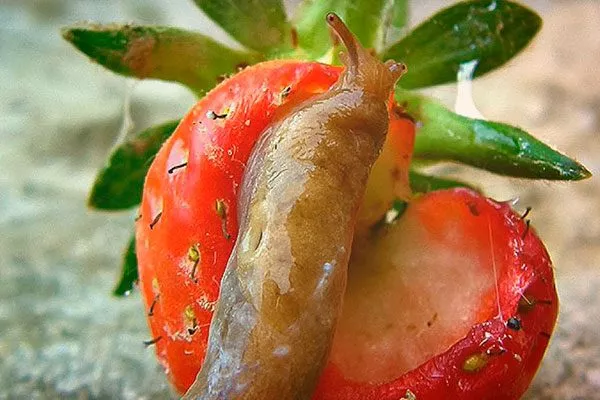
What other harm do they cause:
- These mollusks can act as intermediate hosts for certain types of helminthic parasites that pose a threat to livestock and poultry. Therefore, slugs should not be fed to chickens, etc., to avoid exposing them to the risk of infection.
- Slugs carry fungal and viral infections on and in themselves. Pathogenic fungal spores are not broken down in the slugs' digestive system, and along with their excrement and mucus, they contribute to the spread of infection throughout the garden.
Causes of pests
Slugs are most active at night. They begin their hunt after sunset, when the sun no longer poses a threat. These mollusks are particularly attracted to ripe strawberries, which they bite into, damaging the soft, juicy parts. Such fruits become unsuitable for fresh or processed consumption.
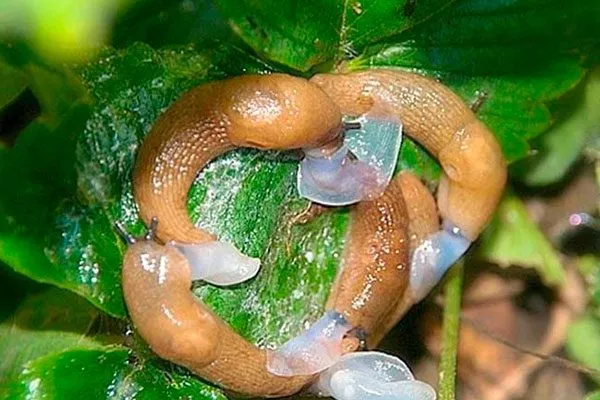
Gastropod activity increases especially in conditions favorable for their spread. Factors contributing to a mollusc infestation include:
- warm summer with long rains;
- excessively dense strawberry plantings;
- the presence of weeds on the site;
- dense soil that promotes moisture retention;
- the presence of wood debris and other waste of plant and other origin;
- The use of building materials in the garden, such as planks, polyethylene, and pieces of roofing felt, which can serve as a shelter for slugs.
In hot and dry weather, the numbers of these pests decrease. It has also been noted that well-maintained garden beds are less likely to suffer from gastropod attacks.
Signs of defeat
Strawberry crops are particularly susceptible to slug attacks, which either completely consume the berries or leave a thick slime coating on them. Furthermore, the mollusks can damage other parts of the plant, such as leaves and stems.
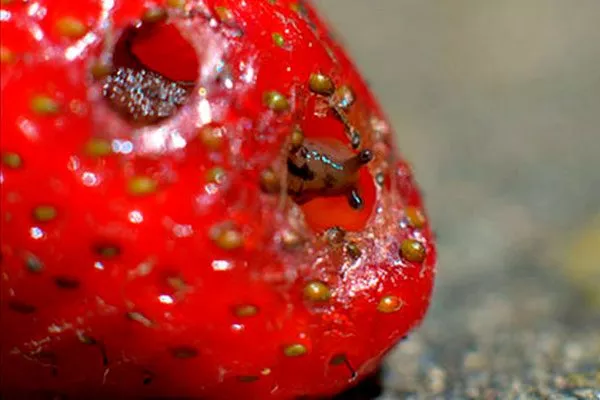
To determine the presence of pests in a strawberry patch, you need to pay attention to several key signals:
- Berries with deformations, damage, indentations and bite marks.
- White mucus is visible on the berries and other parts of the bush.
- Silvery spots, punctures and holes can be seen on the leaves.
During daylight hours, slugs hide under strawberry leaves or in debris left in the area, as well as in cracks in the soil. During this period, they are inactive and difficult to detect.
Methods for killing slugs on strawberries
Slugs are omnivores and parasitize absolutely any crop, so getting rid of them is not only necessary but essential. Every gardener has the right to choose the most appropriate option. We present the most effective and popular products and methods among gardeners.
Controlling slugs with chemicals
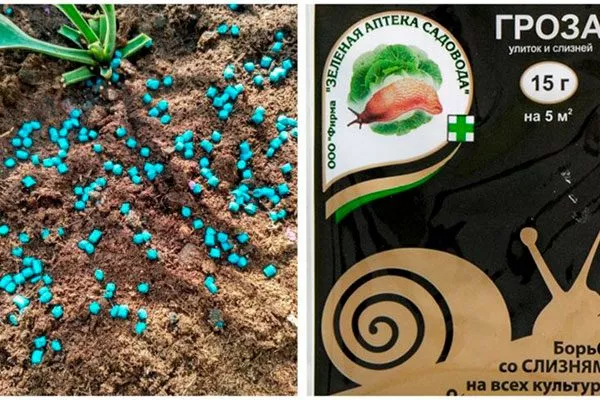
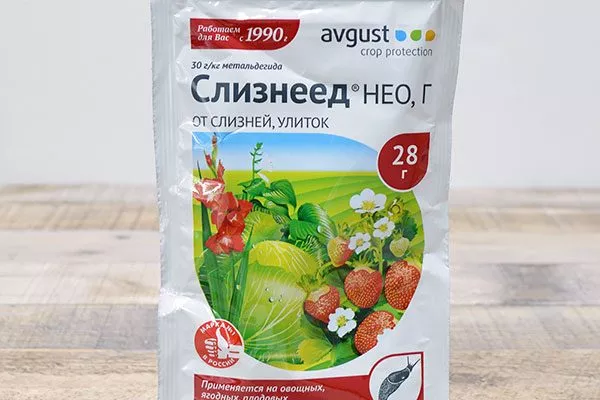
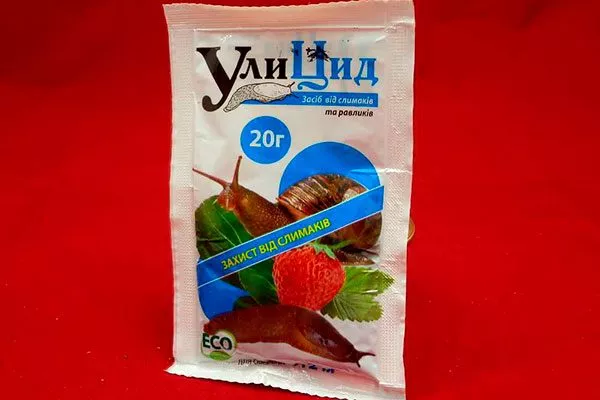
Commercially available solutions can neutralize slugs in strawberry beds in a single treatment. Most commonly, these products contain the active ingredient metaldehyde (a chemical), available in granules, powder, or emulsifiable concentrates.
There are a lot of preparations available, but the following stand out among them (the dosage is calculated per 1 square meter):
- Storm - One of the most effective granular products, resistant to moisture. This product is universal. The recommended dose is at least 3 g.

- Slug Eater – a chemotherapy drug with a protective effect of up to two weeks, used in a concentration of 2 g.
- Ulitsid – Contains iron phosphates, kaolin, ash, and pepper, providing fast results and safety for beneficial insects. The dosage is 1 g.
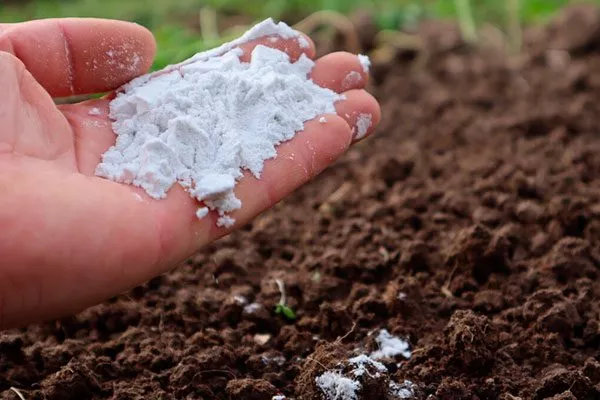
- Ferrous sulfate – It is used for dusting the soil surface around strawberries. Dosage: 10 g.
- Slaked lime – scattered under bushes and between rows - 25-30 g.
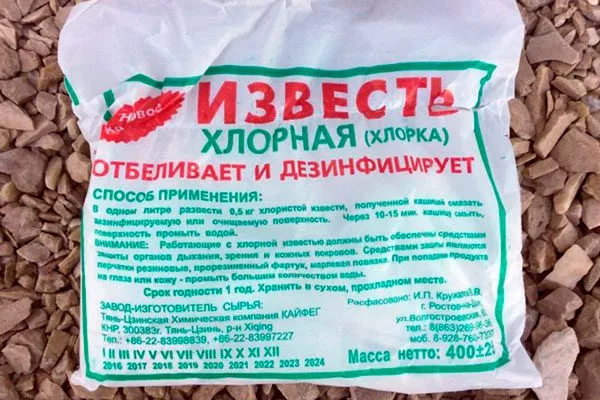
- Chlorinated lime - can be mixed with wood ash (40 g each) or lime with tobacco (30 g each) or use superphosphate (7-9 g each).
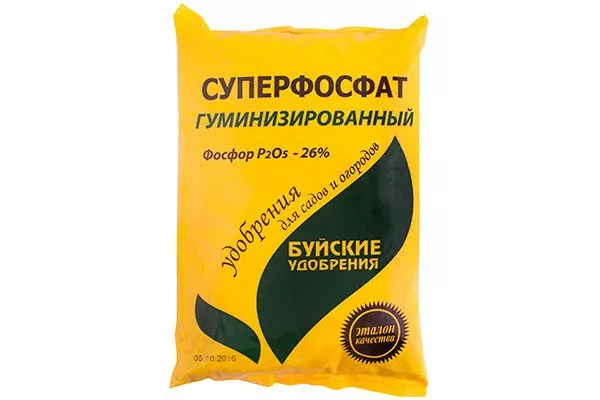
- Superphosphate – Sprinkle dry fertilizer around the garden bed (35-45 g). However, for large plots, its use may be economically impractical.

- ✓ Optimum air temperature for processing: 18-22°C, at higher temperatures the efficiency decreases.
- ✓ Soil moisture before treatment should be moderate, not exceeding 60%, to avoid runoff of the preparation.
Mechanical methods
If you need to get rid of pests without chemicals and other methods aren't working, you can try your hand at home. This method requires considerable effort and time, but it's quite effective.
To locate the mollusks, water the soil in two or three spots after dark, then cover it with slate, plastic, metal, or cardboard. The next morning, most of the pests will be found under these objects.
Folk remedies
To protect strawberry beds from slugs, many gardeners prefer to use proven folk remedies that include only natural and environmentally friendly ingredients. This makes them an ideal choice for preserving the health of your berry crop.
Some of the most popular folk remedies against slugs:
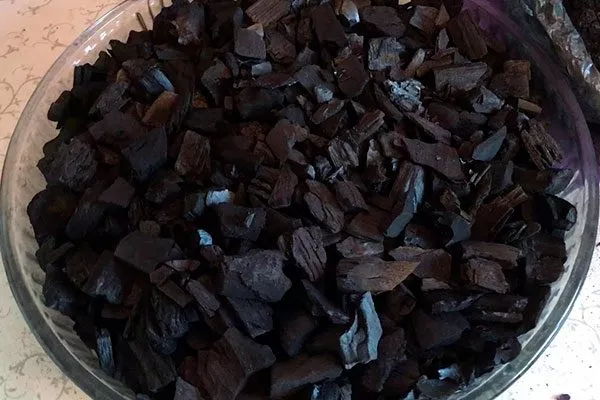
- Crushed wood charcoal – The strained ash is sprayed onto the soil around the strawberry bushes and between the rows. The ash also serves as an excellent organic fertilizer and is used at a rate of 30 g per square meter.
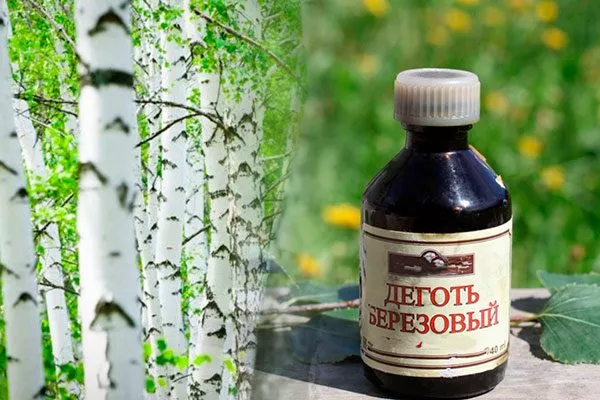
- Birch tar - Napkins smeared with birch tar are scattered around strawberry bushes to repel slugs due to the intense, specific smell.
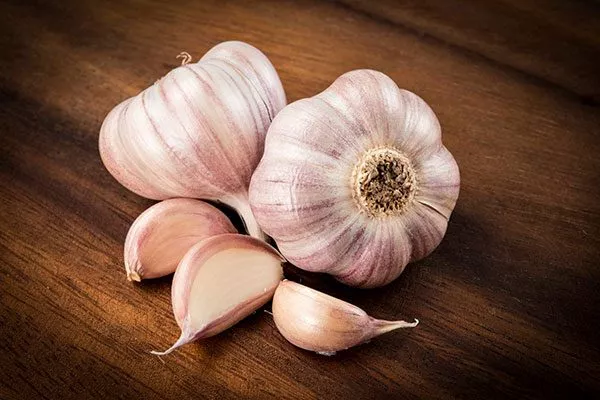
- Garlic - Soak 300 g of crushed garlic cloves in 10 liters of water for 22-24 hours. Spray the strawberries with the resulting infusion, paying particular attention to the undersides of the leaves.
- Mustard - 120-150 g of dry mustard powder is poured with 200 ml of warm water, infused for 6-7 hours, then diluted to 9-10 liters of water and used to spray the strawberry plant.
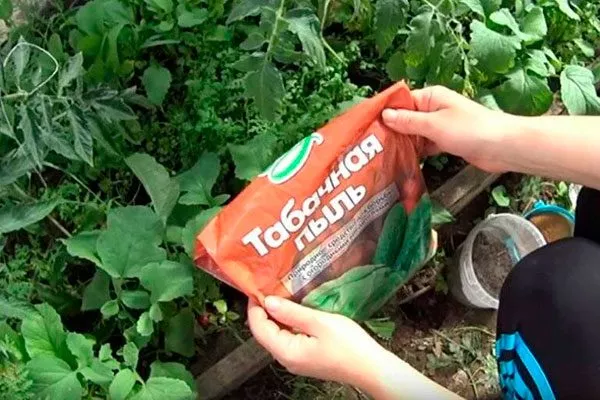
- Tobacco - 1 kg of tobacco dust is infused in 10 liters of water for 24 hours, 2 tablespoons of grated brown laundry soap are added, mixed thoroughly and the beds are sprayed.
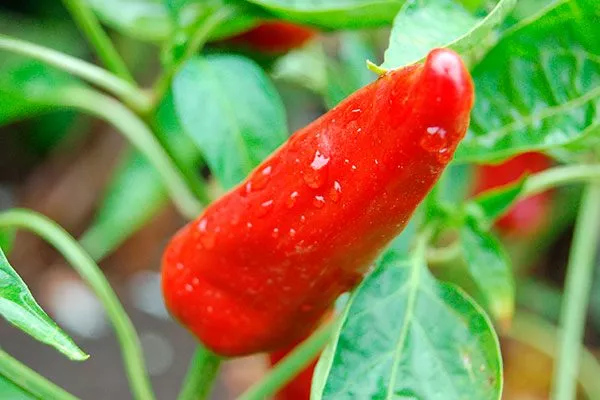
- Hot peppers (like chili) – 1 kg of finely chopped fresh pepper (can be put through a meat grinder) is poured into 10 water, infused for 2-4 days, then boiled for about an hour and used for generously spraying the strawberry patch.
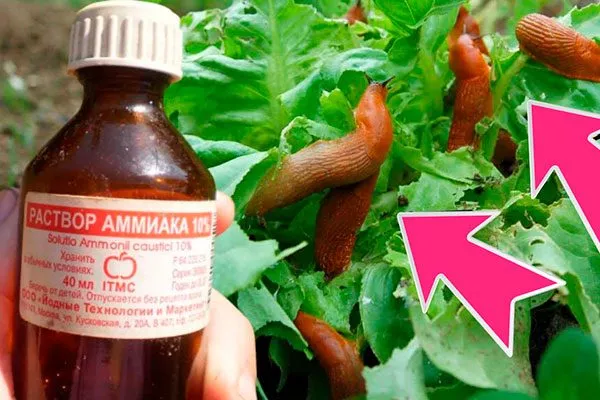
- Ammonia - Dilute 100 ml of ammonia in 10 liters of water and use to treat soil and plants. Effectiveness can be increased by adding equal parts vinegar and ammonia, then diluting the mixture with water.
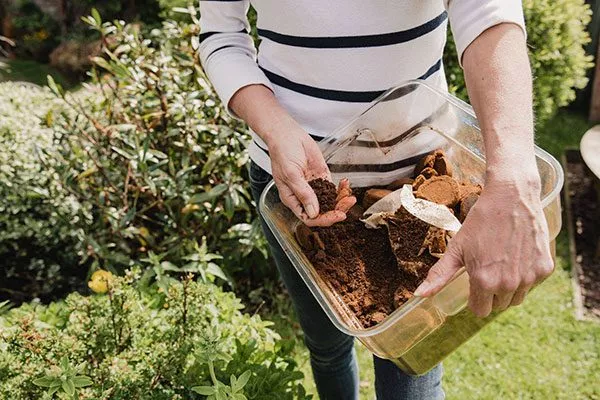
- Coffee - A very strong coffee drink is used to spray bushes, and coffee grounds are scattered around them to protect against slugs and prevent their appearance.
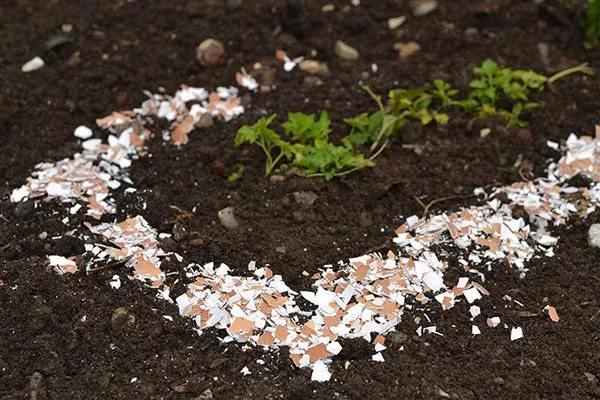
- Eggshell - It's crushed and sprinkled on the soil surface. The rough texture of the shell damages the slugs' sensitive bodies as they move, leading to their rapid death. A similar effect can be achieved using crushed nutshells or coarse sand.

To combat slugs, you can use black polyethylene film or dark-colored agrofibre. These materials are spread on the ground between rows and around bushes, creating a mini-greenhouse effect. During the day, the material heats up quickly under the sun's rays, killing the pests.
Attracting natural enemies and setting traps
To simplify the task of getting rid of gastropods and speed up the process of catching them, you can resort to using traps. For example:
- Take any board or sheet (slate, linoleum, or roofing felt will do), cover it with kefir or sour cream, and place it in the beds. At night, slugs will be drawn to the scent and crawl onto the sheet. In the morning, simply lift the board and throw them into a container for disposal.
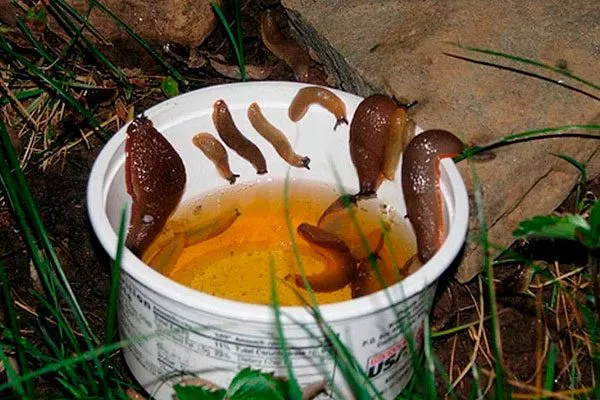
- Another effective method is using a beer trap. It's believed that slugs enjoy beer, despite the drink being toxic to them. To catch the mollusks, prepare several plastic containers and bury them around the strawberries, burying their rims in the soil. Add a small amount of beer to each container and leave the trap overnight.
In the morning you will find slugs floating in large numbers.
- Select areas with the most slug activity to place your traps.
- Set traps in the evening to collect the pests in the morning.
- Check and clean traps daily to maintain their effectiveness.
You can attract natural predators of slugs, which will destroy them on their own (you won't have to collect the slugs). These include frogs, hedgehogs, moles, and lizards. Attracting them doesn't require much effort—simply leave bowls of milk out overnight.
Prevention
It's much easier to prevent a snail infestation than to deal with it later. Learn these simple preventative measures:
- Never allow the soil to become waterlogged, as this is the best habitat for gastropods – create drainage systems;
- keep a distance between bushes to avoid dense plantings;
- Fight weeds in a timely manner and loosen the soil;
- remove all plant debris from the strawberry patch throughout the growing season;
- install a birdhouse near the strawberries to attract birds, and dig a mini-pond for frogs;
- Do not ignore deep digging in the fall and repeated spring digging – this will create uncomfortable conditions for slugs;
- Fill empty spaces in the garden with materials that damage slugs (broken bricks, egg, nut and other shells, pine needles, crushed bark, sawdust and wood shavings).
Slugs are dangerous pests for strawberries and other crops. If left unchecked, they will overrun your entire garden, destroying everything edible in their path. Today, there are numerous products and methods for killing these mollusks—use them and enjoy a bountiful harvest of sweet berries.