
Kupchikha is a hybrid variety created by crossing strawberries and wild strawberries. The wild strawberry, which combines the best qualities of each crop, has become an attractive cultivar for gardeners. Let's learn what makes it so appealing, how to plant, and grow it.
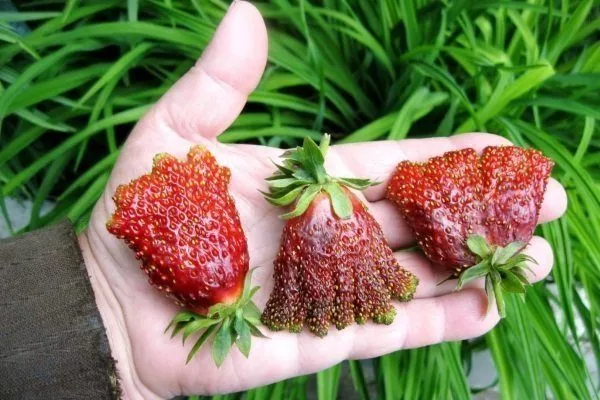
strawberry variety 'Kupchikha'
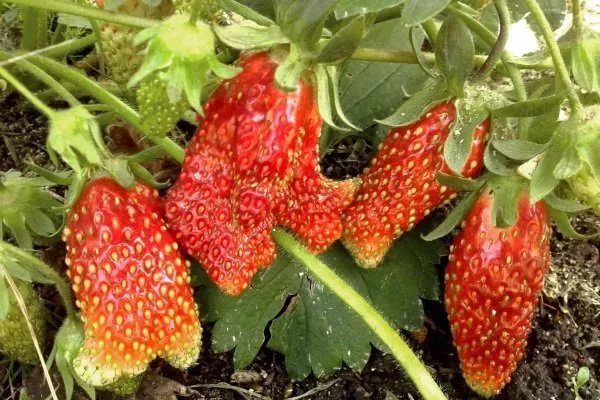
The Kupchikha strawberry is called a "fairytale" miracle berry.
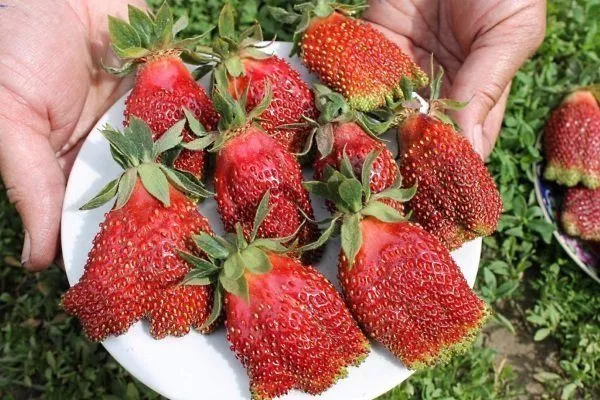
The "Kupchikha" variety has become a favorite not only among summer residents, but also among professional farmers
The Origin of the Merchant's Wife
Breeders have long dreamed of crossing strawberries with wild strawberries. Soviet specialists achieved the greatest success in this endeavor. The Kupchikha variety was developed in the 1980s at the Bryansk Agrarian University. It was added to the State Register in 2017. It is the first and, so far, only officially registered representative of the wild strawberry family. The hybrid is recommended for cultivation in all regions of Russia.
The hybrid was created using a parent pair—large-fruited garden strawberries and European muscat strawberries. The variety likely received its name for the elegant appearance of its bushes. The flowering plant is very beautiful—the foliage is dense and lush, topped by a cluster of large white flowers.
Description of the variety
Brief botanical description of the Kupchikha strawberry:
- Bush. Tall and strong, spherical in shape, 20-30 cm in height. The whiskers are few, medium-sized, and have a reddish tint.
- Leaves. Rounded, concave. The surface is smooth and shiny. The edges are serrated. The leaves are slightly pubescent, and the petioles are fluffy.
- Peduncles. Strong, thick, and blooming profusely, the flowers are so numerous that the leaves are almost invisible during bloom. The flowers are large and snow-white, with a yellow center.
- Fruit. Weight and size vary depending on ripening time. The shape is elongated and flattened. The berries have an unusual appearance—they bifurcate at the ends. The color is dark red with a purple tint.
Characteristic features
The term "zemklunika" (strawberry) originated in the 1970s, when garden strawberries were first crossed with wild strawberries. Gardeners claim that this hybrid, unlike strawberries, never loses its distinctive strawberry aroma—even in the dampest and coldest summers.
Features of the Kupchikha strawberry:
- Grown in open ground and greenhouses, in containers and pots.
- Suitable for amateur, small-scale and industrial cultivation.
- Combines the qualities of the parent pair:
- From the strawberry, the hybrid inherited a bright muscat aroma and dessert-like sweetness, the ability to adapt to different environmental conditions, endurance, and high immunity.
- Strawberry-like characteristics include large fruits and high yield potential. Monoecious – the plant has bisexual flowers.
Table 1 shows the main agrotechnical parameters and characteristics of the Kupchikha strawberry.
Table 1
| Parameters/characteristics | Meaning/Description |
| Ripening time | medium and mid-early variety |
| Productivity | 0.3-0.5 kg per bush or 1.35 kg per 1 sq. m |
| Form | asymmetrical |
| Taste | sweet, no sourness |
| Aroma | rich strawberry |
| Tasting score | 5 |
| Transportability | high |
| Resistance to diseases and pests | high |
| Drought resistance | average |
| Frost resistance | high (up to minus 24 °C) |
| Fruiting | non-remontant |
| Purpose | universal |
The ripening time of the berries depends on the region and the specific weather conditions. In the temperate zone, the first berries usually appear in early July. They are the largest, reaching 6 cm in length. The following berries are smaller, reaching 3 cm in length.
Pros and cons
Strawberry, having inherited the positive qualities of its parent varieties of wild strawberries, has become the bearer of the following advantages:
- high yield;
- almost 100% self-fertility;
- undemanding to growing conditions and care;
- decorativeness – during flowering;
- high frost resistance allows you to do without shelter in winter;
- high immunity to the most common strawberry and wild strawberry diseases – fungal infection and gray rot;
- resistance to strawberry mite;
- good survival in any climate;
- the ability to reproduce independently – thanks to growing whiskers;
- bright taste characteristics;
- large berries - they are not as big as Gigantella Maxim or Albion, but much larger than many other varieties;
- they tolerate transportation well - they have dense flesh, they do not wrinkle, do not leak, and do not rot;
- The berry stores well, especially in the right container and at low temperatures.
Kupchikha has few disadvantages:
- Not enough runners. For gardeners actively propagating berry crops, the existing runners are only enough to renew their plantings.
- The berries are uneven. Some are large, medium, and small. The berries also vary in shape—some are quite unusual, which negatively impacts their marketability.
- It freezes during recurrent frosts – such cases have been observed in the central regions.
- Due to the abundance of flower stalks, plantings become dense. Fruiting plantings and mother plants must be separated.
- In rainy summers, Kupchikha does not have time to ripen in the northern regions, the Urals, and even in the Moscow region.
- With extensive agricultural technology, the crop becomes smaller already in the 2nd-3rd year, and the yield decreases.
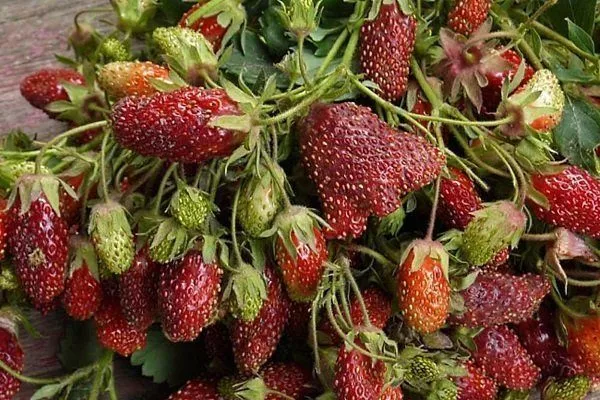
Selecting and purchasing seedlings
The strawberry plant is not yet widely available, so unscrupulous sellers are selling common garden strawberry varieties under its guise. To purchase genuine seedlings, it is recommended to contact the cultivar's originator, the Federal State Budgetary Scientific Institution VSTISP. The institute has an extensive sales network in Moscow and the surrounding region, so you can easily order high-quality seedlings from them.
If you're not purchasing seedlings from the original supplier, you should check their appearance against the standard. Please note that Kupchikha seedlings were not yet available for sale in the fall of 2017. Anyone who claims to have been selling Kupchikha seedlings for "years" is deceiving the buyer.
Signs for choosing high-quality strawberry seedlings:
- well-developed root system, without defects and damage;
- maximum number of leaves – 3 pieces;
- absence of broken leaves, rot and other defects;
- The heart is strong, elastic, green.
Seedlings are sold in individual pots or bare-root. If the latter option is chosen, they must be planted immediately—no later than the following day. Until planting, the seedlings are stored with their roots submerged in water.
Selecting a site
Strawberries can be planted in either full sun or partial shade. The berry can grow alongside spreading fruit trees. Strawberries, when kept in the shade for part of the day, take longer to ripen but grow larger.
Other features of the site for planting strawberries:
- the area should be located in a well-ventilated place;
- planting in lowlands where rain or melt water remains for a long time is not allowed;
- It is forbidden to plant after nightshades - there is a risk of infection with late blight;
- An unfavorable neighbor is raspberries, they have similar diseases and pests to strawberries.
Soil preparation and fertilization
Strawberries are demanding when it comes to soil composition. They prefer light, fertile soils, loams, and sandy loams with a slight acidity. Before planting, enrich the soil with organic and mineral fertilizers.
- Two weeks before planting, dig the area deeply to a depth of 25-30 cm.
- Add organic fertilizers (humus or compost) at a rate of 10 kg per 1 m².
- A week before planting, loosen the soil and remove all weeds.
The amount of fertilizer applied depends on the soil's fertility—the poorer the soil, the more fertilizer it requires. Before digging the beds, spread the following fertilizers over them (per 1 square meter):
- humus or compost – 1-2 buckets;
- ammonium nitrate – 20-30 g;
- superphosphate – 20-40 g;
- wood ash – 2-3 cups.
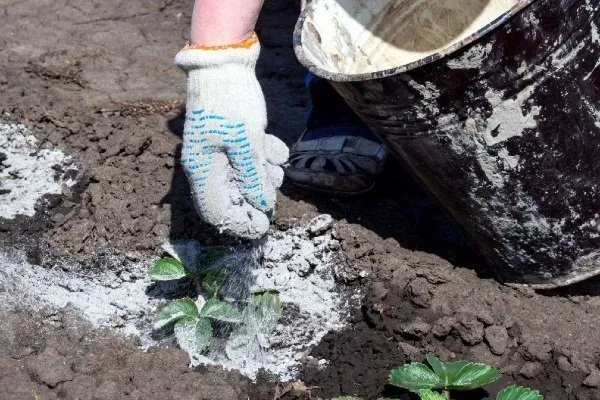
- ✓ Use only wood ash from deciduous trees, excluding oak and walnut, due to their high acidity.
- ✓ The ash must be completely cooled and sifted through a fine sieve to remove large particles.
It is also recommended to water the area with a solution of potassium permanganate (1 g per bucket) or copper sulfate (100 g per bucket) to disinfect the soil.
Step-by-step planting instructions
Before planting, prepare the seedlings. Soak bare-root seedlings in water for 2-3 hours; water closed-root seedlings. For better rooting and development, it is recommended to treat the roots with growth stimulants.
The best planting pattern for Kupchikha is 50x50 cm. During the first few years, until the bushes have grown, the beds will appear half-empty. You can thicken the plantings by adding favorable planting companions, such as onions, garlic, dill, parsley, lettuce, radishes, calendula, and low-growing marigolds.
Step-by-step instructions for planting strawberries:
- Make holes in the bed that are appropriate for the size of the roots – they should fit comfortably in the hole without being crushed or twisted.
- Place the seedling in the hole, spreading out the roots. Simply transfer the seedlings in the cups along with the root ball.
- Cover the roots with soil, leaving all the petioles with leaves and the heart (the bud in the center of the bush) above it. Press the soil down with your hands.
- Use a shovel to make a 3-5 cm deep furrow and water it. This will prevent the heart from being overwatered.
- Rake a furrow for watering. Sprinkle the soil in the bed with mulch – sawdust, hay, dried grass.
Strawberries are planted twice a season – in early spring and early autumn.
Care and cultivation
Kupchikha isn't grown in one place for long. Over time, bacteria and pests accumulate in the soil, causing the bushes to wither and yield to decline. However, Kupchikha produces abundant fruit over the course of 3-4 years—if it's properly watered, fertilized, and protected from frost, diseases, and pests.
Watering: volume and frequency
Kupchikha tolerates heat well but dislikes drought. Optimal soil conditions include consistently moist soil. Foliar watering is permitted, but avoid sunny weather and avoid watering during berry ripening. When the berries are just beginning to fill out and ripen, water should be applied to the roots to prevent the development of gray mold.
The water requirement for each strawberry bush is 1-2 liters. Water as needed, as soon as the soil dries out. When rainy weather begins, in late summer and fall, do not water the plants. If there is no rain in the fall, a moisture-recharging irrigation is performed before winter, using one and a half times more water than a regular irrigation. For a moisture-loving crop like strawberries, a drip irrigation system is the optimal irrigation method.
Top dressing
If the strawberry bushes look perfect – tall, densely foliated with large dark green leaves, then 4-5 feedings per season are enough.
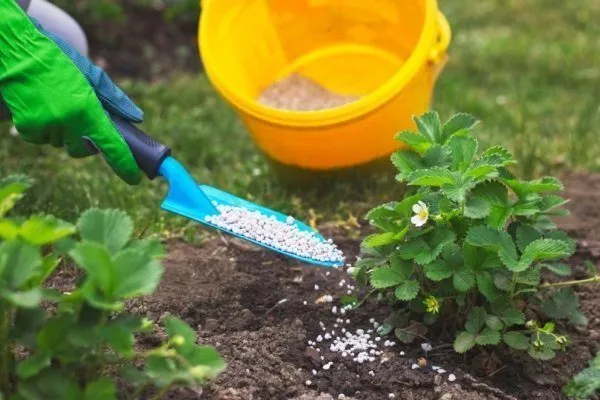
Table 2 shows the timing of fertilizing and its composition.
Table 2
| Timing of fertilizer application | Method of application | Composition, doses per 10 liters of water |
| After the soil has thawed | at the root | 50 g of urea or 1-2 tbsp. of ammonia, or complex fertilizers for strawberries (BioHumus, Fertik, etc.) |
| During flowering | spraying | 20 g of boric acid |
| The appearance of the first ovaries | at the root | 50 g of nitroammophoska, or repeat feeding with complex fertilizer |
| After harvesting | at the root | similar to the previous feeding |
| At the beginning of August – when new buds begin to form | spraying | 50 g of urea |
All commonly used fertilizers can be used as a spray—they won't harm the leaves. If the plants aren't looking well—the bushes aren't growing well, the leaves are small, and the petioles are too thin—then fertilize them every two weeks until they look healthy.
Shelter for the winter
The need for winter protection depends on the growing region. Kupchikha has average winter hardiness, so frosty or snowless winters can cause the bushes to die. If snow falls before temperatures drop below 20°C in the area where the strawberry is grown, insulation is necessary.
Spruce branches, as well as birch, maple, bird cherry, and other branches, provide good frost protection for strawberry plantings. Raspberry, dill, and shrub stems are also suitable. Gardeners often use agrofibre to cover their plantings, layering it in several layers.
The covering material should be breathable and not rot in the beds. When spring arrives, the covering is removed, the soil is loosened, and fresh mulch is added (read more about mulching the soil). here).
What diseases can cause concern?
The Kupchikha copyright holder claims the hybrid is universally resistant to infections. In practice, this simply means that this hybrid is less susceptible to diseases than other varieties. Table 3 lists the most common Kupchikha diseases and how to combat them.
Table 3
| Diseases | Symptoms | How to fight? |
| Gray mold | A gray, fluffy coating on the berries. The flesh beneath the rot spots is brown and watery. | In spring, when the snow melts, before flowering, after flowering, and after harvesting, spray with Fitosporin (2 tablespoons per bucket), a bright pink solution of potassium permanganate, or whey (1 liter per bucket), or brilliant green/iodine (40 drops per 10 liters).
If symptoms of rot or spotting appear, spray with copper-containing fungicides, such as HOM (40 g per bucket), copper sulfate (50 g per bucket), 1% Bordeaux mixture, or Skorom (2 ml per 10 l). Repeat spraying 1 or 2 times at weekly intervals. |
| White spot | Round white spots, bordered by red or purple circles, appear on the leaves. | |
| Brown spot | Brown spots of varying sizes and shapes appear on the leaves between the veins. |
Preventive measures:
- weeding;
- timely harvesting;
- collection and destruction of affected berries;
- planting favorable crops between the beds – onions, garlic, etc.;
- 4 treatments with Bordeaux mixture, potassium permanganate solution, Fitosporin or another fungicide.
Pests and their control
Kupchikha is pest-resistant, but under unfavorable conditions, it can be attacked by traditional berry pests. These not only destroy a significant portion of the harvest but can also weaken the plants, even leading to their death. Table 4 lists the main enemies of the strawberry plant and methods for controlling them.
Table 4
| Pests | Damage caused | How to fight? |
| Strawberry-raspberry weevil | Beetles with long proboscises feed on foliage. They lay eggs in flower buds. The very first buds—the source of large berries—die. The larvae eat the contents of the buds, which dry out and die. | When flower stalks begin to grow, and after the berries have been harvested, treat with insecticides such as Karbofos (60 g per 10 L), Aktara (2 g per 10 L), and Inta-Vir (1 tablet per 10 L). In the fall, when temperatures drop below 10°C, loosen the soil to destroy weevil overwintering sites. |
| Strawberry mite | Tiny insects, invisible to the naked eye, destroy the bushes—they stop growing, and young leaves fail to open. Leaf edges curl inward, turning yellowish. The berries become small and dry. In winter, the plants freeze. Up to six generations of mites can reproduce per season. | In spring, the beds are watered with water at a temperature of +60°C.
In the spring or after harvesting, cover the beds with plastic film for two days. The temperature under the film rises to 70°C, killing the mites. The leaves also die, but new, healthy ones eventually grow back. From the moment the snow melts until flowering, treat with acaricides. The interval between treatments is 10 days. Use Actellik (2 ml per 2 liters of water) and Fufanon (10 ml per bucket). Repeat treatment after harvest. |
Propagation of Kupchikha strawberries
Kupchikha is a hybrid, so propagating it from seed is pointless. Firstly, growing seedlings from seed is labor-intensive, and the germination rate is low. Secondly, seedlings grown from seed do not retain the parent's traits.
The most reliable method of propagating Kupchikha is vegetative propagation. It allows you to quickly produce new strawberry bushes while preserving the varietal characteristics of the mother plant.
The order of reproduction by whiskers:
- At the end of May, large, productive bushes are selected.
- Only a few tendrils and first-order rosettes are left on the selected bushes.
- The selected whiskers are pinned to the ground.
- All other tendrils are removed so that the plant directs its energy towards rooting the rosettes.
- When the rosettes have 5 leaves, they are separated and transplanted to a previously prepared place.
Harvesting, storage and transportability
The berry harvest is staged. The first berries ripen around the end of June. They can be stored, but not for long—it's best to process them as soon as possible. Kupchikha is easy to transport—it can be shipped over short and long distances without losing its commercial quality. It's suitable for sale at markets and stores.
Kupchikha berries are delicious fresh, especially with sugar and cream. They pair perfectly with ice cream and baked goods. The berries are also processed into preserves, jams, compotes, dried, and liqueurs, cordials, and nastoykas.
How much fruit does Kupchikha bear?
Kupchikha bears fruit and maintains its varietal qualities for 3-4 years. By the 5th or 6th year, the planting needs to be renewed, as the berries become smaller and the yield declines. The variety is transplanted to another site, and in the area previously occupied by wild strawberries, berries can be planted in about 4 years.
Kupchikha begins bearing fruit in late June. The harvest is single, but it is collected in several stages, with two-day breaks in between.
A review of the Kupchikha strawberry variety is presented in the video below:
Difficulties in growing and useful tips
Growing Kupchikha berries shouldn't present any particular difficulties if you follow proper agricultural practices. If the crop doesn't yield the expected yield, is sick, or isn't developing, it's likely a mistake or something was missed. Table 5 lists problems encountered when growing strawberries, their causes, and recommendations for resolving them.
Table 5
| Problem | Possible causes | How to fix it? |
| Low yield | the area is poorly lit | transplant the strawberry to a brighter spot |
| Roots rot, growth slows | deep planting | transplant bushes correctly |
| The plant is not taking root well. | The plant was planted incorrectly—more than three leaves were left on the bush; or a planting error—the bushes were planted too shallowly | replant or wait - the plant may still start growing |
| The bush is growing poorly, the leaves are small, the petioles are thin | the soil is infertile | 2-3 times a month – fertilizing with complex fertilizers |
| It suffers from gray mold, brown or white spot. | waterlogged soil; foliar watering during fruit set and ripening; or dense planting | Reduce the frequency of watering, divert water, or transplant to a drier location; if the plants are too dense, replant the strawberries. |
| Suffers from late blight | crop rotation rules were violated – strawberries were planted after nightshades | transplant to a new location |
Planting seedlings propagated by runners produces vigorous, large bushes. The survival rate of such seedlings is almost 100%.
Reviews of the hybrid
The Kupchikha variety, with its prolific harvest of delicious berries, has become a favorite among both amateur gardeners and commercial berry farmers. The main challenge is finding the right seedlings. Strawberries are rare, and sellers often sell ordinary garden strawberries instead.