
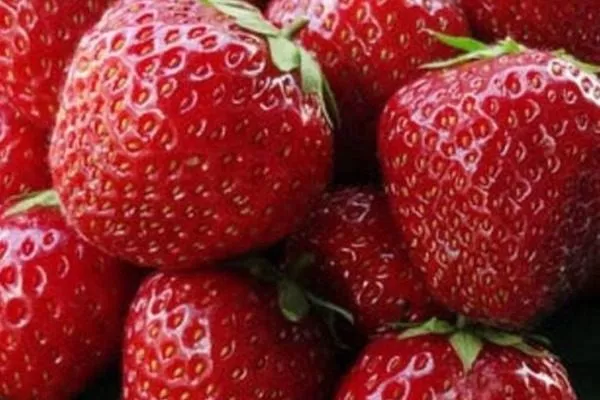
Korona is a mid-season dessert strawberry variety. It has long been known to Russian gardeners. It has been grown in Russia, Ukraine, Moldova, and many European countries for decades. This garden strawberry is renowned for its stunning flavor and vibrant aroma, as well as its high content of vitamins and other beneficial substances.
History of selection
The Crown is an achievement of Dutch breeding, born in 1972. To obtain it, scientists resorted to crossing the Tamella and Induka varieties.
Characteristic features of the variety
The main distinguishing feature of this strawberry variety is its resistance to cold. Thanks to this, it has become widespread throughout the Russian Federation, including in the northern regions. It also has other characteristics:
- the ability to grow quickly;
- unpretentiousness in care;
- long fruiting period;
- high taste qualities of berries;
- good immunity.
Description of the plant
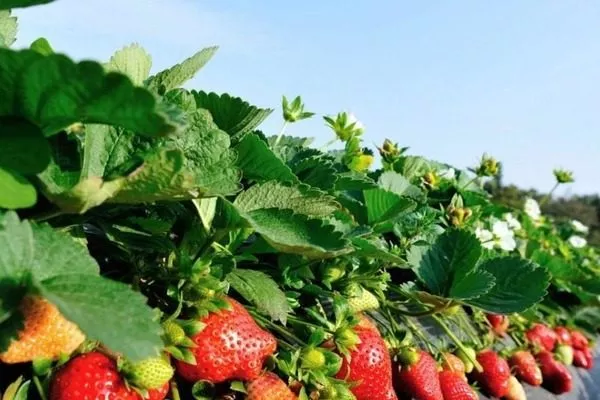
Bushes of this variety have the following characteristics:
- short stature - up to 35 cm;
- powerful structure;
- spreading;
- the strength of the branches, tall and not very thick, not prone to lodging under the weight of the berries;
- medium foliage;
- large leaf size, somewhat concave, dark green, with a glossy surface;
- a small but sufficient number of whiskers for reproduction.
Fruits and their taste qualities
The berries of this variety are attractive and possess the following characteristics:
- slightly larger than average in size;
- weight - 30-40 g;
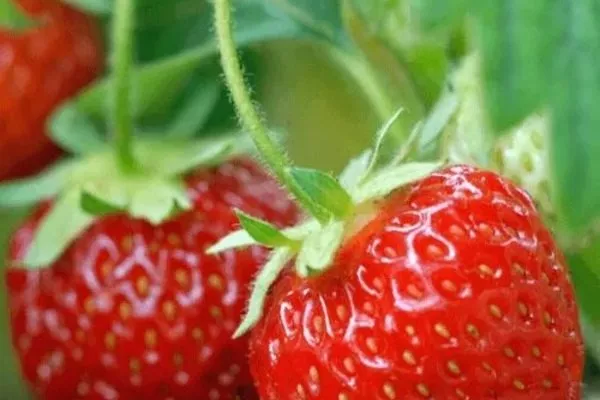
- heart-shaped or round-conical;
- rich color, close to burgundy;
- shiny surface;
- fleshy, soft and very juicy pulp of a red-orange color, inside which there is no core.
The Korona harvest is uneven: the berries vary in size and shape. The first wave of berries is larger, while the subsequent wave is much smaller.
This strawberry variety is renowned for its vibrant aroma and remarkable flavor: sweet, with a hint of strawberry. This is due to the balanced sugar and acid content of the pulp.
This berry is a storehouse of substances beneficial for human health:
- ascorbic acid;
- vitamins E, K, group B;
- folic acid;
- gland;
- potassium;
- magnesium.
Winter hardiness, cultivation regions
This Dutch variety is renowned for its frost resistance. Hardiness zones 5 and 6 are ideal. Its bushes are not affected by low temperatures, even down to -23°C.
Thanks to its ability to withstand cold, this strawberry is suitable for cultivation in regions with a variety of climates. It thrives best in the south and central regions. Northern gardeners prefer to grow Korona in a greenhouse or provide it with winter shelter.
Drought resistance, resistance to diseases and pests
Garden strawberries of this variety are not particularly drought-tolerant. In dry summers, they require regular and abundant watering.
Korona is a variety that is resistant to many pests and some diseases of berry crops, such as:
- brown spot;
- anthracnose.
Fruiting period and yield
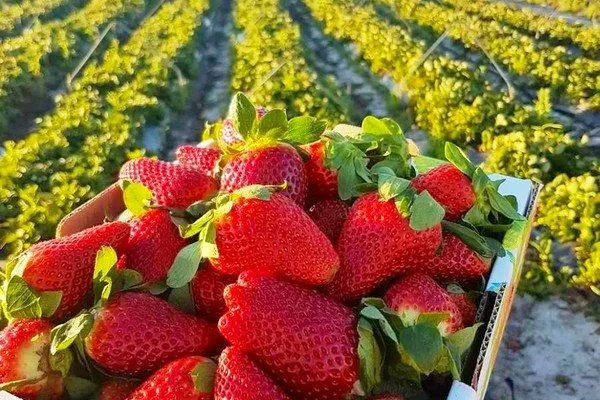
Plants of this variety bloom late. It is considered mid-season. Its first berries appear in the second half of June. However, the bushes bear fruit slowly, over several weeks. Their yield is up to 0.9 kg.
Pollination
Corona is a self-fertile strawberry variety. The flowers that appear on its bushes during budding are bisexual. They are distinguished by their small size and white petals. These plants do not require cross-pollination.
Transportability, scope of application
Because the flesh of these berries is soft and very juicy, transporting them over long distances is difficult. Their shelf life is short. Growing this variety for commercial use is not practical.
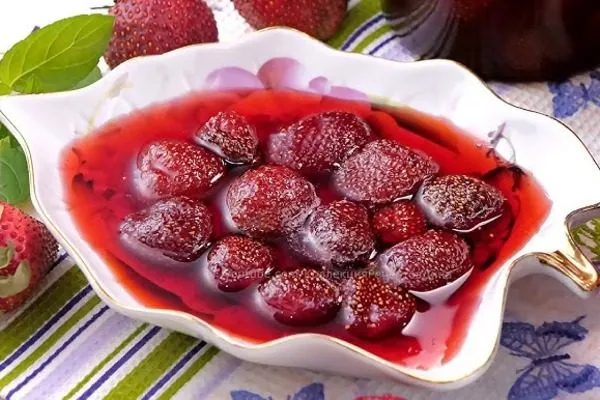
The purpose of the Korona strawberry is universal;
- it is eaten fresh;
- add it to desserts;
- jam, compote, and preserves are made from it;
- they make liqueur.
This berry is not suitable for freezing. It is best to eat it as soon as possible after picking it from the garden. The greatest health benefits come from uncooked strawberries. Cooking them loses the lion's share of their vitamins.
Advantages and disadvantages
Korona has become a favorite among Russian gardeners for its many advantages. This Dutch-bred variety is not without its drawbacks, however.
Landing
To ensure a good yield of strawberries of this variety, allocate a plot with the following characteristics for its beds:
- well-lit by the sun;
- protected from drafts and north winds;
- with loose, fertile, moisture-retentive soil;
- where you previously grew legumes - the best predecessors for garden strawberries (the worst are nightshades).
A month before planting this berry crop, dig up the soil. This variety isn't picky about soil composition. However, don't be lazy in improving soil fertility by applying fertilizer:
- organic matter such as humus, compost, cow manure (consumption - 10 kg per 1 sq. m);
- complex mineral compositions rich in potassium and phosphorus, such as potassium sulfate (20 g per 1 sq. m), superphosphate (30 g per 1 sq. m).
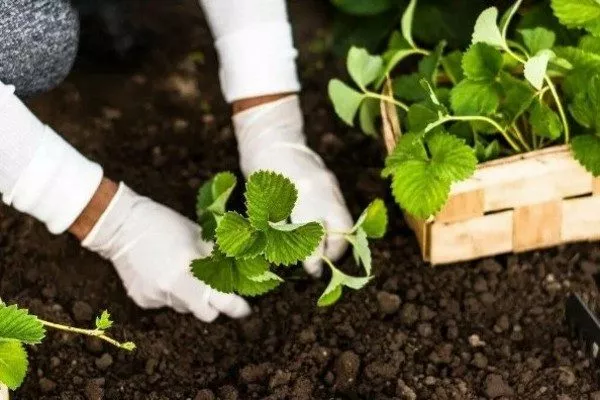
Plant the Korona variety in the first ten days of May. This can also be done from late July to mid-August. Plant in cloudy weather or in the evening, following this pattern:
- the distance between holes is 25-30 cm;
- the distance between rows is 50 cm.
Finally, water the planted plants. Mulch the soil underneath with sawdust, straw, peat, or compost.
Growing and care
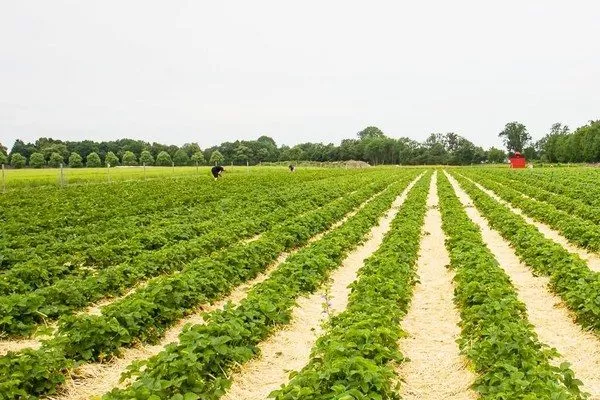
Korona is an easy-to-grow variety that produces fruit in a variety of soil types and climates. To ensure maximum yield and large, sweet berries, provide proper care. This includes the following:
- WateringWater your strawberry beds once every three days. Use 10 liters of warm, settled water per square meter of planting. It's acceptable to water less frequently—once a week—and increase the rate to 20 liters per square meter.
During flowering, the plant requires especially high soil moisture. Water it once every three days, using 20 liters of water per square meter of planting. - Loosening the soil, weedingRegularly break up soil crusts that form after watering and rain. This will allow air to reach the strawberry roots and prevent them from rotting. Along with loosening the soil, remove any weeds that rob the plant of nutrients.
- Mulching the soilThis technique helps retain moisture in the soil and prevent weed growth. Mulch the strawberry planting with organic materials or cover the soil under the bushes with spunbond.
- Moustache removalPerform this procedure to avoid overcrowding. Remove excess shoots from the Korona strawberry plant. The mother plant devotes all its energy to maintaining the viability of the rosettes. If these are not pruned, the berries will become smaller, reducing the yield of the bushes.
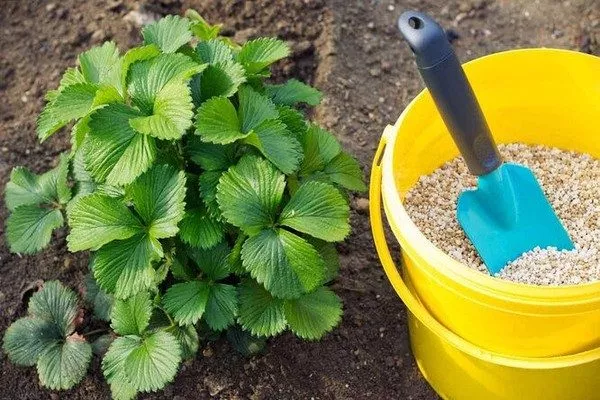
- Top dressingStrawberries of this variety respond well to fertilizer. A good harvest will not be achieved in poor soil. Fertilize the planting three times during the season: at the beginning of the growing season, during flowering, and at the end of fruiting. The best fertilizer for strawberries is organic. Water the bushes at the roots with solutions of substances such as humus (1:10), mullein (1:10), and chicken manure (1:20). For this purpose, you can also use wood ash infused with water (1:10). Also use mineral fertilizers. Prefer potassium and phosphorus-rich fertilizers.
Preparing for winter
Corona requires winter protection if grown in Siberia or the Urals. It would be a good idea for gardeners in the Moscow region to do this as well.
Prepare plants of this variety for winter as follows:
- in autumn, trim their tendrils and remove dried leaves;
- perform moisture-charging irrigation;
- mulch the beds using sawdust, wood ash, straw, and peat;
- Cover the planting with agrofibre (this measure is mandatory in northern climates).
Pest and disease control
If poorly cared for, strawberry bushes of this variety are susceptible to diseases and pests. To avoid this problem, experienced gardeners carry out preventative treatments and regularly inspect their plants for signs of disease or insect infestation.
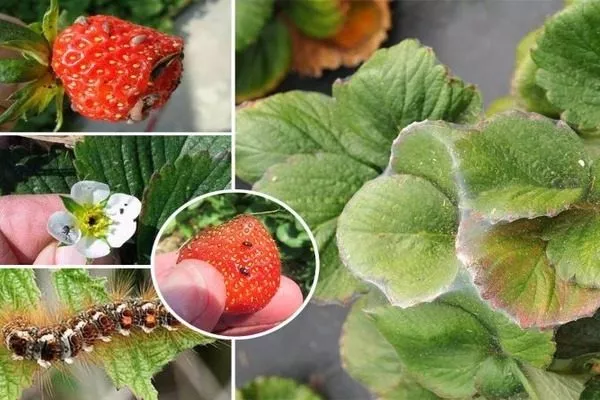
To prevent the Korona strawberry from being affected by grey mould, to which it is susceptible, follow these rules:
- Follow the planting pattern to avoid crowding;
- Monitor soil moisture and avoid waterlogging;
- Use copper-containing preparations to prevent and treat bush diseases.
This variety is also not resistant to white spot. This disease manifests itself as white spots surrounded by reddish halos on the foliage. The disease affects both the foliage, flower stalks, and runners. Control it as follows:
- Spray the strawberry beds with Bordeaux mixture (concentration 1%) twice a season: before the bushes bloom and in mid-summer;
- Treat the strawberry planting with an iodine solution, to obtain which use 10 ml of the preparation and 10 liters of water.
Reproduction
Gardeners propagate the Korona strawberry in 3 ways:
- using a mustache;
- dividing the bush;
- seeds.
To propagate berry crops using runners, follow these step-by-step instructions:
- Choose a strong and healthy bush with rosettes on the tendrils.
- Water the soil around the plant and loosen it.
- Press the rosettes into loose soil.
- Trim the runner after 3-4 true leaves appear. Then replant the resulting plant.
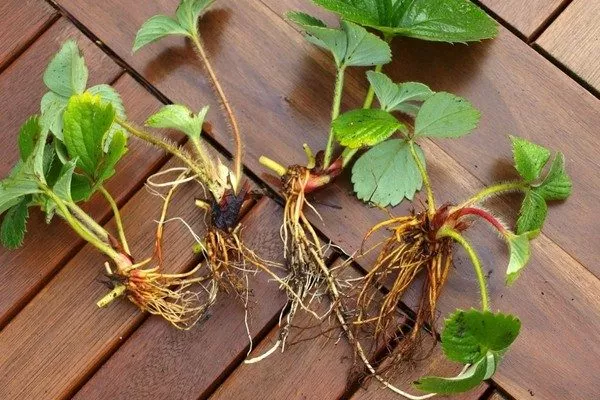
Divide the bush as follows:
- Select the strongest plant with well-developed roots from the strawberry patch. Carefully dig it up.
- Using a sharp knife, divide the bush into several sections. Each section should have a formed rosette, several leaves, and good roots.
- Plant the resulting divisions in the garden bed.
Propagating this crop by seed is a labor-intensive and time-consuming process. Korona seeds have a good germination rate: 8 out of 10 sprout. To obtain seedlings this way, follow these instructions:
- Soak the seeds in Epin and leave them there for 20 hours.
- Sow the seeds in a container with nutritious soil mixture. Plant them to a depth of 0.5 cm.
- Cover the planting with glass and leave it in a warm room (temperature: +22-25°C).
- Once the seedlings appear, move the container with them to the windowsill to provide them with light.
- Carry out 2 picks: after the first true leaf appears and after 3 leaves have formed on the seedling.
Reviews
Dutch strawberry varieties thrive in Russia thanks to their winter hardiness. The Korona variety is no exception. This berry easily tolerates frost, is pest-resistant, and produces beautiful and delicious berries. It's easy to grow. Simply following proper agricultural practices will prevent plant diseases and ensure a bountiful harvest.