
The Kent strawberry is a versatile variety characterized by its tolerance to weather conditions and high productivity. It will provide a reliable harvest even in unfavorable years. It's important to follow plant care tips to ensure an abundance of delicious berries every season.
The history of the Kent variety
The variety was developed in 1981 in Canada and underwent numerous tests at research stations before receiving official registration.
Plant characteristics
The bushes produce abundant harvests in a variety of climates. The crop demonstrates high productivity, which is why it is valued by agronomists in our country.
Bushes
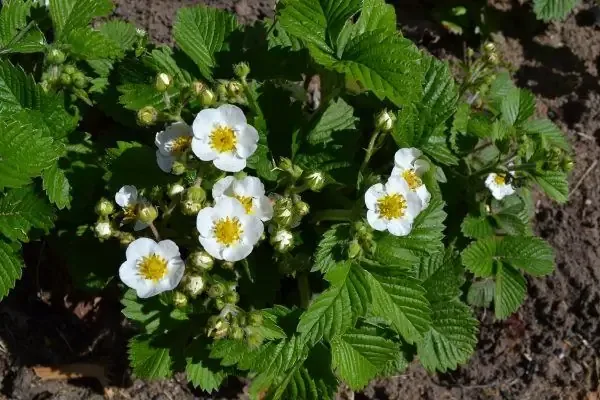
They have strong, straight stems and a well-developed root system. Their large, dark green leaves have long, sturdy petioles. The flower stalks are tall, with 5 to 7 inflorescences forming on each bush in the first year, and 10 to 15 in the following year. Under the weight of the ripening berries, the flower stalks bend to the ground.
The flowers are white, bisexual, and borne at foliage level. The buds bloom around mid-May, and the first berries ripen in early June.
Berries
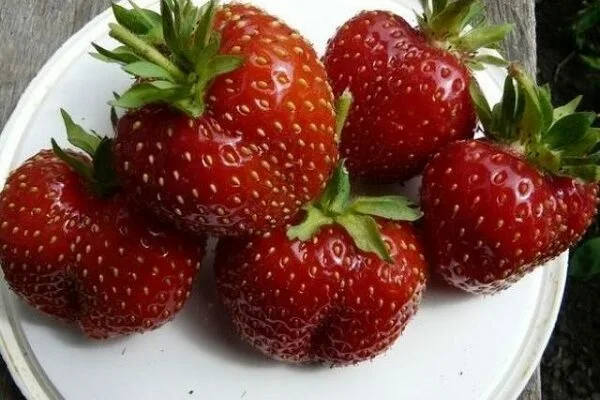
Ripe berries are dark red and have a glossy surface. Fruit sizes range from medium to quite large, depending on climate conditions and proper agricultural practices.
Ripening period and yield
This variety is considered an early ripening one. Fruiting begins at the beginning of the summer season. It is characterized by high yields – 700-800 grams of fruit can be harvested from a single healthy and well-maintained bush over the course of a season.
Pollination
This self-fertile variety has a high self-pollination capacity. The bush produces numerous flower stalks, starting with 5-8 in the first year, which double in subsequent years. The buds are located at foliage level.
Consumer and commercial qualities of fruits
The berries are round-conical in shape with a very short neck or no neck at all, and are easily separated from the stalk. At the beginning of the season, the average fruit weight reaches 30-40 g, with some specimens weighing 50 g, but by the end of the harvest season, their size decreases to 15 g or less.
Other distinctive qualities of the variety:
- The skin is bright red and shiny, turning dark red as it ripens.
- Yellow seeds are visible superficially.
- The flesh is juicy, sweet with a slight tartness, very firm but not crunchy, and has a pleasant aroma. Some larger specimens sometimes develop internal cavities.
- The attractive commercial appearance and excellent transportability make the variety in demand on the market.
Advantages and disadvantages of the variety
Despite the plethora of new, highly productive varieties, Kent remains a firm favorite among amateur gardeners, valued for its many qualities.
Selecting and preparing a site, optimal planting scheme
It has a moderate tendency to form runners—by the end of the season, enough plant material can be collected to renew the plantation, which is recommended every 3-4 years. Due to its large size, it is recommended to plant the bushes at least 40-50 cm apart.
- ✓ Optimum soil acidity for the Kent variety: pH 5.5-6.5.
- ✓ The need for annual renewal of the mulch layer to prevent diseases.
Helpful tips:
- The plant is undemanding regarding soil type and structure. It produces fruit reliably with standard care in soils of average fertility, but does not grow as well in lowlands with a high water table. It prefers sunny locations but can tolerate partial shade.
- Soil preparation includes digging, removing perennial weed rhizomes, adding compost or humus (6-8 kg per 1 sq. m) with the addition of ash or mineral fertilizers such as superphosphate (40 g) and potassium sulfate (30 g).
For convenience, you can use a wide selection of mineral and organomineral complexes designed specifically for strawberries. - In the central part of the country, seedlings of this early-ripening, non-everbearing strawberry can be planted both in spring and late summer, while in southern regions, autumn planting is preferred. This variety is considered frost-hardy, but for successful overwintering, the seedlings must have time to establish roots.
- In regions with snowless winters, where temperatures drop below -10°C, mulch mature bushes with peat, straw, sawdust or pine needles.
Agrotechnical recommendations
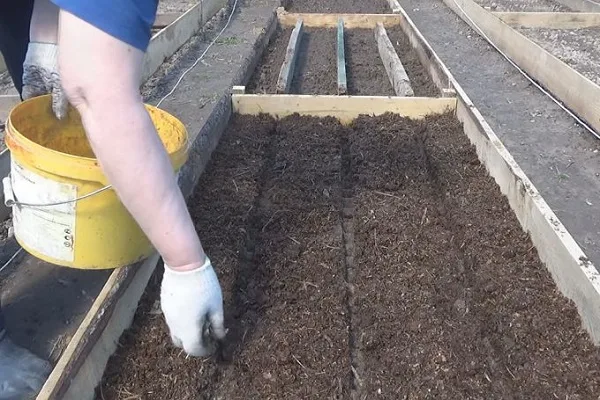
Caring for the crop requires little effort, as standard agricultural practices are used. Follow these basic procedures:
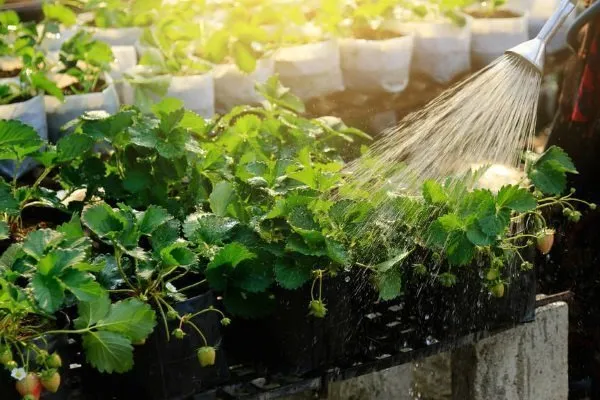
- Watering should be moderate and regular. Excessive moisture can promote fungal infections and reduce frost resistance. In summer, water only the roots, and in spring, use sprinklers. In dry and hot weather, water every 2-3 days.
Kent does not like cold water, so it is advisable to use rainwater warmed by the sun, which should be left to stand in a container for at least one day. - After watering, loosen the soil and remove weeds. To reduce the frequency of watering and weeding, use mulch: straw, sawdust, compost, or peat. The organic mulch layer should not be thicker than 5-6 cm.
Agrofibre is an ideal breathable mulch material, but do not use polyethylene as it can cause root rot. - Remove any excess runners you don't plan to keep for propagation. Do this regularly, given their good ability to form new rosettes. In the fall, remove old leaves along with the runners.
Pest and disease control
It exhibits high resistance to many infections and common diseases. Adverse weather conditions can cause the bushes to become infected with gray mold, so carry out preventative treatment in late fall or early spring using a 1% Bordeaux mixture.
The bushes are not susceptible to powdery mildew or strawberry mites. If the plants are infected with verticillium wilt, dig them up and destroy them, as this is the only way to prevent the spread of the infection.
Preparing for winter
In preparation for winter, remove old leaves and treat plants for pests and diseases. Loosen the soil to prevent insect larvae from overwintering. In colder regions, use spruce branches, non-woven material, or a layer of humus, leaves, or straw for cover.
After the snow melts, remove the mulch, exposing the bushes to the spring sun. In the south, no cover is required, as strawberries can tolerate temperatures down to -20°C.
Reproduction
After 3-4 years, plants reach their full potential. It's recommended to replant new bushes in a different location to reduce the risk of diseases and pests. If this isn't possible, dig up the old plantings and restore the depleted soil by adding forest soil and organic matter.
Reproduction is available in several ways:
- With a mustache. Select large mother plants with well-developed rosettes on their runners. Root them directly into disposable pots buried in the ground. Transplant the young plants to their permanent location once they have 5-6 new leaves. They will begin to actively bear fruit next season.
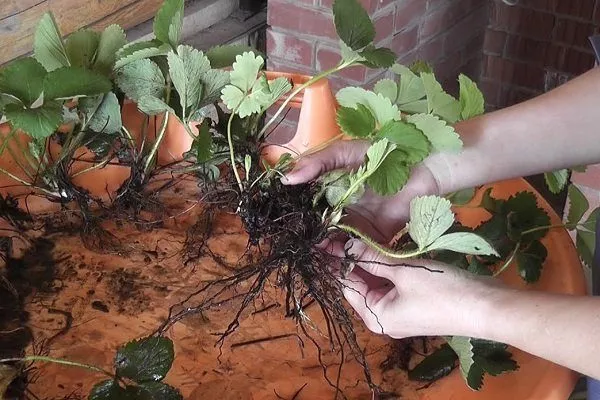
- Dividing the bush. The new seedling should have young roots, and if the bush is too old with a woody root system, dividing the plant is pointless.
- Seeds. Propagation by this method is only worthwhile if you can't find young seedlings for planting. Sow seeds in seedling trays, placing them on a windowsill or in a greenhouse, or directly into the ground. The second option is only suitable for warmer regions.
Gardeners' reviews
Kent strawberries are characterized by early ripening, abundant yields, and excellent flavor, making them a popular choice for gardeners. Their low maintenance, disease resistance, and ability to self-pollinate make them an ideal choice for cultivation. Proper care is essential to ensure strong immunity and bountiful harvests.