
Black strawberry varieties are very popular among gardeners in our country. These include varieties with berries in shades of dark burgundy, dark red, and dark cherry. There are many varieties with excellent varietal characteristics and excellent flavor.
Strawberry varieties with dark berries
Black strawberry varieties represent a unique development in the breeding of this berry bush. Unlike traditional red and pink varieties, black strawberry varieties boast a distinctive color and flavor.
| Name | Ripening period | Disease resistance | Size of berries |
|---|---|---|---|
| Cinderella of Kuban | Late | Resistant to stem nematode | Large and medium |
| Kent | Early | Resistant to gray fruit rot | Large |
| Malvina | Late | Resistant to strawberry mite | Very large |
| Alyonushka | Average | Resistant to gray mold | Average |
| Mitze Schindler | Mid-late | Susceptible to gray fruit rot | Small ones |
| Student | Average | Cold-resistant | Average |
| Black swan | Late | Disease resistant | Very large |
| United Kingdom | Average | Frost resistant | Very large |
| Kama | Average | Disease resistant | Large |
| Accept | Mid-early | Disease resistant | Very large |
| Amulet | Average | Resistant to fungal infections | Average |
| Memory of Pushkin | Mid-early | Resistant to gray fruit rot | Average |
| Ruby pendant | Mid-season | Disease resistant | Average |
| Fireworks | Average | Wilt-resistant | Average |
| Black-browed | Early ripening | Susceptible to diseases | Small ones |
| The Black Prince | Early Middle | Resistant to fungal diseases | Large |
| Kiss Nellis | Average | Frost resistant | Very large |
| Strawberry Lady | Early | Resistant to winter frosts | Average |
- ✓ Consider the variety's resistance to local diseases and pests that are not listed in the table.
- ✓ Pay attention to soil requirements: some varieties prefer sandy soils, others - loamy soils.
Cinderella of Kuban
This Russian variety is late-ripening, characterized by high productivity in a relatively short period—two or three harvests. Yields range from 0.8 to 1 kg of berries per square meter. The plants are susceptible to leaf spot but are resistant to stem nematode.
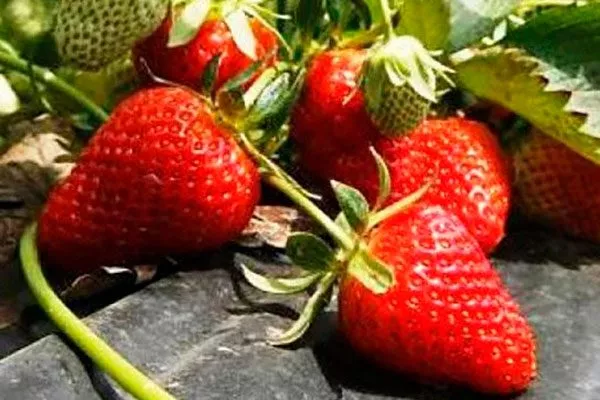
The bushes are vigorous, with leathery, dark green foliage. The fruits range from large to medium-sized, and are dark red. The flesh is firm, with a dessert-like flavor and aroma reminiscent of raspberries.
The excellent taste and rich color of the berries are due to the use of parent varieties – Yuzhanka and Mitze Schindler.
Kent
This Canadian variety, bred in 1973, attracts attention due to its early (mid-early) ripening and the sweet flavor of its dark crimson berries. The harvest ripens gradually. Fruit sizes range from large to medium—from 10 to 15 grams to 30 grams. The bushes are low, upright, and bear medium foliage.
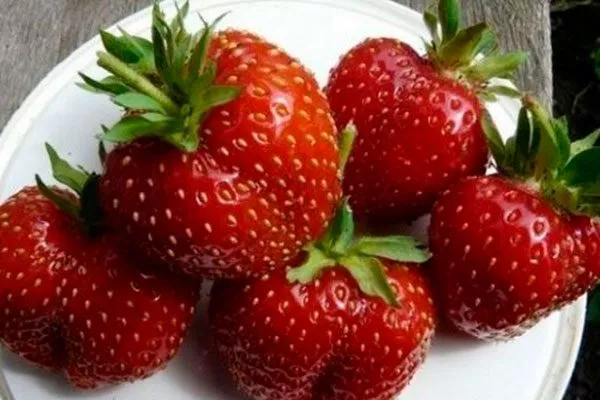
The clusters are long, with numerous berries. The berries can be comb-shaped, flattened-oval, or teardrop-shaped, with a small neck. The skin is shiny and firm. The flesh is bright burgundy, very dense but not tough, and juicy. These fruits retain their shape well when used in compotes, jams, and frozen.
It has high winter hardiness, even in harsh conditions, and is resistant to gray fruit rot and leaf spot, although it is slightly susceptible to verticillium wilt and strawberry mite. Plants require regular soil moisture.
Malvina
This German-bred variety (2010) is the latest to ripen among the non-everbearing varieties. The fruits are characterized by their density, uniformity, and beauty. Their shape can be fan-shaped, trapezoidal, or teardrop-shaped, with a rounded tip. Berry size ranges from 20 to 50 g (sometimes reaching 60-80 g).
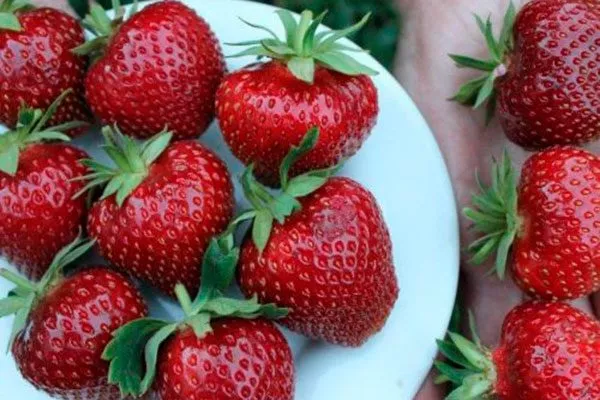
The skin is shiny, dark red, and when fully ripe, it takes on a burgundy color with a purple tint. The berries have a sweet, dessert-like flavor, and a distinct strawberry aroma.
The plants grow vigorously and densely. The leaves are strong, healthy, and dark green. A sufficient number of runners are produced, and the short flower stalks are hidden beneath the foliage. This variety is especially valuable for commercial sale: its late ripening period and attractive berries attract buyers.
Alyonushka
Selected by the Lisavenko Research Institute (Siberia), this mid-season variety boasts a compact structure. High yields are typical already in the first year. The plants are medium-sized, partly spreading, and form numerous runners.
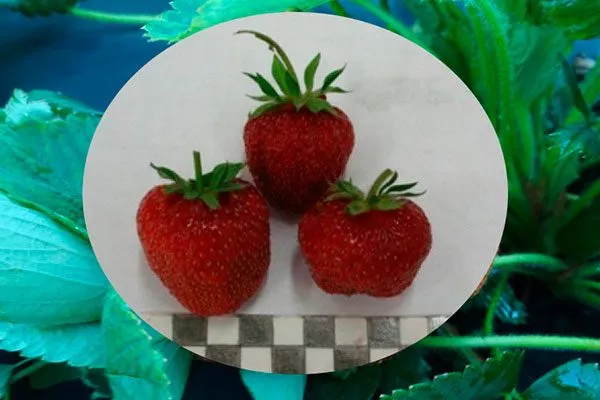
The berries are teardrop-shaped, dark red, and glossy, suitable for transportation and freezing. The flesh is dark, dense, and richly flavored. Fruit size ranges from 8 to 20 g. The variety is resistant to low temperatures, strawberry mites, and gray mold.
Mitze Schindler
This German variety, developed in 1933, remains popular due to its excellent flavor, despite its small fruit size (maximum 20 g, average 5-10 g). With good root zone moisture, the number of large berries increases.
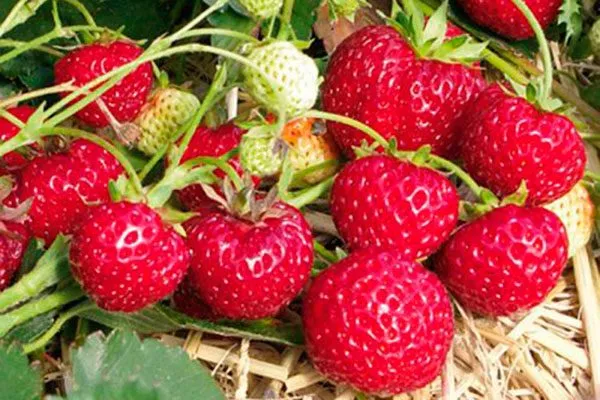
The bushes are low, sparsely foliated, and spreading. The plants are relatively cold-hardy, but somewhat susceptible to gray fruit rot and strawberry mites; leaf spots may appear towards the end of the season. Fruiting is mid-late and prolonged. They produce a very large number of runners.
The fruit is oval or round, without a distinct neck; the outer color is dark crimson, while the inner color is lighter. The seeds are located deep within the pulp. The skin of the fruit is thin, making it difficult to transport.
Student
This variety was developed in Russia by crossing wild and garden strawberries. The plants are characterized by spreading, well-foliated bushes. The berries are dark cherry-colored and elongated-conical in shape, but not overly large—each fruit weighs between 15 and 30 grams.
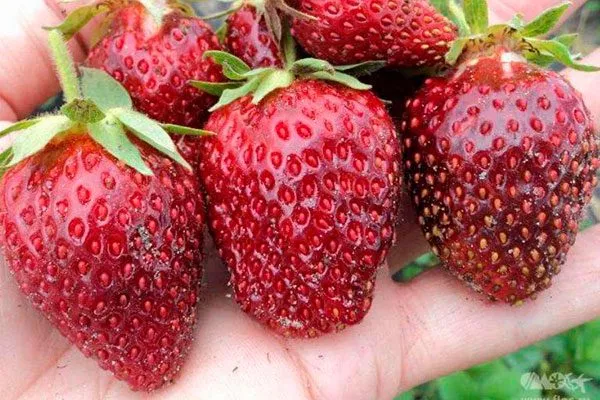
The flavor is excellent: the fruits are sweet with ripe fruit notes and a slight tartness. The aroma is strawberry-like. This versatile variety is suitable for both fresh consumption and processing (it makes excellent juices, preserves, jellies, etc.).
It begins bearing fruit as early as midsummer, around the second half of July. The average fruiting period is about 3-4 weeks. It is highly winter-hardy, but to maintain fruiting, it is best to cover the bushes with a special material or agrofibre for the winter.
Black swan
Created by Dutch breeders, the bushes are graceful and reach heights of up to 60 cm. Their elongated, slightly ruffled dark green foliage proudly supports numerous large white flowers.
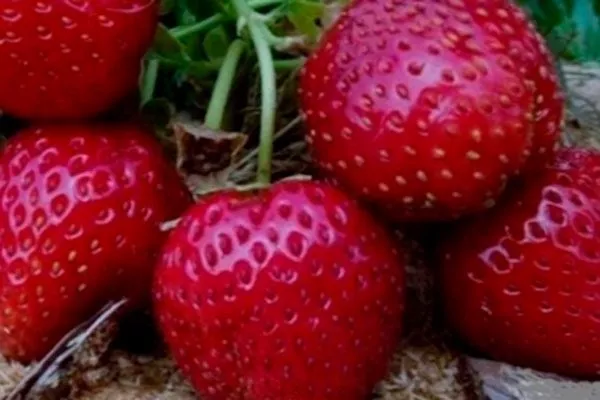
The fruits are very large, weighing up to 100 grams each. Their dark cherry color, close to black, gives the impression of being overripe. The flesh is juicy and firm, with a pleasant mixed strawberry aroma. The shape is round-conical.
This late-ripening variety ensures continued fruiting throughout the summer, even until September under favorable weather conditions. The yield is quite high, and with proper care, a single bush can yield up to 2 kg of berries. It stores well and is easy to transport.
United Kingdom
It was bred in 2010. The bushes are compact and vigorous, bearing large berries with a dessert-like flavor and aroma. The berries have an exquisite burgundy-cherry hue and a rounded-conical shape, reminiscent of a cockscomb. They are impressive in size: each berry can weigh between 70 and 120 g.
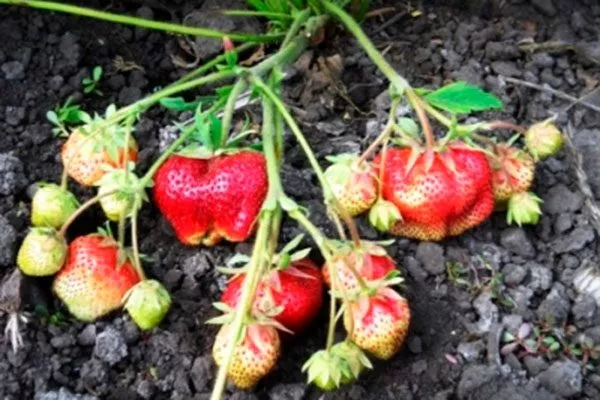
The flesh is juicy and dense, without any voids. It has a pleasant sweet-and-sour flavor and is highly productive. A single bush can yield 1 to 2 kg of berries per season, and with proper care, even up to 2.5 kg.
Its high winter hardiness makes this variety particularly valuable: its bushes can withstand frosts down to -15-20°C, providing a rich harvest even in unpredictable weather conditions.
Kama
Characterized by spreading yet compact bushes that form a dense foliage mass. The bush is slightly taller than average, with dark green leaves that sometimes have a glaucous tint and noticeable downiness at the base. The robust flower stalks are concealed beneath the foliage, protecting the flowers and fruit from sunlight and birds.
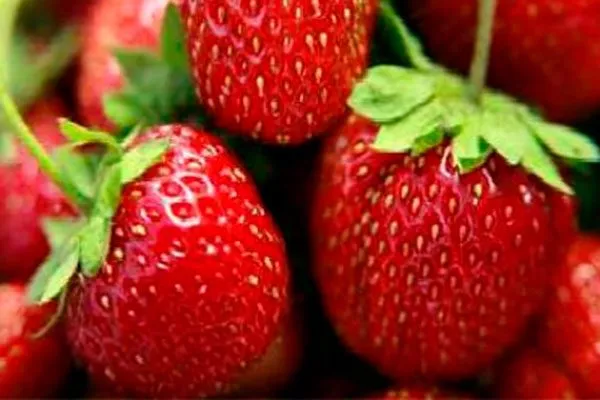
The average berry weight is 20-30 g, but the largest ones are usually picked early in the fruiting season, when they reach 60-80 g, then their size begins to decrease. The shape is round-conical with a noticeable neck. The fruits are shiny, slightly ribbed, with shallowly located yellow seeds.
Fully ripened berries are dark burgundy with cherry hues and dark, firm flesh. They have a sweet, slightly tart flavor and a distinct aroma.
Accept
This variety arrived in our region from Italy. It is distinguished by tall, sturdy, yet compact bushes. The large leaves are dark green. It produces medium-sized runners, with enough runners for propagation. During flowering, the bushes are adorned with medium-sized, whole flowers.
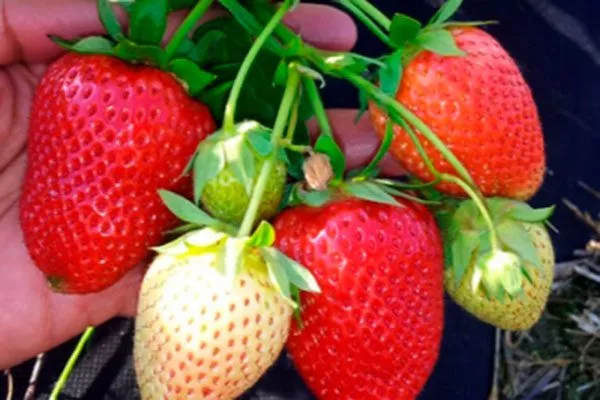
Ripe strawberries acquire a rich, dark cherry color with a glossy surface. A distinctive feature of this variety is its very large berries, which can weigh between 80 and 120 grams. The shape is smooth, oval-conical, although some specimens can be elongated. The flesh is very juicy and firm.
The fruit's flavor is sweet, delicate, and balanced, with a strawberry-muscat aroma. It's a mid-early variety. Yields are very high, with a single bush yielding 2 to 2.5 kg of ripe fruit. Marketability and transportability are excellent.
Amulet
This mid-season variety produces a uniform and abundant harvest. The plants have strong roots, with a dense, partially spreading structure. A fruiting cluster typically bears 10 to 14 ovaries. The average berry size is 12.5 g, but can sometimes reach 8-20 g, and in rare cases, 40 g.
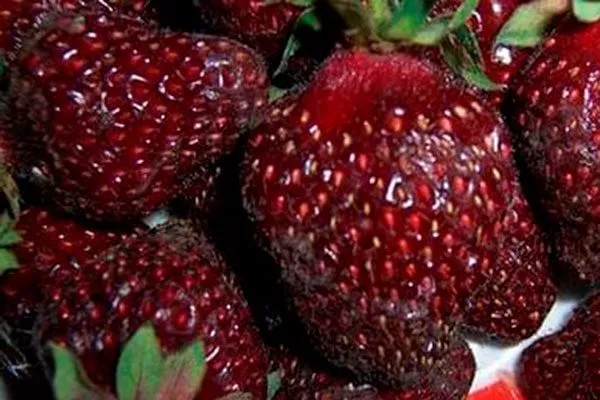
The berries are elongated and conical, with a pointed or blunt nose and a neck. When fully ripe, the skin takes on a dark cherry hue. The flesh is firm and has an excellent dessert flavor. They are characterized by good transportability and resistance to fungal infections and strawberry mites.
Memory of Pushkin
This variety, developed in Stavropol in the mid-20th century, is a mid-early variety. It is characterized by low frost resistance, leading to its recommendation for cultivation in Krasnodar Krai and Karachay-Cherkessia.
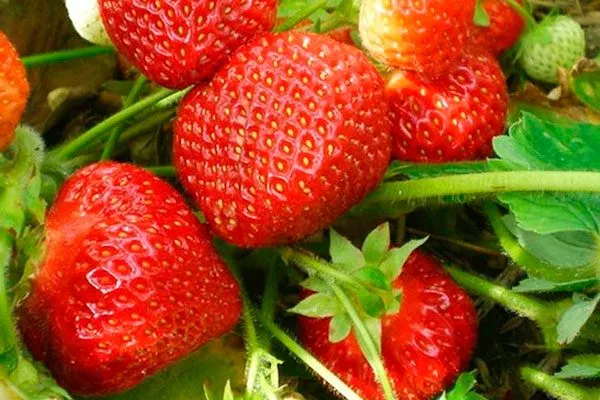
This variety grows densely and semi-spreading plants. The berries are truncated cones, weighing approximately 20 grams. The skin and flesh are a rich burgundy color, and the sweet flavor lends the berries a dessert quality. This variety produces a good yield and is relatively resistant to gray fruit rot.
Ruby pendant
This mid-season variety, bred in Moscow, was developed in the early 1980s and added to the State Register in 1988. The plants are highly frost-resistant and successfully bear fruit in various regions of Russia: in the central part, the south, the Volga-Vyatka region, the Urals, and Siberia.
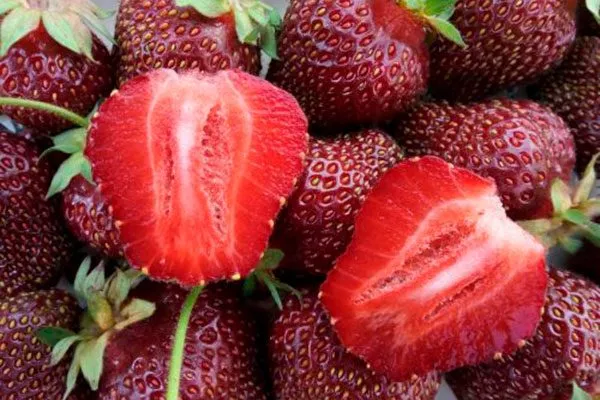
The bushes are moderately spreading and medium in height. The berries are hidden under the foliage, providing protection. The plants are generally resistant to disease, have average resistance to gray mold, and the fruit transports well.
The berries are very uniform: the first ones in the cluster have a flattened trapezoid or rectangular shape, while the subsequent ones have a teardrop-shaped configuration. The fruit's consistency is moderately firm, and the flavor combines sweetness with a slight tartness. The berry size ranges from 10 to 30 grams, sometimes slightly larger.
Fireworks
The berries are very dark in color, burgundy with blackish-purple highlights. This unusual variety was bred in Moscow and added to the State Register in 2000. It ripens mid-season. The strawberry flower stalks are thick and located under the leaves, providing good protection.
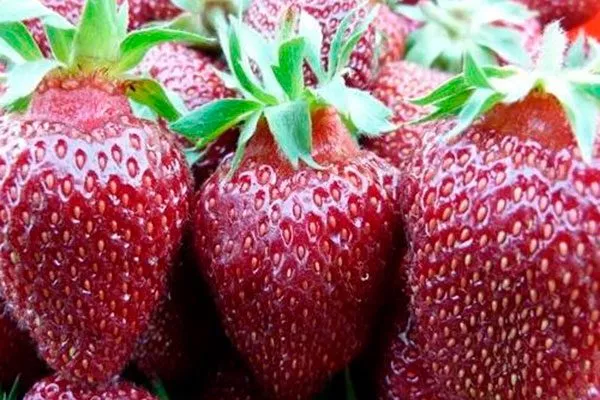
The fruits gradually develop color, and the green tip remains for a long time. The berries are truncated-conical in shape, with a neck, and their size ranges from 12 to 35 g. They are resistant to frost and diseases such as wilt and powdery mildew, but are quite susceptible to gray mold.
Black-browed
Developed in Maykop and included in the State Register in 1959, it is recommended for cultivation in the North Caucasus region. It is an early-ripening variety characterized by high yields.
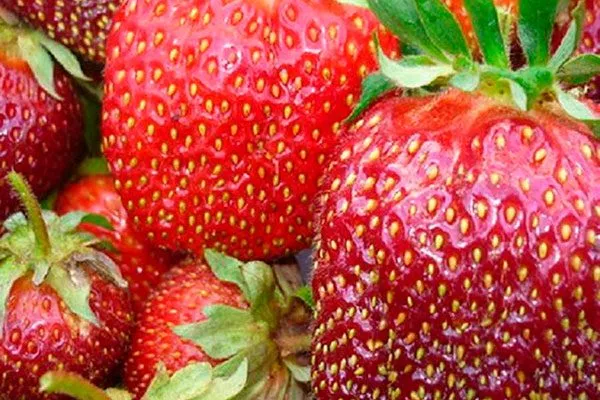
The bushes require regular treatment against diseases. The plants are low-growing and compact, but produce numerous runners. Inflorescences typically bear 6 to 8 ovaries. The fruits weigh from 6 to 12 g and are shaped like a blunt cone without a neck.
The Black Prince
The berries are fleshy and dark red, and when fully ripe, they acquire a dark cherry sheen, making them attractive for sale. The flesh is firm, without voids, and the skin ensures excellent transportability. The fruits have a smooth, teardrop-shaped form with a small neck.
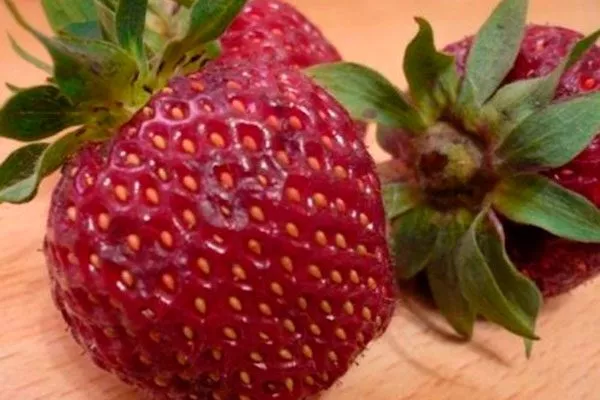
The largest berries acquire a comb-shaped form and reach a weight of 35 to 50 g, and the following ones – from 20 to 25 g. The taste is slightly sour-sweet, emphasizing the dessert qualities of the berries.
This strawberry variety of Italian origin is characterized as early to mid-season ripening. It has strong roots, and the bushes are dense and spreading. The flower stalks are abundant and well-branched. The plants are resistant to fungal diseases and prefer light soils, such as sandy ones.
Kiss Nellis
Introduced in 2014, this variety is known for its large fruits and high frost resistance. The berries are substantial and conical in shape, without a neck, and can sometimes be comb-shaped. Fruit weight in a good harvest year can reach 170 g.
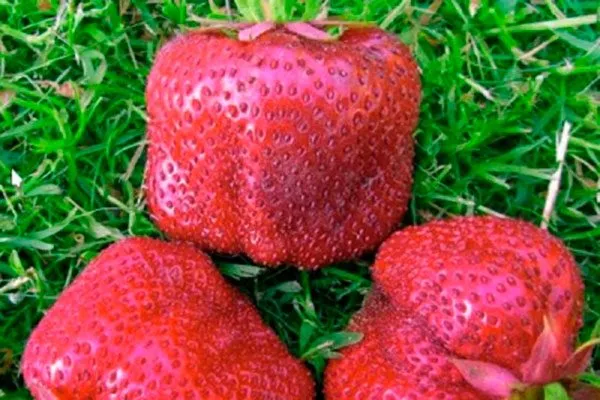
It has a pleasant texture, sweet flavor, and aroma. It ripens mid-season, but boasts impressively high yields. On average, a single bush yields 1.5 kg of juicy and delicious berries, and with proper care, this can increase to 2.5-3 kg.
Strawberry Lady
This is one of the most common and recognizable strawberry varieties in Russia. It was developed by Russian breeders by crossing large-fruited garden strawberries with European Muscat strawberries. The bushes are tall and vigorous, reaching a height of 20-30 cm. The leaves are light green and trifoliate.
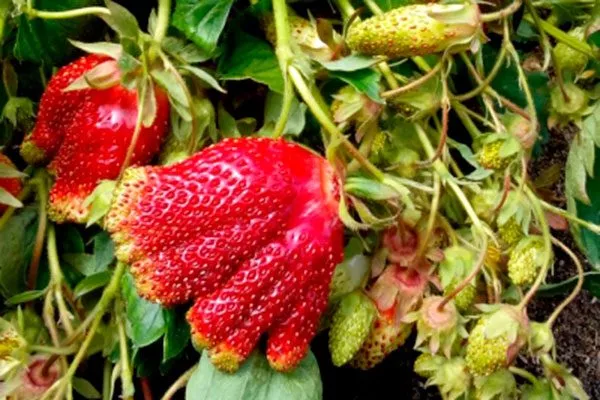
The berries are dark red with a cherry hue and come in a variety of shapes: flat-round, ribbed, or elongated. A distinctive "comb" can often be seen at the tip. The berries are medium-sized, weighing 20-25 g. The plant tolerates winter frosts well.
The flavor is sweet and muscat with spicy notes, and the aroma is pleasant and fragrant. The flesh is dark red, juicy, and firm. It's an early variety, so flowering begins in June, and the first berries ripen by the end of that month or early July. A single plant can yield up to 400 g of berries.
- ✓ The Black Swan variety can be distinguished by its very large berries and a bush height of up to 60 cm.
- ✓ The Barinya strawberry has a characteristic “comb” at the tip of the berry and a muscat aroma.
Black strawberry varieties represent a unique and exciting development in the world of gardening and breeding. They are distinguished not only by their appearance but also by their excellent taste. They offer fruits with a distinctive strawberry-cherry aroma and a sweet and spicy flavor. Proper care is essential to maintain the varietal characteristics.