
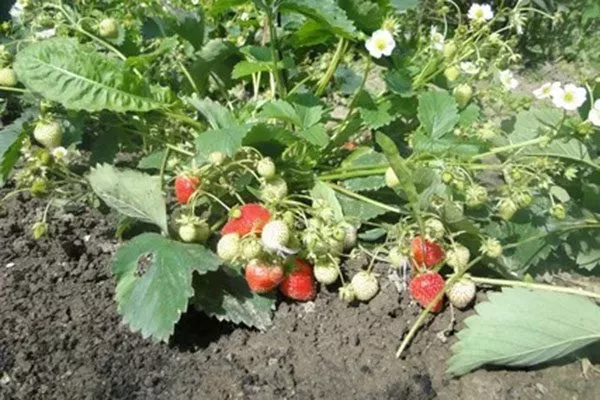
The runner-less strawberry has become very popular among gardeners. This variety, known as the alpine everbearing strawberry, attracts attention with its high yields, excellent flavor, and low maintenance. The variety of runner-less strawberry cultivars allows you to choose the perfect one for any climate and preference.
Strawberry without whiskers - what is it?
In the strawberry family, there are species that do not form shoots—this is the main difference between them and other members of the genus. One such species is the runnerless strawberry. This variety is highly sought after due to its productivity, which exceeds that of other species.
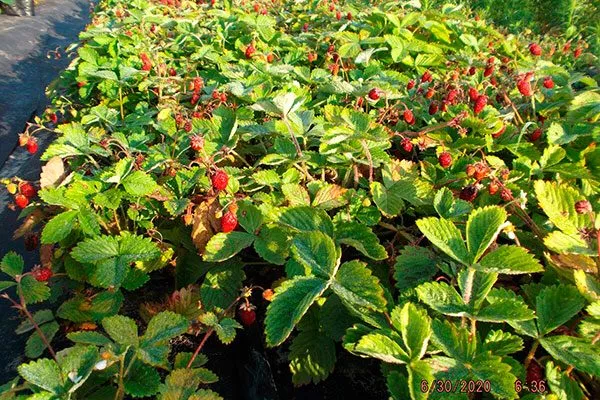
Everbearing means the ability to bear fruit multiple times per season. Everbearing strawberries are characterized by continuous flowering and maximum yield due to their ability to form generative buds in the spring.
Advantages and disadvantages of the species
Fruitless strawberries have their pros and cons. This variety of strawberry gets its name from its ability to produce fruit several times a year. It produces fruiting buds during any daylight hours, as long as they receive at least six hours of light.
Benefits of sterile strawberries:
Large-fruited varieties of runner-less strawberries
Large-fruited strawberries from the list of everbearing varieties produce a harvest twice per season. There is usually a significant interval of approximately two months between the first and second harvests. The second harvest is typically more productive than the first, yielding more berries in a single season.
| Name | Fruiting period | Disease resistance | Berry size |
|---|---|---|---|
| Bolero | 5 years | High | 35 mm |
| Garland | Continuous | Average | 30 g |
| Yoke | Average | High | 25 g |
| Lyubasha | Long | High | 12-23 g |
| Merlan F1 | Long | Very high | 20 g |
| Vima Rina | Short | High | 75 g |
| Albion | Long | High | Large |
| Selva | Long | High | 70 g |
Bolero
A self-pollinating variety of everbearing strawberry, created in England at the end of the 20th century, it is distinguished by its compact bush and prolonged fruiting for five years, producing large, approximately 35 mm in diameter, sweet berries.
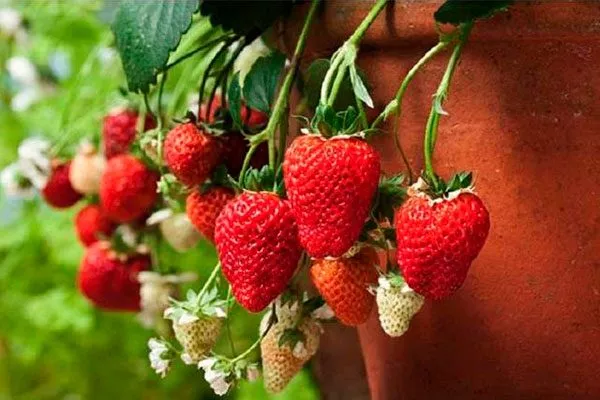
It is one of the most weather-resistant varieties, maintaining high yields even in extreme heat. It is rarely susceptible to pathogenic microorganisms.
Garland
It features a continuous fruiting cycle, ensuring high yields throughout the season. The berries have a pleasant flavor and firm flesh. They retain their shape well during transportation, making them convenient for shipping and storage.
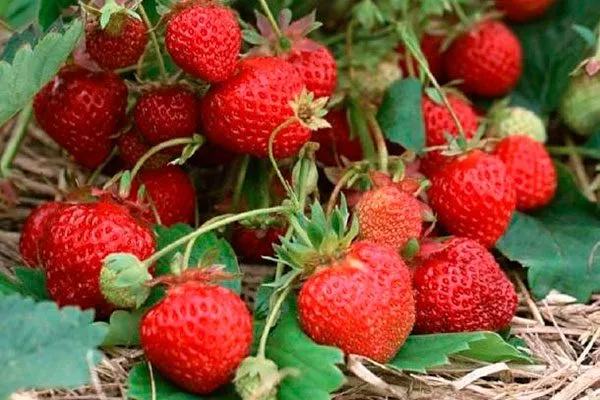
The berries weigh up to 30 g. The pulp is rich and tender, leaving a pleasant aftertaste of wild strawberries. The only drawback is that the fruits can become small if not properly cared for.
Yoke
It has an elegant appearance thanks to its abundance of leaves, which give the bush a decorative and flirtatious look. The berries weigh up to 25 g and contain approximately 9% sugar, making them sweet and juicy.
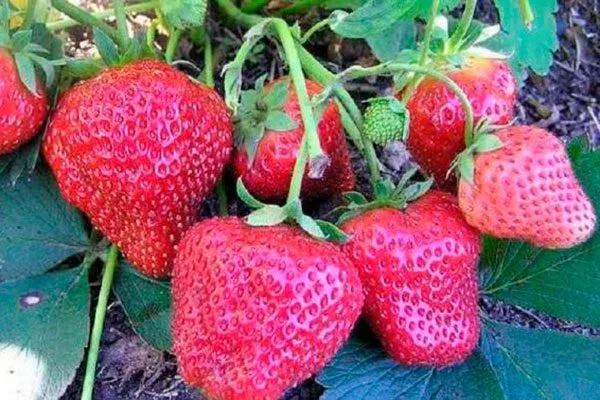
The fruits are suitable for fresh consumption, for making jam, preserves, or for freezing for future use, revealing their bright flavor in any form of preparation.
Lyubasha
Characterized by low bushes that produce large berries with a distinct sweetness and a wild strawberry aftertaste, the variety is characterized by low-growing plants that exhibit high tolerance to cold weather, making it an excellent choice for regions with harsh climates, such as Siberia.
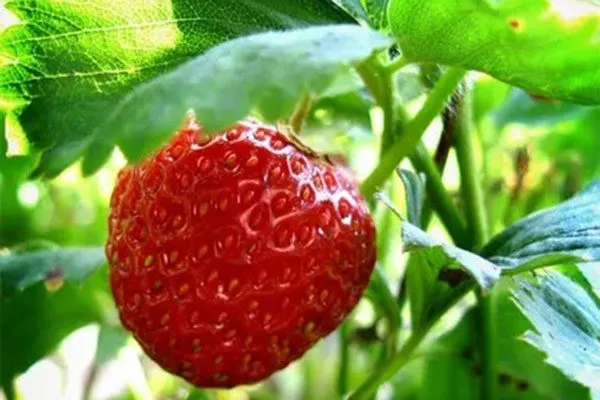
The berries are impressive in size, ranging from 12 to 23 g. They have a perfect conical shape and a red color, making them quite attractive. They contain 12% sugar and 82 mg/% vitamin C. On a five-point scale, this strawberry variety scores 4.9.
Merlan F1
The Swiss hybrid is the most hardy of the large-fruited strawberry varieties. It requires little care, is virtually immune to insects and diseases, and continues to produce fruit even in light frosts.
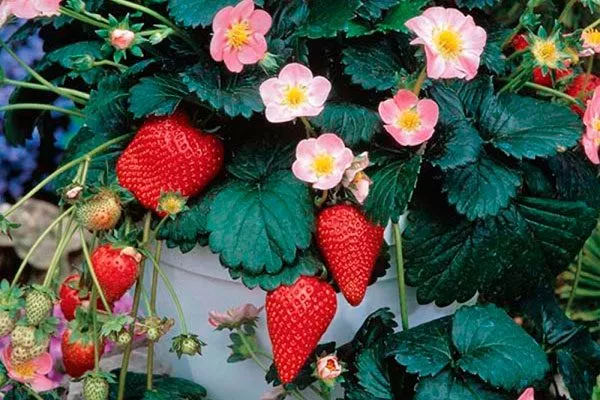
The low bushes are covered with large pink buds during flowering. The medium-sized berries, weighing up to 20 g, are conical in shape and have a distinctly sweet flavor.
Vima Rina
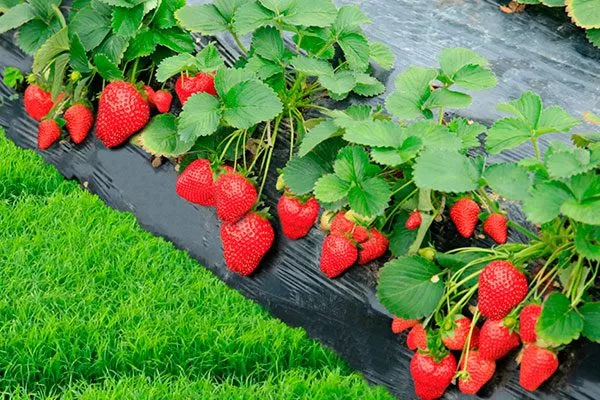
This drought-resistant Dutch-bred variety boasts a short period between fruitings—up to three weeks. It has large leaves, with flower buds nestled between them, creating strong, healthy bushes. The berries are large, weighing up to 75 g. They contain approximately 8% sugar, imparting a sweet flavor.
Albion
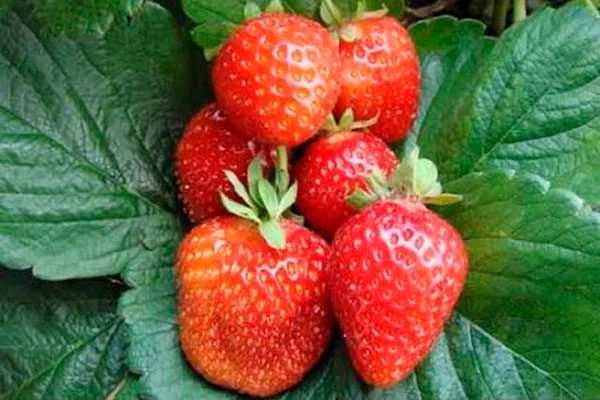
It tolerates drought and produces a bountiful harvest, attracting attention with its dark green leaves with distinctive iridescent patterns and straight flower stalks. This ensures that the ripening, bright red, delicious berries never touch the ground and remain clean.
In cold climates, plantations require shelter to protect plants from adverse weather conditions.
Selva
A Czech-bred, frost-resistant and high-yielding strawberry variety, it is known for its large berries, reaching up to 70 g in weight. They have an uneven conical shape and a slightly tart flavor.
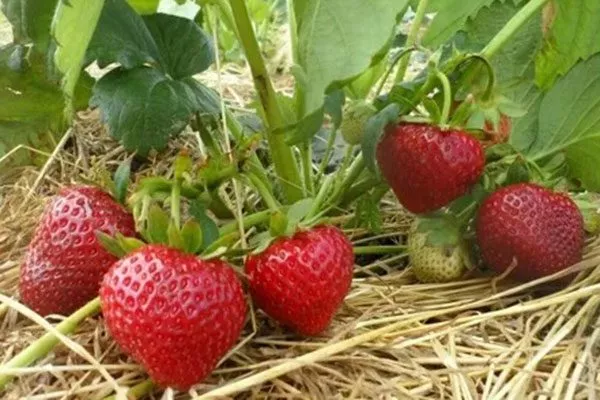
Thanks to its excellent varietal characteristics and high disease resistance, strawberries are used as a basis for creating various hybrids. This variety requires regular watering, as it is virtually drought-intolerant.
Small-fruited varieties of runner-less strawberries
Small-fruited varieties are less common, but despite their small size, they produce high yields. These varieties are less demanding in terms of growing conditions and require less complex care.
| Name | Fruiting period | Disease resistance | Berry size |
|---|---|---|---|
| Ruiana | Long | Average | 7 g |
| Baron Solemacher | Average | High | 4 g |
| White swan | Long | High | 2.5-4 g |
| Yellow miracle | Long | High | 10 g |
| Rügen | Long | High | 2-2.5 g |
| Forest Tale | Long | High | 4-6 g |
| Rhine Waltz | Long | High | 4-5 g |
| Alexandria | Long | High | 8 g |
Ruiana
The plants grow up to 15-20 cm in height and width, making them ideal for growing in small spaces. Their compact, neat, spherical crown gives them high ornamental value. The leaves of the bushes are bright green and tightly curled.
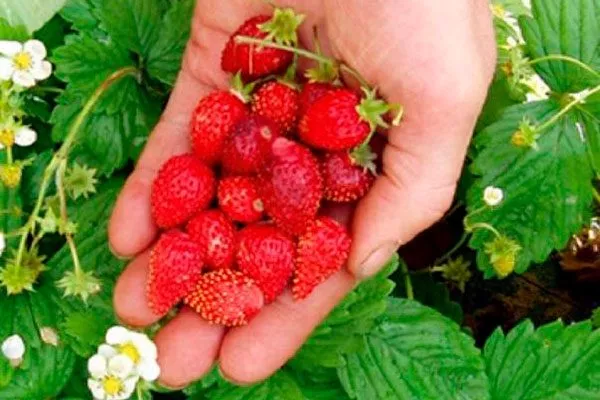
The berries have a vibrant flavor and aroma. They weigh only 7 grams and range from 1.5 to 2 cm in length. Most fruits are smooth and conical, although slightly curved specimens are also found. This variety stands out due to its excellent adaptation to moist conditions in well-drained soils.
Baron Solemacher
Small, compact bushes begin bearing fruit in the first year after planting, with the first fruits ripening by midsummer. Ripe berries with a pleasantly tart flavor are hidden under the leaves. Under favorable conditions, the sugar concentration in the berries can reach 7%.
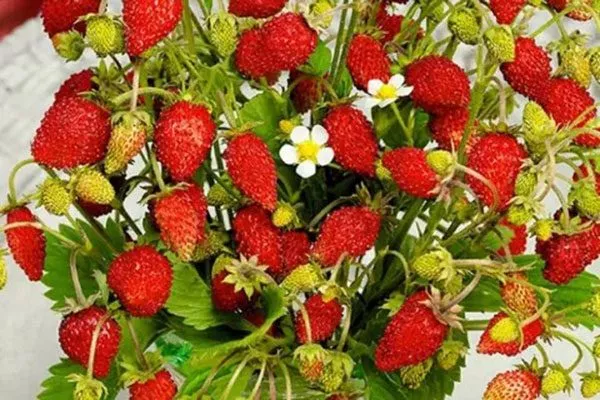
The strawberry bushes of this semi-spreading, squat variety, no more than 20 cm tall, are covered with small, light green leaves with serrated edges. The berries are bright, deep red with a glossy sheen, sweet in flavor, and a conical shape. They average up to 4 g in weight.
White swan
Created by Japanese breeders, this variety was given many positive qualities, such as remontant growth, high yields, and the absence of runners. The bushes are compact, reaching up to 20 cm.
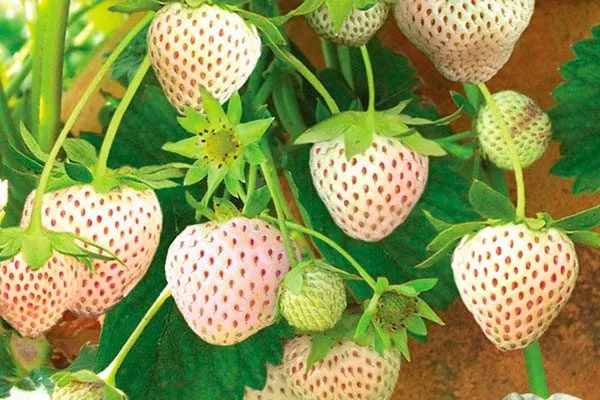
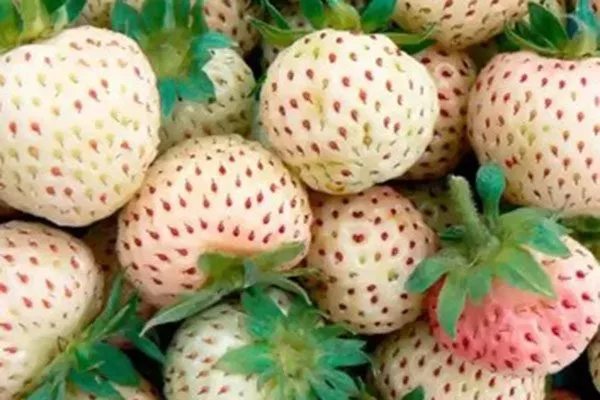
The berries are slightly elongated, delicately white, and small, weighing only 2.5 to 4 g. A distinctive feature is the abundant yield and a distinctive flavor with a pleasant hint of linden.
Yellow miracle
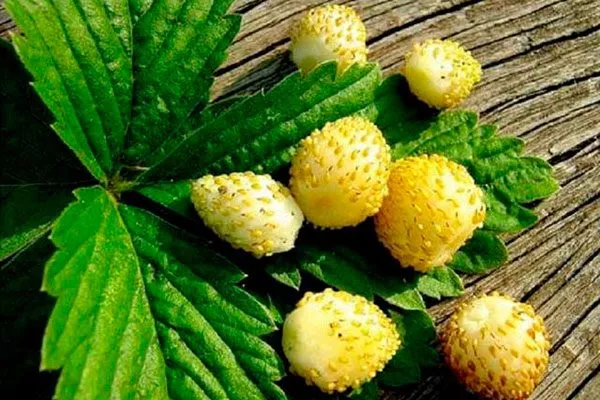
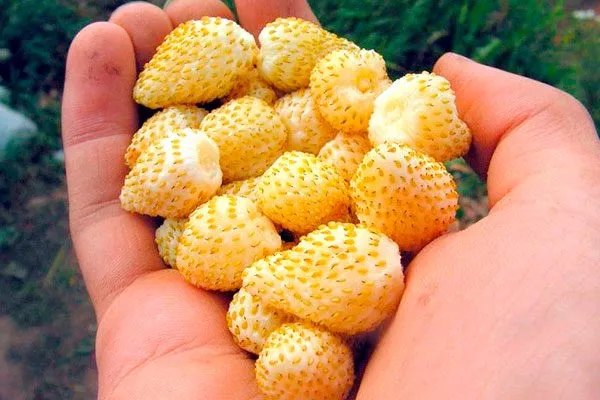
Up to 1,000 small berries ripen on the bushes, each weighing up to 10 grams. They have an elongated conical shape and a light yellow hue, reminiscent of a peeled banana. They are very sweet and aromatic, with a fragrant scent containing light pineapple notes. The flesh is juicy, with a rich, strawberry-like flavor.
Rügen
The bushes have a compact, spherical shape. The average height of the plants is about 18 cm. The leaves are rich green with noticeable corrugations.
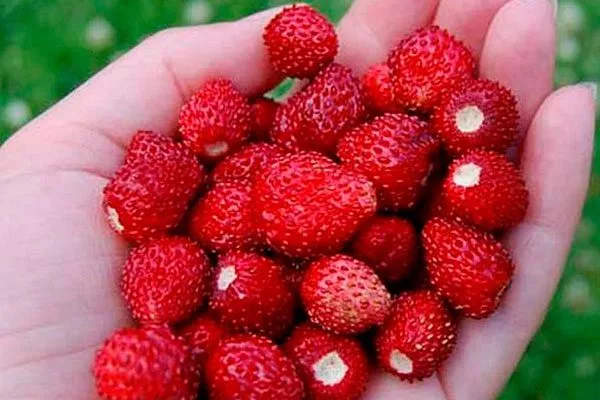
The berries are small, conical, and neckless. They range from 2 to 3 cm in length and are approximately 1.2 to 2 cm thick at the thickest point. The shiny berries weigh between 2 and 2.5 g. They have a flavor reminiscent of wild berries: sweet, sugary, and aromatic. The flesh is firm and juicy.
Forest Tale
It is characterized by a beautiful bushy form, reaching a height of 20-30 cm and having a rounded shape. The leaves are small, oval, with serrated edges, and bright green.
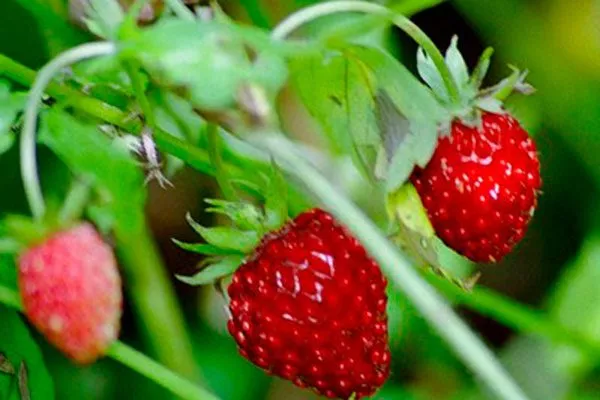
The berries are conical, small (4-6 g), and dark red. The flesh is tender, juicy, and firm. The sweet and sour flavor makes this strawberry very appealing for fresh consumption or for use in a variety of desserts.
Rhine Waltz
Ideal for central Russia. The bushes reach a height of 15-20 cm. The berries are small, weighing 4-5 g, bright red, with tender, sweet, and aromatic flesh.
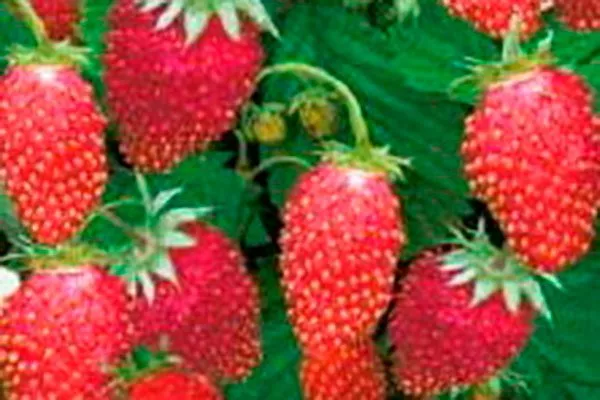
The fruits taste like wild strawberries and are suitable for eating fresh, decorating desserts and baked goods, freezing, and making jam. This variety yields approximately 500-600 g per bush.
Alexandria
The bushes reach a height of 20 cm, and the average berry weighs about 8 g. During the season, one plant can produce up to 50 fruits.
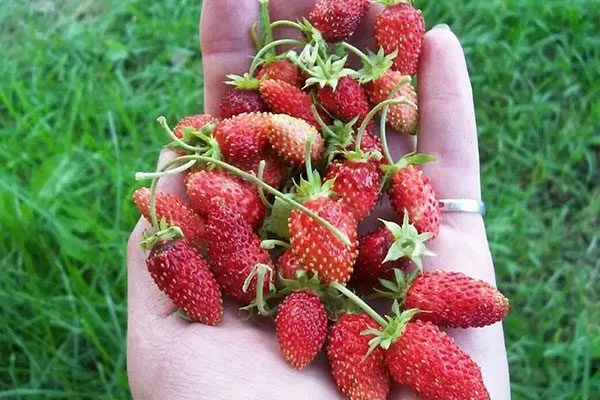
This variety is virtually immune to pests and diseases, making it an excellent choice for home growing. The berries ripen even with light frost, ensuring a continuous harvest.
Other popular varieties
There are many other popular varieties available on the market, widely used by gardeners. Below are the varieties grown in our country.
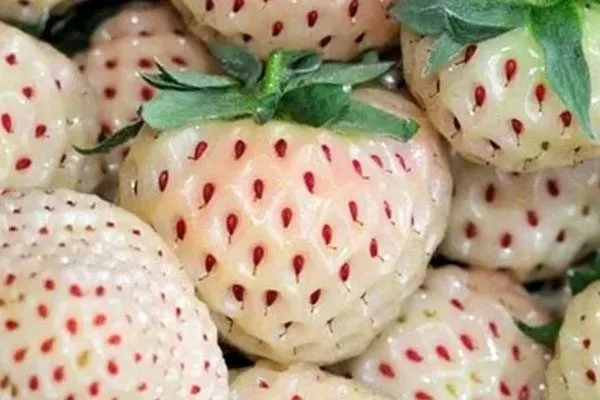
Snow White
The berries are whitish-yellow in color and conical in shape. Fruit weight ranges from 1.5 to 2.1 g. The juicy, tender, and dense white flesh has a distinct aroma. This variety received a tasting score of 4.6 points on a 5-point scale, demonstrating its high quality flavor.
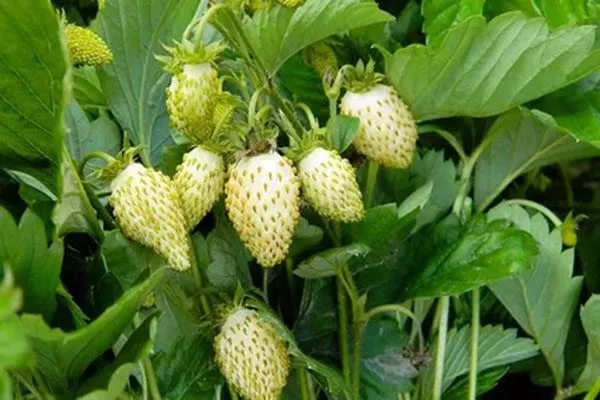
Weiss Solemacher
The berries are conical in shape and creamy white in color. They average 4 to 5 grams in weight. They have an excellent flavor, combining sweetness and tartness. Notes of pineapple are clearly discernible. The flesh is white, juicy, tender, and crumbly, with a rich aroma.
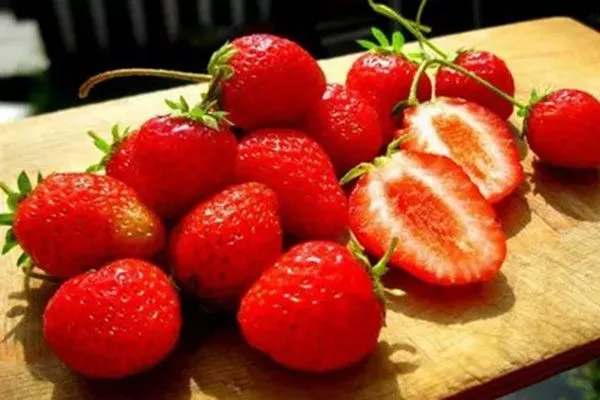
Mount Everest
The bush is spreading, reaching 30 to 50 cm in height, with abundant foliage. The green leaves consist of three leaflets and are covered with fine hairs. It is characterized by a medium yield, with up to 1 kg of berries being harvested from a single bush. The crop is successfully grown in the Urals, Siberia, and the central and southern regions.
Zita and Gita
It stands out for its decorative qualities and aromatic berries, ideal for fresh consumption. The bushes typically reach a height of 30-40 cm. The berries are conical in shape and weigh approximately 3-5 g, available in white and red. The flavor is sweet, with hints of wild strawberry, and the flesh is medium-firm.
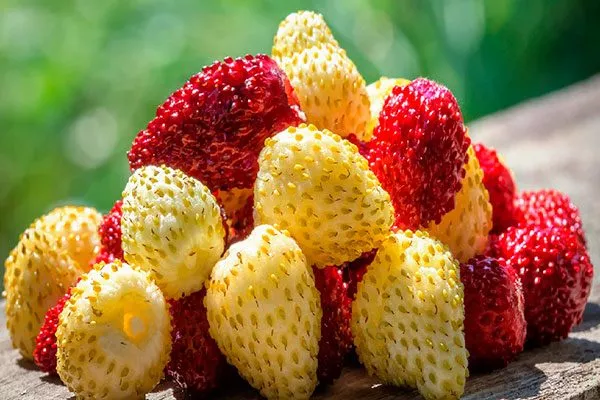
Irishka
The plant is a medium-sized, spreading bush that blooms profusely. The berries are dark red, small (20-25 g), and very sweet, with a rich aroma that fills the air. A single bush can produce up to 1.5 kg of delicious and aromatic berries in a single season.
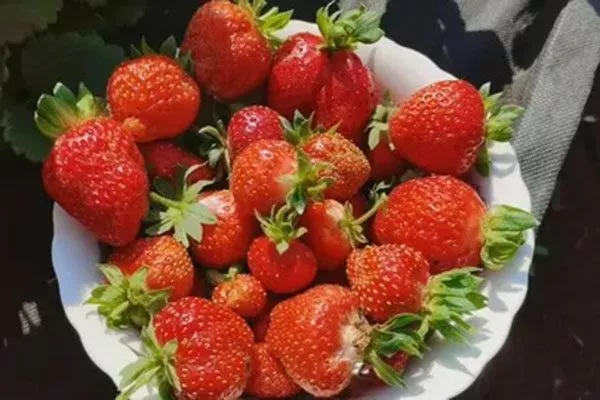
Little Red Riding Hood
A semi-spreading, large bush, approximately 25 cm tall, with abundant dark green foliage. The fruits are red and oval-round in shape. They are large, weighing 25 to 30 g, with the first fruits reaching up to 35 g before decreasing in size.
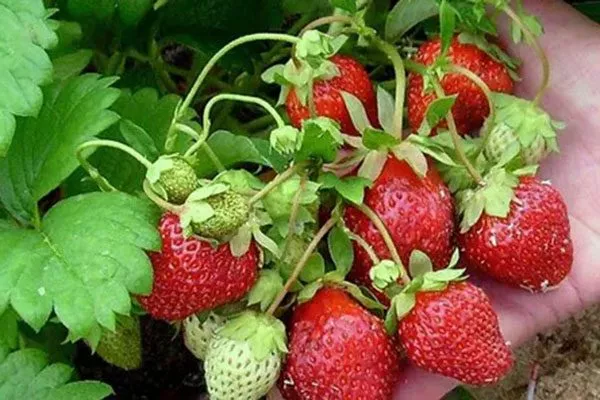
The flesh is juicy and firm, scarlet in color. This variety has a sweet taste and a pleasant strawberry aroma.
Gardener
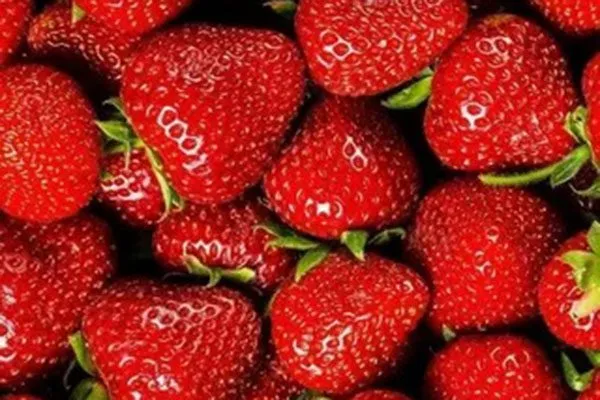
The berries are conical in shape and large, weighing approximately 20-25 g. Their bright red color makes them very attractive. The flesh is firm and juicy. The berries have a sweet and aromatic flavor that satisfies even the most discerning palates. The yield is very high – up to 2 kg per bush.
Laurent
The bushes reach a height of about 30 cm and a width of approximately 40-50 cm. They have a neat, slightly spreading shape, resembling a ball, and their leaves are dark green and closely spaced.
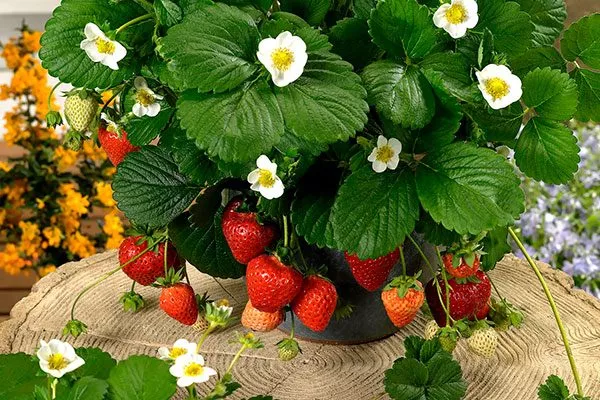
The berries are truncated-conical in shape, large (up to 1.5 cm long), and weigh up to 20 g. They have a sweet taste with a pleasant strawberry aroma, and their flesh is very juicy. A single bush can yield up to 750 g of fruit.
Ksyusha
The bushes reach a height of up to 15 cm and have a compact, runner-free form. Their distinctive feature is their good transportability, making this variety popular for commercial cultivation.
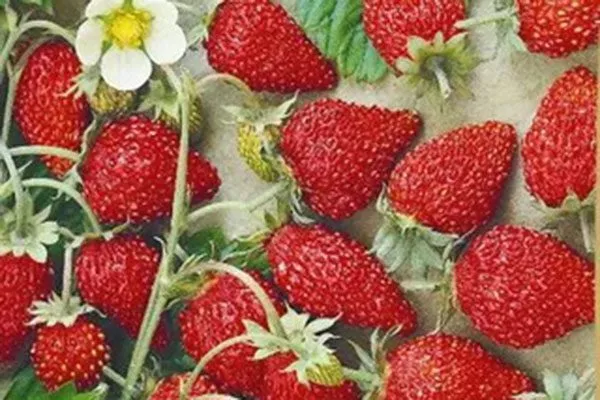
The berries are round and range in size from 2.5 to 5 grams. They are bright red with a small number of white seeds on the surface. The flesh is juicy and tender, and their flavor is sweet and aromatic.
Sweet tooth
The bushes have good growth vigor and a compact, decorative form, reaching a height of up to 30 cm and a width of up to 20 cm. The berries are round, approximately 2 cm in diameter. They are very sweet, juicy, and have a refined aroma. Each berry weighs between 30 and 50 g.
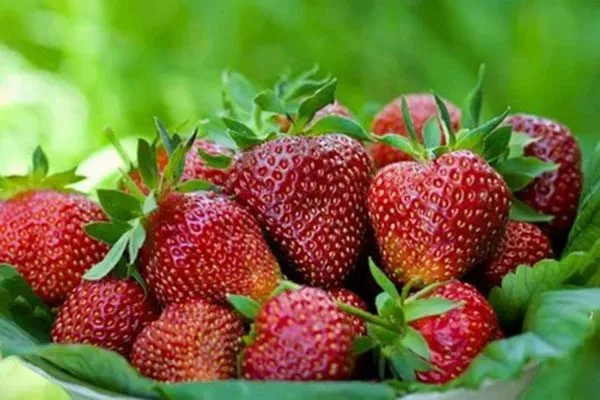
This strawberry variety has a variety of uses: it can be used to make fresh desserts or processed in fruit drink or candy factories. One of its main advantages is its high yield—up to 2 kg of berries can be obtained from a single bush.
Sasha
Characterized by a spherical, densely foliated bush, the ripe fruits are suitable for fresh consumption and are often used for processing, including making jam and juice. The berries are a rich dark red color and weigh approximately 3 to 4 grams each.
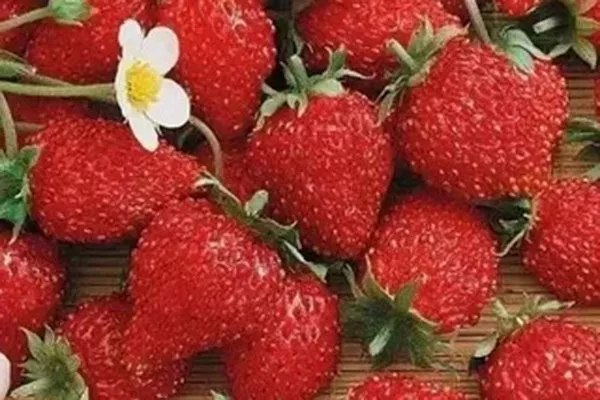
The fruits have a sweet taste and a pleasant aroma, and the flesh is firm and juicy. This strawberry variety is known for its high yield. A single bush can yield approximately 2 kg of ripe fruit.
Evi 2
Characterized by round, neatly shaped fruits, the peduncles have long stems and sparse foliage. The berries ripen quickly and have a sweet flavor, a pleasant, rich aroma, and a firm texture. Berry weight ranges from 15 to 26 g.
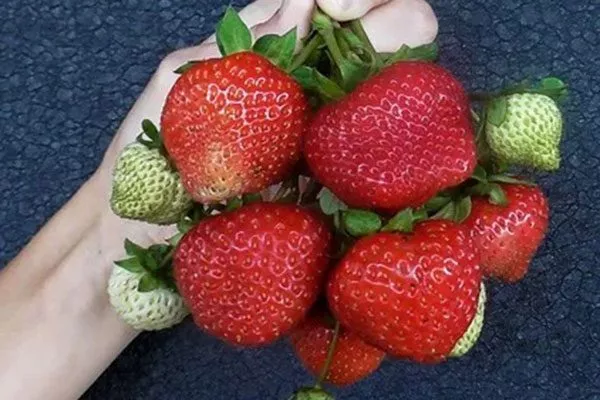
Strawberries can be used to make a flavorful jam. The berries retain their shape in the compote, imparting a rich red hue to the drink. The yield is considered high, as this variety can yield up to 5.5 kg per square meter.
Varieties by region
When choosing a strawberry variety for planting in a particular region, it's important to consider its ability to adapt and thrive in specific climate conditions. Breeders have developed specialized varieties designed for growing in areas with unique climates.
For the Moscow and Leningrad regions
Several varieties adapted to the local climate are suitable for the Moscow and Leningrad regions. Let's take a closer look:
- Snow White. Characterized by early ripening, beginning in mid-June and continuing until the first frost, it boasts a high vitamin and nutrient content, with berries weighing up to 6 g and yields up to 2 kg per square meter.
It is resistant to low temperatures, suitable for canning, and has white flesh with an excellent taste, complemented by a sweet and sour note.

- Alexandrina. It ripens mid-late, yielding up to 1.5 kg per square meter. Berries weigh between 5 and 7 g. It has good resistance to pests and diseases, and its flavor is characterized by a sweet and sour note with a distinct strawberry aroma.
- Goldfinch. It ripens early, beginning in early June and ending in September. Yields can reach up to 2 kg per bush, and berries weigh 12 g. The fruits are yellow, have white flesh, and are highly flavorful, accompanied by a pleasant aroma.
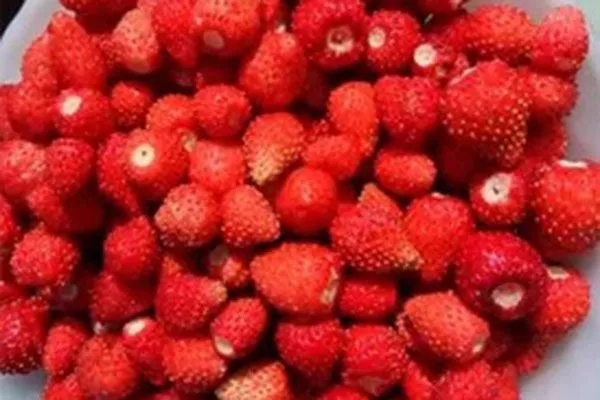
Numerous varieties suitable for cultivation are distinguished by large fruits, high yields, and compact bushes. When choosing the right variety, agronomists consider a number of characteristics.
For the Volga and Central regions
Several varieties are considered optimal for growing in these areas. The list includes:
- Yoshkarolinka. It ripens early, yielding up to 200 centners per hectare. The berries weigh approximately 8 grams, are conical in shape, and red in color. They are suitable for fresh consumption and have a versatile use.
- Lyubava. Characterized by early and uniform ripening, yielding up to 1.5 kg per bush. Berries weigh 25 g each, and their flavor is sweet and sour.
It has a long shelf life without refrigeration and is suitable for processing and deep freezing. It is resistant to low temperatures and many diseases, such as powdery mildew, strawberry mites, gray mold, and brown spot.
- Queen Elizabeth. It is distinguished by its early ripening and long fruiting period from June to October. Yields can reach 35 tons per hectare. The berries have excellent taste and marketability, are easy to transport, and are winter-hardy. They weigh approximately 70 g.
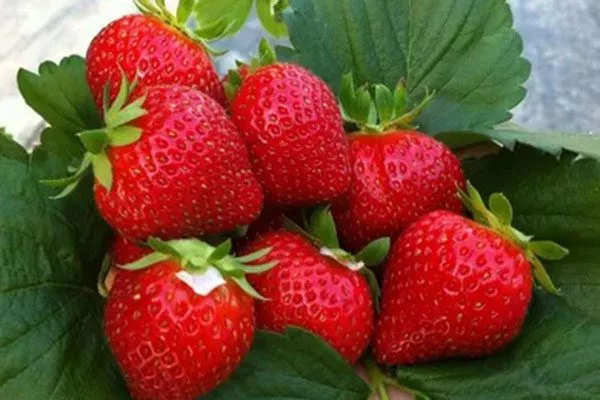
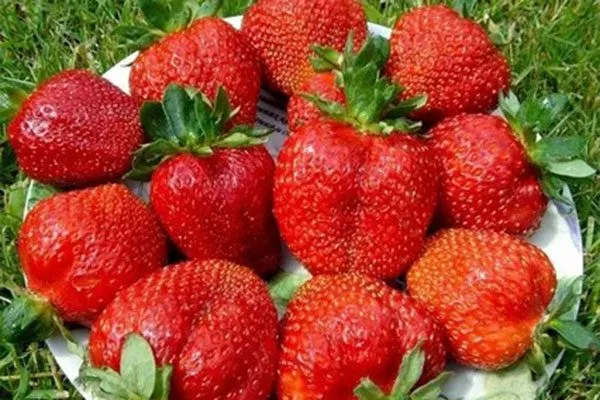
The above varieties can thrive in a variety of conditions. These plants are popular because they require little special care.
For Siberia and the Urals
Several remontant strawberry varieties are popular among gardeners in the northern regions:
- Tanyusha. It is characterized by medium ripening and yields up to 4.9 tons per hectare. Berry weight is 19 g. The variety is drought and frost resistant, has an excellent sweet and sour flavor, red flesh, and good resistance to diseases and pests.
- Geneva. It ripens early and yields 150 to 200 grams per bush. Berry weight is 30 grams. This variety has a sweet flavor, rich aroma, and juicy, firm red flesh. It is highly resistant to powdery mildew, gray mold, and white and brown spot.
- Brighton. It is characterized by medium ripening and yields up to 2 kg per square meter. Berry weight is 70 g. It has excellent taste with pineapple notes, high winter hardiness, and resistance to gray mold.
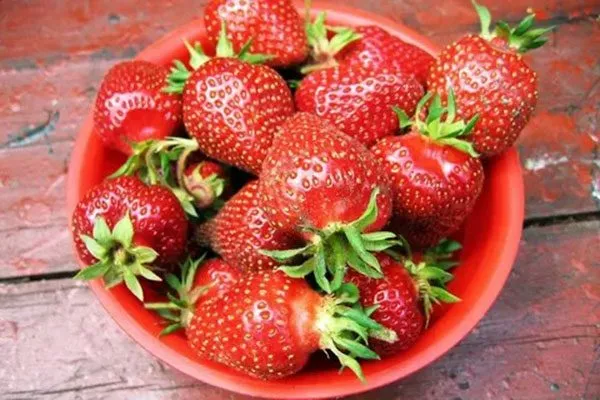
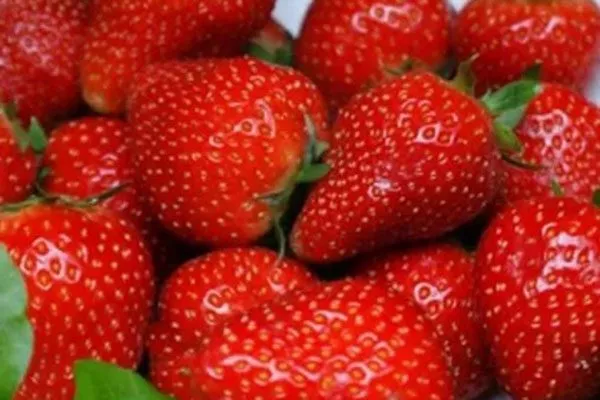
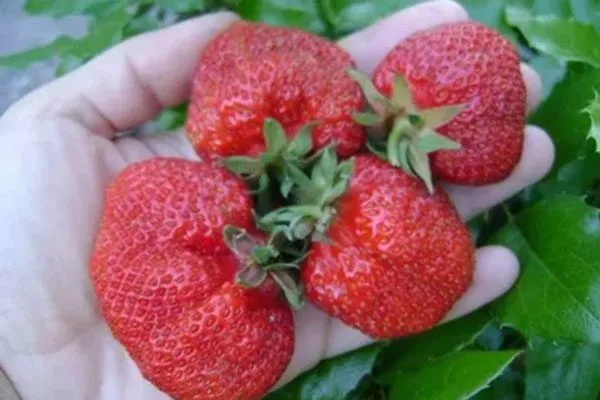
These varieties are the most popular among summer residents.
The nuances of growing runnerless strawberries
When growing strawberries without runners, it's necessary to follow a specific sequence of agricultural practices to ensure successful seed germination. Simply sowing them in a prepared bed may not result in germination.
- ✓ The optimal soil pH for runnerless strawberries should be in the range of 5.5-6.5.
- ✓ The distance between bushes when planting should be at least 30 cm to ensure sufficient aeration.
Start growing seedlings indoors at the end of April, using trays filled with soil and some sand. Once the seedlings emerge with three leaves, transplant them into separate pots.
Reproduction
Since everbearing strawberries do not form shoots with rosettes, propagation of this crop is limited to two methods. The number of seedlings can be increased by dividing the bush or by sowing seeds.
By dividing the bush
Using this propagation method, you can obtain up to 20 young plants from a single mature bush. This procedure is suitable for plants at least 4 years old. The best time to perform this procedure is early spring or late fall. The procedure is as follows:
- Remove the bush from the soil and carefully clean it of dirt.
- Divide into segments so that each segment has roots.
- Before planting, carefully straighten the root system to prevent damage or twisting.
- After planting, water the plant generously, then feed it with nitrogen-containing or mineral fertilizers.
- The final stage is loosening the soil around the bush.
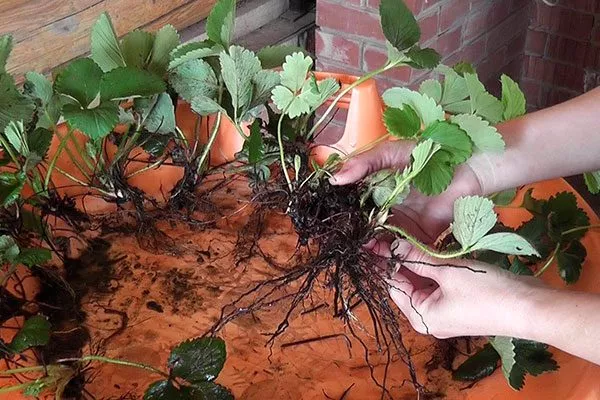
Seven days after planting, mulch the soil with organic material, which helps prevent fungal infections and retain moisture. Proper watering, timely fertilization, and soil loosening promote rapid plant adaptation.
Seeds
Propagation by seed is a longer and more complex process. Follow these recommendations:
- Prepare ripe berries for seed extraction.
- Separate the seeds from the pulp with a sharp object.
- After this, lay them out on a paper napkin to dry.
- To sow, use a small container half-filled with drainage material and potting mix. Place the seeds on the surface at 1 cm intervals, leaving them uncovered by a layer of soil to ensure germination occurs in the light.
- Cover the container and place it in a cool, dark place. Once the first shoots appear, move it to a windowsill.
- Carefully water the sprouts with settled water using a pipette.
- To prevent the development of black leg, ventilate the container by periodically opening the lid.
- When the young plants have three full leaves, transplant them into separate pots.
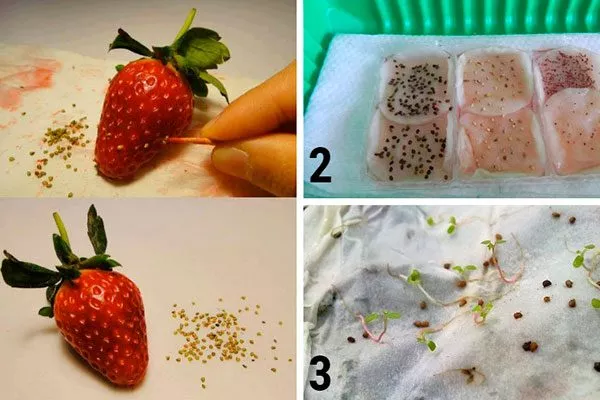
Prepare the soil for sowing by mixing several components: humus, sand, and manure in a 2:1:1 ratio. This mixture ensures looseness and nutrition. Plant outdoors when each plant has at least six leaves. Space plants 30 to 50 cm apart, and 60 cm between rows.
Gardeners' reviews of runnerless strawberries
Strawberry varieties without runners are an excellent choice for growers of all experience levels. Their advantages include high yields, excellent berry flavor, and excellent adaptability to a variety of climates. Growing strawberries can become a fascinating and enjoyable hobby, bringing joy from the process and delicious, nutritious fruits.