
Blueberries are a perennial fruit crop of particular value. Their berries are not only delicious but also healthy. The shoots and leaves are used for processing. Many gardeners strive to plant a bush in their garden. However, the wild plant does not adapt to indoor conditions. Breeders have developed numerous varieties for this purpose.
Blueberry: what kind of berry is it?
Blueberry is a highly branched perennial shrub of the Ericaceae family. The tree grows from 30 to 50 cm tall in the wild. Garden hybrids can reach up to 1 m.
- ✓ The soil pH level should be between 3.5-4.5.
- ✓ The soil should be well-drained but retain moisture.
- ✓ The presence of organic material in the soil (peat, pine needles, sawdust) is required.
The plant prefers to grow and bear fruit in acidic soils. Tasty fruits can be found in damp coniferous or deciduous forests.
Other biological features:
- Distribution: throughout Russia. It even adapts to northern regions.
- Easy to grow, it quickly adapts to any conditions.
- Produces berries for 70 years.
- Yields start at 1 kg per bush. Higher yields occur during rainy summers.
- The fruits are blue in colour, about 11 cm in diameter.
- In nature, propagation is carried out by seeds, in the garden in 3 ways: dividing the bush, cuttings, and grains.
Blueberries are beneficial for the human body. Regular consumption in moderation allows you to:
- improve vision;
- normalize metabolism;
- strengthen the immune system;
- reduce blood sugar and cholesterol levels;
- remove waste and toxins;
- strengthen the walls of blood vessels.
What varieties are there?
When we talk about blueberries, we're talking about the common variety. But science advances, and new varieties emerge every year, each with their own distinctive characteristics.
| Name | Plant height (m) | Bush shape | Fruit diameter (cm) | Fruit weight (g) | Taste | Yield (kg per bush) | Frost resistance (degrees) | Resistance to pests and diseases | Fruiting |
|---|---|---|---|---|---|---|---|---|---|
| Duke | 1.5-1.8 | Medium spreading | 17-20 | 2.3 | Tart, sweetish-wine | 8 | -30 | Tall, but susceptible to gray mold and powdery mildew | The second half of July, simultaneously |
| Liberty | 1.5 | Medium spreading | 17-19 | 2.1 | Sweet with a slight sourness | 6 | -32 | High | Late August-September, 2-3 collections required |
| Aurora | 1-1.5 | Medium spreading | 1.4-1.8 | 2.1 | Sweet | 6 | -34 | Tall, but can be affected by gray mold | From mid-August to the second ten days of September |
| Bluecrop | 1.5-2 | Medium spreading | 2 | 1.9 | Sweet with a little sourness | 9 | -25 | High | The third ten days of July |
| Bluejay | 1.5-1.8 | Spreading | 1.8-2.2 | 2.2 | Pleasant with a slight sourness | 6 | -26 | High, can sometimes be affected by fungi | Mid-July - early August, berry picking lasts for 3 weeks |
| Bluetta | 0.9-1.5 | Compact, squat | 1.2-1.5 | 2 | Sweet and sour with a tart aftertaste | 9 | -30 | High | From mid-July, long-term, harvesting in several stages |
| Bluegold | 1.2-1.5 | Spreading | 1.5-1.8 | 2.1 | Sweet and sour | 7 | -35 | High, but often subject to fruit mummification | Mid-July |
| Patriot | 1.2-1.8 | Slightly spreading | 1.9 | 4 | Sweet | 7 | -29 | High level of immune response to most diseases and pests | At the end of July |
| River | 1.7-2 | Erect | 1.5 | 2 | Multifaceted, dessert-like, sweet and sour | 10 | -25 | Tall, only moniliosis is scary | In mid-July |
| Nelson | 1.5-1.8 | Erect | 2 | 1 | Sweet with a strong characteristic aroma | 6 | -36 | Average | From the second half of August, extended |
| Bonus | 1.6-1.8 | Spreading | 2.5-3 | 4-5 | Nice and fresh | 9 | -34 | High | Active fruiting in the second half of August |
| Elizabeth | 1.6-1.8 | Medium spreading | 2-2.3 | 4-5 | Sweet with a grape aftertaste | 6 | -32 | High | In early August, the collection lasts for several weeks |
| Spartan | 1.5-2 | Erect | 1.6-1.8 | 2 | Sweet with a little sourness | 6 | -26 | High | In early July, the collection is carried out in 5 stages |
| Thoreau | 1.8-2 | Compact | 1.6-1.8 | 2 | Sweet and sour | 9 | -34 | High resistance to pests but low resistance to diseases | From mid-July to early August, time varies depending on the cultivation region |
| Elliot | 2 | Spreading | 1.2-1.8 | 1.8 | Sweet and sour, if the summer was rainy, there will be a tartness. | 9 | -35 | Average, beware of aphids and flower beetles | From mid-August to early September |
| Chandler | 1.7 | Round, upright type | 2 | 2.5, sometimes 5 | Sweet, with almost no sourness | 8 | -37 | High | From August to early September, ripening is uneven and long |
| Denis | 1.5 | Spherical, spreading | 1.7-2.2 | 1.8-2.2 | Spicy, original, with a hint of sourness | 8 | -27 | Average | From mid-July to the second ten days of August, harvesting is done all at once |
| Northland | 1 | Spreading | 1.4-1.6 | 1.8 | Sweet and sour, complemented by a pleasant aroma | 5 | -37 | High resistance to pests and major diseases | From July 15th to the end of August, 2-3 harvests are required |
| Nord country | 0.7-0.9 | Powerful, miniature | 1.5 | 1 | Sweet, with a distinct aroma of wild blueberries | 4 | -35 | High | From about the end of July to the beginning of August, the crop ripens unevenly over a period of 20 days. |
| Brigitte | 1.8-2 | Powerful, miniature | 1.5 | 1.2 | Sweet and sour, rich | 6 | -29 | High | It falls in mid-to-late August |
| Pink | 1.2-3 | Powerful, spreading | 0.7 | 1 | Sweet and sour, rich, with hints of lemon, the aroma is described as floral. | 4 | -34 | Moderate | From the end of July to the beginning of September |
| Hannah Choice | 1.6 | Slightly spreading | 2.5 | 2 | Tart and sweet, with a sour aftertaste | 7 | -37 | Good, often affected by fungal infections | In July, one-time |
| Jersey | 1.6-2 | Spreading, raised | 1.6 | 1.6 | Sweet, almost completely absent of sourness | 6 | -35 | Strong | One-time in August |
| Darrow | 1.8-2 | Slightly spreading | 2-2.2 | 2-2.5 | Sweet and sour, winey aftertaste | 8 | -35 | It is strong, but due to improper care it is affected by powdery mildew, anthracnose, brown and gray rot, late blight, attacks of aphids, cabbage whites, flower beetles and gall midges. | After August 15, one-time |
| Herbert | 2 | Moderately dense, spreading | 2-2.5 | 2-2.5 | Sweet, not noticeable sourness, no astringency | 10 | -32 | Strong | From the end of August, lasts 2-3 weeks |
| Legacy | 2 | Slightly spreading | 2 | 2 | Balanced, the acidity is barely noticeable, there is a bright dessert aroma | 8 | -35 | High resistance to pests, prone to infection by the fungus Botryosphaeria corticis | Occurs at the end of July – beginning of August |
| Chippewa | 0.8-1 | Upright, compact | 1.7-2 | 2-2.5 | Very sweet, often compared to wild blueberries | 6 | -30 | High, the only difficulty in growing is due to bird attacks | Mid-July – August |
| Chanticleer | 0.8-1 | Erect | 1.6-1.9 | 1.6-1.9 | Expressive, delicate, the acidity is faintly felt | 4 | -28 | High | Since the end of June, simultaneously |
| Blu-ray | 1.2-1.8 | Powerful, wide, upright | 2.1 | 2.2 | Sweet and sour with a bright blueberry aroma | 8 | -34 | Strong | You can start harvesting at the beginning of August. |
| Variety | Resistance to gray mold | Resistance to powdery mildew |
|---|---|---|
| Duke | Low | Low |
| Liberty | High | High |
| Aurora | Average | High |
Duke
This variety was recently developed in America. Its distribution began in 2018. The name literally translates as "duke." This blueberry is considered unique.
Characteristic:
- plant height 1.5-1.8 m;
- bush shape – medium spreading;
- the fruits are large, 17-20 cm in diameter, weighing about 2.3 g;
- the taste is tart, sweetish-wine;
- yield up to 8 kg per bush;
- cold resistance up to -30 degrees;
- high resistance to pests and diseases, but the crop can be infected with gray rot and powdery mildew;
- fruiting in the second half of July, simultaneously.
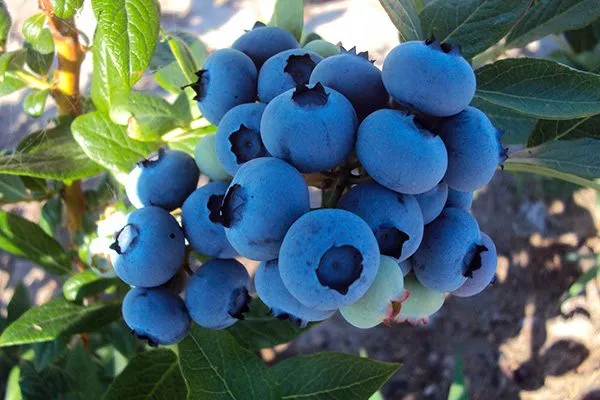
The Duke variety's berries have a classic blue color with a distinctive bloom. Their shape is slightly flattened. The flesh is green.
Liberty
American breeders developed this hybrid variety. Eliot and Brigitte Blue were used to create the variety. It was approved for use in 2017.
Characteristic:
- plant height 1.5 m;
- bush shape – medium spreading;
- fruits are medium-sized, diameter 17-19 cm, weight about 2.1 g;
- the taste is sweet, with a slight sourness;
- yield up to 6 kg per bush;
- frost resistance up to -32 degrees;
- high resistance to drought, pests and diseases;
- fruiting: end of August-September, 2-3 harvests required.
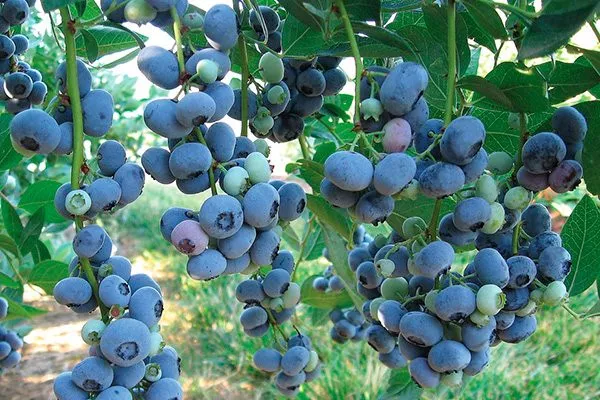
The berries have an unusual color—purple-blue. However, due to the coating, they appear black. They are flattened. The flesh has a greenish tint.
Aurora
The variety was developed at Michigan State University and was approved for cultivation in Russia in 2017.
Characteristic:
- plant height 1-1.5 m;
- bush shape – medium spreading;
- the fruits are small, 1.4-1.8 cm in diameter, weighing about 2.1 g;
- the taste is sweet;
- yield up to 6 kg per bush;
- frost resistance up to -34 degrees;
- high resistance to drought, pests and diseases, but can be affected by gray mold;
- fruiting: from mid-August to the second ten days of September.
The berries are round and have small scars. The skin is purple and has a delicate aroma.

Bluecrop
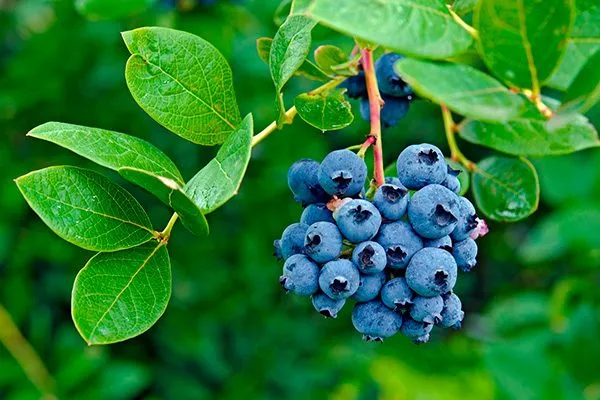
Considered a benchmark variety, it was bred in New Jersey. Its parents are Jersey and Stanley. It took a long time—seven years—to create this variety. Seedling sales began in 1952, but in Russia, the variety was only added to the State Register in 2018.
Characteristic:
- plant height 1.5-2 m;
- bush shape – medium spreading;
- the fruits are large, 2 cm in diameter, weighing about 1.9 g;
- the taste is sweet with a little sourness;
- yield up to 9 kg per bush;
- frost resistance up to -25 degrees;
- high resistance to pests and diseases;
- fruiting: third ten days of July.
The berries are round, with a small scar. They are dark blue in color with a light blue tint. They have a light, pleasant aroma.
Bluejay
This plant not only produces tasty and healthy fruit but can also be a beautiful addition to any garden. Its robust bushes boast excellent ornamental qualities.
Characteristic:
- plant height 1.5-1.8 m;
- bush shape - spreading;
- the fruits are large, 1.8-2.2 cm in diameter, weighing about 2.2 g;
- the taste is pleasant with a slight sourness;
- yield up to 6 kg per bush;
- frost resistance up to -26 degrees;
- high resistance to pests, can sometimes be affected by fungi;
- Fruiting: mid-July-beginning of August, berry harvesting lasts for 3 weeks.
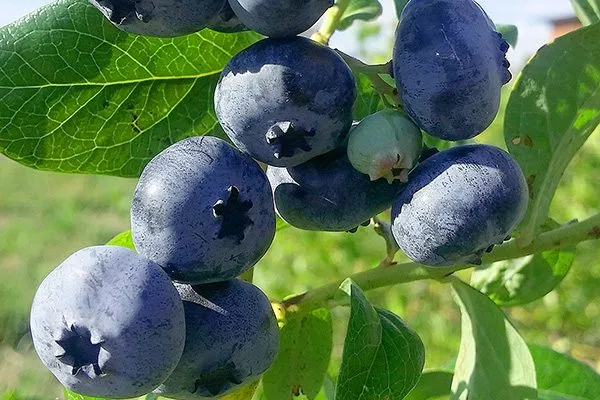
Fruits with good shelf life are light blue in color and flat in shape.
Bluetta
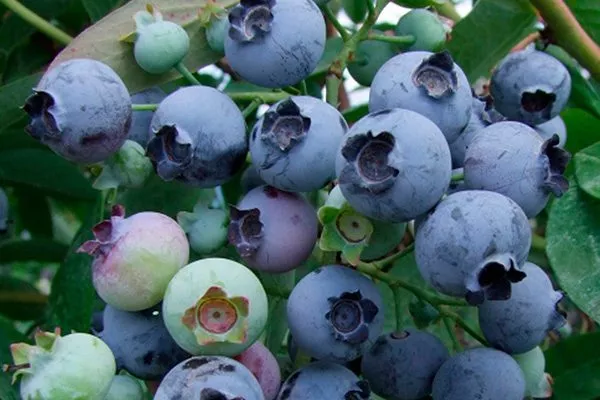
A variety favored for commercial cultivation, the plant also thrives in garden plots. Prized for its high yield, it was developed in the United States, the birthplace of the highbush blueberry.
Characteristic:
- plant height 0.9-1.5 m;
- the bush is compact and squat;
- fruits are medium-sized, diameter 1.2-1.5 cm, weight about 2 g;
- the taste is sweet and sour with a tart aftertaste;
- yield up to 9 kg per bush;
- frost resistance up to -30 degrees;
- high resistance to pests and diseases;
- Fruiting: from mid-July, long-lasting, harvested in several stages.
The fruits are spherical, slightly flattened on the sides. They are dark blue in color. The waxy coating is barely noticeable. They have a bright blueberry aroma.
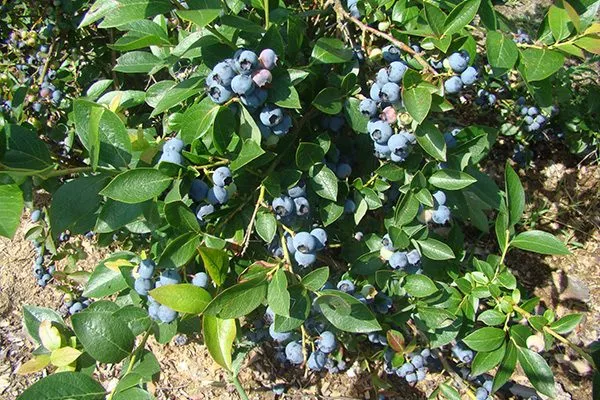
Bluegold
The Bluegold cultivar is the result of extensive work by American breeders. It was developed in 1989 and introduced to our country after 1990. It is often used to develop new blueberry varieties.
Characteristic:
- plant height 1.2-1.5 m;
- bush shape - spreading;
- fruits are medium-sized, diameter 1.5-1.8 cm, weight about 2.1 g;
- the taste is sweet and sour;
- yield up to 7 kg per bush;
- frost resistance up to -35 degrees;
- high resistance to pests and diseases, but often subject to fruit mummification;
- fruiting: mid-July.
The berries are a classic round shape. Their color varies depending on the growing region, ranging from light blue to deep blue with a silvery tint. The flesh turns blue when fully ripe.
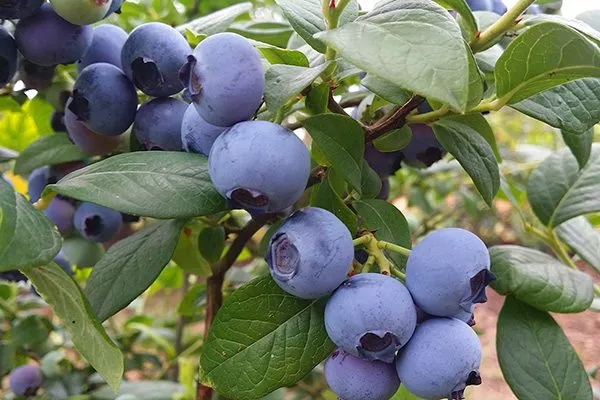
This variety is popular not only among gardeners but also landscape designers. The shrub has excellent ornamental qualities. It was developed by American breeders over 40 years ago.
Characteristic:
- plant height 1.2-1.8 m;
- bush shape – slightly spreading;
- the fruits are large, 1.9 cm in diameter, weighing about 4 g;
- the taste is sweet;
- yield up to 7 kg per bush;
- frost resistance up to -29 degrees;
- the variety has a high level of immune response to most diseases and pests;
- fruiting: at the end of July.
Light blue blueberries with a characteristic waxy coating are distinguished by good shelf life and low shedding.
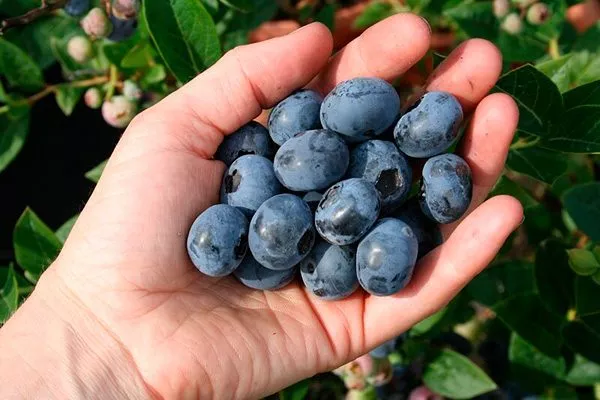
River
A development of American breeders, this variety requires pruning. Failure to do so will result in poor fruiting.
Characteristic:
- plant height 1.7-2 m;
- erect bush;
- the fruits are large, 1.5 cm in diameter, weighing about 2 g;
- the taste is multifaceted, dessert-like, sweet and sour;
- yield up to 10 kg per bush;
- frost resistance up to -25 degrees;
- high resistance to pests and diseases, only moniliosis is dangerous;
- fruiting: mid-July.
The berries are blue and require long-distance transportation.
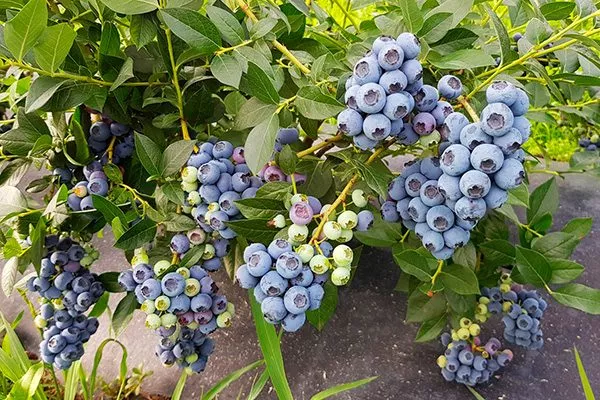
Nelson
Nelson was first mentioned in Canada in 1988. The variety has spread worldwide. It thrives in cold climates. In the tundra, the bush is completely covered with berries.
Characteristic:
- plant height 1.5-1.8 m;
- erect bush;
- the fruits are large, up to 2 cm in diameter, weighing about 1 g;
- the taste is sweet with a strong characteristic aroma;
- yield up to 6 kg per bush;
- frost resistance up to -36 degrees;
- average resistance to pests and diseases;
- fruiting: from the second half of August, extended.
The fruits are light blue with an ash tint and do not tend to fall off.
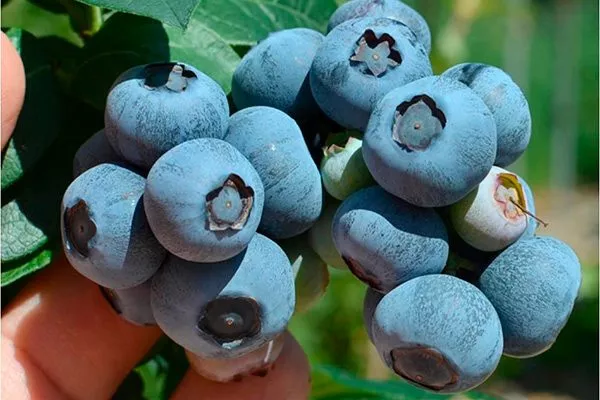
Bonus
The cultivar was developed at the University of Michigan. Wild blueberries were used to create the variety. There is no exact date for Bonus's appearance.
Characteristic:
- plant height 1.6-1.8 m;
- bush shape - spreading;
- the fruits are large, up to 2.5-3 cm in diameter, weighing about 4-5 g;
- the taste is pleasant, fresh;
- yield up to 9 kg per bush;
- frost resistance up to -34 degrees;
- high resistance to pests and diseases;
- active fruiting in the second half of August.
All the berries are firm and closely packed. Their skin is light blue, with a slight whitish bloom. The flesh is a classic green, but there are very few seeds.
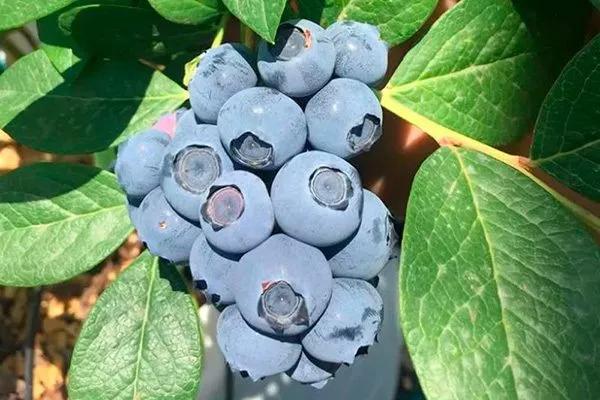
Elizabeth
The name of a wild variety from North America, domesticated in 1906 by crossing Jersey and Catharine. Cultivation of the plant in gardens began that same year.
Characteristic:
- plant height 1.6-1.8 m;
- bush shape – medium spreading;
- the fruits are large, up to 2-2.3 cm in diameter, weighing about 4-5 g;
- the taste is sweet with a grape aftertaste;
- yield up to 6 kg per bush;
- frost resistance up to -32 degrees;
- high resistance to pests and diseases;
- Fruiting: in the first days of August, harvesting lasts for several weeks.
The skin is a traditional blue color with a characteristic bloom. The flesh is greenish. There are few seeds.
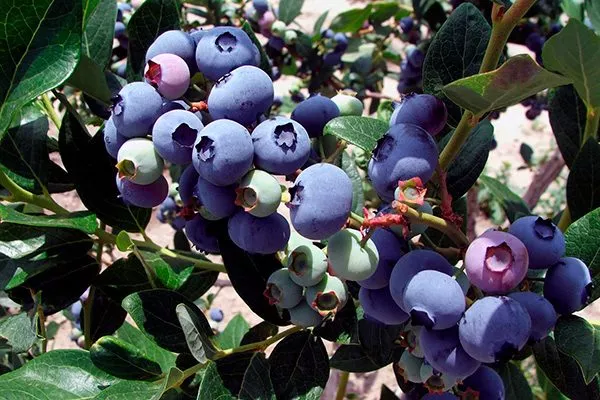
Spartan
This is the result of long and painstaking work by practicing breeders from the United States. The variety was officially registered in 1977.
Characteristic:
- plant height 1.5-2 m;
- erect bush;
- the fruits are large, up to 1.6-1.8 cm in diameter, weighing about 2 g;
- the taste is sweet with a little sourness;
- yield up to 6 kg per bush;
- frost resistance up to -26 degrees;
- high resistance to pests and diseases;
- Fruiting: in the first days of July, harvesting is carried out in 5 stages.
The skin is a soft blue, matte finish. The flesh is firm, with a green tint. The shape is classic. There is no noticeable blueberry aroma.
Thoreau
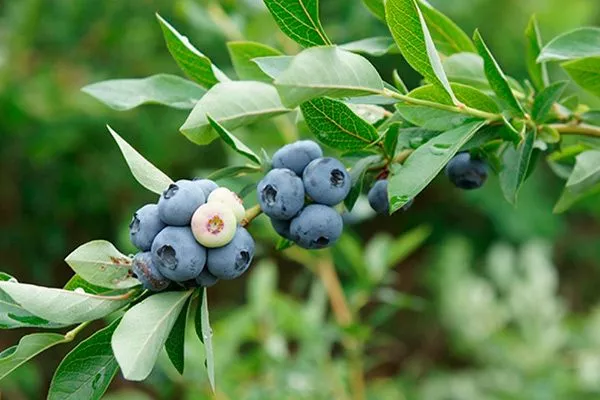
This variety is often grown in gardens across Russia, but many people have negative opinions about it. This is due to poor agricultural practices, which significantly reduces yields. It was developed in the United States.
Characteristic:
- plant height 1.8-2 m;
- the bush is compact;
- the fruits are large, up to 1.6-1.8 cm in diameter, weighing about 2 g;
- taste is sweet and sour;
- yield up to 9 kg per bush;
- frost resistance up to -34 degrees;
- high resistance to pests, but low resistance to diseases;
- Fruiting: from mid-July to early August, time varies depending on the cultivation region.
The berries are a classic spherical shape. They are blue in color, and their surface is matte due to a characteristic bloom. They are gathered in clusters similar to grapes.
Elliot
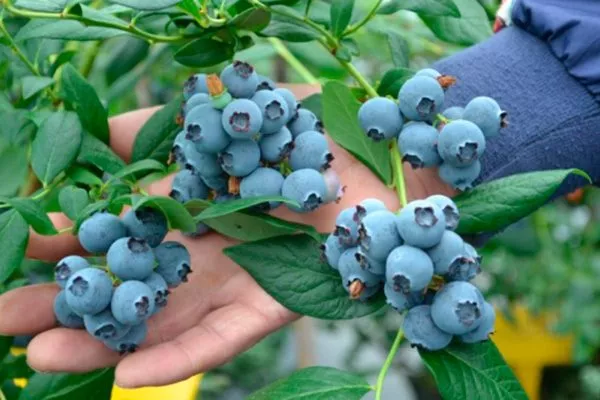
The variety was the result of extensive work by a Maryland pomologist. It was developed in 1948, but was granted commercial use in 1973.
Characteristic:
- plant height 2 m;
- bush shape - spreading;
- fruits are medium-sized, diameter up to 1.2-1.8 cm, weight about 1.8 g;
- the taste is sweet and sour, if the summer was rainy then there will be a tartness;
- yield up to 9 kg per bush;
- frost resistance up to -35 degrees;
- resistance to pests and diseases is average, but you should be wary of aphids and flower beetles;
- fruiting: from mid-August to early September.
The berries, which transport well, are light blue in color and have a waxy coating. Their shape is classic—round. The flesh is slightly different, with a white tint.
Chandler
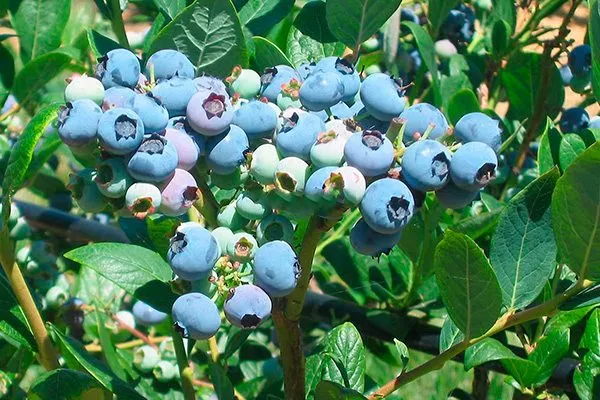
This tall hybrid was developed by European breeders and was released in 1994.
Characteristic:
- plant height 1.7 m;
- the shape of the bush is round, the type is upright;
- the fruits are large, up to 2 cm in diameter, weighing about 2.5 g, sometimes 5 g;
- the taste is sweet, the sourness is almost not felt;
- yield up to 8 kg per bush;
- frost resistance up to -37 degrees;
- high resistance to pests and diseases;
- Fruiting: from August to early September, ripening is uneven and long.
Blueberry skin is attractive, soft, delicate, and a rich blue. The color intensity changes as it ripens. The berries resemble buttons, flattened on the sides.
Denis
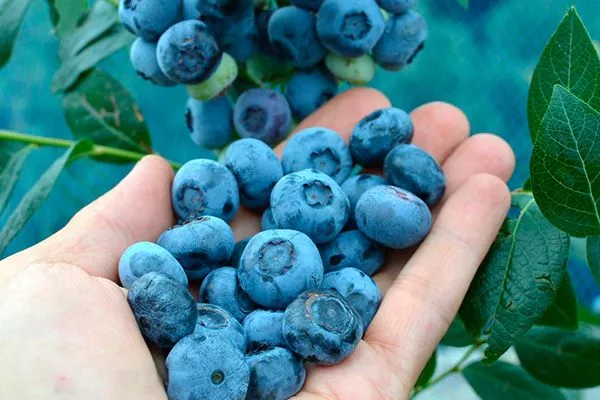
This isn't a distinct variety, but simply a variant of the transcription. A worthy representative of the so-called New Zealand group of varieties, rightfully prized not only in the country of origin, but also in neighboring Australia, the United States, Europe, and Russia.
Characteristic:
- plant height 1.5 m;
- the bush is spherical, spreading;
- the fruits are large, with a diameter of up to 1.7-2.2 cm and a weight of about 1.8-2.2 g;
- the taste is piquant, non-trivial, with a hint of sourness;
- yield up to 8 kg per bush;
- frost resistance up to -27 degrees;
- average resistance to pests and diseases;
- Fruiting: from mid-July to the second ten days of August, harvest is done all at once.
The berries are an intense blue, turning darker with a pink undertone when fully ripe. They are suitable for long-distance transport.
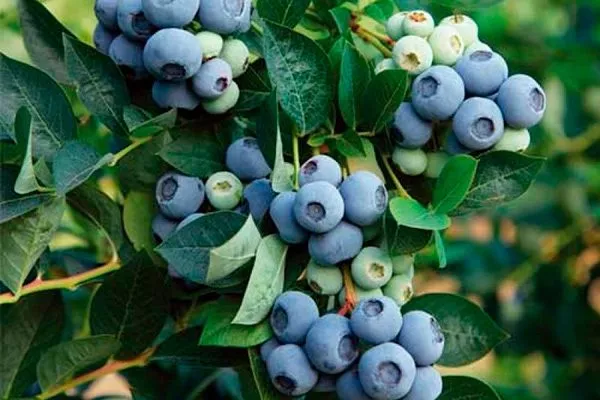
Northland
The literal name Norland translates as Northern Land. The blueberry variety was developed in the state of Michigan. It was officially registered in 1967.
Characteristic:
- plant height up to 1 m;
- spreading bush;
- the fruits are large, with a diameter of up to 1.4-1.6 cm and a weight of about 1.8 g;
- the taste is sweet and sour, complemented by a pleasant aroma;
- yield up to 5 kg per bush;
- frost resistance up to -37 degrees;
- high resistance to pests and major diseases;
- Fruiting: from July 15 to the end of August, 2-3 harvests are required.
The berries are round, slightly flattened on the sides. The traditional color is light blue. The bloom is bluish.
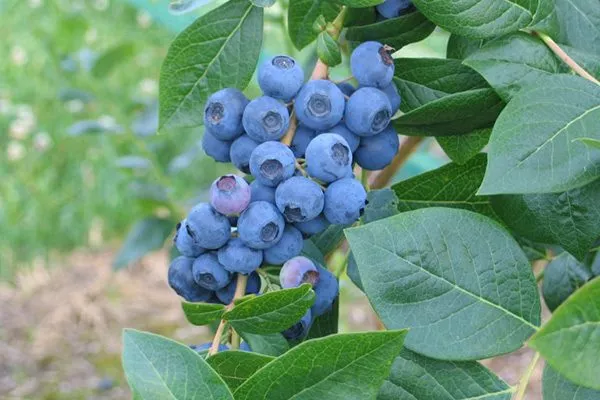
Nord country
This compact plant was bred in 1986 at the University of Minnesota and immediately became widespread.
Characteristic:
- plant height 0.7-0.9 m;
- the bush is powerful, miniature;
- fruits are medium-sized, diameter up to 1.5 cm, weight about 1 g;
- the taste is sweet, with a bright aroma of wild blueberries;
- yield up to 4 kg per bush;
- frost resistance up to -35 degrees;
- high resistance to pests and diseases;
- Fruiting: from approximately the end of July to the beginning of August, the crop ripens unevenly over a period of 20 days.
The skin is light blue. A thick waxy coating covers the surface, making the round, slightly flattened blueberries suitable for transportation. Despite this, the flesh is very tender.
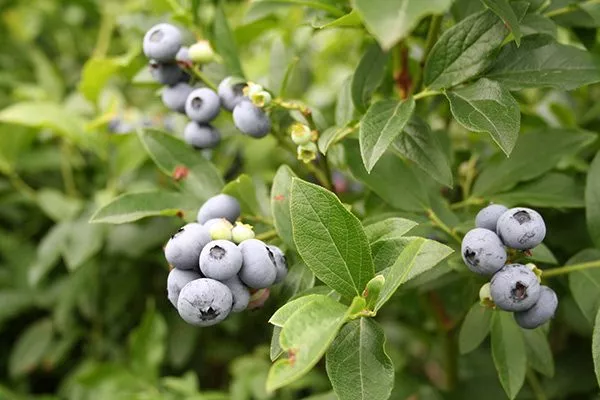
Brigitte
A blueberry variety that thrives alongside many garden crops. Little is known about this variety in Russia. It is primarily grown in the same place where it was developed—in America.
Characteristic:
- plant height 1.8-2 m;
- the bush is powerful, miniature;
- fruits are medium-sized, diameter up to 1.5 cm, weight about 1.2 g;
- the taste is sweet and sour, rich;
- yield up to 6 kg per bush;
- frost resistance up to -29 degrees;
- high resistance to pests and diseases;
- Fruiting occurs in mid-to-late August.
The fruits have light blue skin, but only after full ripening. They remain green for a long time, a shade similar to the flesh.
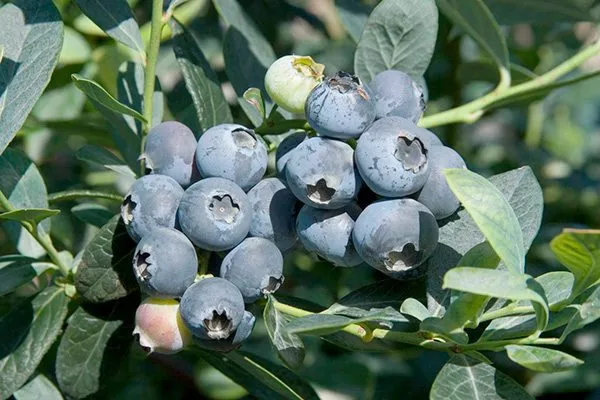
Pink
The full name is Pink Lemonade hybrid. The variety was created through a complex crossbreeding of several blueberry varieties. The development process took 10 years, with the research completed in 2009.
Characteristic:
- plant height 1.2-3 m;
- the bush is powerful and spreading;
- the fruits are very small, up to 0.7 cm in diameter, weighing about 1 g;
- the taste is sweet and sour, rich, with hints of lemon, the aroma is described as floral;
- yield up to 4 kg per bush;
- frost resistance up to -34 degrees;
- moderate resistance to pests and diseases;
- fruiting: from the end of July to the beginning of September.
This variety is distinguished from others not only by its berries but also by its leaves. In autumn, they are bright red, orange, or pink.
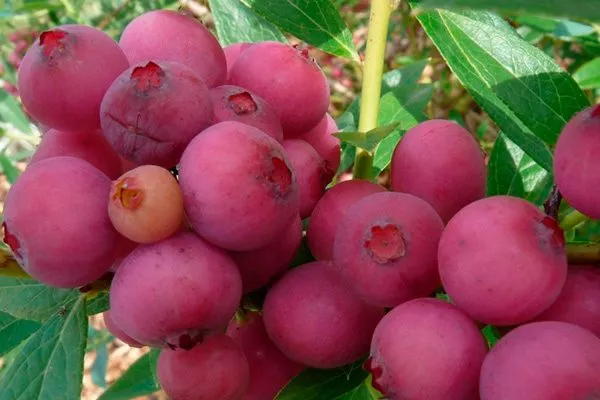
Hannah Choice
This variety was bred in New Jersey in 1978. Its popularity was immediate, thanks to its versatility. The bush fits well into any garden landscape.
Characteristic:
- plant height up to 1.6 m;
- the bush is slightly spreading;
- the fruits are large, up to 2.5 cm in diameter, weighing about 2 g;
- the taste is tart-sweet, with a sour aftertaste;
- yield up to 7 kg per bush;
- frost resistance up to -37 degrees;
- good resistance to pests, often affected by fungal infections;
- fruiting: in July, one-time.
Blueberries have firm, dark blue skin with a vibrant bluish bloom. The flesh is a classic green color with seeds. Berries of this variety perform well when frozen fresh.
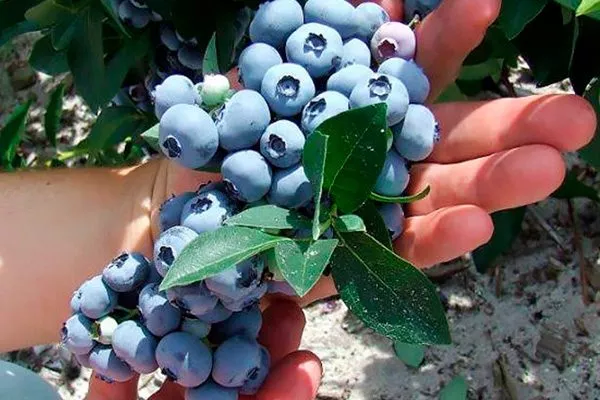
Jersey
American scientists have succeeded in developing a blueberry variety considered the best pollinator, meaning the bush can be planted next to another crop to ensure fruiting. Jersey itself is self-pollinating.
Characteristic:
- plant height up to 1.6-2 m;
- the bush is spreading, raised;
- fruits are medium-sized, diameter up to 1.6 cm, weight about 1.6 g;
- the taste is sweet, sourness is almost completely absent;
- yield up to 6 kg per bush;
- frost resistance up to -35 degrees;
- the immune system is strong;
- fruiting: one-time in August.
The berries are firm, dark blue with a bloom. The flesh is green and juicy. The chemical composition remains unchanged when frozen.
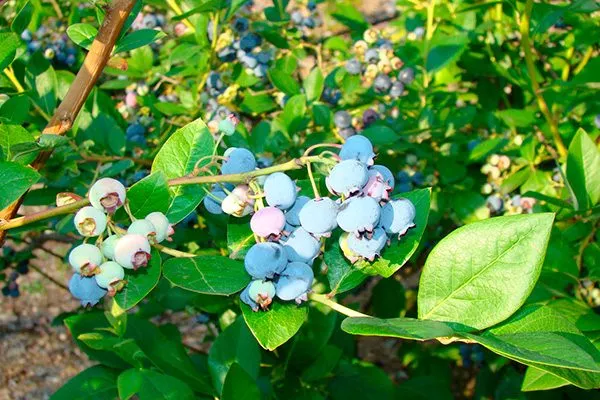
Darrow
This variety originates from Canada and was developed in 1965. The bush initially has an upright crown, but the numerous berries can change the plant's appearance.
Characteristic:
- plant height up to 1.8-2 m;
- the bush is slightly spreading;
- the fruits are large, up to 2-2.2 cm in diameter, weighing about 2-2.5 g;
- the taste is sweet and sour, the aftertaste is winey;
- yield up to 8 kg per bush;
- frost resistance up to -35 degrees;
- The immune system is strong, but due to improper care it is affected by powdery mildew, anthracnose, brown and gray rot, late blight, attacks of aphids, cabbage whites, flower beetles and gall midges.
- fruiting: after August 15, one-time.
The berries are regular in shape, slightly flattened, and the surface is smooth despite the bloom. Ripe blueberries can be blue or light blue in color. The skin is very tender, but transports well.
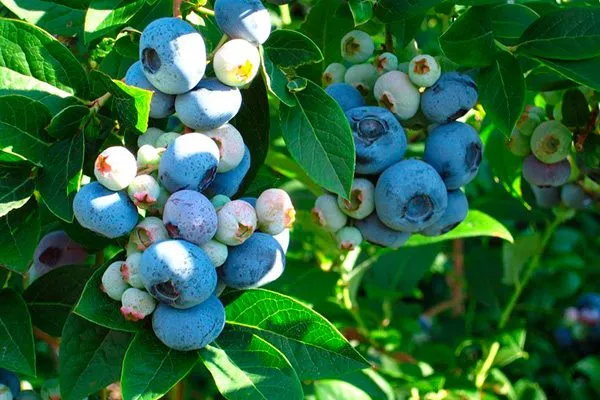
Herbert
Americans have developed a variety that boasts the highest possible yield. It also goes by the name Herbert. This variety is popular among novice gardeners, not only because of its low maintenance but also because it's easy to propagate.
Characteristic:
- plant height from 2 m;
- the bush is moderately dense, spreading;
- the fruits are large, up to 2-2.5 cm in diameter, weighing about 2-2.5 g;
- the taste is sweet, the sourness is not noticeable, there is no astringency;
- yield up to 10 kg per bush;
- frost resistance up to -32 degrees;
- the immune system is strong;
- fruiting: from the end of August, lasts 2-3 weeks.
The berries are round, slightly flattened on the sides. They are dark blue in color. They have small scars and a thin, bluish bloom.
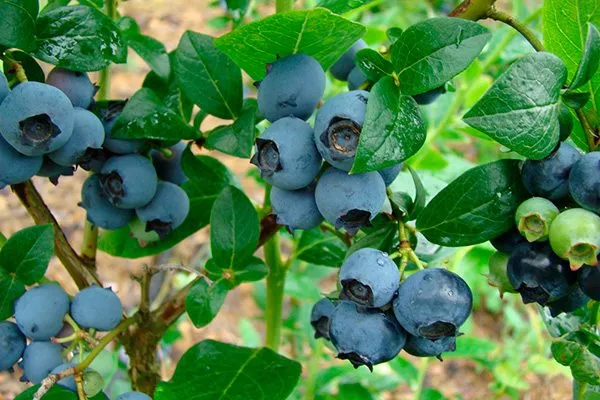
Legacy
The variety's origin is America. Several breeders worked on its creation. It was approved for widespread use in 1993.
Characteristic:
- plant height up to 2 m;
- the bush is slightly spreading;
- the fruits are large, up to 2 cm in diameter, weighing about 2 g;
- the taste is balanced, the sourness is barely noticeable, there is a bright dessert aroma;
- yield up to 8 kg per bush;
- frost resistance up to -35 degrees;
- high resistance to pests, prone to infection by the fungus Botryosphaeria corticis;
- Fruiting occurs at the end of July – beginning of August.
The berries are perfectly rounded, with a similar surface. The skin is dark blue, delicate and fragile, but protected from cracking by a thick waxy coating.
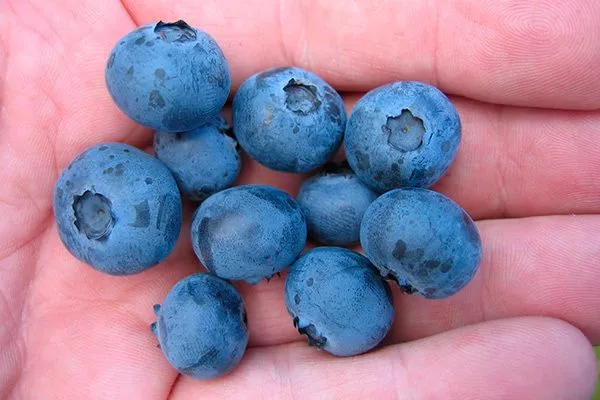
Chippewa
In 1996, a blueberry variety that has become a favorite among many was developed in Minnesota. It is an interspecific hybrid planted worldwide.
Characteristic:
- plant height up to 0.8-1 m;
- the bush is upright and compact;
- the fruits are large, up to 1.7-2 cm in diameter, weighing about 2-2.5 g;
- the taste is very sweet, often compared to wild blueberries;
- yield up to 6 kg per bush;
- frost resistance up to -30 degrees;
- resistance to pests and diseases is high, the only difficulties in cultivation are related to bird attacks;
- fruiting: mid-July – August.
Chippewa berries are preferred for canning rather than eating fresh because of their light blue skin, which is very thick and has a waxy coating.
Chanticleer
The variety originates from a university in Canada and is prized for its undemanding nature.
Characteristic:
- plant height up to 0.8-1 m;
- erect bush;
- the fruits are large, diameter up to 1.6-1.9 cm, weight about 1.6-1.9 g;
- the taste is expressive, delicate, the sourness is barely felt;
- yield up to 4 kg per bush;
- frost resistance up to -28 degrees;
- high resistance to pests and diseases;
- fruiting: from the end of June, simultaneous.
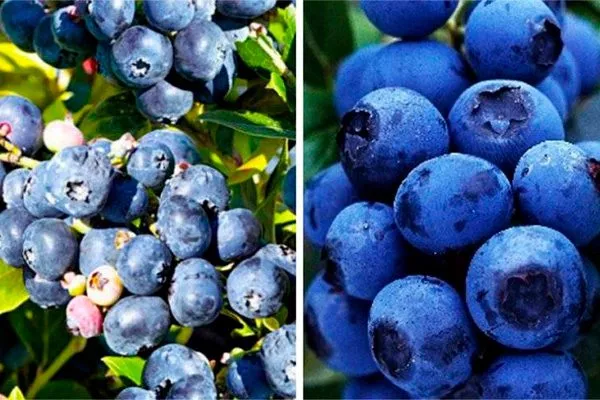
The berries' shape is classic, as is their color, but their texture is unique. The flesh is moderately firm, suitable for baby food.
Blu-ray
This is an American blueberry variety that has become widespread in our country. Despite the demand for seedlings, it is impossible to find this variety in the State Register.
Characteristic:
- plant height up to 1.2-1.8 m;
- the bush is powerful, wide, upright;
- the fruits are large, up to 2.1 cm in diameter, weighing about 2.2 g;
- the taste is sweet and sour with a bright blueberry aroma;
- frost resistance up to -34 degrees;
- the immune system is strong;
- yield up to 8 kg per bush, harvesting can begin in early August.
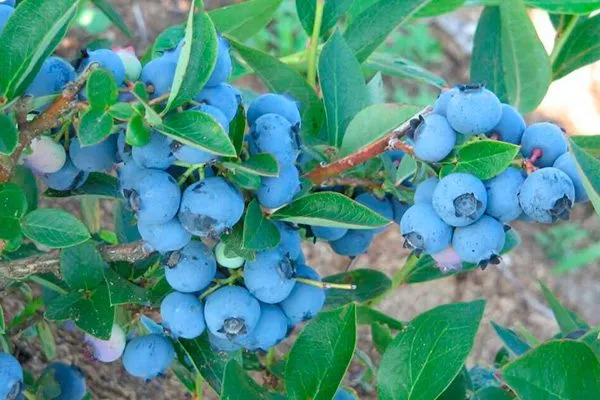
This perennial plant doesn't exactly impress with the shape of its berries. They are a classic round shape, blue in color, and have a waxy coating. Their main characteristic is their ability to form blueberry ovaries.
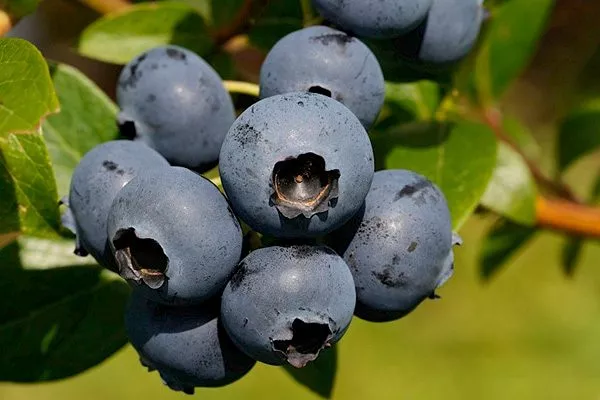
Blueberries are a wild shrub with healthy fruit. Their flavor is average. Therefore, breeders have developed varieties for garden cultivation. These have a sweet flavor with a subtle tartness. The vast majority have a classic appearance—a green bush with round, blue berries.
I really like the Aurora variety, but after reading your article, I learned about many others. Now I really want to buy some Duke planting stock. Thank you for the valuable information.