
The Chief Joseph blackberry is a vigorous American variety with large, juicy berries and a pleasant aroma. Its high yield, disease and pest resistance, and ability to produce two crops per season make it ideal for both home gardens and commercial cultivation. It requires little maintenance and tolerates heat and drought well.
History of selection
The American variety, like many others in this line, was developed at the University of Arkansas. It was named after the legendary Native American chief, renowned for his participation in the armed resistance in the late 19th century.
The exact origin of the culture remains unknown, as no data on the parent forms has survived.
Description of berry crops
Blackberries belong to the genus Rubus (raspberries) of the Rosaceae family. Distinguishing features:
- It is a subshrub plant with flexible shoots that can be either thorny or completely thornless.
- Blackberry leaves are trifoliate, reminiscent of raspberry leaves, but are larger in size.
- As the berries ripen, they change color: from green to brown, then to red, dark blue, and finally, to a deep black-purple.
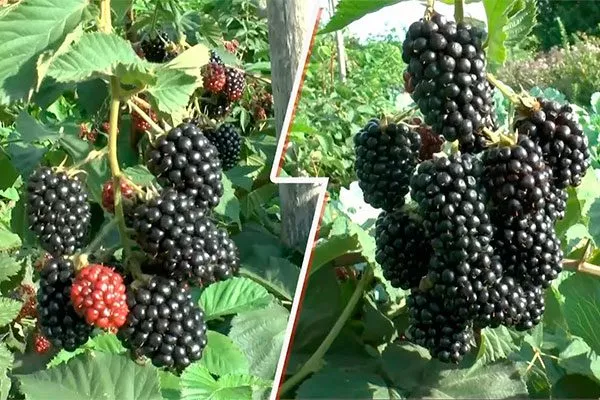
Due to its tasty, large and juicy fruits, this crop is actively grown both on farms and in private gardens.
General idea of the variety
The Chief Joseph blackberry forms a powerful bush with strong, thornless shoots up to 3-4 m long – a characteristic feature of all varieties bred in America by the University of Arkansas.
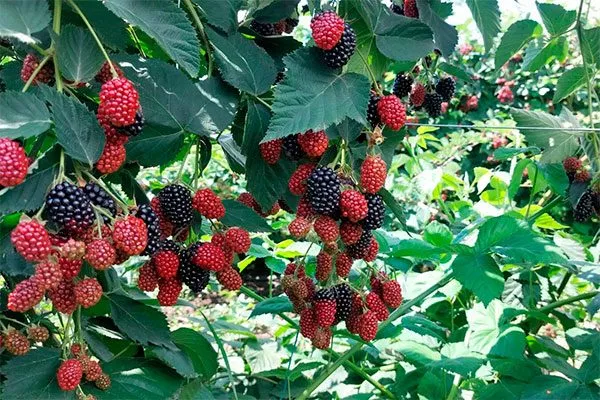
Main features:
- The plant is characterized by vigorous growth and strong stems that can support the weight of the crop without damage.
- The leaves are medium-sized, rich green, and form dense and decorative foliage.
- Large white flowers add decorative value to the bush during the flowering period.
- The root system is well developed, providing stability and adequate nutrition to the plant.
- Little shoots are formed and mainly due to damage to the roots.
Berries
The fruits are large—up to 25 grams—and have a rounded, elongated shape, a glossy surface, and a deep black color. They are gathered in abundant clusters and have a rich aroma with a distinct sweet taste, almost without tartness, reminiscent of wild blackberries.
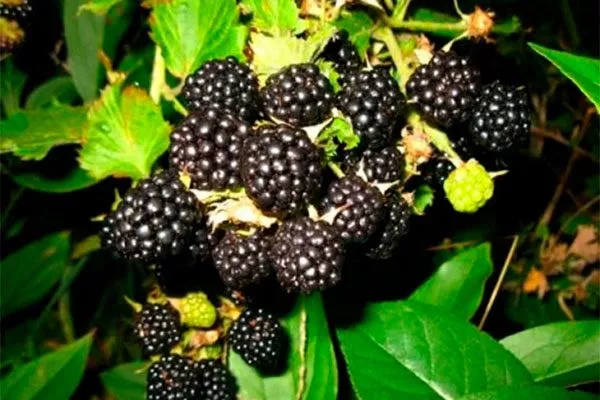
Gardeners note that the first berries from young bushes (signalka) may be less distinctive in flavor, but by the following season, the variety fully reveals its qualities. The yield is high, with numerous fruits per bush. They are dense and transport well.
Characteristics
The Chief Joseph blackberry is a remontant variety, capable of producing fruit twice per season. This characteristic makes it particularly attractive to gardeners seeking maximum yield from a single plant.
Flowering period, ripening and fruiting periods, yield
In the central part of the country, the berries begin to ripen in early August, while in the southern regions they are ready for harvest by the end of July. In terms of fruiting time, this variety is comparable to the popular Triple Crown, and in some cases even surpasses it.
The everbearing blackberry "Chief Joseph" boasts impressive productivity—up to 35 kg of berries can be harvested from a single mature bush aged 3-4 years. However, the final yield depends on growing conditions, regular fertilizing, proper bush training, and plant load.
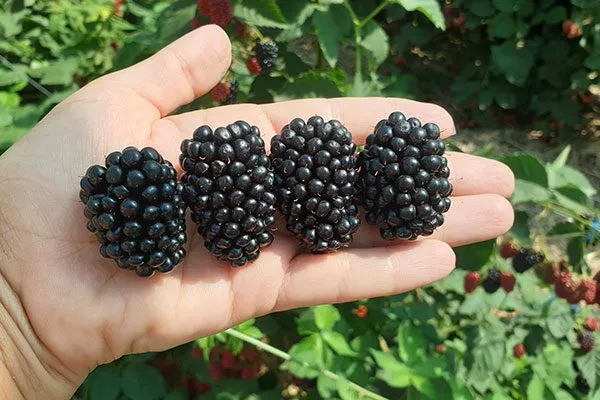
Application of berries
Ripe blackberries are versatile. Their pleasant flavor and firm flesh make them suitable for both fresh consumption and processing.
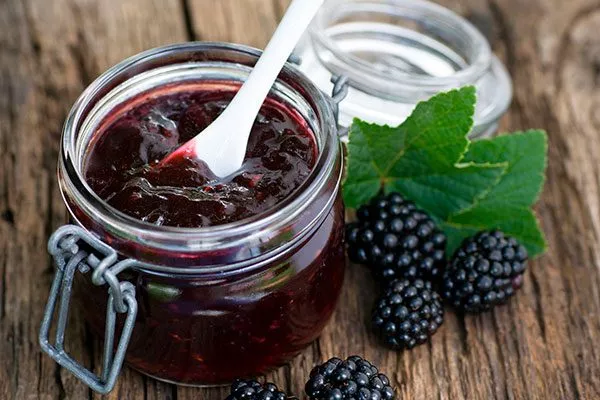
The fruits are used to prepare:
- jam that retains a rich aroma;
- jams with a uniform texture;
- compotes and fruit drinks;
- fillings for baked goods and desserts;
- frozen mixtures for winter storage.
Due to their density, the berries store well in a cool place and withstand transportation without losing their marketable appearance, making the variety convenient for sale.
Resistance to diseases and pests
The Vozhd Joseph blackberry variety is highly resistant to major diseases and insects, allowing it to be successfully grown without the regular use of agricultural chemicals. With proper care, the plants remain healthy and produce a consistent harvest.
Methods of reproduction
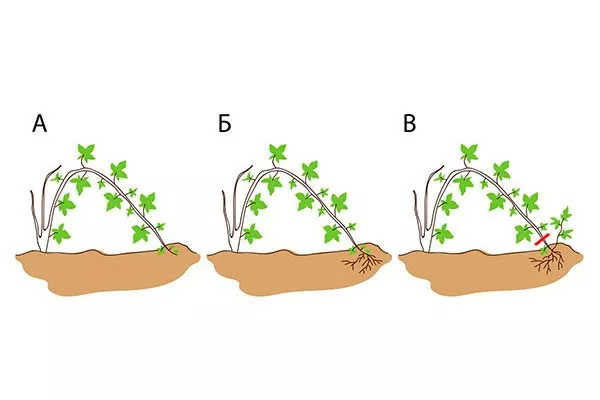
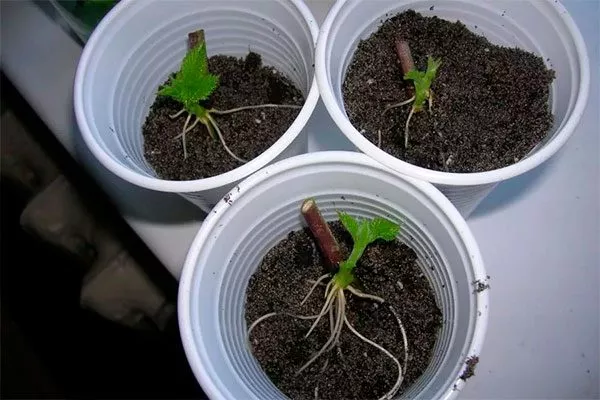
There are several ways to increase the number of Chief Joseph blackberry bushes: layering and cuttings. Basic recommendations:
- When rooting shoots, use stems 1.5-2 m long. Place their tips in nearby trenches and cover with soil, without separating them from the mother plant. Keep the area moist until autumn, after which separate the rooted shoots and replant.

- The variety propagates well by cuttings: cut the upper part of young shoots into fragments with one bud, plant them in containers with nutritious substrate and place them in a greenhouse until they take root.
Landing rules
For successful blackberry growth and development, it's crucial to select the right location and plant it according to basic requirements. This directly impacts the plant's health and productivity. Proper planting is the key to strong bushes and abundant fruit production.
Recommended timing and soil preparation
It is recommended to plant Chief Joseph blackberry seedlings in the spring so that the young plants can get stronger before the onset of cold weather - this is especially important during snowless or harsh winters.
Soil preparation includes digging and leveling the soil, as well as digging planting holes. Add 5-6 kg of humus, 50 g of potassium fertilizer, and 100-150 g of superphosphate to each hole. Mix all ingredients thoroughly with the soil, then fill the holes approximately two-thirds full with this mixture.
Selecting a suitable location and preparing seedlings
The crop thrives in sunny locations, but can also thrive in partial shade. In the absence of any light, the quality of the berries significantly declines. The planting site can be either open or located near buildings or fences.
Basic requirements:
- For planting, we recommend 1-2 year-old Chief Joseph seedlings – healthy, with a well-developed root system and fresh green foliage, without signs of wilting, damage, disease or pests.
- Purchase planting material from reputable nurseries that grow high-quality, varietal plants.
- Before planting, soak the roots in a rooting stimulator solution to improve survival.
Algorithm and landing scheme
For the vigorous Chief Joseph blackberry, space planting holes 1.5-2 m apart, with row spacings of approximately 2.5 m. The hole dimensions—depth and diameter—should be at least 60 cm.
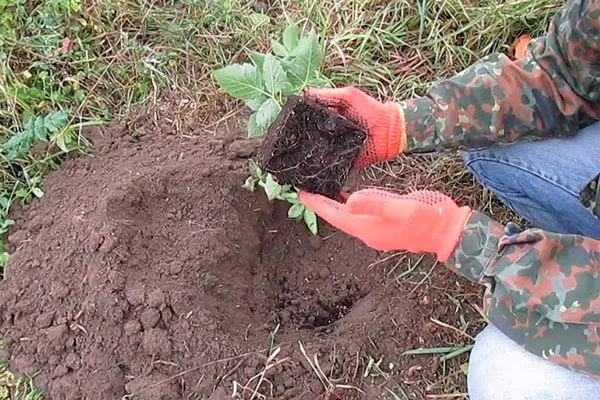
Step-by-step planting diagram:
- Place drainage from stones, broken bricks or slate at the bottom of each hole and cover with soil on top.
- Place the seedling in the hole and fill it with a fertile mixture of soil, humus and mineral fertilizers up to the level of the root collar.
- After planting, water thoroughly and mulch the surface with straw, fallen leaves, neutral peat or aged manure, or cover with agrofibre.
- When planting, shorten the shoots, leaving 1-2 buds on each.
Read more about planting features here.
Subsequent care of the culture
Both young and mature blackberry bushes require regular care to achieve high productivity. Caring for blackberries involves a number of important agricultural practices.
Watering
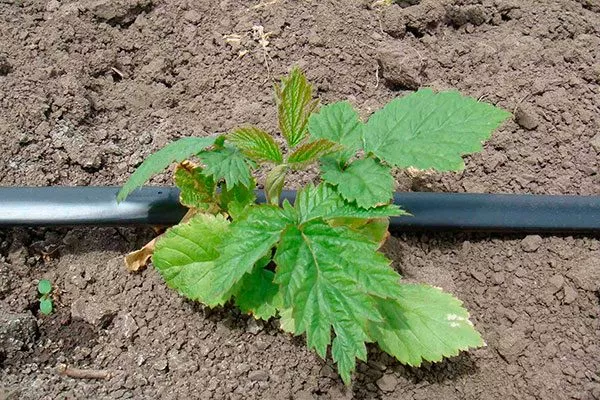
During the first season, young blackberry bushes require frequent watering, while mature plants, due to their drought tolerance, require much less frequent watering. If the soil around the bushes is mulched, water them only during periods of intense or prolonged heat.
Trimming
For successful cultivation, train blackberries on a trellis. If you don't have one, the shoots can grow freely. Prune the main stems at a height of 2-2.5 m, and the side stems when they reach about 1 m.
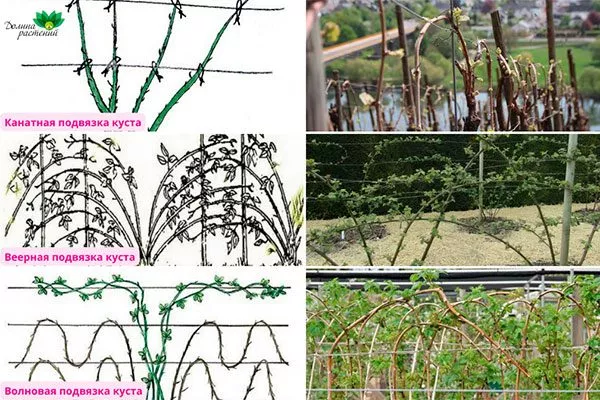
Perform other activities as well:
- In the fall, at the end of the growing season, cut back all fruiting two-year-old shoots to the ground, leaving only young one-year-old shoots. This method ensures double fruiting: in the summer, berries are harvested from two-year-old shoots, and in the fall, the harvest comes from the one-year-old shoots.
- Another option for pruning everbearing blackberries is to completely remove all shoots in the fall. This will make it easier to prepare the bush for winter and reduce the risk of pest damage, but the following season's harvest will be delayed, although significantly more abundant.
- In spring and summer, thin the bush, removing excess branches. Leave 8-10 strong stems for each plant; no special branching is required.
More information on pruning blackberries can be found here. link.
Top dressing
Fertilize the Chief Joseph blackberry with complex mineral fertilizers. Follow these three main steps:
- in early spring before bud break;
- before flowering;
- after fruit formation.
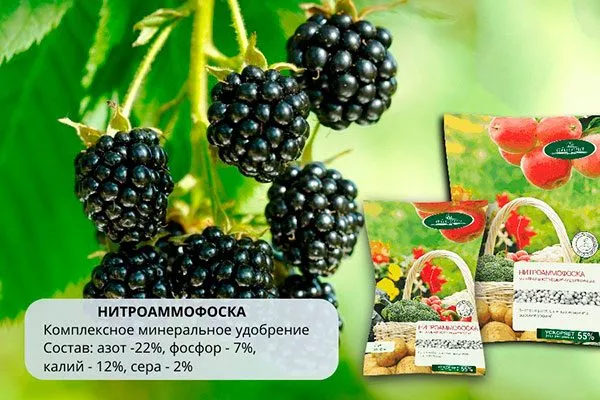
In spring and early summer, feed the plant with nitrogen fertilizers, such as urea or solutions of mullein and chicken manure. Stop applying nitrogen in the second half of summer, as excess nitrogen prevents the plant from gaining strength and preparing for winter. During this period, it's better to use fertilizers with increased potassium and phosphorus levels to support health and fruiting.
Preparing for winter
At the end of the season, before the onset of cold weather, blackberry bushes prepare for winterFollow these steps:
- Carefully remove the shoots from the trellis, tie them into a bundle and lay them on the ground.
- Cover the top with a layer of leaves, hay or straw, and then cover with thick agrofibre to protect from frost.
- In spring, remove the covering so that the plant begins active growth.
Diseases and pests: methods of control and prevention
The plant has a strong immune system. With proper care, it is rarely affected by diseases or insect attacks. One common fungal disease is rust, which causes wrinkled and yellowing leaves.
To combat the pests, spray the bushes with a garlic solution: mix 100 g of crushed garlic with 1 liter of water, then strain and dilute in a three-liter jar of water. Apply the resulting solution to the plants. This solution is also effective against pests, especially aphids.
Pros and cons
The Chief Joseph blackberry variety is characterized by vigorous growth and large fruits. The first berries on young bushes may be less tasty, but by the second year, the plant begins to produce a bountiful harvest with excellent flavor.
Main advantages of the variety:
Reviews
The Vozhd Joseph blackberry stands out for its early ripening, thornless, and attractive fruit appearance. Its high winter hardiness and drought tolerance make it a versatile variety for various regions. Its double-fruiting and tolerance to adverse conditions allow for a consistent harvest throughout the season.