
The Victoria blackberry has become popular due to its unique characteristics. It is renowned for its excellent berry flavor and high productivity. It has a strong immune system and is an early-ripening variety. With proper planting and care, it can yield generous harvests and juicy, attractive fruit.
History of selection
Developed by Driscoll's in the USA, this variety possesses a number of unique characteristics that make it attractive for cultivation.
Description of the berry crop and its taste
The bush has a compact form and flexible, creeping stems. Its height can reach 250 cm. The branches are covered with dark green leaves with a characteristic sheen.
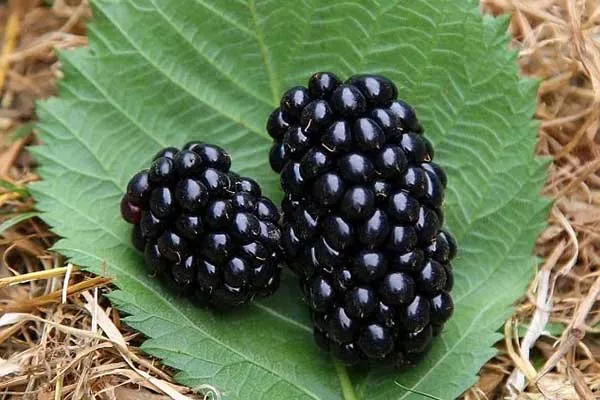
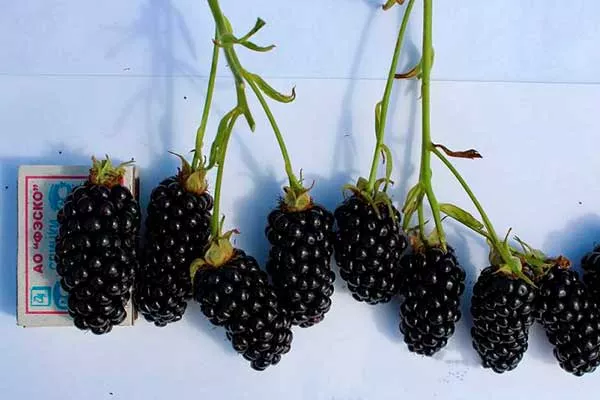
The berries are cylindrical in shape and a deep black color, reaching up to 5 cm in length. The flavor is sweet and rich, with dense flesh.
Ripening period and yield
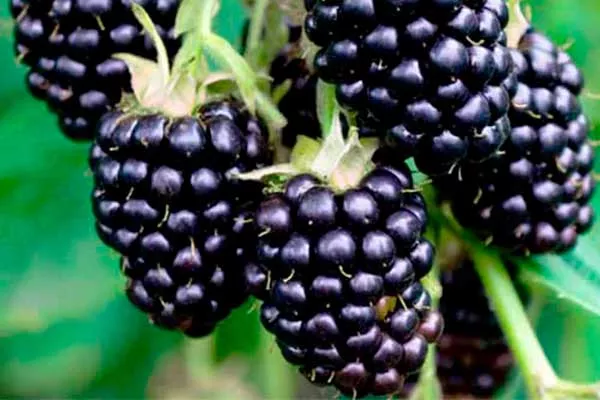
Victoria is an early-ripening variety: fruiting begins in June and continues until July, allowing you to enjoy juicy berries as early as early summer. One of its key advantages is its excellent productivity—up to 20 kg of fruit can be harvested from a single plant.
Application of berries, storage
They are widely used in cooking due to their rich flavor and dense texture. They are used to make preserves, jellies, juices, desserts, and baked goods. Fresh fruits are ideal for eating raw or in salads and cocktails.
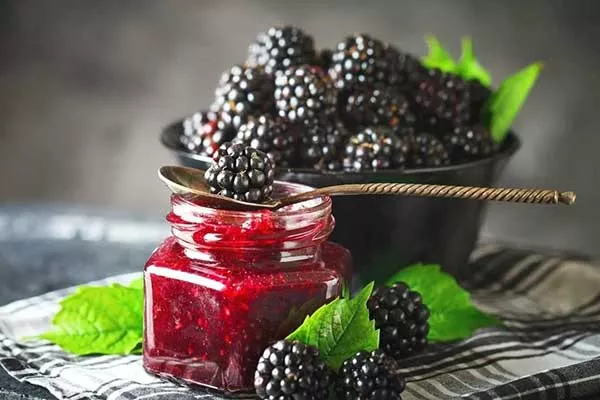
Berries can be stored both fresh and frozen. Refrigerated at around 2°C, they retain their flavor for up to 5 days. Freezing preserves the fruit's vitamins and minerals.
Methods of reproduction
There are several ways to increase the number of bushes at home. Gardeners recommend the following propagation methods:
- Root suckersTransplant any excess shoots that appear at the base of the bush to a new location. Carefully dig up the shoots and separate them, along with a portion of the root, when they reach a height of 30-40 cm. Complete the transplant by July to allow the plants time to establish roots before the onset of cold weather.
- Rooting the topsIn May or early June, bend a young, healthy shoot to the ground and cover part of the stem, leaving the tip with a few leaves exposed. Secure the shoot with wire to hold it in place. By late summer, roots will appear on the covered portion. Separate the shoot from the mother plant for replanting.
- cuttingsYou can root both green (early summer) and woody (August-September) cuttings. Insert 15-30 cm long cuttings into loose soil. Store woody cuttings in damp sand in a cellar or refrigerator until planting.
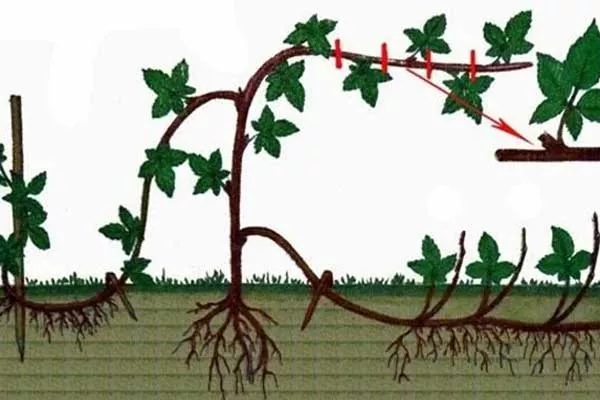
Choose the most suitable option for you to grow even more Victoria blackberry bushes in your garden.
Landing rules
Plant the crop in spring (April-May) or early fall, 1.5 months before the first frost. One- to two-year-old seedlings with a well-developed root system are suitable for this procedure.
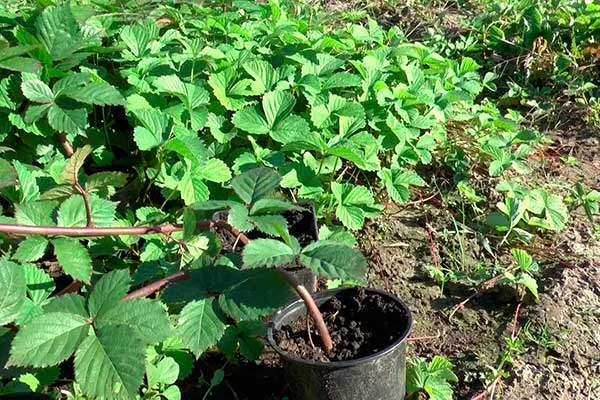
- ✓ The soil acidity level should be within the pH range of 5.5-6.5 for optimal growth of Victoria blackberries.
- ✓ The depth of groundwater should not exceed 1.5 meters to avoid rotting of the root system.
For garden blackberries, choose level sites in full sun or light shade. This variety is heat-tolerant. The soil should be fertile, loose, well-drained, and moisture-retentive. Ideally, the soil should be neutral or slightly acidic, with a groundwater level at least 1.5 meters below the surface.
Before planting, dig up the area and add the following to 1 sq. m:
- up to 10 kg of rotted manure or compost;
- 5-6 kg of sand or gravel for heavy soil;
- 5 kg of peat for sandy soil;
- 80 g Superphosphate;
- 40 g potassium sulfate.
Plant seedlings in rows using a trellis made of two supports and 2-3 rows of wire, at a height of 80 cm from the ground, with a spacing of 70-80 cm between rows. Space the plants 120-140 cm apart within a row, and space the rows 150-180 cm apart.
For bush planting, place 2-3 seedlings per hole, spacing the holes 2 m apart. When planting, deepen the bud at the root collar by 2-4 cm. In regions with hot summers, plant the plants in furrows 40 cm deep to retain moisture. After planting, mulch the beds with sawdust, straw, wood chips, or peat.
Subsequent care of the culture
Caring for your crops plays a key role in ensuring a high yield and healthy plants. Proper care helps strengthen the root system, promote uniform plant growth, and increase resistance to diseases and pests.
Watering
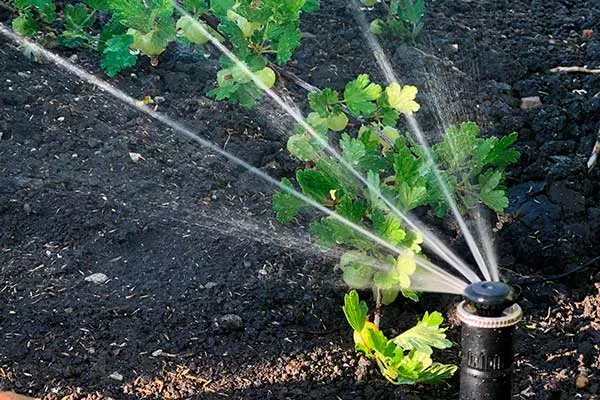
Provide ample and regular watering. In areas with insufficient natural rainfall, water the blackberries at least once a week, using up to 20 liters of water per bush. Maintaining soil moisture is especially important during the ripening period.
Trimming
Pruning blackberries is similar to shaping regular raspberry bushes, as the fruit ripens on second-year shoots. After planting, trim the seedlings to a height of 30 cm to encourage lateral growth. The following year, arrange the vines on a trellis in a fan shape.
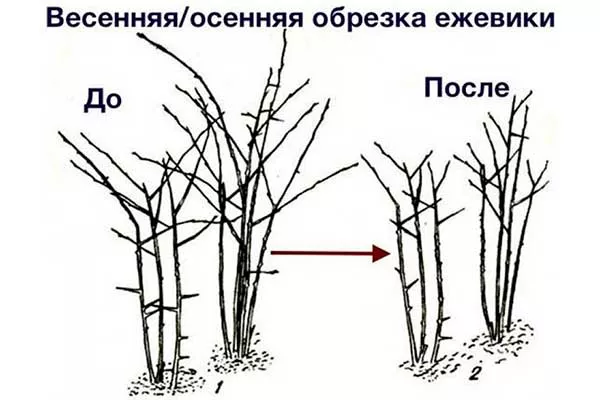
Fruiting bushes should have at least eight second-year branches remaining. After fruiting ends (in the fall), cut them back to ground level. Select the strongest shoots from the growing shoots to form next year's crop, while remove weak and late-growing shoots as close to the root as possible.
Top dressing
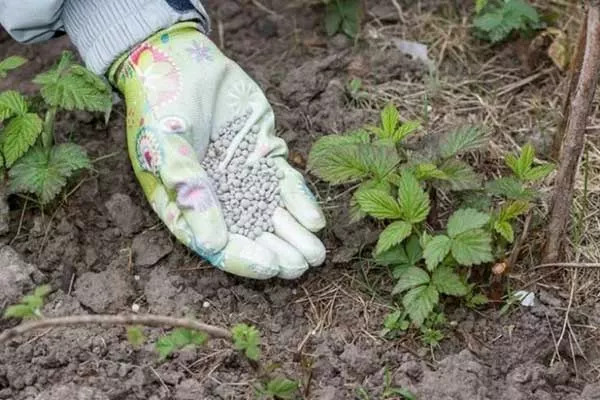
Fertilizer applied when planting seedlings provides nutrition for the first two years. After that, fertilize the crop three times per season:
- In spring (April, May). Apply nitrogen fertilizer to promote vigorous growth of the above-ground portion. Mulch the soil with a 5-7 cm layer of humus and water with a urea solution (40 g per 10 liters of water) or an infusion of chicken manure and mullein. You can also use vermicompost extract.
- During flowering and formation of ovaries. Use complex fertilizers for berry bushes: Fasco, Agricola or Fitofert Energy, Gumi-Omi, Ideal or Potassium Humate.
- In autumn (in September). To strengthen the root system and prepare plants for winter, add 80 g of superphosphate and 40 g of potassium sulfate.
Preparing for winter
Information on the winter hardiness of the Victoria variety in Russian conditions is currently lacking. Therefore, the most reliable solution is to remove the blackberry shoots from the trellis and insulate them. Perform this procedure after daytime temperatures drop below -5°C.
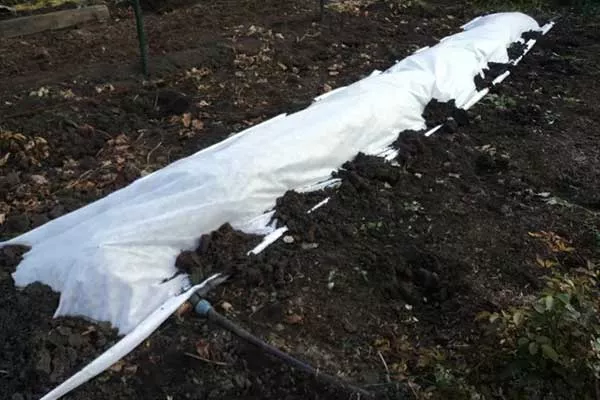
- After the first frost, remove the shoots from the trellis and carefully tie them into bundles.
- Place the tied shoots on a layer of sawdust or straw to insulate them from the cold ground.
- Cover the plants with spruce branches or special covering material, leaving small holes for ventilation.
Carefully remove the disease-treated shoots from their supports and lay them on a layer of sawdust or coarse straw, tying them into bundles. Then cover the plants with spruce branches, thick plastic, or burlap for additional protection.
Diseases and pests: methods of control and prevention
To prevent powdery mildew in early spring and fall, treat bushes with Skor, Topaz, or Bordeaux mixture. In summer, use biological fungicides, such as Fitosporin, Gamair, or Alirin B, to protect against fungal infections.
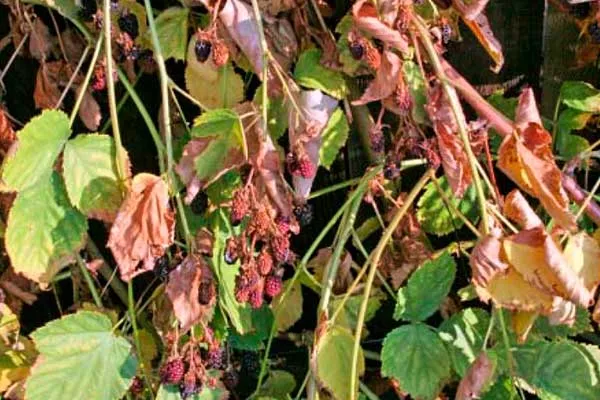
Fitoverm or Kleschevit are effective against spider mites to control pest populations. In the fall, spray your plants with Karbofos to protect against overwintering insects.
Preventive measures:
- Make sure the plants are spaced far enough apart to allow for good ventilation and prevent overwatering.
- Regularly remove weeds and fallen leaves around seedlings to reduce the risk of disease spread.
- During the rainy summer months, monitor your plants to quickly identify signs of disease. Use covering materials to protect them from heavy rainfall.
- Feed your plants regularly to maintain their health and strengthen their immune system. Use both organic and mineral fertilizers, especially during active growth.
By following these recommendations, you can significantly reduce the risk of disease and pests, ensuring healthy growth and high yields of Victoria blackberries.
Positive and negative qualities
Before planting a new variety in your garden, carefully consider its advantages and disadvantages. Victoria has many advantages:
Some gardeners note several negative aspects of growing this crop. Berries can vary in size: both large and small (up to 2 cm in length) can be found on a single plant. The bushes are susceptible to spider mites and downy mildew.
Reviews
Victoria blackberries are an excellent choice for those who appreciate delicious and sweet berries. Proper care, regular fertilization, and attention to diseases and pests will help achieve impressive results. Even a novice gardener can easily grow this variety, as it requires little time and effort.