
The Prime Arc Freedom blackberry is characterized by low frost tolerance and average disease resistance, but is prized by gardeners for its high yield and low maintenance. This variety is popular for its early ripening berries and excellent flavor. To achieve these results, proper care is essential.
History of selection
It was bred in America in 2013. Its development was led by John Clark, a scientist at an agricultural company. Thanks to his efforts, the first thornless, everbearing variety was created. This discovery sparked enormous interest among both amateur and professional blackberry growers.
Description of the Prime Arc Freedom blackberry variety
This medium-sized hybrid is self-pollinating. It stands out among other varieties for its large berries and high yield.
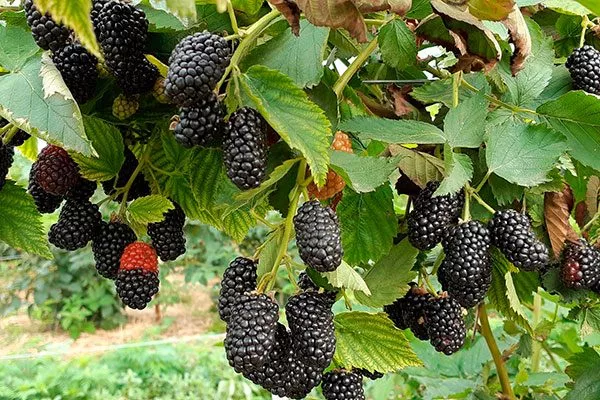
External description of the bush
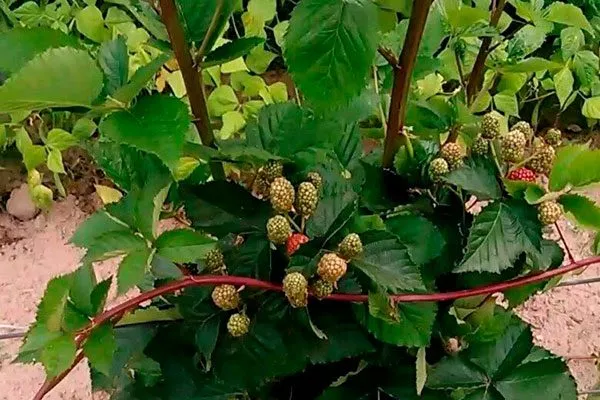
The shrub is characterized by erect, dark green shoots with a purple tint. Distinguishing features:
- Branches can reach up to 2 m in length.
- With proper care, at the age of 3-4 years the plant can grow up to 3-4 m in height.
- The shoots are covered with oval-elongated leaves with serrated edges and a pointed end.
- The foliage is emerald in color.
Taste qualities of berries
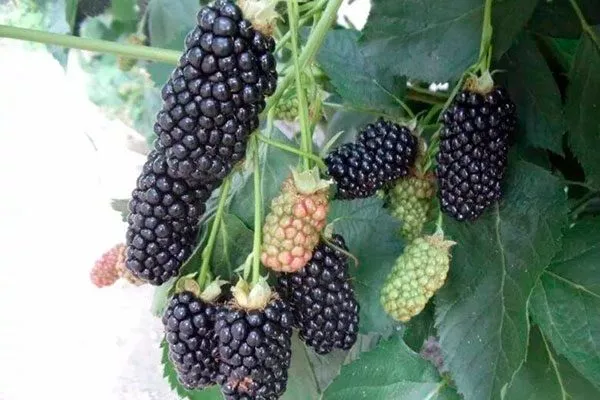
This hybrid boasts high yields, with a single cluster capable of producing approximately 50 fruits at a time. Berry characteristics:
- Ripe cone-shaped fruits weigh 9-10 g, but some specimens reach a record weight of up to 17 g.
- At the initial stage of fruiting, large berries appear, and by the end of the season, small fruits are formed.
- The pulp is dense with a distinct sweet taste and almost imperceptible sourness.
- The plant produces double fruits, which is one of the advantages of the crop.
Characteristics of the Prime Ark Freedom blackberry
Before choosing a seedling of this variety, it's important to study its characteristics and consider the nuances of cultivation. Particular attention is paid to its frost resistance, pest resistance, and fruiting characteristics.
Flowering period, ripening period and yield
The hybrid was bred in California, where the climate is very mild, allowing it to begin blooming as early as late February. The first berries ripen by the end of May, and a second wave of fruiting occurs in the fall.
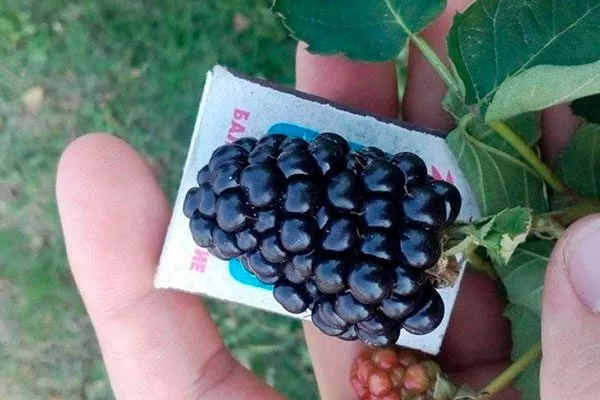
It has great potential due to its high yield. With proper care, up to 7 kg can be obtained per square meter. Ripeness is determined by a change in color: the skin takes on a glossy black hue, and the berry separates easily from the stem. Overripe fruits are damaged during harvesting.
Frost resistance
During the winter, the crop requires mandatory shelter, as it has very low frost resistance. Temperatures around -15°C can kill the plant. In northern regions, it is recommended to cultivate the variety in greenhouses.
Resistance to diseases and pests
The Prim Arc Freedom blackberry's immunity effectively resists known diseases and pests. However, the shrub is susceptible to mosaic and anthracnose.
Advantages and disadvantages of the variety
It's important to study the positive and negative qualities of a variety to avoid problems. It has the following advantages:
Among the disadvantages, gardeners note poor resistance to anthracnose and low winter hardiness.
Planting Prime Ark Freedom blackberries
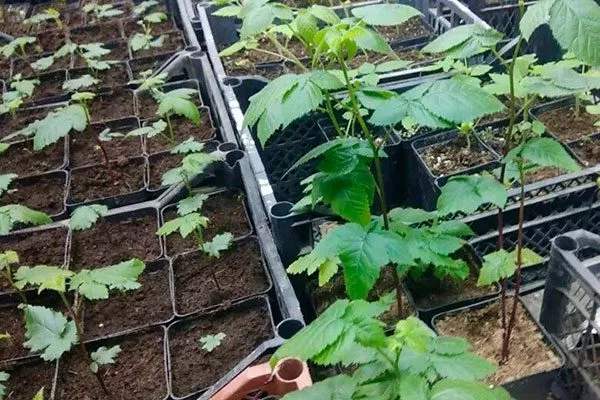
In southern regions, young seedlings are planted in the fall, a month before the onset of frost. In colder regions, it's best to plant them in the spring, at the end of April. This will give the trees time to adapt to the new growing conditions.
- Two weeks before planting, add humus to the soil at a rate of 5 kg per 1 sq. m.
- Check the soil pH; the optimal level for blackberries is 5.5-6.5.
- A week before planting, deeply dig the area to improve aeration.
Before planting, prepare the seedling by immersing the roots in a growth stimulant solution with a small amount of manganese added. Then follow the instructions:
- Dig planting holes and then water them.
- Form small mounds of earth in each hole.
- Place the seedling on top of the hill, then gradually fill the hole with soil, compacting each layer.
- Cover the area around the plant with a layer of mulch, such as humus or peat. Water thoroughly.
- Trim the branches.
Caring for Prime Arc Freedom Blackberries
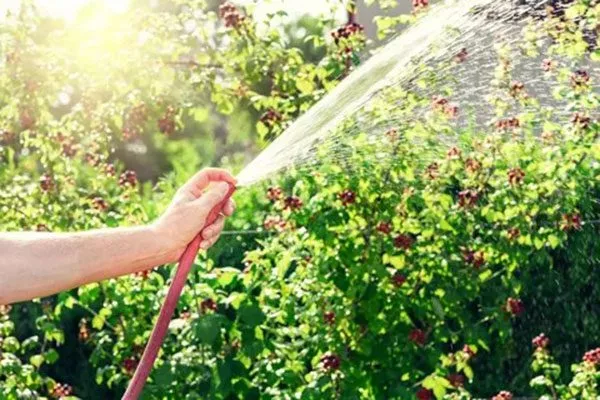
Plants require regular watering at intervals of about two weeks. Mature plants are more drought-resistant but still require adequate moisture. Water 5-6 times per season.
Helpful tips:
- In spring, apply nitrogen in the form of urea or organic fertilizer.
- Every 2-3 years, fertilize the soil with humus and phosphorus (approximately 40 g per 1 sq. m).
- In autumn, add additional potassium – 40 g per 1 sq. m.
- Trim excess branches in spring and autumn.
- Remove shoots that have finished fruiting.
- Carry out spring pruning before the leaves appear.
- On two-year-old shoots, trim the top part to stimulate the development of ovaries, then tie the branches to the trellis.
Blackberry Prime Ark Freedom may be subject to certain problems:
- Mosaic. A viral disease that appears as yellow or light green spots and mosaic patterns on leaves. This leads to leaf deformation. Destroy infected plants and use healthy planting material.

- Anthracnose. This is a fungal disease that causes dark spots on leaves and fruit, as well as fruit rot. Remove affected parts of the bush and treat the bushes with fungicides at the beginning of the growing season and during flowering.
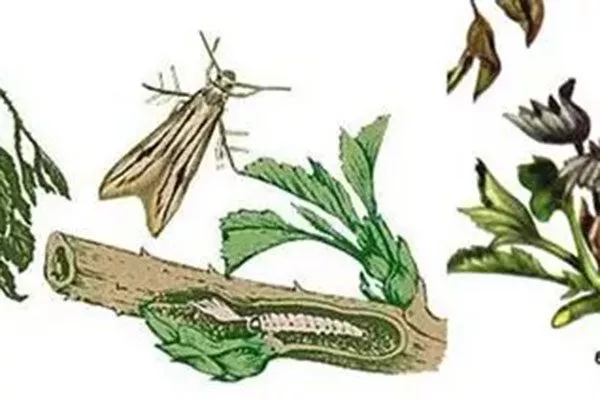
- Blackberry moth. A pest that feeds on leaves, shoots, and fruits, causing crop losses. Symptoms include holes and wrinkles in the leaves. Apply insecticides during the pest's active period and regularly prune affected parts.
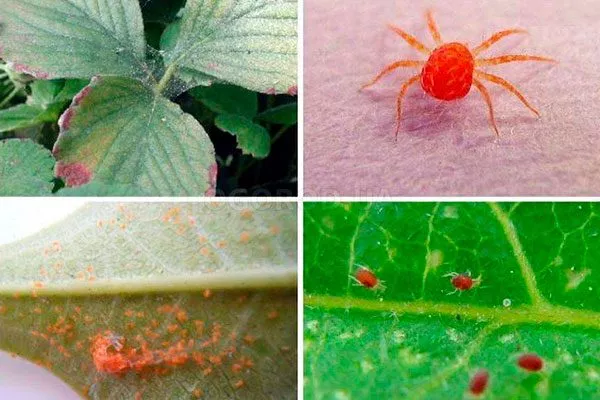
- Blackberry mite. A small parasite that feeds on plant sap, which can cause yellowing of leaves and general weakening. Apply acrylonitrile or other acaricides during mite activity.
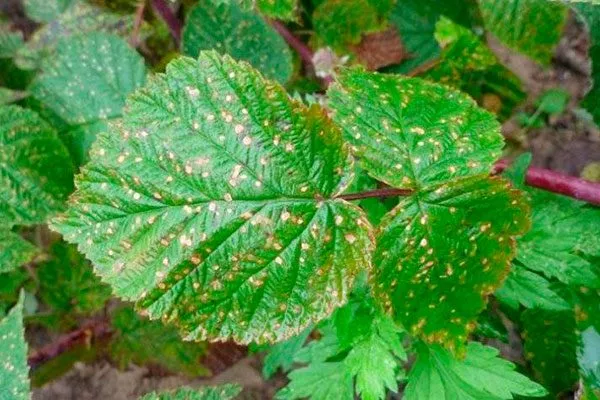
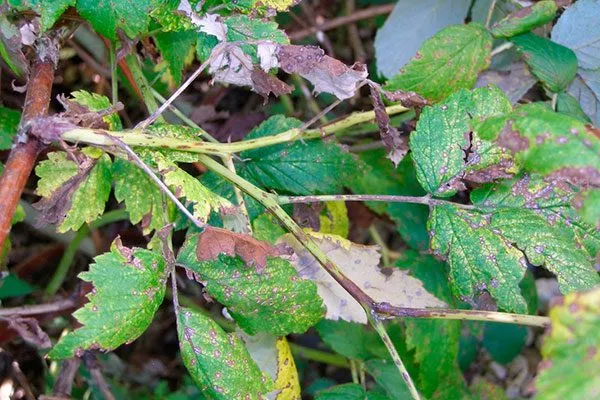
Inspect your shrubs regularly, maintain a healthy garden environment, and use preventative measures to avoid the spread of diseases and pest attacks.
Propagation of the remontant blackberry Prime Ark Freedom
There are several effective ways to increase the number of shrubs on your property. Choose the most suitable method:
- Propagation by seeds. Rinse and dry the seeds. They usually germinate after stratification (storing them in a refrigerator in a humid environment at low temperatures for several weeks).
After stratification, sow the seeds in pots with fertile soil and keep in a warm and humid place until germination. - Rooting of cuttings. This involves growing new plants from cuttings taken from the mother plant. Take the cuttings in spring or summer. They should be about 15-20 cm long and contain several nodes.
Plant the cuttings halfway into moist soil and cover with plastic or glass to create greenhouse conditions. After a month, the cuttings should root and can be transplanted into open ground. - Root cuttings. In spring or summer, find a healthy root cutting from the mother plant and carefully separate it. Plant the cutting in moist soil and cover it like the layering. It should root within a few weeks, after which transplant it to its permanent location.
- ✓ The optimal length of the cuttings should be at least 20 cm to ensure sufficient nutrients.
- ✓ Soil temperature for rooting should be maintained between 18-22°C to stimulate root growth.
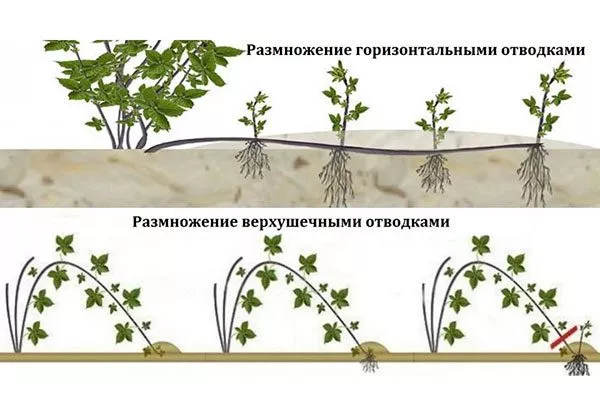
Each of these methods has its own advantages and disadvantages, and the choice depends on your personal preference.
Gardener reviews of the Prime Ark Freedom blackberry
The Prime Arc Freedom blackberry is a promising variety for those who value high yields, large fruits, and thornlessness. Achieving optimal results requires careful care and careful adjustments to growing conditions, especially during periods of drought and sudden temperature changes.