
The "Heaven Can Wait" blackberry is a reliable choice for gardeners thanks to its excellent varietal characteristics. Care plays a crucial role in ensuring high yields and high-quality fruit. Proper agricultural practices significantly impact the success of growing this fruit-bearing shrub.
History of selection
The crop was developed by foreign breeders. This American hybrid is relatively new, introduced to the world in 2013 in Arkansas. Despite this, the variety is already very popular, but it is not yet widely available in Russia.
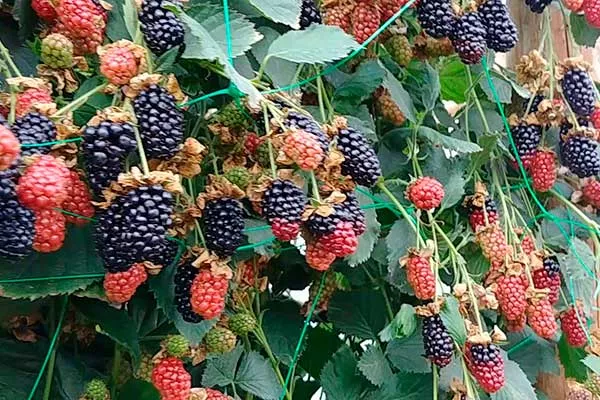
Description of the blackberry variety Heaven Can Wait
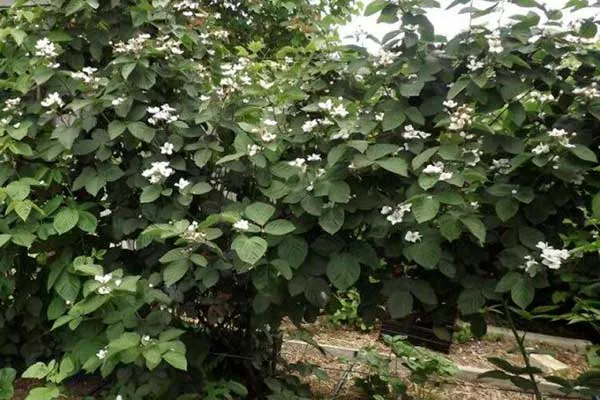
The bushes grow compact, characterized by upright, erect shoots reaching 2-3 meters in height. The hybrid differs from other varieties in the following characteristics:
- The shoots are covered with large leaves with jagged edges. The foliage is a rich green.
- In May, the bush is covered with medium-sized flowers with five white petals.
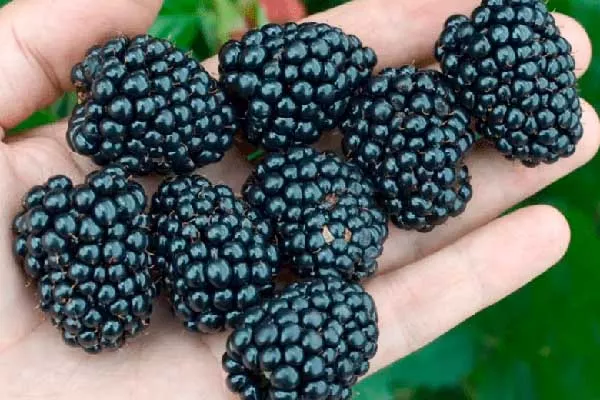
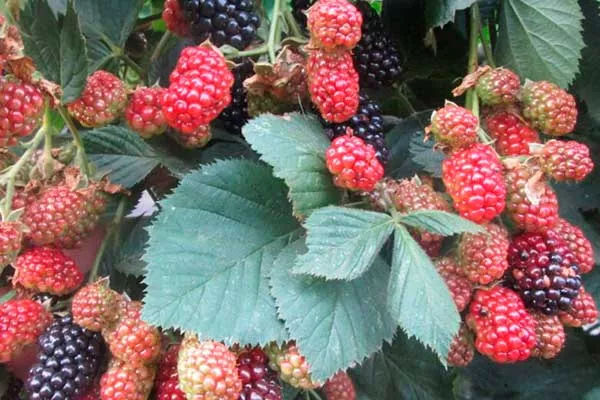
- The berries weigh approximately 5 g, but larger specimens are also found.
- The fruits turn purple when fully ripe.
Characteristics
Beyond berry size and flavor, there are other key characteristics to consider before choosing a variety for cultivation in a specific region. Criteria such as frost and disease resistance, ripening time, and yield are important.
Ripening period and yield
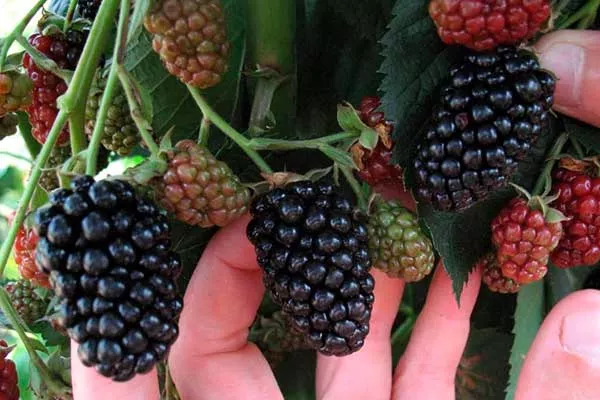
This is an early-ripening variety. The first berries appear in mid-June, and fruiting continues for 8-10 weeks. A mature bush typically yields around 10 kg per season. With proper care, this figure increases to 25-30 kg.
Winter hardiness
This variety successfully overwinters in Russia only in the southern regions with a subtropical climate. Its frost resistance (-13 to -15°C) is insufficient even for planting in the Moscow region and central Russia. Planting in the Urals and Siberia is not recommended.
Resistance to diseases and pests
The crop is resistant to rust and anthracnose, but can be susceptible to certain diseases. Proper care is important to prevent disease and pest attacks.
Take the following preventive measures:
- Regularly remove damaged or diseased plant parts, such as dead or diseased shoots. This will prevent the spread of diseases and infections.
- Provide ample watering, especially during periods of heat and drought, to maintain optimal soil moisture levels and ensure normal growth and development.
- Regularly feed the bushes with fertilizers to provide the necessary nutrients and microelements to improve immunity.
- Treat plantings with insecticides and fungicides to prevent pests and diseases.
Keep the area around the plants clean and tidy, remove weeds and trim excess shoots to improve air circulation and light access.
Pros and cons
The advantage of this variety is that the berries are easy to transport, but their fresh shelf life is relatively short—up to 5-6 days when refrigerated. Ripe berries have a unique aroma with light fruity notes.
Planting blackberries
Choose a well-drained, sunny location, protected from north and northwest winds. The soil should be light and fertile; add fertilizer if necessary.
- ✓ Check the seedling for signs of disease or pests, such as leaf spots or bark damage.
- ✓ Make sure that the root system of the seedling is well developed and shows no signs of rot.
Helpful tips:
- Before planting, enrich the soil with sand up to 30% by weight, and adjust the acidity level using lime, chalk or dolomite.
- Give preference to elevated areas to avoid stagnant water.
- Plant the crop in the spring when the sap begins to flow, or in the fall 3-4 weeks before the first frost.
- The distance between bushes should be at least 1.5 m in a row and 2.5 m between rows.
Plant blackberries according to the standard procedure. Keep the following key points in mind:
- Select a healthy, high-quality seedling. Check the roots for integrity and dryness. If the roots are too long, trim them by 20-30%.
- Dig a hole about 60-70 cm deep and in diameter.
- Place drainage material (such as crushed stone or pebbles) at the bottom of the hole in a layer of at least 5-7 cm.
- Place the seedling in the hole so that the root collar is at the level of the soil surface or slightly below.
- Fill the hole with soil and compact the soil well.
- Water the planted seedling generously.
- Mulch by applying a layer of mulch (straw, sawdust, or dry leaves) around the tree trunk. This will help retain moisture and reduce weed growth.
Monitor the plant's growth and development, removing weeds around it. If necessary, install supports to support the shoots.
Care
Even gardeners with little experience growing this crop can achieve a good harvest. It's important to follow these guidelines:
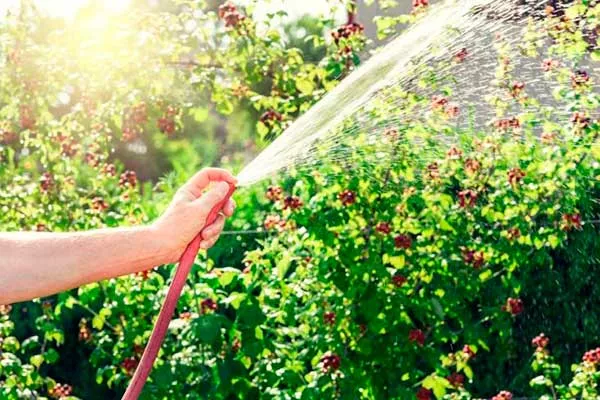
- Watering. Keep the soil moist regularly, especially during hot weather, but avoid over-watering.
- Loosening and weeding. Loosen and weed the bed every 2-3 weeks, especially if no mulch layer has been applied.
- Top dressing. Begin fertilizing the second spring after planting. Use nitrogen-rich fertilizers in mid-April to stimulate growth, and complex fertilizers during bud formation and after flowering. When preparing for winter, use fertilizers containing phosphorus and potassium.
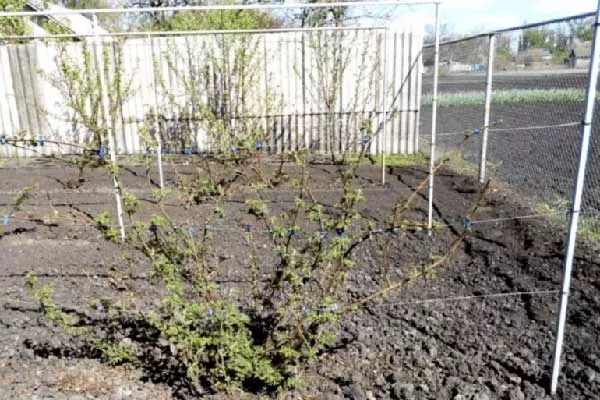
- Tying up. Tie the bushes to a trellis to ensure uniform access to light and heat, which promotes productivity and prevents the development of diseases.
How to prune blackberries?
Perform pruning in a horizontal sequence, making it easy to cover the bushes for the winter. To do this, pin each shoot 35 cm from the ground. Prune annually by removing last year's shoots that are no longer bearing fruit and have exhausted their life cycle.
This process is necessary to maintain the viability of the bush and prevent overcrowding, which can negatively impact next year's yield. Removing excess shoots allows the blackberry to maintain its intended fruiting level and effectively control its growth.
Methods of reproduction
The "Heaven Can Wait" blackberry is propagated exclusively vegetatively, as it is a hybrid. To obtain new specimens, use two main methods:
- Rooting of cuttings. In late spring, bend the top of the shoot toward the ground, lightly cutting the bark on the underside, and secure it in place. Then, sprinkle humus on top and water generously. Feed regularly with a fertilizer solution throughout the summer.
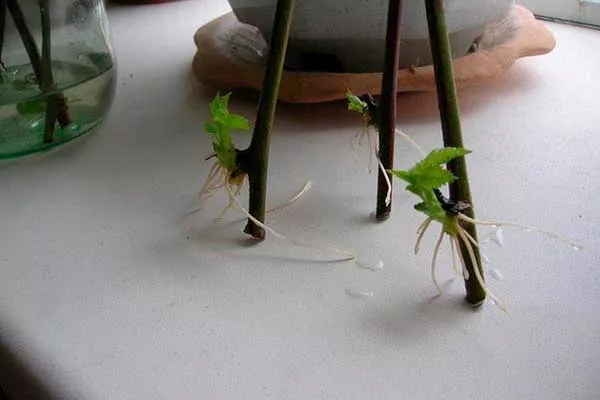
- Cuttings. In May-June, prepare 12-20 cm long cuttings with several buds. Pre-treat the cuttings with a biostimulant solution and plant them in moist soil. Rooting requires a greenhouse with long daylight hours for 3-4 weeks.
- ✓ Maintain high humidity in the greenhouse to ensure rooting of cuttings.
- ✓ Protect the cuttings from direct sunlight during the first weeks of rooting.
Gardeners' reviews
The "Heaven Can Wait" blackberry variety boasts a number of positive characteristics that make it appealing to both novice and experienced gardeners. Thornless bushes produce numerous large, sweet-tasting berries. A bountiful harvest and strong immunity can be achieved through careful cultivation practices.