
The Lokhtey blackberry has certain advantages, including frost resistance and high yields. Proper cultivation techniques and timely preventative measures will help you harvest large quantities of berries annually without physical effort or time.
History of selection
Created by crossing various varieties, including Loch Ness and SCRI 82417D, this variety has been successfully grown in various regions of our country since 2011 due to its ease of care and high yield.
Botanical description
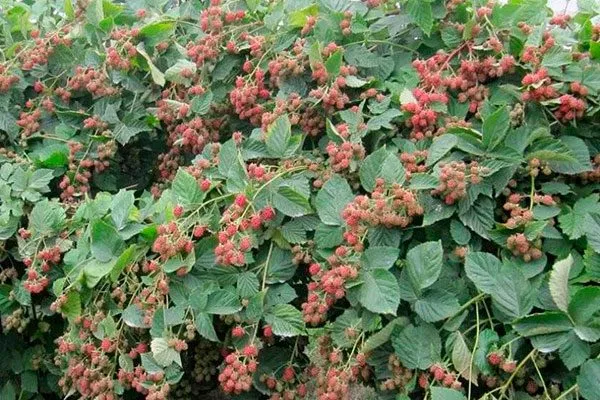
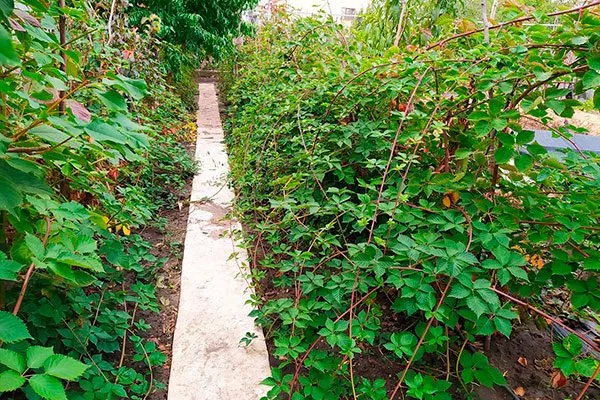
The bushes reach a height of 3.5-4 m. They have upright, vertical shoots that bend over time, forming an arch. Other plant characteristics:
- The thornless shoots are covered with dense, large leaves, colored a rich green.
- The root system is powerful, promoting vertical growth and wide spreading in the soil.
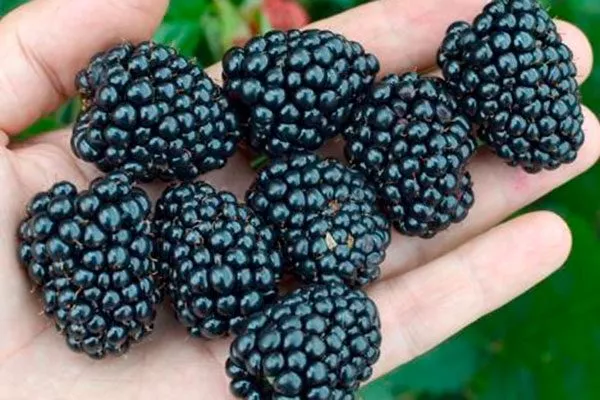
- The large berries weigh 10-12 g and are cylindrical or conical in shape. They are a deep blue color.
- The flesh is juicy and aromatic. As it ripens, it becomes firmer, and the skin becomes glossy and shimmering.
- The skin is thin but strong, which allows the fruits to be stored well and withstand long-distance transportation.
- It has a rich sweet taste with a slight sourness.
- ✓ Shoots can reach 3.5-4 m in height in one season, requiring regular pruning.
- ✓ Berries retain their taste even at temperatures up to +40°C.
Varietal characteristics
The crop boasts high-quality flavor and attractive berries. Blackberries are popular due to their numerous benefits and excellent varietal characteristics.
Flowering period, ripening period and yield
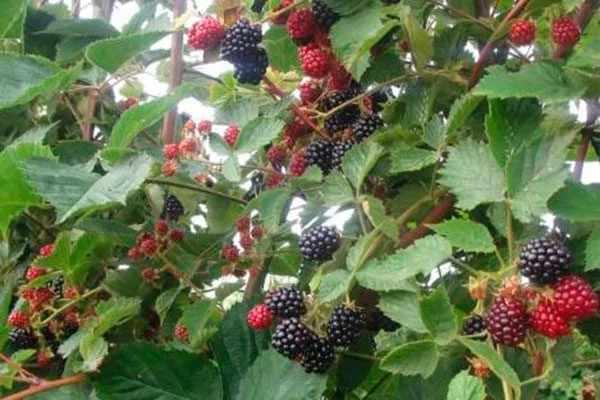
From mid-April for two weeks, blackberry bushes are densely covered with large, white-petaled flowers. The fruits ripen in the summer, in early to mid-June. Berries continue to appear on the bushes until late July or early August. With proper cultivation practices, a single bush yields approximately 20 kg.
Frost resistance
The crop is frost-resistant, surviving temperatures down to -20°C. In the south of the country, no shelter is required, but in more northern regions, frost protection is essential, especially for young trees.
A distinctive feature is its high drought resistance. Even in temperatures up to +40°C, the berries retain their size and flavor.
Resistance to diseases and pests
It is highly durable and stress-resistant. In most cases, it is not susceptible to disease or pest attacks; proper planting and proper agricultural practices are sufficient.
Advantages and disadvantages of the variety
Before planting a crop in your garden, research its positive and negative qualities. This will help you avoid problems in the future.
Planting Blackberries in Loch Tay
When choosing a planting site, consider soil moisture and light levels. The plant prefers deep soil, so a groundwater level of at least 2 meters is desirable. The soil should be slightly acidic or neutral.
- ✓ Soil pH should be between 5.5-6.5 for optimal growth.
- ✓ The soil must have good drainage capacity to avoid water stagnation.
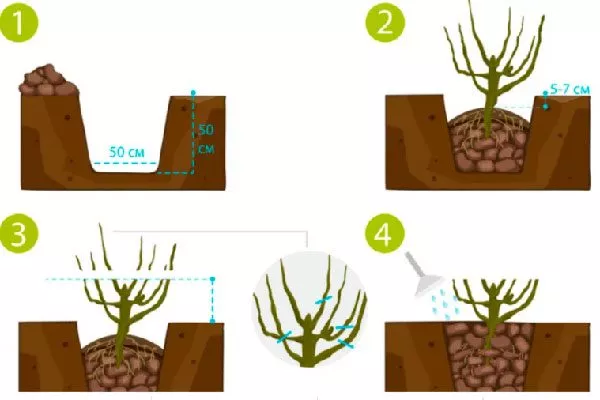
Although blackberries aren't particularly demanding regarding soil quality, they thrive in well-ventilated, organically fertilized areas. Avoid planting after nightshades or strawberries. Grains and legumes are good predecessors.
Helpful planting tips:
- Start preparing the site in the fall.
- Remove plant debris and dig the soil to a depth of about 40 cm.
- Disinfect with a 3% solution of copper sulfate, and after a week, dig the area again to a depth of 20 cm, adding manure, sand, superphosphate and calcined salt.
- Dig a planting hole 60-70 cm deep and in diameter and fill it with drainage material. Dig the hole in advance to allow the soil time to settle.
- Form a mound of soil at the bottom of the hole. Place the seedling in the center, ensuring the root collar is deep in the soil.
- After planting, water the plant generously.
Mulch the tree trunk circle and shorten the shoots to 20-25 cm, leaving 3-4 buds.
Caring for Loch Tay Blackberries
The crop doesn't require any special measures. The exceptions are standard agricultural practices:
- Watering. Water your blackberries regularly during dry periods, especially when they're setting fruit. Try to keep the soil moist, but avoid overwatering to prevent root rot.
- Fertilizer. Fertilize the bushes with berry fertilizer at the beginning of the growing season and during fruit formation. Follow the instructions on the package and avoid overfeeding.
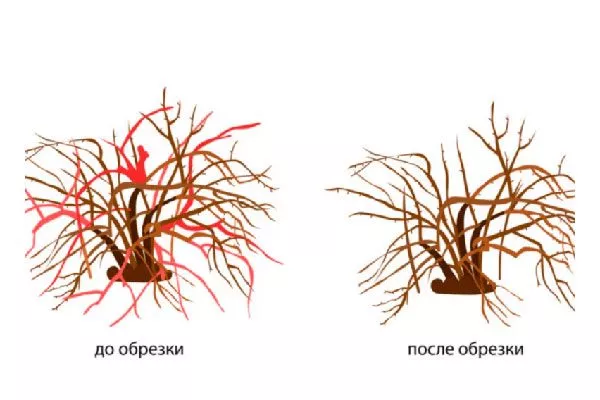
- Trimming. Prune shoots regularly to maintain the bush's shape and encourage new growth. Remove old, diseased, or damaged shoots.
Preparing for winter
The seedling requires protection during the winter. Prepare the bed, clear the area of weeds, then cover it with a 12-15 cm layer of straw, pine branches, or fallen leaves.
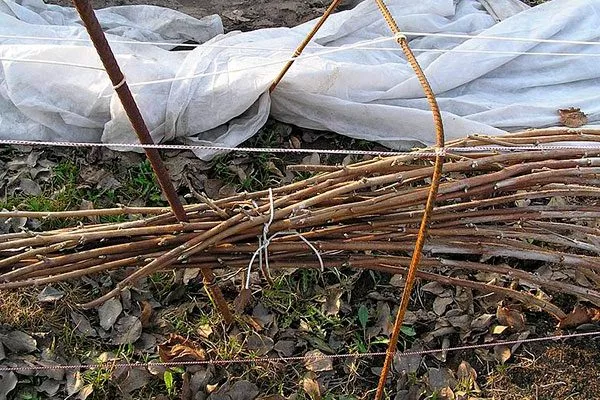
Carefully place the shoots, previously removed from the trellis, on the formed “pillow” and wrap them in covering material in several layers.
Protection from pests and diseases
Under unfavorable conditions or improper care, the crop can be susceptible to fungal diseases. Verticillium wilt is the most common. To combat this disease, remove all parts affected by the fungus, then spray with fungicides three times, 7 days apart.
Gardener reviews of Loch Tay blackberries
The Loch Tay blackberry is a frost- and drought-resistant plant, a favorite choice for both novice and experienced gardeners. This variety produces abundant harvests, with berries that ripen quickly, being juicy, and delicious. Strong immunity, high yields, and high-quality fruit can only be achieved with proper care.