
Kiova is a popular blackberry variety, successfully grown by many gardeners across the country. Its high-quality fruit and disease resistance continue to increase its popularity. To maximize the yield, it's important to follow proper cultivation practices and pay attention to regular care.
History of selection
Developed in 1996 in Arkansas, USA, the hybrid was created using two parent varieties: Arc. 791 and Arc. 1058. The name was chosen in honor of the Native American tribe. In English, there are two pronunciations: Kiowa and Kiowa, and both are considered correct.
Description of berry crops
Before planting seedlings in your garden, it's important to familiarize yourself with the variety's distinctive characteristics. The Kyiva blackberry has many positive qualities that appeal to both experienced and novice gardeners.
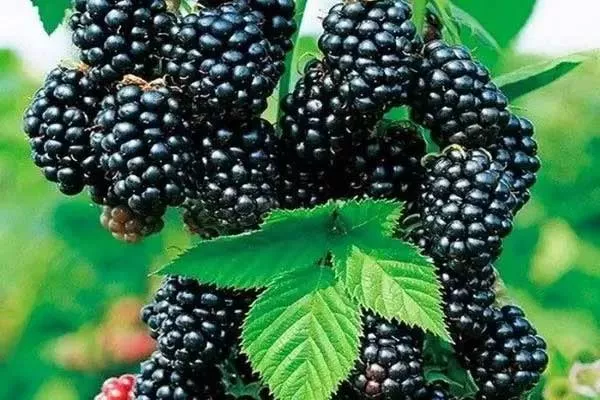
Appearance of the plant
The bushes are upright, reaching a height of 1.5-2 meters, and do not lean or trail along the ground. Large, sharp, and very hard thorns are located along the entire length of the branches. Due to the height of the vines, trellises or other supports are required for support. The plant actively produces shoots and root suckers.
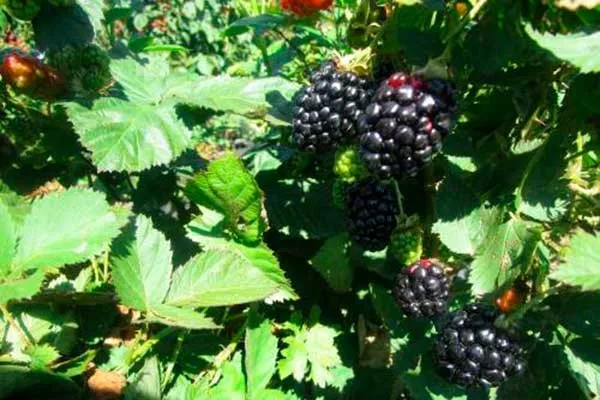
The bushes' leaves are large, dark green, with prominent veins and fine serrations along the edges. Small spines are present on the underside.
Berries and their taste qualities
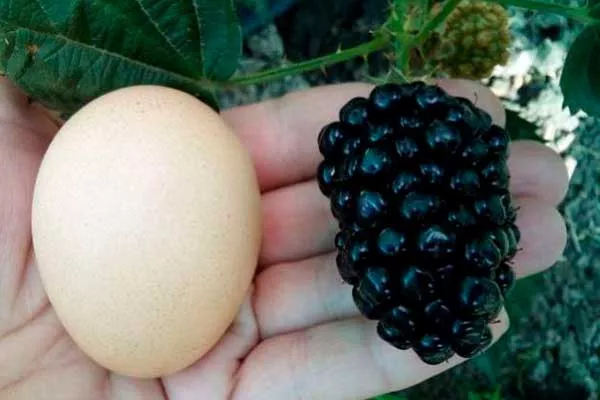
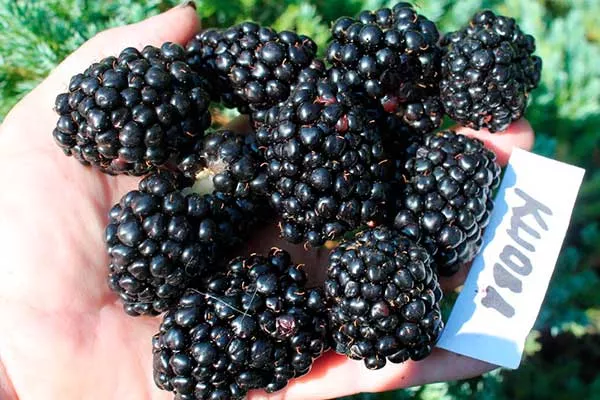
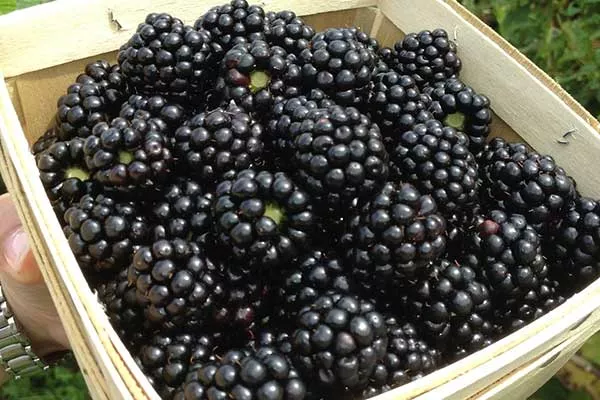
The fruits ripen, turning from green to red, and then a glossy black hue. The average weight is about 12 g, with the largest specimens reaching 20 g. They are round-conical in shape, firm, and have a pleasantly sweet, slightly tart flavor with a hint of wild berry aroma.
Characteristic
Today, you can find all sorts of high-quality berries, but among all the blackberry varieties, the Kiova variety stands out. It has many interesting qualities that make it prized by gardeners.
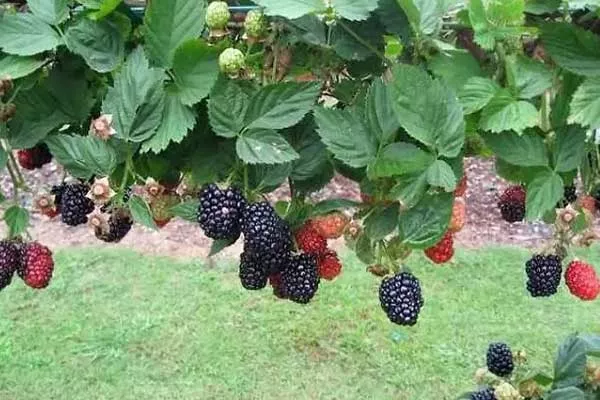
Flowering period and ripening time
The trees begin to bloom in late May. The flowers are predominantly white, although pink specimens are occasionally found. The flowers form corymb-shaped inflorescences.
Fruiting occurs in July, especially in the southern regions. This limits its distribution, as the late-ripening hybrid does not have time to fully ripen in the central and northern latitudes.
Yield indicators, fruiting periods
The Kiova blackberry is distinguished by its long ripening period, lasting approximately six weeks. During this time, the fruits retain their high commercial quality. This variety is late-ripening and very productive – 4.5 to 6 tons of black berries can be harvested per hectare.
Application of berries
This delicious treat makes a great dessert. They're great both fresh and processed. Jams, preserves, marmalades, liqueurs, and pie and pancake fillings are sure to please blackberry lovers.
The fruits freeze well without losing their appearance or nutritional value. After defrosting, they remain as tasty as fresh, while preserving their vitamins and minerals.
Resistance to diseases and pests
The hybrid has a strong immune system, making it resistant to fungal infections and pests, provided that preventative measures are taken in a timely manner.
Methods of reproduction
Garden blackberries are characterized by a high ability to reproduce, rapidly expanding their range and expanding into new areas. Therefore, carefully prepare the planting site.
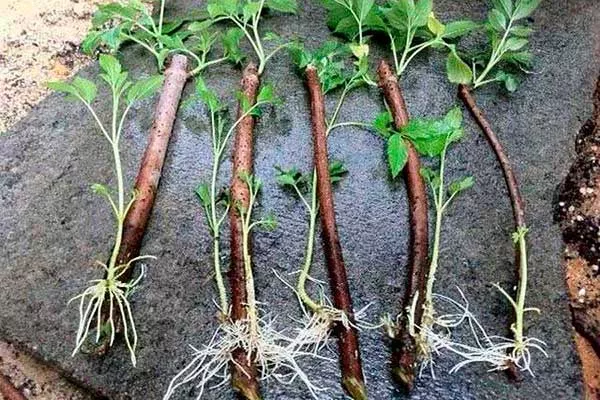
Reproduction can occur in several ways:
- Offspring. These are young shoots emerging from the root. Carefully dig them up along with part of the parent root system and transplant them to a new location. Strong, mature plants at least three years old with a well-developed root system are suitable for this method. Perform this procedure in the spring for best results.
- By layering. The method involves rooting one-year-old shoots. In early August, bury the selected shoot shallowly, leaving the tip exposed. Do not cut it off from the mother plant. Keep the buried shoot moist. The plant usually takes root within two months.
In October, carefully dig up the bush, making sure it has developed new roots. Then, cut it from the mother plant and transplant it to its permanent location. These seedlings will make excellent planting material for spring planting.
To speed up the rooting process, before burying the plant, lightly cut the bark in the place that will be underground.
Landing rules
The bush is cultivated using traditional methods. It's important to follow certain recommendations, as the seedling's survival and future development depend on proper care.
Recommended timeframes
The Kiova variety is suitable for both spring and fall planting. In spring, plant the bushes before the sap begins to flow, and in fall, plant them a month before the first frost.
Choosing a suitable location
Garden blackberries are heat-loving plants, so choose a flat, well-lit area protected from strong winds. With sufficient sunlight, the berries will be especially sweet and large.
Soil preparation
The bushes grow well in fertile, loose, nutrient-rich soil. If the soil is heavy, add peat and sand. If the soil is acidic, apply lime.
Selection and preparation of seedlings
A healthy plant should have certain characteristics. Consider the following:
- well-developed root system (at least 10 cm);
- presence of a growth bud;
- 1-2 leafy shoots.
- ✓ The presence of at least 3 healthy roots at least 15 cm long.
- ✓ No signs of disease on leaves and stems.
- ✓ The presence of at least one growth bud without damage.
Algorithm and landing scheme
Plant the bushes 1.5 m apart. Follow these steps:
- Create drainage at the bottom of the planting hole.
- Form a mound of fertile soil on top.
- Place the root system of the seedling in the center of the hole.
- Fill with nutrient soil up to the level of the root collar.
- Moisten and mulch the tree trunk area.
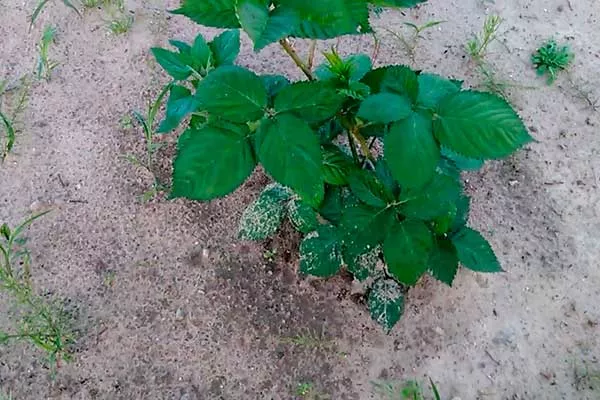
Don't bury the root collar; it should be above ground level. Trim the shoots to 30-40 cm.
Subsequent care of the culture
A plant's yield directly depends on its care. Proper agricultural practices, including watering, fertilizing, pruning, and pest and disease control, play a key role in ensuring a high-quality and abundant harvest.
Watering, weeding and mulching
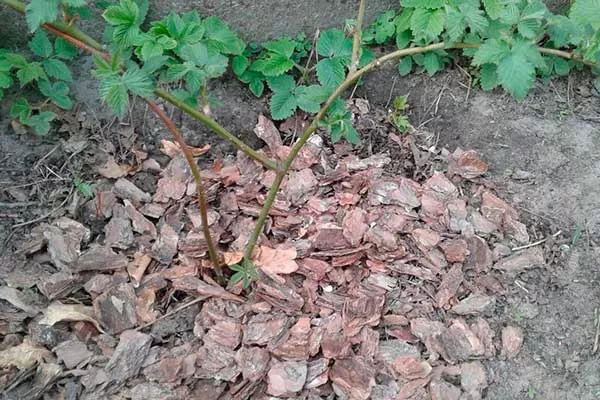
Kiowa requires moderate moisture. Provide the most moisture during flowering and fruit formation to ensure large, juicy fruits. Mulching helps retain moisture in the soil and reduces the frequency of watering. Use straw or peat for this purpose. Weed as needed.
Fertilizers and dressings
Perform these measures throughout the season. This vigorous plant actively grows vegetative mass in the summer, requiring a large amount of nutrients from the soil. Therefore, replenish this deficiency periodically.
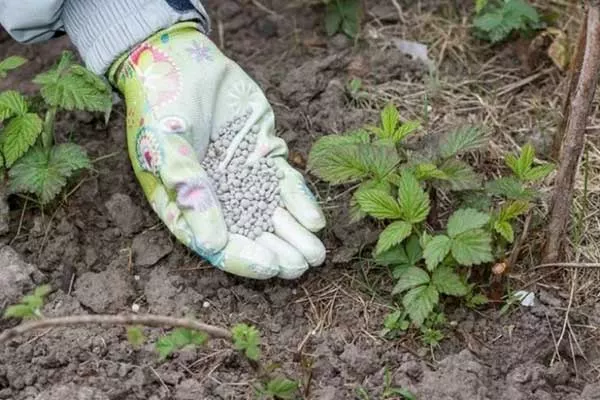
- At the beginning of the growing season, apply nitrogen fertilizers (30 g of ammonium nitrate per bush).
- During the flowering period, add potassium-phosphorus fertilizers (20 g of superphosphate and 15 g of potassium sulfate per bush).
- After harvesting, apply organic fertilizers (rotted manure or compost).
When blossoms and berries appear, feed the plant with potassium-rich fertilizers. In the fall, apply a complex fertilizer to strengthen the root system. At this time, products containing beneficial bacteria are effective, helping the plant absorb nutrients from the soil. Apply them twice per season.
Garter
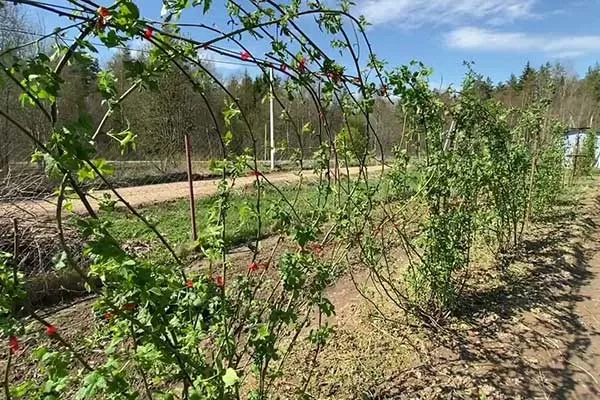
Upright shoots can bend under the weight of the berries, so secure them to the trellis, shaping them into a fan shape. This not only makes fruit picking easier but also makes pruning the tied branches easier, especially given the thorns on the plant.
Trimming
Pruning the Kiova blackberry variety is an important agricultural practice that helps increase yield and improve fruit quality. Key points to consider when pruning:
- Autumn haircut. Perform this procedure at the end of the season, after harvesting. Remove all old and damaged shoots to prepare the plant for winter.
- Spring formation. Recommended at the beginning of the growing season, when new shoots emerge. This will allow for a more accurate assessment of the plant's condition.
- Removing old shoots. Prune fruiting branches back to the ground. This will make room for new plants and reduce the risk of disease.
- Formation of a bush. Leave 5-7 strong shoots that will form the next crop. If the bush has grown too large, thin it out to improve access to light and air.
- Trimming the tops. In early spring, shorten the tops of the shoots to a height of about 10 cm to stimulate branching and the formation of lateral branches.
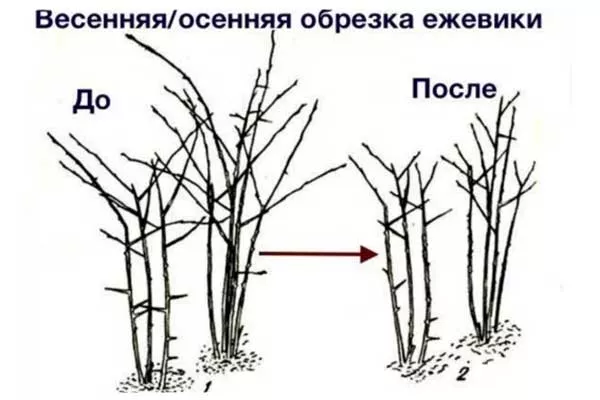
Use sharp pruning shears or garden shears to make clean cuts. Prune shoots 1-2 cm above the bud to prevent rot and infection. Remove diseased and damaged areas to prevent the spread of disease.
Preparing for winter
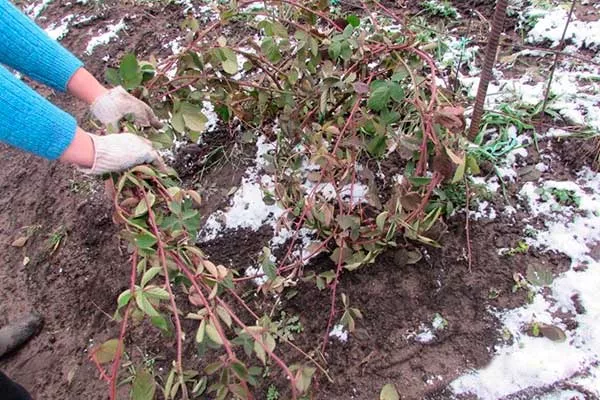
Garden blackberries require annual covering, but this process isn't difficult. Shorten the tops of one-year-old branches to 1.5-2 m and secure them to the ground with staples or hooks. Finally, cover the bush with a non-woven fabric that's breathable and insulates against the cold.
Diseases and pests: methods of control and prevention
Like other berries, the Kiova blackberry variety is susceptible to various diseases and insect attacks. Understanding the symptoms, control methods, and preventative measures will help keep your plants healthy and ensure a bountiful harvest.
| Disease/Pest | Symptoms | Methods of control | Prevention |
| Fusarium wilt | Lethargy and yellowing of leaves, which begin to dry out over time. | Use of fungicides (eg Previcur). | Maintain crop rotation and improve soil drainage. |
| Ascochytosis | Grayish-brown spots on leaves and stems. | Treatment with Bordeaux mixture and copper sulfate. | Removal of infected plant parts, regular inspection. |
| Powdery mildew | White coating on leaves and shoots, yellowing. | Use of sulfur preparations or fungicides. | Ventilation of bushes, adherence to watering regime. |
| White rot | Wet spots at the base of the stem, resembling a web. | Spraying with preparations (Hom, Topaz). | Removing plant debris, regular watering, but without excess moisture. |
| Spider mite | Yellow spots on the leaves, presence of cobwebs on all parts of the bush. | Treatment with acaricides (for example, Fitoverm). | Regular watering, maintaining high air humidity. |
| Aphid | Curling and yellowing of leaves, sticky coating. | Use of insecticides (eg Iskra). | Attracting beneficial insects (ladybugs), constant inspection. |
| Slugs | Damaged leaves with characteristic holes. | Setting traps, using special preparations. | Removing vegetation around bushes, maintaining the area clean. |
Effective disease and pest control involves regular inspection of bushes, the use of chemical and biological pesticides, and adherence to agricultural practices that will help maintain the health of blackberries and the harvest.
Harvesting and storing blackberries in Kyiv
Harvest the berries into lightweight, easy-to-handle containers when they are black and shiny. Arrange them carefully to avoid damage. Wear suitable clothing when harvesting to avoid injury from the thorns. The harvest can be stored in the refrigerator for up to 4-6 days. Freeze them or use them for processing.
Positive and negative qualities
Before planting a crop in your garden, carefully consider its advantages and disadvantages to avoid any future difficulties. Kiowa has many advantages:
Some gardeners note the variety's numerous thorns and low frost resistance as disadvantages, requiring winter shelter.
Reviews
The Kiova blackberry is a unique variety that has gained popularity thanks to its excellent characteristics. This high-yielding hybrid produces large, sweet berries that not only delight with their excellent flavor but are also perfect for a variety of culinary preparations. It's important to understand the growing requirements and basic care guidelines.