
Those with a sweet tooth will certainly appreciate the Jumbo blackberry. This popular French variety is among the top 5 sweetest. Besides its flavor, this blackberry attracts gardeners with its exceptional yields, and it can be used for both amateur and commercial gardening.
Breeding history
The Jumbo blackberry was developed by French breeders. This hybrid variety was developed at the Marionette nursery in 2007. Wild blackberry varieties were used in its development.
Description of the plant
Jumbo blackberry bushes are compact and upright, with smooth, thornless shoots. The branches do not spread out, and they reach a height of no more than 2-2.5 m. Under the weight of the berries, the branches bend slightly toward the ground. Each season, the bush produces 2-4 new shoots over 50 cm tall.
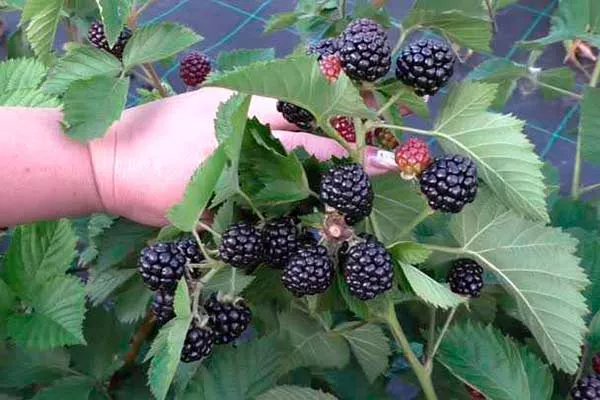
The Jumbo variety has medium-sized, dark green, oval-shaped leaves with veins and serrated edges.
Description of fruits
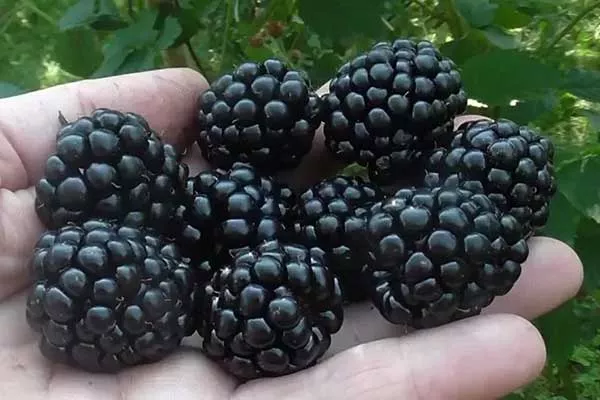
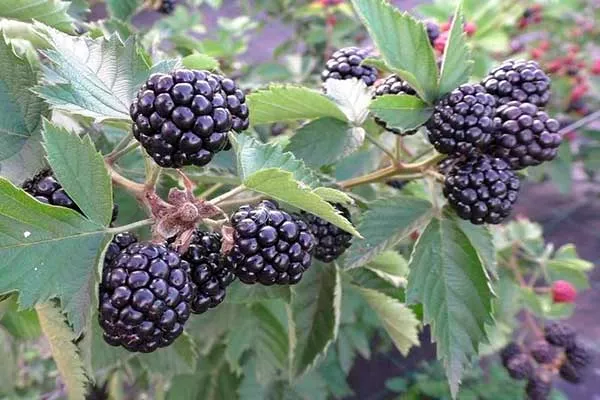
The fruits are large and turn black when ripe. The berries have dense but juicy flesh and an elongated shape. The average weight is 12-15 g, with specimens reaching 30 g. In appearance, the berries resemble large mulberries.
Application and taste
The fruit has a very sweet flavor, with neither bitterness nor sourness, and a very strong, blackberry-like aroma. The berries are versatile and can be eaten fresh. They are used to make desserts, various winter preserves, jams, jellies, compotes, and more.
Berries can be frozen. Cold temperatures preserve their flavor and nutritional value. Harvested berries will keep for about a week in the refrigerator.
Productivity and ripening time
The Jumbo blackberry belongs to the mid-season group. Ripening depends on climate conditions; in the temperate zone, it begins in the second week of August, and in the south, in the second week of July. Fruiting continues for 5-7 weeks.
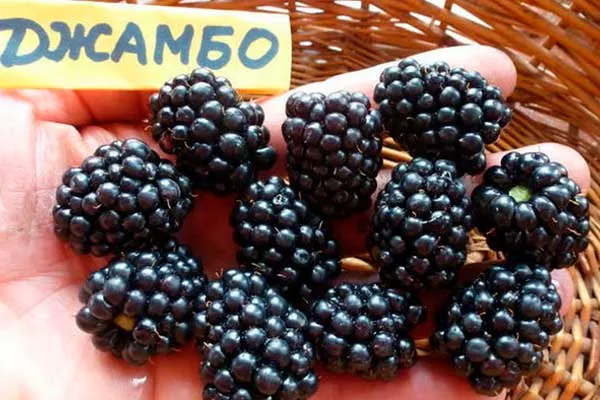
Because the Jumbo variety has a long fruiting period, its bushes bear ripe fruit and flowers just beginning to bloom. The first harvest occurs in the second year after planting. One bush produces 25-30 kg of berries.
Resistance to adverse factors
The Jumbo variety is highly drought-resistant, but less tolerant of cold temperatures due to its European origins. This blackberry also has limited resistance to diseases and pests.
Pros and cons
Before planting the French Jumbo variety in your garden, it's helpful to evaluate all its pros and cons. This will help you determine whether it's truly suitable for your intended purposes.
How to plant correctly?
Jumbo blackberry is not particularly resistant to low temperatures; it prefers warmth and sun, so it is planted in well-lit, sunny areas.
- ✓ The optimal soil acidity for Jumbo blackberries should be within the pH range of 5.5-6.5.
- ✓ The depth of groundwater should not exceed 1.5 m to prevent root rot.
Drafts and cold, blowing winds are contraindicated for it, but ventilation is essential; the bushes must be well-ventilated to avoid increasing the risk of fungal diseases.
Landing features:
- Select seedlings with one or two shoots, a basal bud, and well-developed roots. Seedlings with open shoots are planted in early spring or a month before frost, while those with closed shoots are planted throughout the growing season. Fall planting is common in the south of the country, while spring planting is common in the central part of the country, including Siberia and the Urals.
- Planting holes are prepared a month before planting. Leave approximately 70 cm between adjacent plants and 1 m between rows. The diameter and depth of the holes should be large enough to comfortably accommodate the blackberry root system, approximately 50 x 50 cm or more. A drainage layer of gravel or broken brick is placed at the bottom of the hole. Fill the hole 2/3 full with a nutrient mixture made from:
- manure - 5 l;
- garden soil - 10 l;
- superphosphate - 30 g;
- wood ash - 100 g.
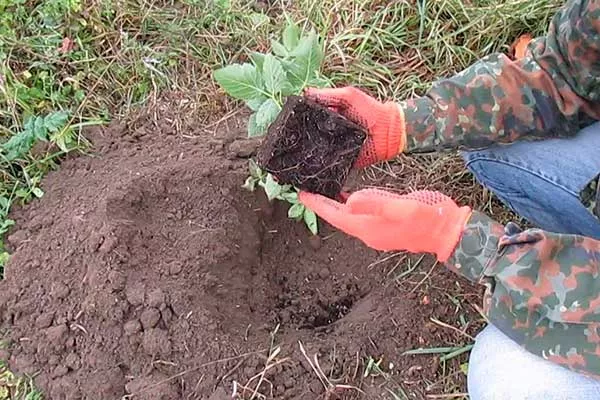
- The seedlings are placed in the center of a mound of earth poured into the hole, the roots are covered with soil, it is compacted, watered with warm, settled water and mulched with peat, humus, sawdust, straw, and freshly cut grass.
When growing Jumbo blackberries, very dense plantings are allowed.
Care Features
Agrotechnical measures after planting:
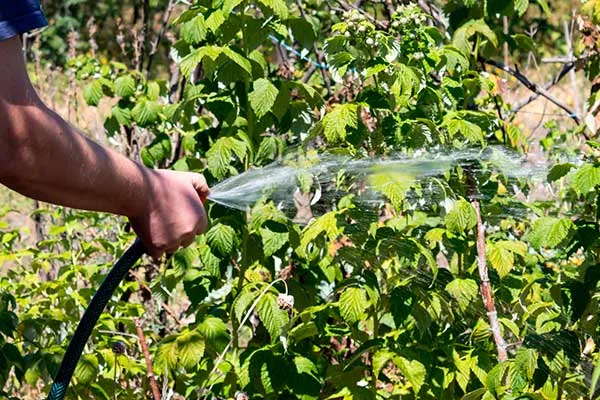
- Watering. Despite its increased drought resistance, Jumbo blackberries are watered regularly, resulting in juicy and large berries and abundant harvests.

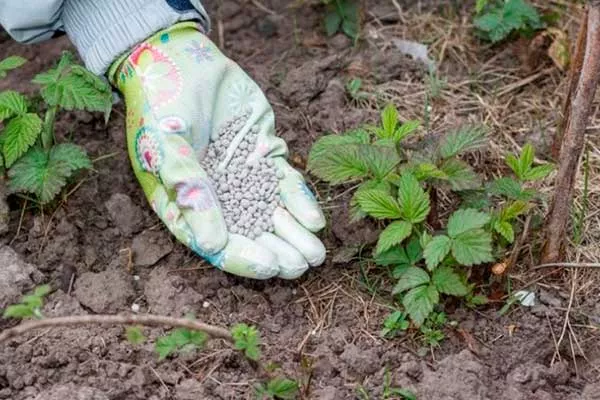
The soil should be moist but not waterlogged, as standing water negatively impacts the roots and causes rot. Recommended watering frequency is once a week, or 2-3 times a week during drought. - Top dressing. In spring, 20 liters of humus and 25 g of nitrogen-containing fertilizer are added under the bushes. In summer, 45-55 g of potassium-phosphorus fertilizer are added.
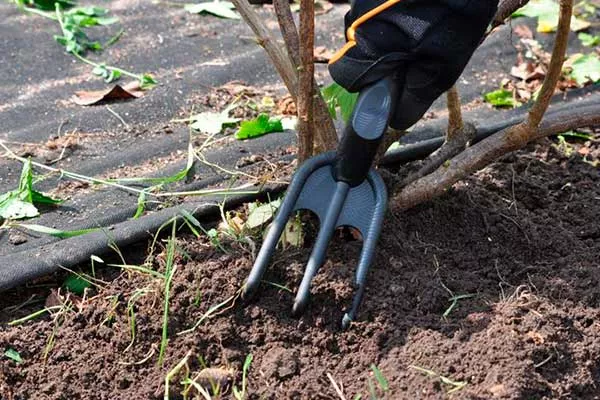
- Loosening. After each watering, it is recommended to loosen the soil in the tree trunk circles, simultaneously weeding out the weeds.
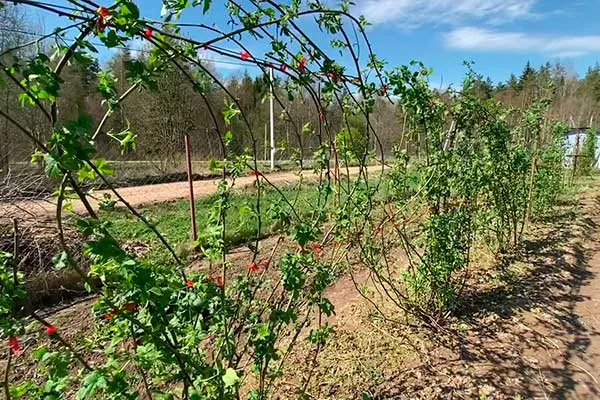
- Garter. The bushes are tied to trellises, as the branches bend heavily towards the ground.
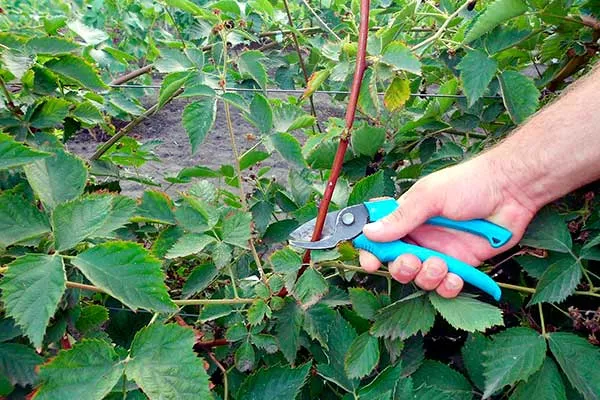
- Trimming. It's performed annually (twice per season) for sanitary and formative purposes, promoting growth and fruiting. In the spring, mostly frozen shoots are removed, and in the fall, old and non-fruiting branches are removed.
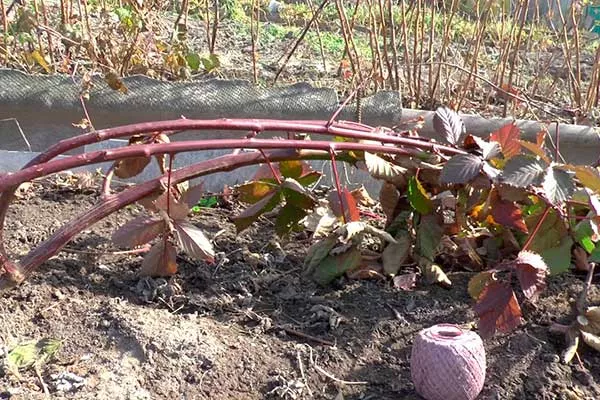
Before winter, all weakened and old branches are cut off at the root, leaving 8-9 strong and young shoots, which are shortened by about a quarter. - Shelter for the winterAfter pruning, all branches are removed from the trellises and laid on the ground. The tree trunks are mulched with a 10-12 cm layer of peat or humus. Agrofibre, film, or roofing felt are placed on top.
Prevention of diseases and pests
Jumbo blackberries can be susceptible to various diseases under a combination of unfavorable conditions. To prevent viral diseases, the bush should be treated with Pentafag at least three times per season. A 1.5% Farmaiod solution is effective against bacterial infections, while Fitosporin, Alirin B, and Gamair are effective against fungal infections.
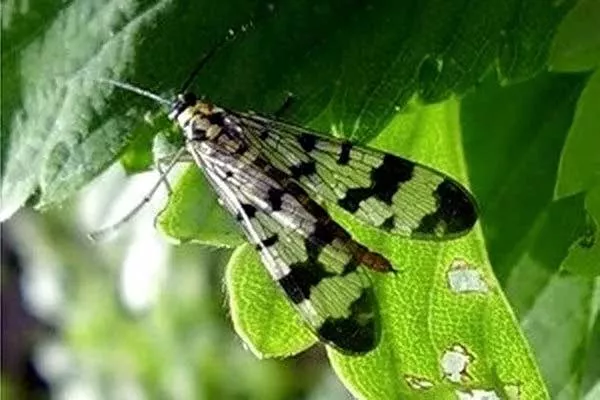
Jumbo blackberry bushes are susceptible to a wide variety of pests. When these appear, appropriate insecticides are used.
How to deal with:
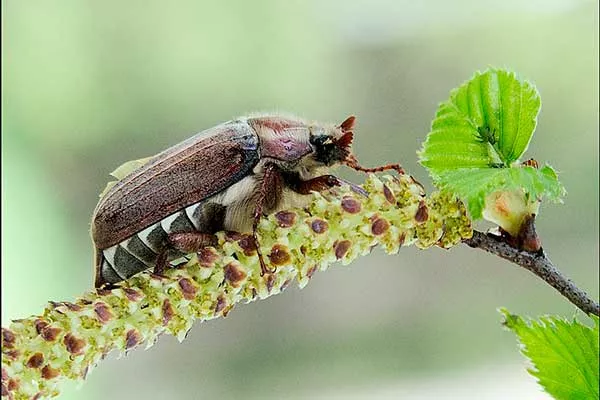
- May beetles - spray with Confidor, sow mustard nearby;
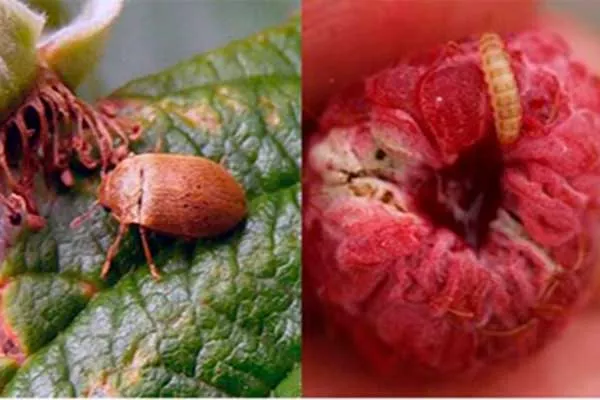
- raspberry beetles - dust with tobacco dust or wood ash, spray with spark, Fufagon;
- raspberry stem flies - cut off damaged shoots and burn them;
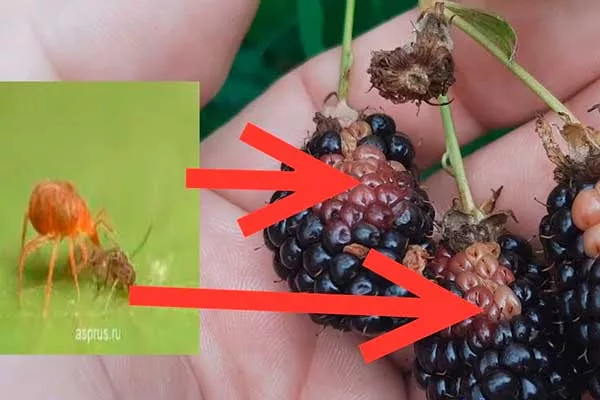
- blackberry mite - spray with Envidor or Thiovit;
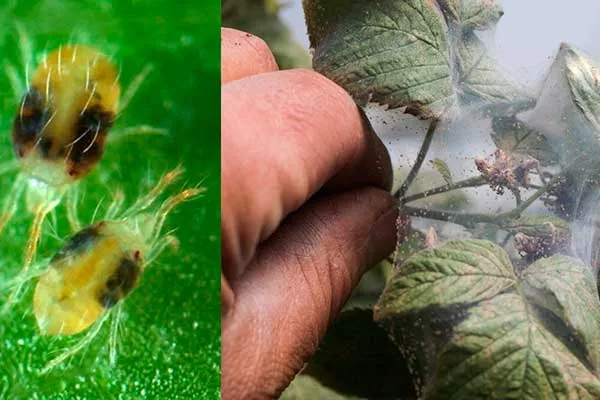
- spider mites - treat the bushes with Fitoverm, Actofit, BI-8.
Harvesting
Jumbo blackberries are fairly easy to harvest, as they are large and thornless. Harvesting is done in several stages because the berries ripen gradually. Blackberries can be stored in the refrigerator for about a week.
Reviews
The Jumbo blackberry attracts domestic gardeners with its combination of excellent culinary qualities and excellent marketability. This variety has many advantages, but its main drawback, significant for growing in Russia, is its low frost resistance, which is something that our summer residents and amateur gardeners should take into account.