
The Black Satin blackberry variety is widespread and often cultivated only in home gardens, as it is not yet widely grown commercially. As a result, the berries from this bush are rarely found commercially. The bushes are characterized by rapid growth and increase in size each year, which is ensured by the absence of diseases.
History of selection
This blackberry variety was bred in 1974 by researchers at the Northeast Zonal Research Center in Maryland, USA, under the direction of British scientist George Scott. The parent varieties used were Darrow and Thornfree.
Characteristic features of berry crops
A distinctive feature of this variety is its lack of thorns. The branches begin their growth vertically up to a height of 150 cm, then bend and become horizontal, resembling a creeping plant.
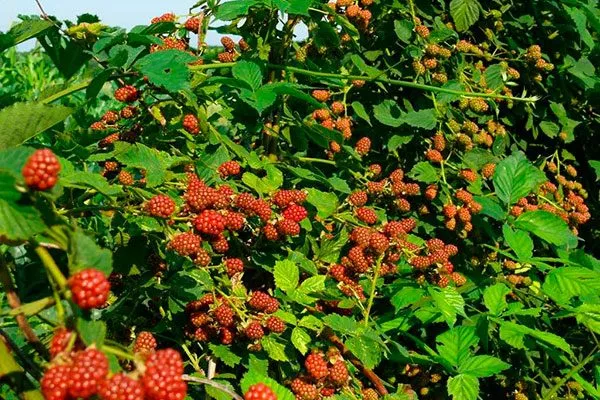
General information about the shrub
This semi-creeping variety is characterized by strong, dark-brown shoots that can reach a length of 500 to 700 cm. Other features:
- If the shoots are not tied up, they fall to the ground and begin to crawl along it.
- Shoots grow approximately 5-8 cm per day.
- The stems form a huge number of lateral shoots.
- Stiff and fragile shoots are difficult to tie up or remove from support.
- The leaves are large, rich green, palmately compound – consisting of three or five segments with serrated edges.
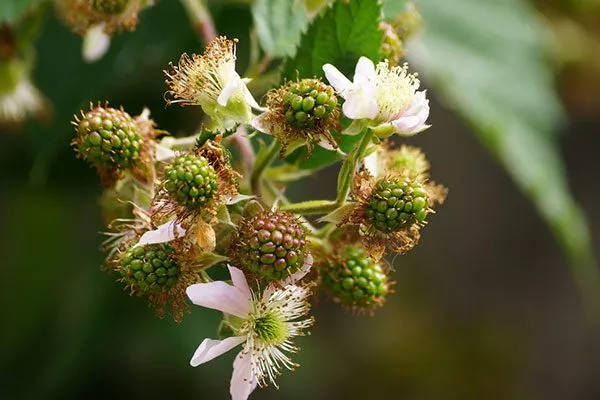
- Flowering begins with pink-purple flowers that turn white over time.
- Flowers are collected in inflorescences of 10-15 pieces.
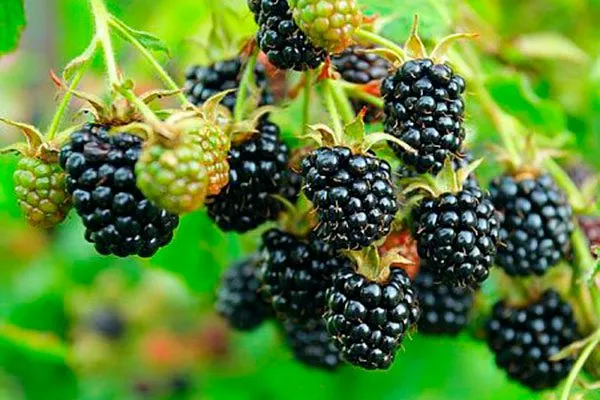
Berries
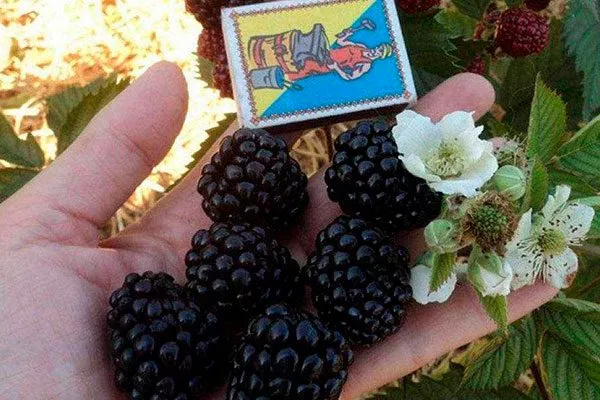
The fruits are of average size – 2.5-4.5 g, at the ends of the lateral shoots they can weigh up to 8 g. Other characteristic features:
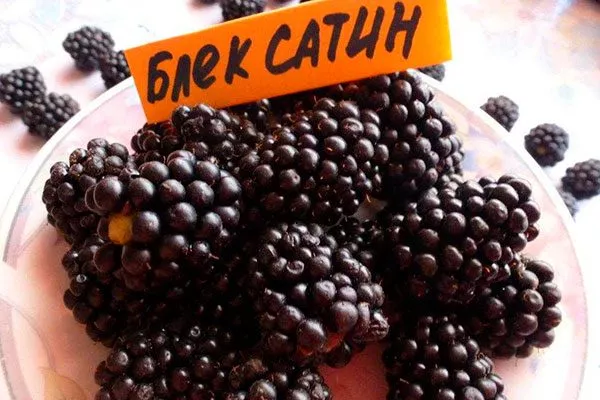
- The fruits are round-elongated and glossy black. Unripe berries resemble ripe ones in appearance, but their taste is sour. When fully ripe, the berries become very soft, become excessively juicy, and lose their transportability.
- The fruits are formed in small clusters of 12-15 pieces with a shiny surface.
- They are difficult to separate from the stalk.
- The taste is sweet with a slight sourness.
- The harvest ripens on the shoots of the previous year.
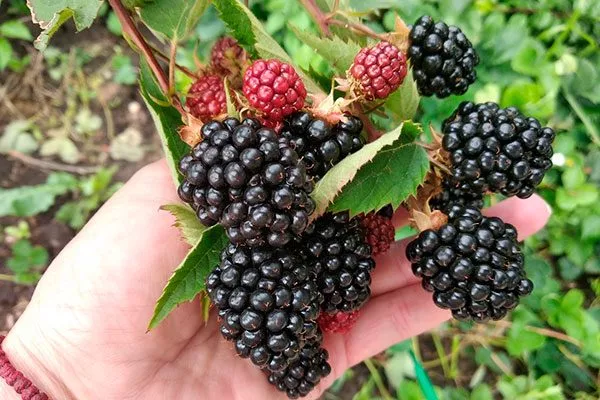
The taste is rated at 3.8 out of 5, but domestic gardeners often rate this variety lower on the list, some even giving it no higher than 2.5. This difference in ratings may be due to the fact that at the technical ripeness stage, the berries seem bland and sweet-sour with a bland aroma.
However, in this state, they remain firm and easy to transport. When fully ripe, the berries become much tastier and more aromatic, but they also soften to the point that transporting them becomes difficult.
Characteristics
The Black Satin blackberry variety has become widely popular around the world due to its distinctive characteristics, many of which resemble those of its parent variety, Thornfree.
Flowering period and harvest time
The bushes bloom in late May or early June and last a long time, often resulting in a cluster containing buds, green berries, and ripe berries simultaneously. The variety begins bearing fruit after a couple of months and continues to ripen until late autumn. In cold climates, without proper agricultural practices, about 12% of the harvest may not have time to ripen.
Yield indicators, fruiting periods
It boasts impressive yields. Mature four- to five-year-old bushes yield 11 to 17 kg of berries, while with careful cultivation, this figure can reach 22-25 kg per bush.
Beneficial properties
Blackberries are a valuable source of vitamins and microelements and contain a significant amount of vitamin C—more than oranges. The niacin found in blackberries has anti-allergic properties.
It helps normalize carbohydrate metabolism and is recommended for diabetes, liver, heart, and gastrointestinal problems, as well as difficult-to-heal wounds. Micronutrients are essential for maintaining health and proper bodily function.
Scope of use of berries
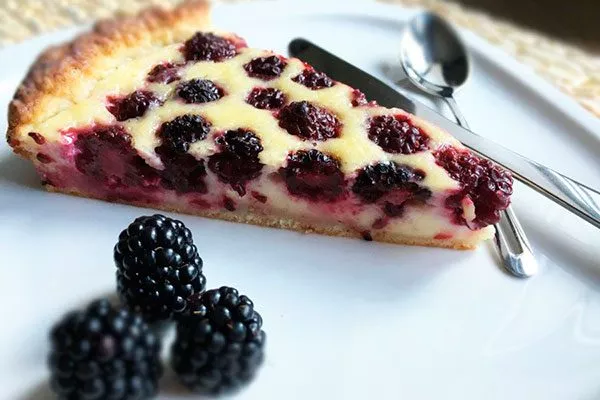
Black Satin reveals its flavor and aroma only when fully ripe. The berries are excellent for preserves, cooking, and eating fresh.
Disease/pest resistance
The variety exhibits resistance to insect infestations and infections. However, to prevent gray mold, the berries should be picked regularly.
Positive and negative aspects
Black Satin has a number of advantages, including the following:
However, the variety also has its disadvantages:
Reproduction methods
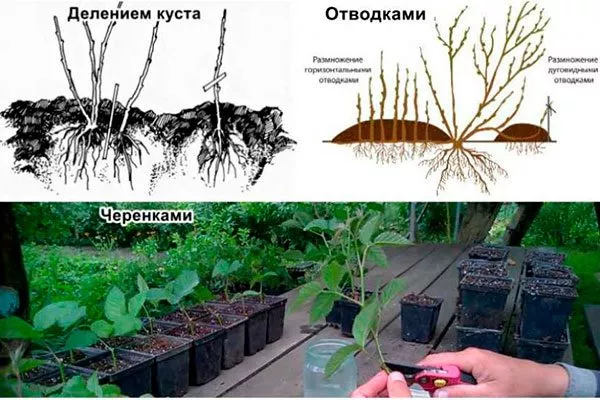
Layers or apical shoots are suitable for propagation, from which numerous young plants can be grown. Highly effective propagation methods include green and root cuttings, as well as division.
Landing rules
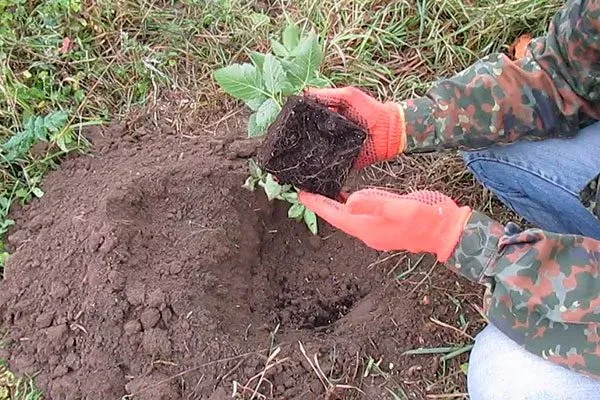
The best time for planting is spring (from the second ten days of April to the second ten days of May) or autumn (from the second ten days of September to the first ten days of October), depending on the climatic conditions of the region.
- ✓ The optimal soil acidity for Black Satin blackberries should be within the range of 5.5-6.5 pH.
- ✓ To prevent gray mold, it is necessary to ensure good air circulation around the bushes, avoiding dense plantings.
Important points:
- When choosing a planting site, keep in mind that the plant grows quickly and attracts insects with its flowers and berries. The site should be well-lit and shade-free, as this accelerates the ripening of the crop. Purely sandy soils are unsuitable, and excessive moisture can negatively affect the roots.
- Before planting, the soil is thoroughly dug up and cleared of weeds.
- The distance between the holes should be about 2.5-3.5 m, nutrients and fertilizers are added there.
- The seedlings are planted in moderately moist, warm soil and watered well after planting. A root circle is then formed and mulched with compost and peat.
Aftercare of the plant
Cultivation requires the use of supports to support the vines, as they are quite long and tend to root when in contact with the ground. Without proper bush training and regular pruning, the vines grow vertically and then bend toward the ground, which can quickly lead to the formation of impenetrable thickets.
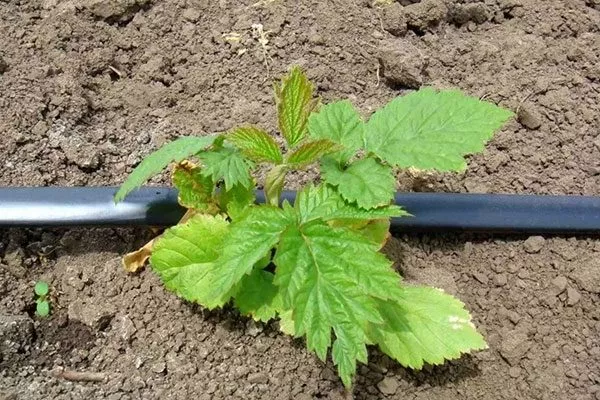
Basic care:
- Watering. Blackberries especially need regular and abundant watering, especially during the flowering and berry formation period.
- Top dressing. For various blackberry varieties, it's recommended to begin fertilizing 3-4 years after planting. However, for Black Satin, which develops foliage intensively, fertilization begins the following year:
- In spring, nitrogen fertilization is carried out;
- at the beginning of budding, use a complete mineral complex;
- then, until August, the grown plants are fed with a solution of mullein (in a ratio of 1:10) or green fertilizer (in a ratio of 1:4) with the addition of charcoal;
- In September, the emphasis is on phosphorus and potassium, with water-soluble potassium monophosphate being effective.
- Mulching. To keep the soil moist and loose, it's best to replace loosening with mulching using acidic peat or compost. This procedure is performed after the vines are placed on the supports, a second time after harvesting, and a third time before preparing for winter.
- Trimming. For fruiting, leave five strong, two-year-old shoots, and shorten the lateral stems to 35-40 cm. Weak and thinned shoots are removed completely. After fruiting has finished, remove old shoots before wintering.
Preparing for winter
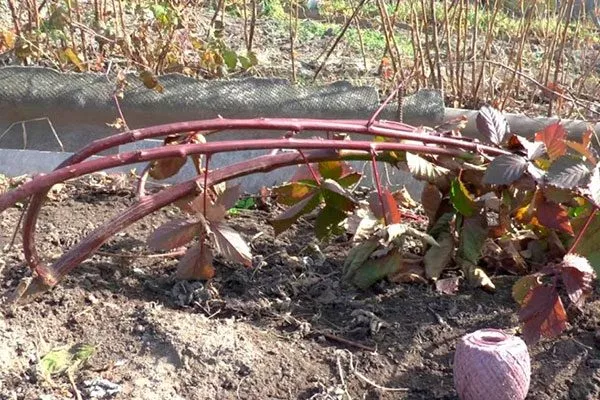
Before winter, remove all old canes that have finished fruiting by cutting them off at the base. The next step is to carefully remove the one-year-old shoots from their supports, bend them to the ground, and secure them. To protect against frost, cover the blackberries first with spruce branches or agrofibre, then cover with a layer of soil. Alternatively, you can build protective tunnels.
- At the end of September, carry out a moisture-charging watering to increase the winter hardiness of the bushes.
- After the first frost, insulate the root system with a 10-15 cm thick layer of mulch.
- Use agrofibre to cover the shoots, securing it in such a way as to prevent blowing.
Diseases and pests: prevention and control
Black Satin rarely suffers from diseases and pests. To minimize the risk, avoid planting blackberries near raspberries, strawberries, and nightshades. Preventative treatments in spring and fall with copper-containing products are sufficient.
Gray mold can be a problem for Black Satin blackberries. To prevent it, harvest the fruit every three days as it ripens.
Reviews
Black Satin is not suitable for large-scale cultivation due to its average flavor when underripe or overripe. However, for a small garden plot, this variety is ideal, especially if you can harvest the fruit twice a week.