
The Black Gem blackberry is a reliable variety for gardeners thanks to its high winter hardiness, making it suitable for cultivation even in regions with harsh winters. Abundant and regular harvests, accompanied by large, sweet berries, make this variety particularly attractive. To achieve good results, timely care is essential.
History of selection
It was developed in America in 1917 in the state of Arkansas. It quickly became popular and began to spread to other regions of the United States and beyond, including Russia.
Botanical presentation of the Black Jam blackberry
The bush has a compact size with straight, upright shoots, making it an ideal choice for limited space. Black Gem's appearance and characteristics include:
- Young shoots have a greenish tint, which becomes grayish over time.
- An adult bush reaches a height of about 1.5 m.
- The absence of thorns on the surface of the branches makes plant care and harvesting easier.
- The berries are large, weighing 20-25 g. They are conically elongated in shape and deep black in color. Their glossy texture makes them sparkle in the sun.
- The fruits have a distinct sweet taste with a barely noticeable sourness.
- The pulp is juicy, dense, and does not crack during transportation.
- ✓ The absence of thorns on the shoots makes care and harvesting easier.
- ✓ Conical-elongated berries with a glossy surface.
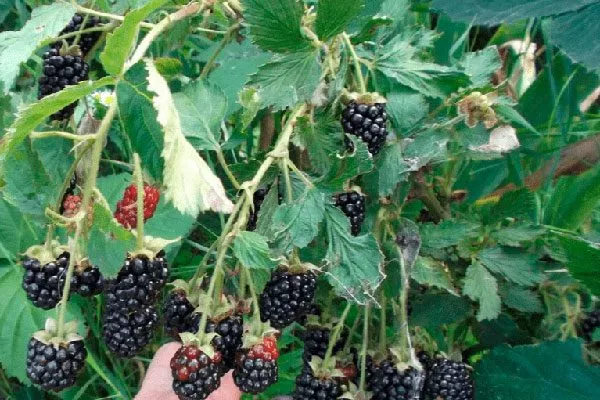
Characteristics of the Black Jam blackberry bush
This variety is known for its high yield, resistance to various diseases, and excellent winter hardiness. It's the perfect choice for those who want fresh berries throughout the summer and early fall.
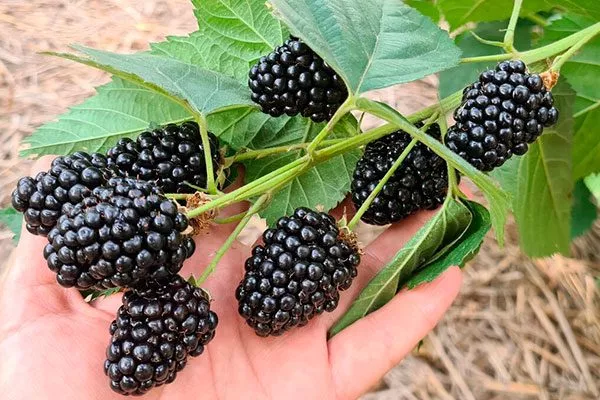
When it blooms and ripens, the yield
Black Gem blackberry is a remontant variety, producing fruit twice per season. The main wave of fruiting occurs in July, with a second wave occurring in late August and September. Flowering occurs in June and July. This variety is characterized by high yields, yielding up to 6.5 kg of berries per bush.
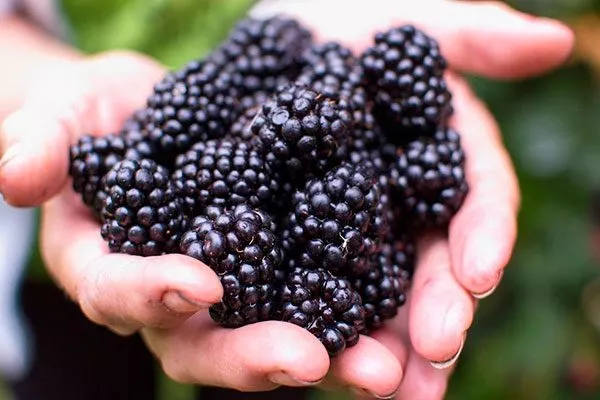
Resistance to drought and frost
It has high winter hardiness, able to withstand temperatures down to -28°C. In southern regions, young bushes successfully survive the winter without shelter. In colder regions, plants require shelter to protect them from the cold. The plant is sensitive to watering and requires regular moisture.
Resistance to diseases and pests
It is characterized by good immunity, but with improper care or unfavorable weather conditions, it can be susceptible to various diseases. The shrub is susceptible to the following diseases: purple spot, septoria leaf spot, gray mold, shoot botrytis, and others.
Bushes can be attacked by mole crickets, aphids, beetles, and other harmful insects. It's important to take preventative measures promptly to protect your plants.
Pros and cons of the variety
Despite its relatively recent appearance, Black Jam blackberries have already gained recognition for their benefits. The cultivar boasts the following positive qualities:
Among the disadvantages of this variety, gardeners note the poor shelf life of the berries and the need for shelter in regions with harsh winters.
Landing features
You can plant a seedling in open ground in either spring or fall. If you plant in April, you can harvest it later that year. Fall planting has its advantages: the seedling has time to establish roots before winter and begins vigorous growth quickly in the spring.
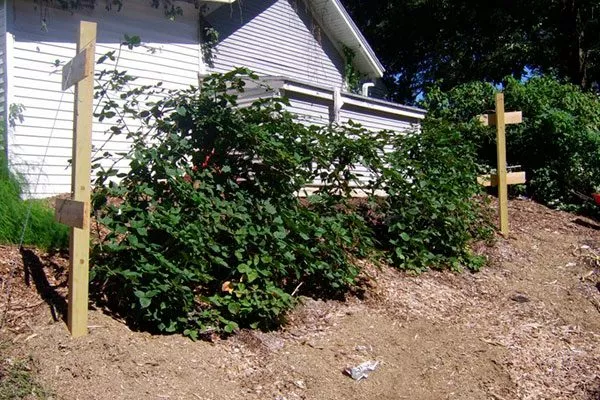
When choosing a landing site, consider several criteria:
- good lighting;
- fertile and loose soil;
- neutral or slightly acidic environment (pH = 6-7);
- protection from drafts;
- no stagnant water (it is better to avoid lowlands).
Before planting, clear and dig the area. Add compost, humus, or complex mineral fertilizer to the soil. For heavy clay soil, add sawdust, vermiculite, or sand.
Step-by-step algorithm:
- Prepare a hole measuring 50x50 cm.
- Place a small layer of small stones on the bottom.
- Place the seedling in the center of the hole and sprinkle with fertile soil.
- After compaction, the root collar should be at a shallow depth (2-3 cm).
- After planting, water with 10 liters of settled water.
- Apply a layer of mulch: sawdust, hay, straw, needles, etc.
- ✓ The optimal soil temperature for rooting should not be below +10°C.
- ✓ The planting depth of the root collar must be strictly maintained at 2-3 cm to prevent rotting.
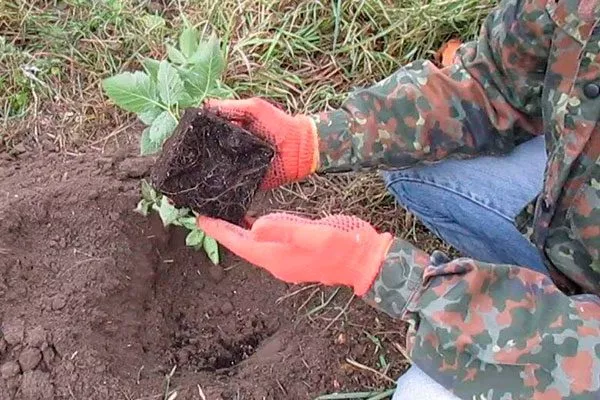
When planting several seedlings, leave a distance of at least 2 m between them to prevent them from growing too densely and causing subsequent problems with care.
Care instructions
Growing this crop doesn't require complex agricultural skills. Follow these guidelines:
- Watering. Provide regular and sufficient watering. If there has been no rain, water the plant weekly. Young seedlings require at least 5 liters, while mature plants require 10 to 20 liters. The water should be settled, and the surface soil should be allowed to dry out.
- Loosening and weeding. After watering or heavy rain, loosen the soil and weed. To retain soil moisture, mulching the trunk area with straw, sawdust, pine needles, and other natural materials is recommended.
- Top dressing. Given the remontant nature of this variety with two fruiting waves, fertilize regularly every 3-4 weeks. In spring, use ammonium nitrate or urea, and during flowering, superphosphate and potassium sulfate. After harvesting in the fall, fertilize with wood ash.
- Protection from diseases and pests. In early spring, carry out preventative treatment against diseases and pests using fungicides: Bordeaux mixture, HOM, Fundazol, Ridomil Gold, etc.
- Trimming. In spring, carry out sanitary pruning; in autumn, trim, thin out the crown and remove old shoots.
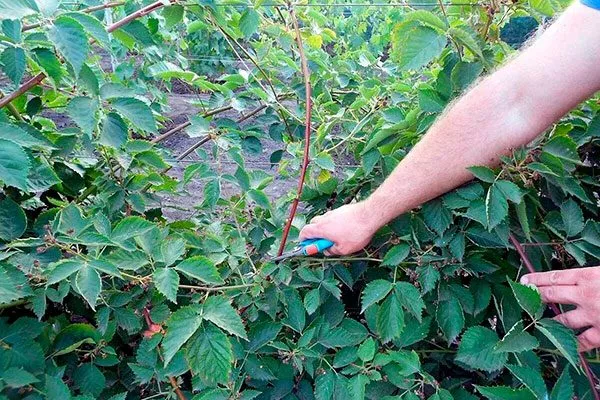
In cold regions, provide good cover. Remove branches from supports, bend them to the ground, and cover with sawdust, straw, and agrofibre.
Methods of reproduction
Black Jam blackberries can be propagated in a variety of ways, including by sowing seeds. Vegetative methods are most often preferred, as they are easier to implement, allow for the preservation of all varietal characteristics, and allow for the rapid achievement of the desired result.
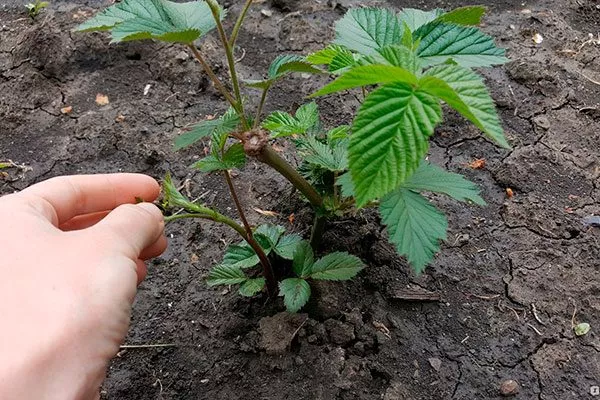
Among the vegetative methods of propagating Black Gem blackberries, the most popular are:
- Green cuttings. Take cuttings from mature bushes at the end of May. Plant them in fertile, moist soil until autumn, then mulch. Transplant the seedlings to their permanent location the following spring.
- Root suckers. Select several root suckers growing near the main bush. Cut them back to at least 30 cm in length, then plant them in fertile soil, water, and feed.
- Dividing the bush. In the spring, dig up the bush and divide its rhizome into several sections, making sure each section has several healthy shoots. Plant them in separate holes.
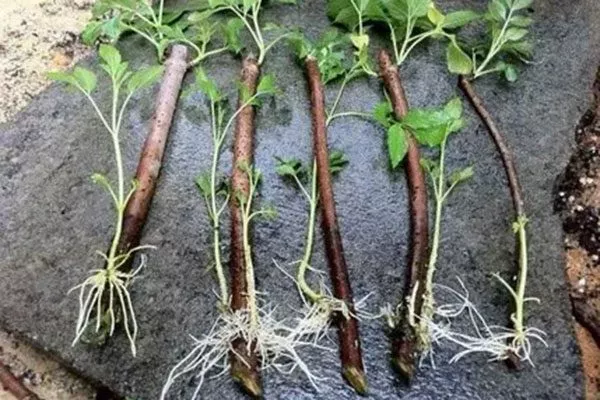
The choice of propagation method depends on conditions and personal preference. These methods allow you to effectively increase the number of plants at home.
Gardener reviews of Black Jam blackberries
Black Gem blackberry is a popular variety that has earned the trust of many gardeners across the country. It is distinguished by its high winter hardiness and possesses numerous positive varietal characteristics. Proper care is essential to ensure a good harvest and strong immunity.