
The Cinderella melon is winter-hardy and disease-resistant, producing large, versatile fruits. Growing it is easy and requires minimal time. This variety can produce a bountiful harvest with proper care.
Who developed the variety and when?
In 2005, it was bred by the director of the Kuban experimental station of VIR and the famous breeder Genrikh Adamovich Tehanovich.
Description of the Cinderella melon plant and fruit
The plant forms a long, creeping stem, reaching up to 2 m in length, with a rounded, faceted shape and numerous offshoots. Female flowers appear on the second- and third-order shoots.
Distinguishing features:
- The leaves are large, with serrated edges, and grow together with tendrils from nodal structures. Their surface is corrugated with fine hairs, with light veins clearly visible against a dark green background.
- The flowers are large, bright yellow, and bisexual.
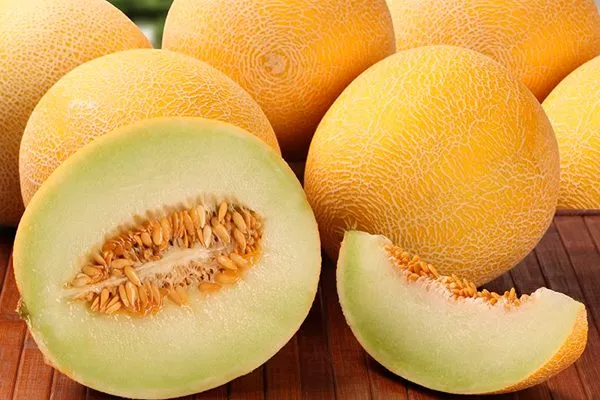
- The fruits are round in shape, weighing up to 2 kg and measuring 20 cm in diameter. Their surface is smooth, without ribbing.
Characteristics
The Cinderella melon has many positive qualities. Its varietal characteristics and features make it a popular choice for cultivation in our country.
Taste and purpose
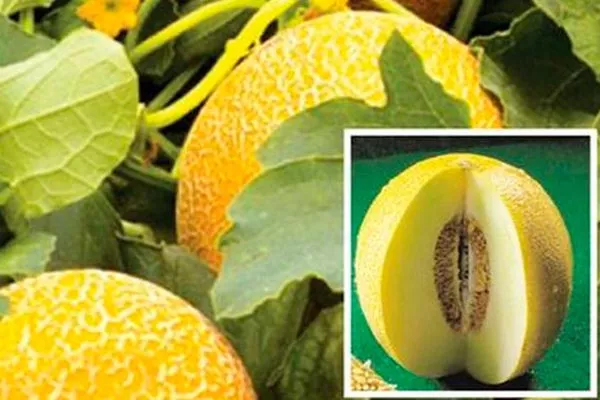
The seed pod is compact and closed, and the seeds themselves are narrowly oval and ivory-colored. The flesh is tender but crisp, light cream in color, and suitable for pickling, drying, or curing.
Ripening and yield
From seeding to full maturity, it takes 60-72 days. A single bush can yield 4-5 melons per season. With commercial cultivation, this figure increases to 120-134 centners per hectare.
Growing regions
The crop is grown in the Urals, Northern, and Northwestern regions of the country. Recommended growing regions include:
- Middle Volga;
- Volga-Vyatka;
- Central;
- Lower Volga;
- Central Black Earth;
- North Caucasian;
- West Siberian;
- East Siberian.
It takes root and grows well in the Far Eastern region.
Pros and cons of the Cinderella melon variety
This variety exhibits high tolerance to daytime and nighttime temperature fluctuations, continuing to grow even at +18°C. It produces a stable harvest and can be grown as a vine on a trellis.
Advantages of the variety:
The crop has some disadvantages. These include a short shelf life, poor transportability, the need for bee pollination to produce fruit, sensitivity to waterlogged soil, and an inability to provide adequate planting material.
Agricultural technology
Planting begins when the soil temperature has stabilized at 16°C. This typically occurs in late April or late May, depending on the region. It is recommended to select a planting site after legumes, cabbage, or potatoes. The soil should be loosened and fertilized before planting.
- ✓ Soil pH should be between 6.0-6.8 for optimal growth.
- ✓ The soil must be well-drained to avoid over-watering the root system.
Growing from seedlings
Growing pumpkins from seedlings is an effective way to get an earlier and more abundant harvest. The growing process begins with preparing the seeds and planting them in containers or pots several weeks before the expected planting date.
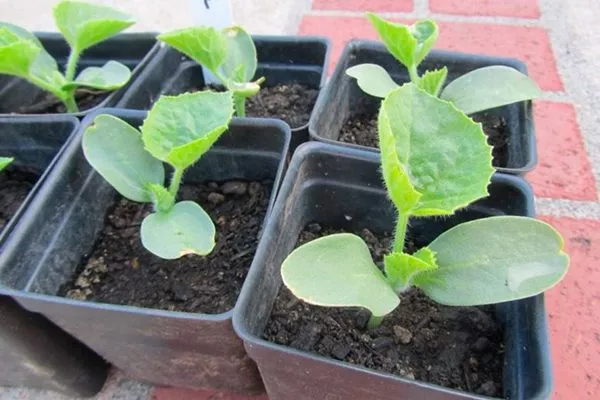
- Sprout pumpkin seeds before planting. To do this, soak them in water for several hours or days until roots appear. This helps increase germination and speed up the start of growth.
- Fill prepared containers or pots with nutritious soil, then make small holes and place the sprouted seeds into them at a depth of about 2-3 cm. Water the soil and provide warmth and light for germination.
- Maintain soil moisture regularly, but avoid allowing it to dry out or become overwatered. Once the seedlings reach a certain size and are established, transplant them into the ground. This usually occurs 3-4 weeks after sprouting.
- Before planting seedlings, prepare the soil, loosen it thoroughly, and fertilize it with organic matter. Maintain a distance of approximately 1-1.5 m between plants to ensure adequate space for growth and development.
In cold regions, you can harden off seedlings by placing the pots in a room with a temperature of 15°C for several hours. Repeat this process several times.
Growing in a greenhouse
In greenhouses, vertical growing is often used, with plants tied to pre-installed trellises. Dig holes at least 70 cm apart and loosen the soil beforehand.
- Check and adjust the ventilation system to prevent fungal diseases.
- Install trellises at least 70 cm apart before planting.
Add fertilizer to each planting hole: diluted manure, ash, or compost. When planting the seedlings, be careful not to damage the delicate root system.
Growing in open ground
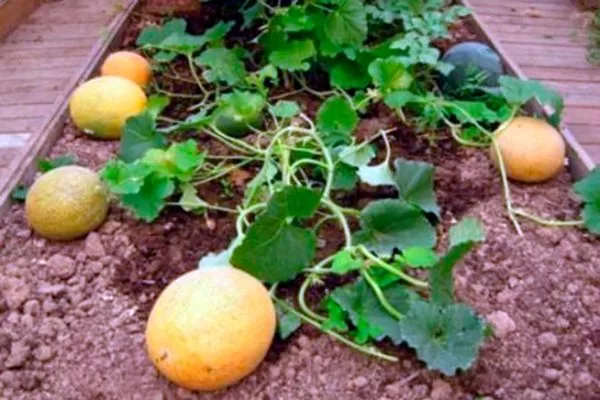
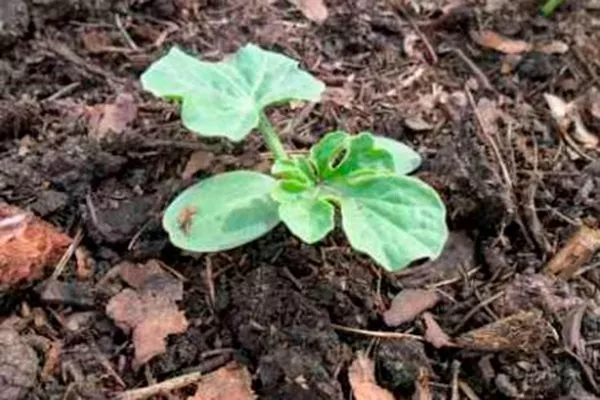
For planting, choose an open, well-lit, warm location that's not too damp. Avoid low-lying areas where water can stagnate. Loosen the soil and make furrows at least 60 cm apart.
Harvesting
Harvest after full ripeness or at the technical maturity stage. Fully ripened fruits have a bright yellow hue with no green area near the stem, their tops are soft, and they have a characteristic melon aroma.
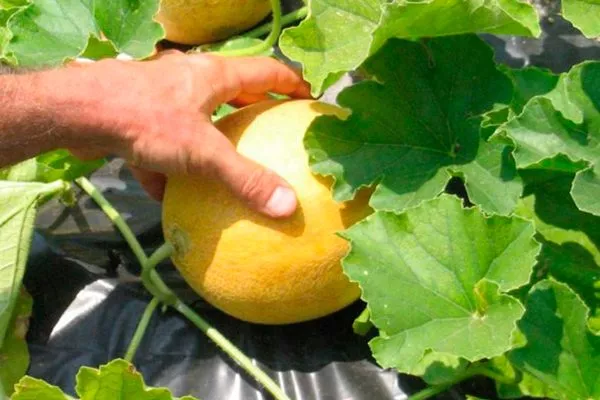
Ripe melons don't keep for long. If storage is necessary, pick unripe melons and store them in a dark, well-ventilated place for 1.5 weeks. After this time, they will ripen, and their taste and appearance will become virtually indistinguishable from fully ripened melons grown in the garden.
Storage rules
Fruit storage must comply with certain standards. Follow these recommendations:
- Store at a temperature of 10 to 15°C and a relative humidity of approximately 60-70%. Too low a temperature may cause spoilage and loss of flavor.
- Ensure good ventilation to prevent rot and mold. Store melons on slatted surfaces or in ventilated boxes.
- Remove damaged specimens. Check periodically for damage or spoilage. Remove such fruits immediately to prevent the spread of rot.
- Avoid contact with other fruits, as they may release ethylene gas, which promotes accelerated ripening and spoilage.
- When stored properly, melons can last for several weeks. Their freshness and flavor will be best in the first 1-2 weeks after harvest.
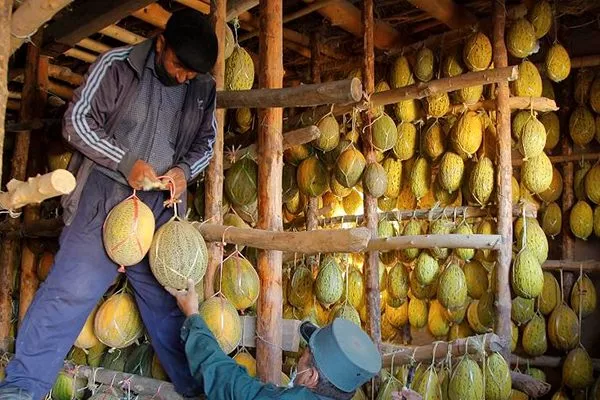
By following these recommendations, you can extend the shelf life and maintain the quality of your Cinderella melon for a long time.
Diseases and pests
This variety is specially adapted for growing in regions with short, often cold summers. It has strong immunity to most diseases typical for this crop. Pests rarely attack it.
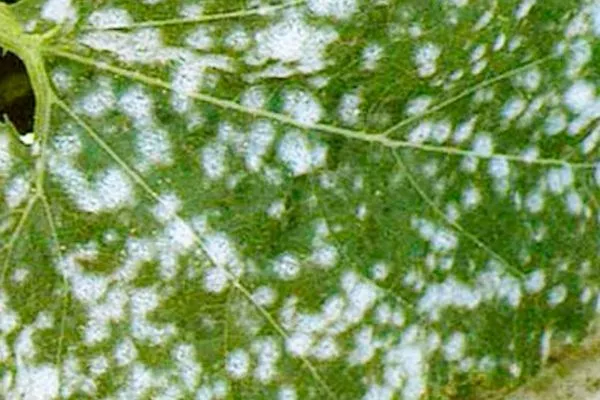
If humidity is high and temperatures are insufficient, pumpkins can be susceptible to a fungal infection called powdery mildew. It appears as gray spots on the stems and leaves, which darken and dry out over time. To combat the infection, remove the affected areas and treat the plants with a colloidal sulfur solution.
Reviews of the Cinderella melon
The Cinderella melon is a winter-hardy variety with many positive varietal characteristics. It has gained popularity due to its resistance to numerous diseases. It is grown by both novice and experienced gardeners because it is easy to grow. Care plays an important role in ensuring a good yield and quality of the fruit.