
Melon is a melon crop native to Central Asia. Thanks to selective breeding, this sweet fruit now grows not only in the hot Uzbek sun but also in Russia. Today, there are many varieties that thrive in regions with short, cool summers.
Early
For climate zones with short summers, early-ripening melons are best suited. Early-ripening varieties have a fast ripening cycle—from planting to harvest, they take no more than 70 days. These varieties can be grown not only from seedlings, but also from by planting in open groundThey bear fruit well in conditions of high humidity, low temperatures, and minimal sunlight.
| Name | Ripening period, days | Fruit weight, kg | Pulp color |
|---|---|---|---|
| Ethiopian | 70-80 | 2.5-3.5 | light yellow |
| Caramel F1 | 60 | 1.8-3 | cream |
| Done | 65-75 | 1.5-2.5 | cream |
| Princess Svetlana F1 | 70 | 2 | creamy-whitish |
| F1 Passport | 70-75 | 2-3.5 | light green |
| Dune | 60-75 | 1.5-3 | light cream |
| Aikido F1 | 70 | 2 | light green |
| Raymond | 70-75 | 4-6 | creamy yellow |
| Banana melon | 60-65 | 4-6 | golden |
| Amal | 60-70 | 3 | creamy yellow |
| Cinderella | 50 | 1.5-2.5 | white or greenish-white |
| A Sybarite's Dream | 60-70 | 0.3-0.7 | white |
| Iroquois F1 | 70-80 | 1.2-1.7 | orange |
| Seryozhka's love | 65-75 | 1-2 | yellow |
| Fairy tale | 58-62 | 1-1.4 | white |
| Tamanskaya | 55-75 | 0.5-1.3 | cream |
| Galileo F1 | 70-80 | 1.5 | greenish-white |
| American Pineapple Melon | 65 | 2 | white with a creamy tint |
| Radmila (Medetli) F1 | 60-70 | 2 | white |
| Cappuccino | 70-75 | 1 | snow-white |
| Miron F1 | 55-60 | 3-5 | white |
| Canaria | 60-70 | 1.5-3 | light green |
| Tavrichanka | 70 | 1.8 | white |
Ethiopian
This mid-early, self-fertile variety is among the top five most delicious melons. "Ethiopka" is a product of Russian selection and was included in the State Register in 2013. Ripening period is 70-80 days.
Description. Fruit weight is 2.5–3.5 kg, with a maximum of 7 kg. The skin is medium-thick, yellow, rough, and covered with a fine mesh. The flesh is buttery and juicy, light yellow in color, with a strong honey aroma. The fruit shape is round-oval.
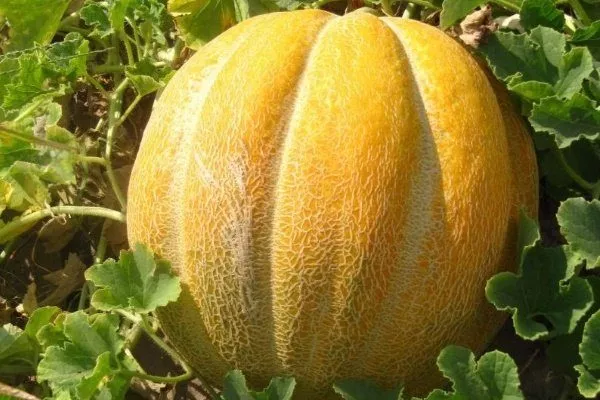
Peculiarities. It is distinguished by its highly similar sprouts and large fruits. Unlike many varieties, 'Ethiopka' is not susceptible to sunburn. The flavor is unusual, exotic, and without astringency. The variety is drought-resistant and stores and transports well. It lacks resistance to fungal diseases. Yields range from 90 to 145 c/ha.
Caramel F1
A hybrid of the Pineapple Melon. It was bred specifically for commercial cultivation. Suitable for home gardens and small-scale production. Ripens in 60 days.
Description. The fruits are large and oval. The skin is yellow or light brown, covered with a coarse mesh. The flesh is creamy and aromatic. Weight: 1.8 to 3 kg. Fruit length: 15-20 cm.
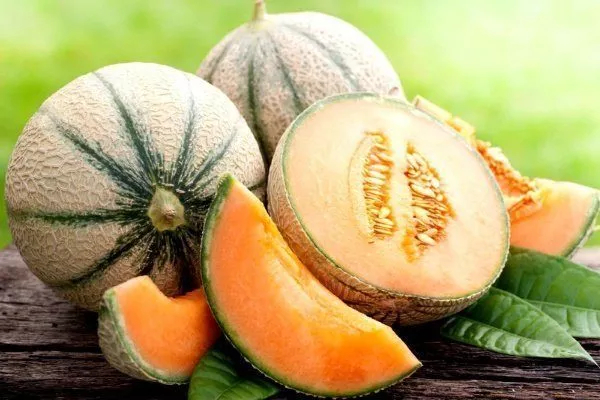
Peculiarities. Intended for warm climates; in colder regions, the hybrid is grown only from seedlings. The flesh has a caramel flavor. The thick skin makes the fruit easy to transport. Yields up to 90 centners per hectare.
Done
A highly productive pineapple melon hybrid. Belongs to the early-ripening category. Ripening period: 65-75 days.
Description. The oval-shaped fruits are dark yellow with a slight orange tint. They weigh 1.5-2.5 kg. The surface is covered with a net. The flesh is creamy, delicate, and free of green matter. Sugar content is 8.8%.
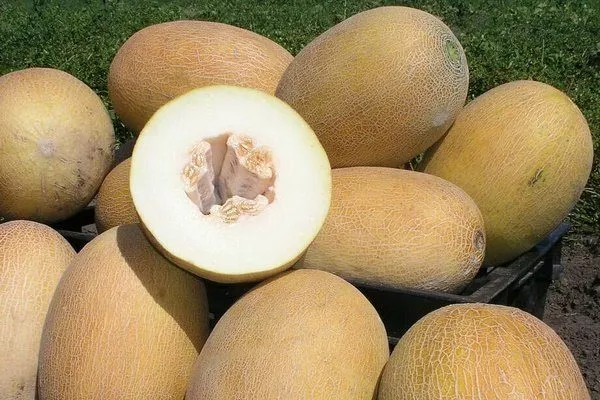
Peculiarities. Attractive presentation, excellent taste, and rich aroma. Resistance to diseases and temperature fluctuations. Yields up to 300 c/ha.
Princess Svetlana F1
An early hybrid. Fruit ripens in 70 days. Suitable for growing under plastic covers.
Description. The fruits are round, with smooth, creamy-white skin. They weigh 2 kg. The flesh is the same color as the skin. The flesh is firm and juicy.
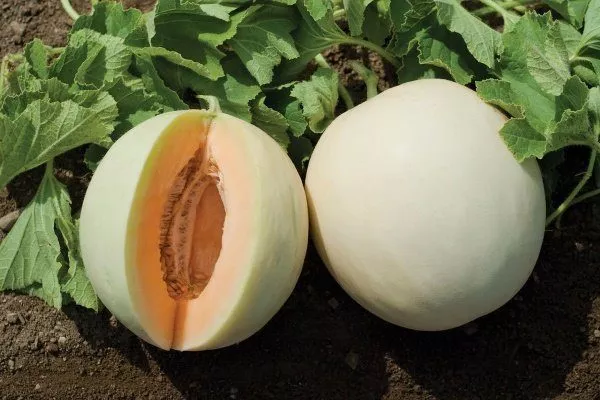
Peculiarities. Resistant to anthracnose and powdery mildew. It tolerates short-term cold spells well. Suitable not only for fresh consumption but also for processing, this hybrid is used to make candied fruit. It is recommended for drying, curing, and making marmalade. It has an attractive marketable appearance and does not spoil during transportation. Up to 6.5 kg of melons can be harvested per square meter.
F1 Passport
An ultra-early maturing hybrid. Suitable for both private and commercial cultivation. Ripens in 70-75 days.
Description. The melons are round and yellow-brown. They weigh 2-3.5 kg. The flesh is light green and particularly sweet. The rind is smooth and covered with a continuous mesh.
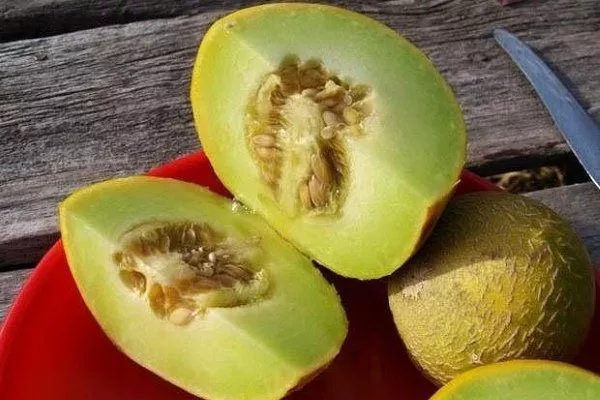
Peculiarities. To produce larger melons, the number of ovaries is reduced. By leaving all the ovaries, many small melons are harvested, which are used for pickling or canning. Fruits that have turned yellow but are not yet fully ripe are harvested; they ripen in 2-3 months. Commercial yields are up to 180 centners per hectare. After harvesting, the fruits retain their marketable quality for 7 days.
Dune
An early frost-resistant variety that ripens in 60-75 days.
Description. Oval, dark yellow fruits covered with a continuous mesh. The flesh is light cream, dense, and slightly grainy. Weight: 1.5-3 kg, up to 5 kg under favorable conditions. The fruit is oval in shape, with a smooth surface covered with a continuous mesh. The flesh is very juicy, aromatic, and delicious.
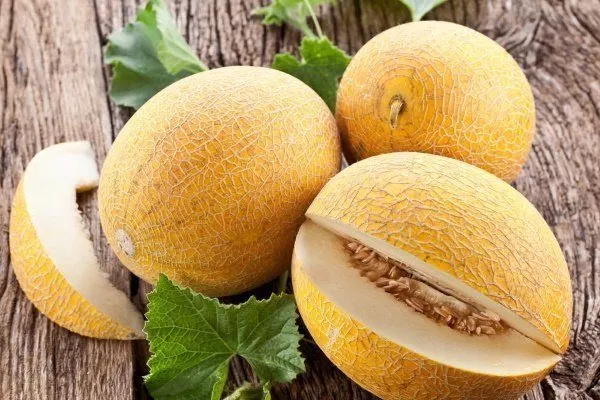
Peculiarities. Excellent flavor and good transportability. Yields reach 400 c/ha with irrigation. Good storage properties and resistance to diseases and pests. The fruit has a high marketable quality.
Aikido F1
One of the best hybrids for growing in Russia. Ripens in short summer conditions. Grows well in the central regions. Ripens in 70 days.
Description. Weight: 2 kg. The rind is bright yellow and dense. The flesh is light green.
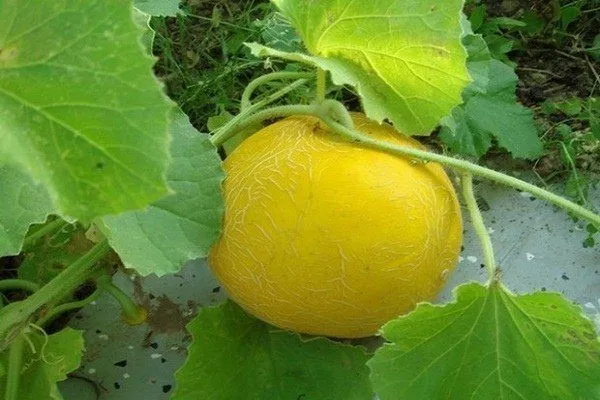
Peculiarities. Exceptionally sweet and aromatic fruits. A stress-resistant hybrid variety. Yields up to 120 centners per hectare.
Raymond
This Israeli pineapple-type hybrid is mid-early, ripening in 70-75 days. Very similar in appearance to the "Torpedo" variety, these are the largest and tastiest melons that can be grown in the Moscow region.
Description. The ochre-yellow, oblong fruits are covered with a clearly visible mesh. They weigh 4-6 kg, up to 10 kg in southern regions. The flesh is creamy yellow. The seed chamber is small, and the aroma is intense.
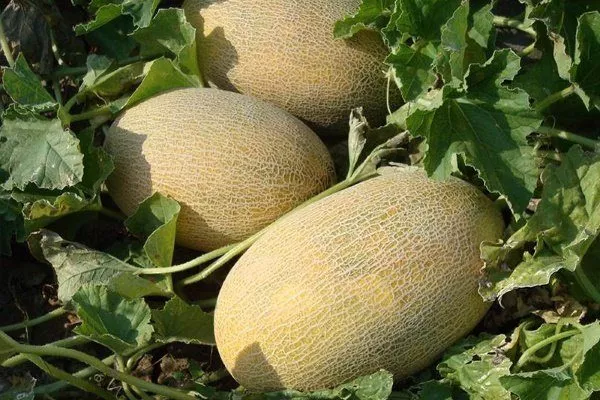
Peculiarities. Refined flavor, sweet, high in sugar – up to 13%. Resistant to powdery mildew and fusarium. Raymond F1 prefers warmth; in cool summers, the fruits lose their sweetness. Up to 5-6 melons grow on a single plant. Superior in flavor to most varieties, it is the main competitor of "Torpedo." It tolerates transportation well, and the fruits retain their marketable quality for 30-40 days after harvest. Yield: 280-340 c/ha.
Banana melon
An early-ripening hybrid with excellent flavor. This exotic variety is grown under plastic and in open ground. Fruiting begins 60-65 days after germination.
Description. Oval, light green fruits weighing 4-6 kg. One plant produces three melons. The rind is covered with a faint mesh. The shape is unusual – very elongated fruits, flattened on the sides. The length of the fruit is up to 80 cm. The flesh is golden.
Peculiarities. The pulp has a unique banana-like flavor, and its consistency is similar to banana. Yields vary depending on growing conditions and irrigation, ranging from 80 to 300 centners per hectare.
Amal
An early hybrid with a short growing season. Large-fruited, high-yielding.
Description. The oval fruits are creamy-yellow in color, weighing approximately 3 kg. The skin is covered with a netted texture, and the flesh is also creamy-yellow, albeit a more intense shade. The flesh is sweet, and the seed bed takes up very little space. Yields are up to 14 kg per square meter. When grown commercially, they yield up to 550 c/ha.
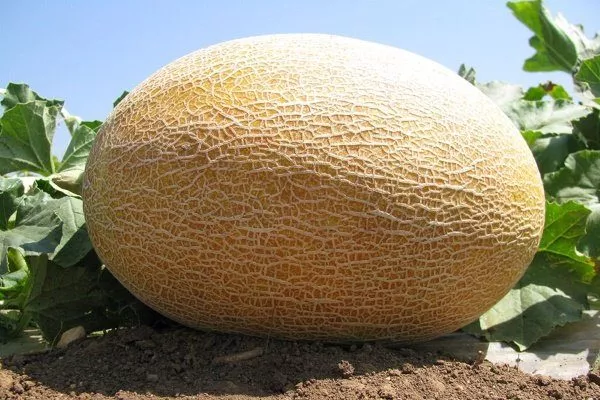
Peculiarities. Resistance to major melon diseases. Transports well thanks to its thick skin. It does not tolerate low temperatures well, but this disadvantage, to varying degrees, is common to all melon varieties.
Cinderella
This unpretentious and high-yielding variety is considered ultra-early – its fruits ripen in just 50 days.
Description. The fruits are spherical, slightly elongated. The skin is light yellow, covered with a white mesh. The rind is thin and smooth. Weight: 1.5-2.5 kg. The flesh is white or greenish-white, juicy and aromatic, but inferior in sweetness to many popular varieties.
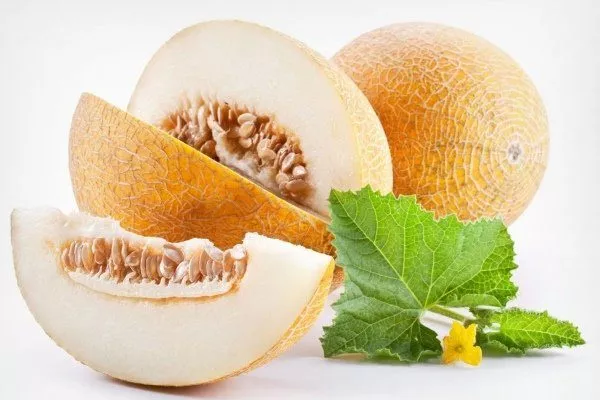
Peculiarities. Disease resistance. Tolerates drought well. Stores and transports poorly. Up to 4 kg of melons can be grown per square meter.
A Sybarite's Dream
New. For those interested in unusual and less common varieties. Also known as "Lazy Man's Dream." A Korean variety, early maturing and easy to grow.
Description. Fruit weight: 0.3-0.4 kg, maximum 0.7 kg. Bright yellow, aromatic fruits with white, crunchy flesh. Green stripes on a yellow background. Very sweet, honey-like flavor.
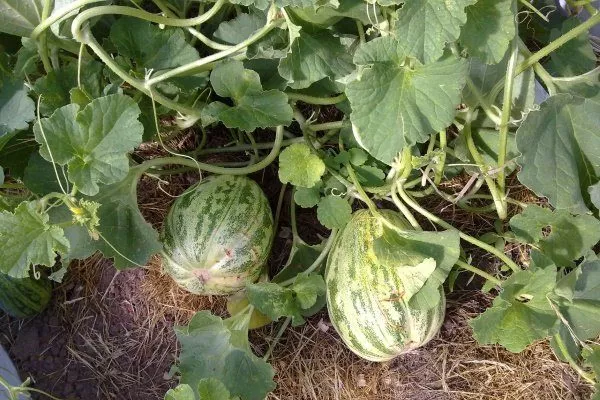
Peculiarities. It tolerates extreme conditions, such as drought and cold, very well. It grows quickly and is virtually disease-free. A single plant yields up to 20 melons. It produces continuously until frost.
Iroquois F1
This hybrid belongs to the Cantaloupe melon variety. It ripens mid-early, from germination to first fruit, taking 70-80 days.
Description. The flesh is orange and tender. Weight: 1.2-1.7 kg. The melons are spherical with a segmented surface. The rind is greenish-beige. The white flesh has a firm consistency, is juicy and sweet, and emits a rich melon aroma.
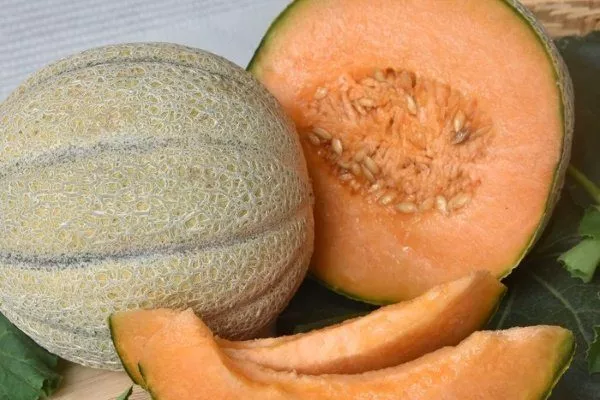
Peculiarities. 7-8 kg of fruit are harvested per square meter. This hybrid is tasty and productive. It is immune to fusarium and powdery mildew and tolerates adverse conditions. A drawback is that the fruit quickly loses sweetness, and the flavor deteriorates. This hybrid is not suitable for long-term storage.
Seryozhka's love
An early-ripening melon from Altai breeders. Ripens in 65-75 days.
Description. The fruit is elongated-oval. The skin is yellow-orange. Weight: 1-2 kg. The flesh is yellow, with a melon aroma. The flesh is juicy, sweet, and rich in carotene and sugar.
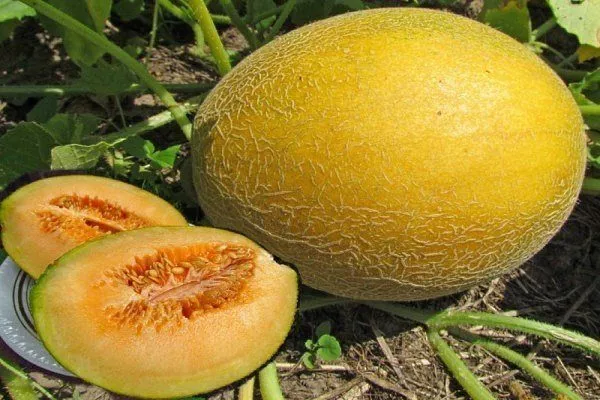
Peculiarities. Grown in open ground and under plastic covers. An undemanding variety.
Fairy tale
An early variety, ripening in 58-62 days. Ideal for growing in temperate climates. If grown from seedlings, these melons will produce fruit even in northern latitudes.
Description. The elliptical fruits are yellow. The juicy and sweet flesh is white. They weigh 1-1.4 kg. There is no pattern on the surface, but sometimes a fine mesh pattern appears near the stem.
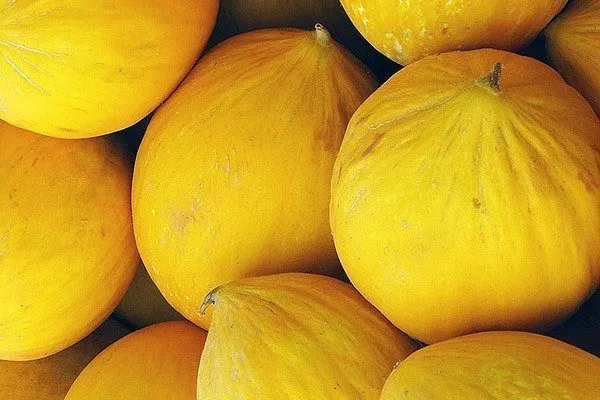
Peculiarities. Characterized by uniform fruit ripening and compact plants, it boasts high-quality flavor and resistance to powdery mildew. Marketability is average. It is recommended for candied fruit, jam, preserves, and other preserves and desserts. It is resistant to night frosts and diseases common to melons. The yield per square meter is approximately 3 kg.
Tamanskaya
This early variety is prized for its productivity, ease of cultivation, and excellent flavor. Fruit ripens in 55-75 days.
Description. The fruits are oval, yellow, and have a thin, mesh-like skin. The flesh is creamy, tender, grainy, crumbly, and juicy, with a honey-like flavor. They weigh 0.5-1.3 kg.
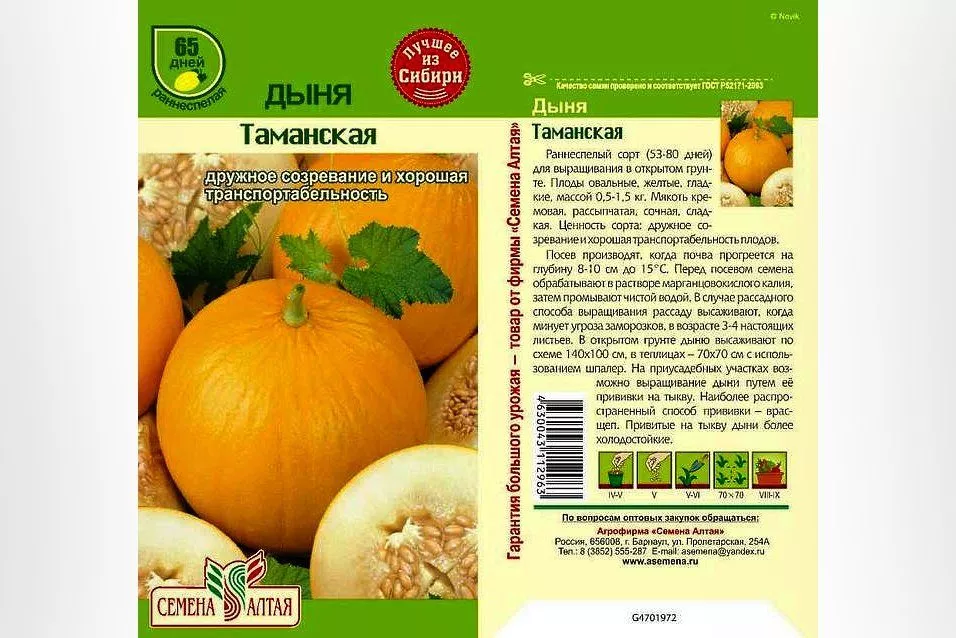
Peculiarities. One plant produces three full-sized melons. This variety is ideal for fresh consumption. The melon has excellent marketability and transports well. A yield of 170 centners per hectare is achieved. The variety is resistant to many diseases that affect melons.
Galileo F1
Mid-early hybrid of the first generation.
Description. Attractive and appetizing, the fruits are smooth, round, and deep yellow. The surface is covered with a mesh. The flesh is aromatic, tender, and greenish-white. Fruits weigh up to 1.5 kg.
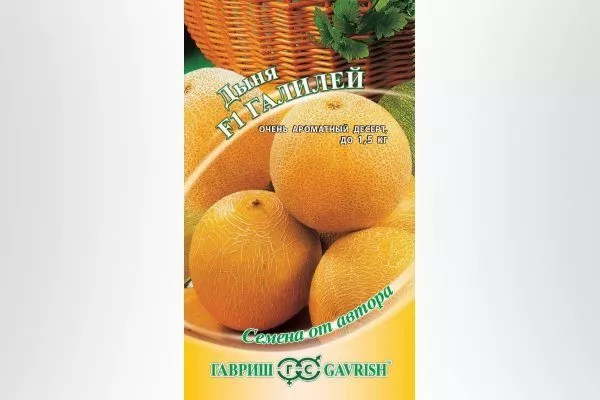
Peculiarities. Easily tolerating temperature fluctuations, it thrives in central Russia. It is virtually immune to powdery mildew and is resistant to downy mildew. This variety combines ease of maintenance and high yield with excellent marketability. Up to 2.3 kg of fruit can be harvested per square meter.
American Pineapple Melon
The Ananas variety is represented by numerous subspecies and hybrids. All share one common trait: a distinctive pineapple flavor. Pineapple varieties thrive in warm weather; in northern regions, they are grown as seedlings or in greenhouses. All Ananas subspecies are primarily mid-early, with the harvest ripening in approximately 65 days.
The American Pineapple Melon is just one of the hybrids of the Pineapple variety and one of the earliest varieties.
Description. Small oval fruits with beige-greenish skin covered with a dense mesh. The flesh is white with a creamy tint. The texture is extremely tender, and the flesh exudes a delicate aroma. Weighs up to 2 kg.
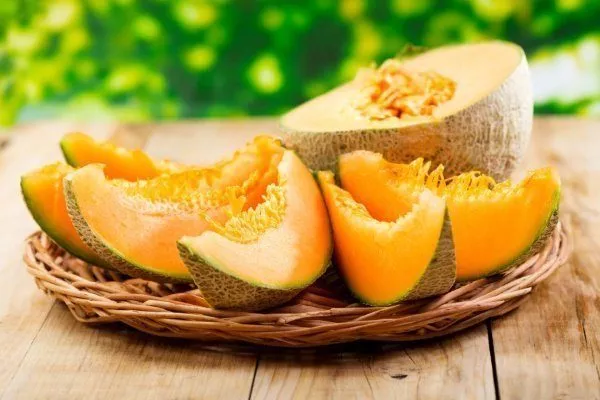
Peculiarities. One plant produces 3-5 fruits. The fruits are small, individual portions, and have excellent shelf life.
Radmila (Medetli) F1
This ultra-early hybrid combines high-quality fruit with exceptional disease resistance. It is the earliest hybrid melon variety bred abroad.
Description. The fruit weighs 2 kg. The shape is oval, the skin is yellow, and the mesh is clearly visible across the entire surface. The flesh is sweet and firm.
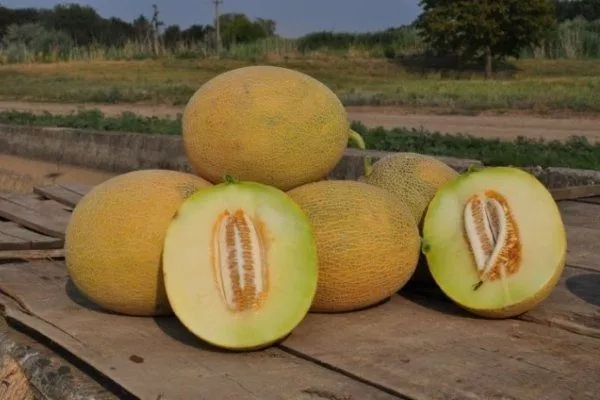
Peculiarities. One plant produces up to 5 melons. Transports well.
Cappuccino
A dessert variety for outdoor cultivation in Siberian conditions. Ripens in 70-75 days.
Description. The fruits are round-oval, weighing 1 kg. The rind is thin and creamy in color. The mesh is clearly visible. The flesh is tender, snow-white, and has an exquisite flavor.
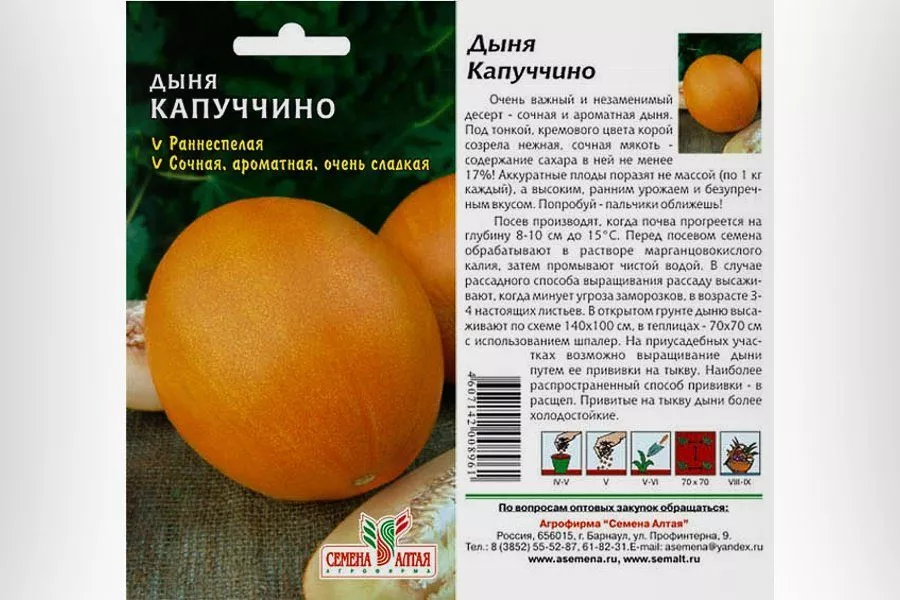
Peculiarities. They are planted as seedlings or directly into open ground. Sugar content is approximately 17%. A single bush can produce up to 15 kg of fruit.
Miron F1
An early-ripening, large-fruited first-generation hybrid. Suitable for fresh consumption. Ripens in 55-60 days.
Description. The fruits are dark yellow with a grayish tint. The skin is slightly segmented. The shape is oval. The juicy, crisp, and dense flesh is white. Weight: 3-5 kg.
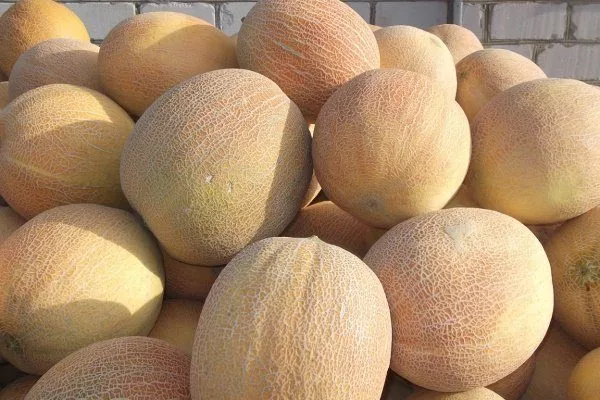
Peculiarities. Disease immunity – virtually immune to fusarium and powdery mildew. High sugar content – up to 16%. This hybrid is ideal for commercial cultivation – the fruits are attractive, tasty, and transport well. The hybrid adapts well to climate change and is grown in both southern and northern regions – from the Krasnodar Territory to Siberia.
Canaria
Super early hybrid melon – ripening takes 60-70 days.
Description. Weight: 1.5-3 kg. Oval fruits with a smooth surface, without a net. Color: bright yellow, slightly pubescent. The fruits have aromatic, light green flesh. The taste is excellent, with honey notes.
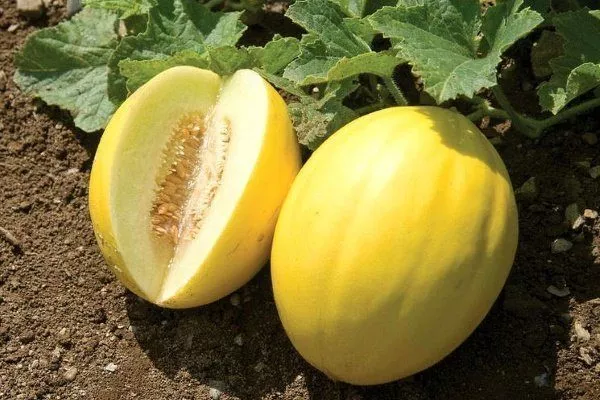
Peculiarities. It doesn't crack during transport. This variety is ideal for commercial cultivation. A versatile choice, "Kanaria" is eaten fresh, candied, and used for preserves, jam, and marmalade. It is virtually immune to anthracnose, powdery mildew, and fusarium. Approximately 2 kg of melons can be harvested per square meter. Greenhouse cultivation is recommended, as this variety requires warmth and light. The plant is supported by trellises.
Tavrichanka
This early variety, developed by Kherson breeders, is considered one of the most delicious. It ripens in 70 days.
Description. The melon is spherical, orange, and has white flesh. The rind is either completely or partially covered with a net. The flesh is sweet and crisp. The average fruit weight is 1.8 kg. Yields without irrigation reach 195 c/ha. Sugar content is almost 13%.
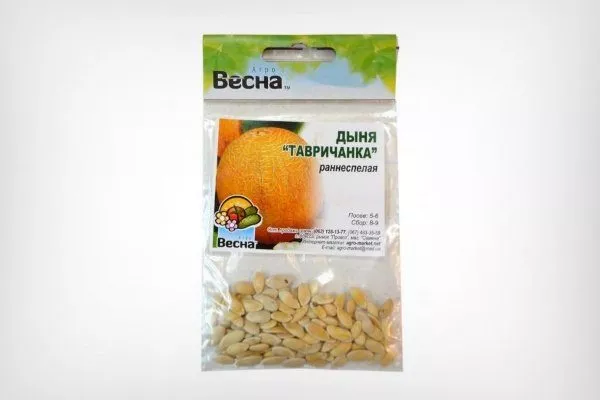
Peculiarities. It copes well with drought conditions, transports well, and has an ideal marketable appearance. This variety has a high tasting score of 4.7 out of 5. It is resistant to cracking.
Mid-season
The ripening period of mid-season varieties is on average 20 days longer than that of early-season varieties, lasting 80-90 days. If the weather is warm and sunny, ripening occurs one to two weeks earlier, in 70-80 days.
- ✓ Resistance to low temperatures during the growing season.
- ✓ Ability to ripen quickly in short summer conditions.
- ✓ Resistance to high humidity.
Collective farmer
This oldest variety has been known to Russian gardeners for over 80 years. It was added to the State Register in 1943 and developed in 1939. It is grown throughout Russia, except for the Northern and Northwestern regions.
Description. The fruits are small, weighing 0.8-1.5 kg. They are spherical in shape and average 20 cm in diameter. They have a true melon flavor. They have a high sugar content—up to 12%. The peel is yellow, sometimes with a greenish tint. The rind can be covered in a net-like pattern in places. The flesh is white and contains numerous seeds.
| Variety/Hybrid | Resistance to powdery mildew | Resistance to fusarium |
|---|---|---|
| Ethiopian | Low | Low |
| Caramel F1 | High | Average |
| Done | High | High |
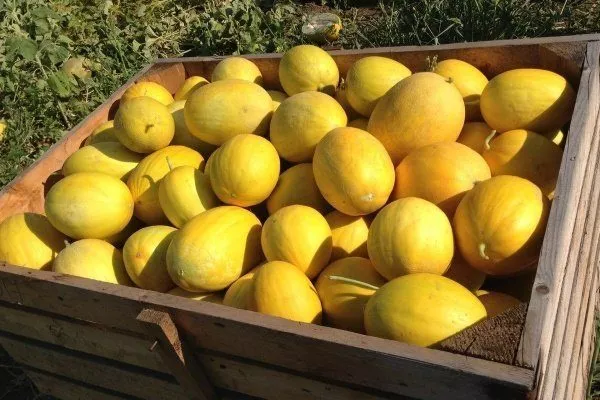
Peculiarities. A commercial variety, its bright yellow, round, and smooth fruits look very attractive on store shelves. They transport well and have excellent flavor, making them one of the best commercial varieties.
Produces yields in the most unfavorable conditions; "Kolkhoznitsa" will grow even in cool and rainy summers. The growing season—from germination to harvest—is 80-95 days. Yields, with proper cultivation practices and the recommended planting pattern, are 2.1-2.6 kg/sq. m.
Cantaloupe
Cantaloupe has many varieties. All "cantaloupes" are similar in appearance, taste, and aroma.
Description. Cantaloupes have a dense, gray-green skin with a raised, mesh-like pattern on the surface. They are oval, spherical, or slightly flattened in shape. They weigh between 0.5 and 5 kg. Their diameter rarely exceeds 25 cm. The fruit comes in two types: smooth or segmented. The flesh is light orange.
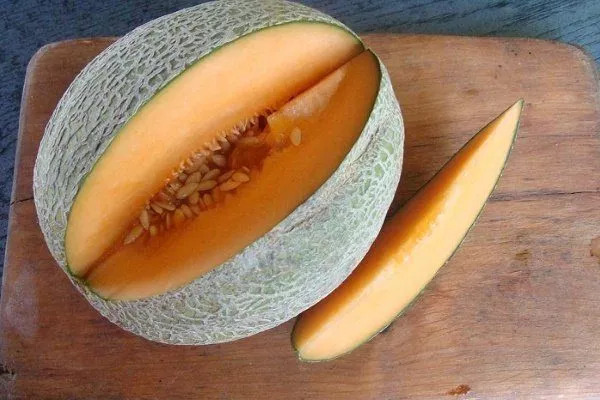
Peculiarities. Cantaloupes have a low sugar content—around 8%—but are easy to grow and disease-resistant. They are not recommended for long-term storage—the fruits should be eaten within three weeks. They have good transportability and do not crack when exposed to excess moisture. They ripen in cool, humid weather. They ripen faster than traditional Asian varieties. Yield depends on the cultivar and growing conditions.
The most promising varieties of Cantaloupe:
- Blondie – a mid-season variety that adapts well to a variety of climates. The fruits are small, flattened, weighing up to 0.6 kg.
- Charente – distinguished by a strong, persistent aroma. Weight: 0.6-1 kg. Grown only in France, in protected soil.
- Gaul – a product of Israeli selection. The flesh is pistachio-colored. It is resistant to cool weather. The fruits are small, have an excellent immune system, and are adaptable.
- Oksana. This variety has bright yellow flesh, juicy and slightly tart. It ripens in 1.5-2 months.
The Cantaloupe melon was named after the Italian province of Cantalupo. They arrived in Europe via Turkey and Iran. The Pope tasted the first fruits and liked them so much that melon fields soon sprang up near his residence.
Cossack 244
An old, proven variety, cultivated since the 1960s. Ripening time: 70-95 days.
Description. The fruit is oval and bright yellow. It weighs 1.3-1.8 kg. The skin is smooth or slightly segmented, with some reticulation. The rind is firm and durable. The pulp is fibrous and crisp and white.
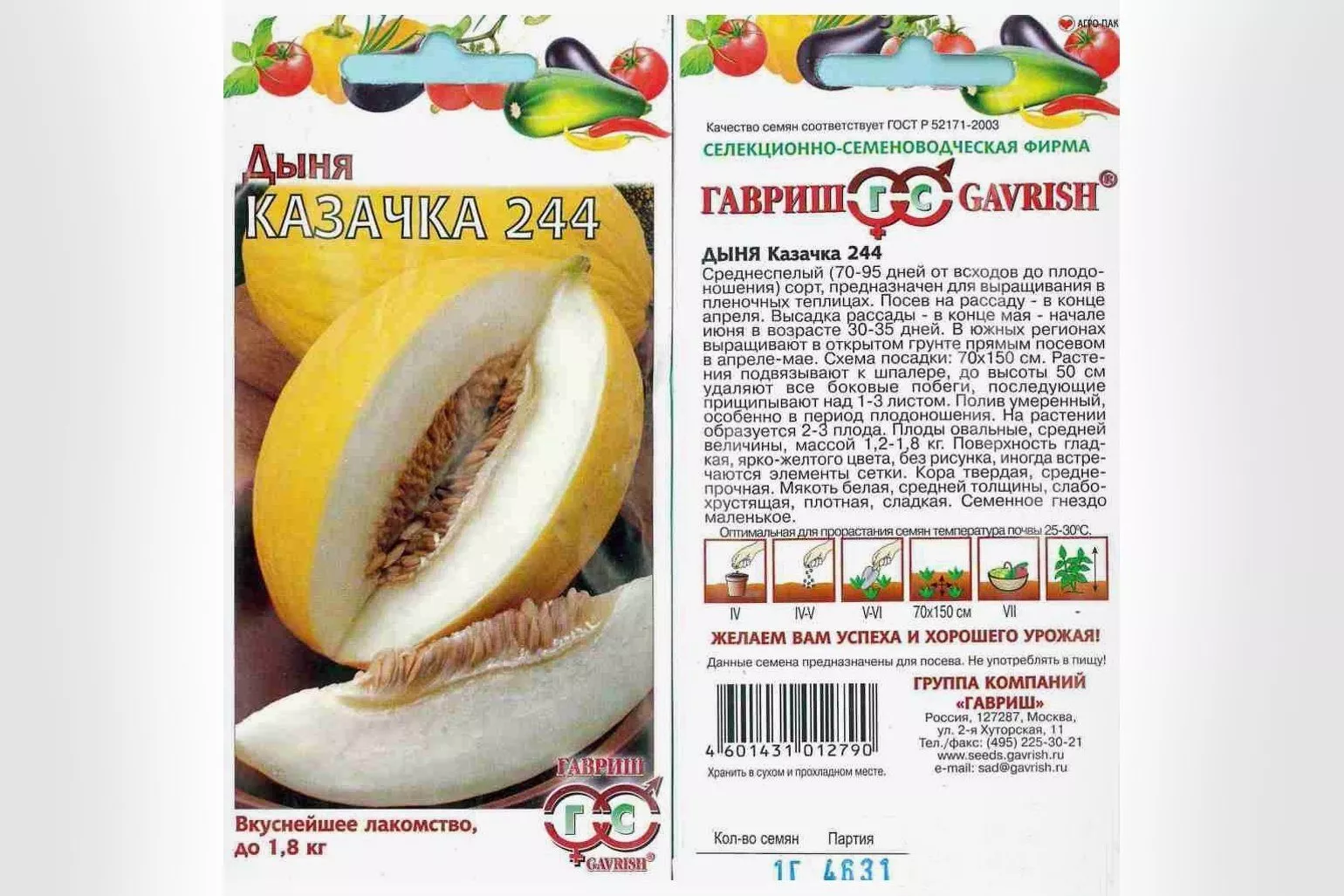
Peculiarities. Preserves well during transportation. Yields up to 370 centners per hectare. Up to 2.9 kg per square meter. Resistant to powdery mildew and anthracnose.
Lada
Mid-season variety, fruits ripen in 75-95 days.
Description. The round, smooth, yellow fruits are covered with a continuous mesh. The flesh is light cream in color and has a delicate texture. Weight: 1.5-2 kg. Light but persistent aroma.
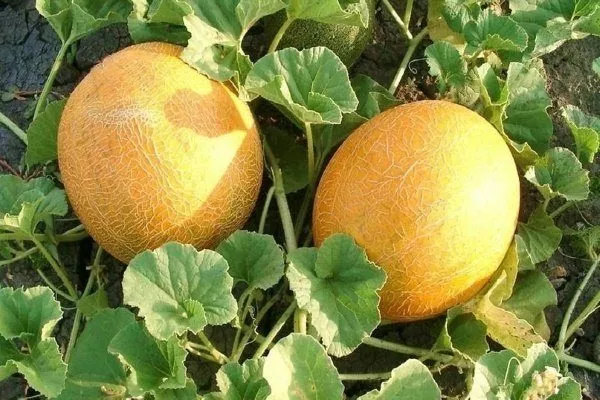
Peculiarities. Immune to powdery mildew. Rarely affected by aphids. Does not crack. Yields up to 220 c/ha. Candied fruit is made from the sugary pulp. This variety requires pinching of the tops and removal of excess ovaries.
Ozhen F1
A mid-season hybrid. Developed in Israel. Cultivated in greenhouses and open ground in southern Russia.
Description. Each fruit weighs 0.8-1 kg. The fruits are oval, slightly flattened. The skin is yellow, yellow-green, or greenish. The skin has longitudinal grooves. The flesh is sweet, greenish, and aromatic.
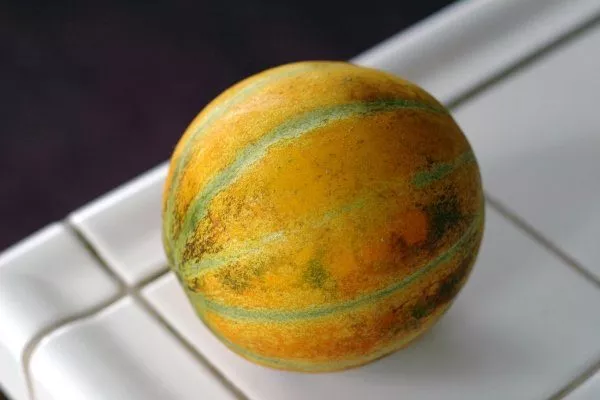
Peculiarities. It has excellent taste. Yields 1.5-2.5 kg/m.
Temryuchanka
This highly flavorful variety is ideal for fresh consumption. It ripens in 75-90 days.
Description. The fruits are round, weighing 1.5-2.1 kg. The skin is yellow, with a thick, continuous mesh on the surface. The flesh is light cream in color and very sweet.
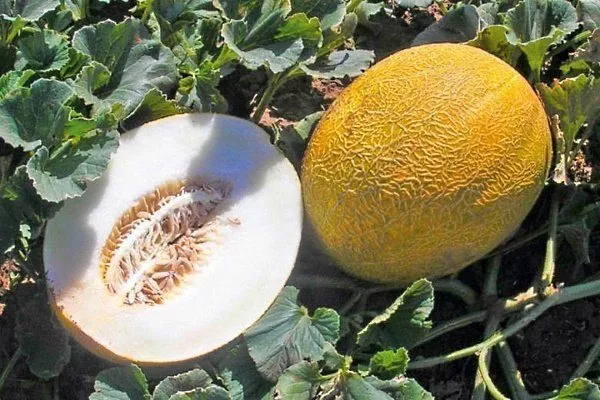
Peculiarities. Melons remain marketable for 30 days after harvest. Yield per hectare is up to 300 centners. They are resistant to stressful conditions and do not crack during transportation.
Piel de Sapo
An exotic variety native to the Canary Islands. Unlike regular melons, Piel de Sapo melons have a unique, refreshing aroma, and their flavor is reminiscent of melted ice cream. Ripening time: 75-80 days.
Description. The melons are oval, with a firm, slightly uneven rind. The color is dirty green. The bumpy surface is covered with fine veins and cracks, resembling toad skin. The variety's name translates as "toad skin." Weight: up to 2 kg.
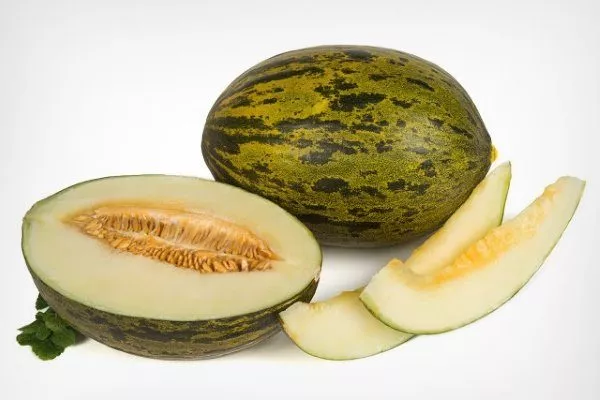
Peculiarities. The fruit can be stored for a long time – up to three months. Melons should not be picked prematurely, as unripe fruits begin to turn yellow and lose flavor.
Ribbed
Ribbed fruits come in green and yellow. There are several varieties of ribbed melon. In Ukraine, for example, a ribbed melon called "plump" is grown. There are also several varieties of Uzbek ribbed melon: Southern, Bukhara, Samarkand, Fergana, Tashkent, and Khorezm. In Russia, in the central part of the country, it ripens in the second half of August.
Description. The fruit is large, unusually plump, and ribbed. It looks more like a pumpkin. The skin is wavy and pale yellow. It has orange flecks, sometimes with a mesh pattern. The flesh is juicy and crunchy.
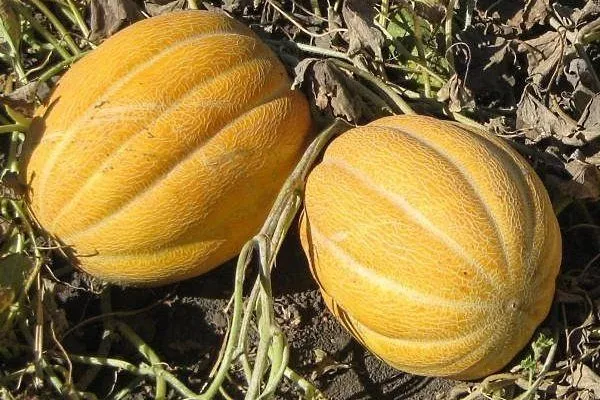
Peculiarities. Excellent flavor characteristics. Resistance to fusarium and powdery mildew.
Golden
A Krasnodar-bred variety. Ripening period: 80-90 days.
Description. Round-oblong in shape, the skin is bright golden, sometimes with orange hints. Weight: 1.5-2 kg. The flesh is white. Sweet taste, pleasant aroma. The skin is smooth; only the first ripe fruits have a netted pattern.
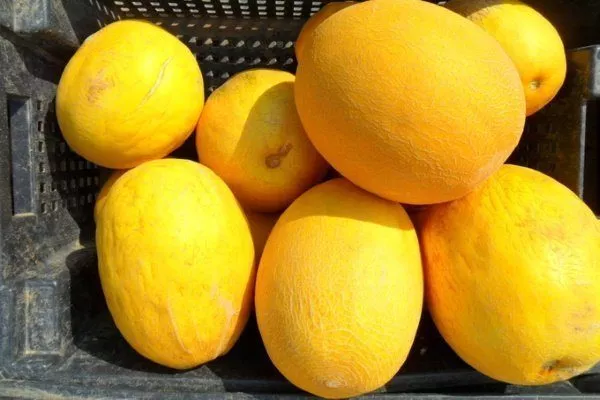
Peculiarities. Suitable for greenhouse or open-field cultivation. Harvest yields up to 100 centners per hectare. Disease resistance, transportability, and retention of marketable appearance. Appetizingly presented, these melons are ideal for retail. The tasting score is moderate—4 points on a 5-point scale.
Altai
An early-ripening melon that yields fruit within 70 days of germination. It thrives in cool regions, including Altai and Siberia.
Description. Golden, oval-shaped melons with a thin, finely meshed rind. They weigh 1.5–2 kg. The flesh is creamy or white.
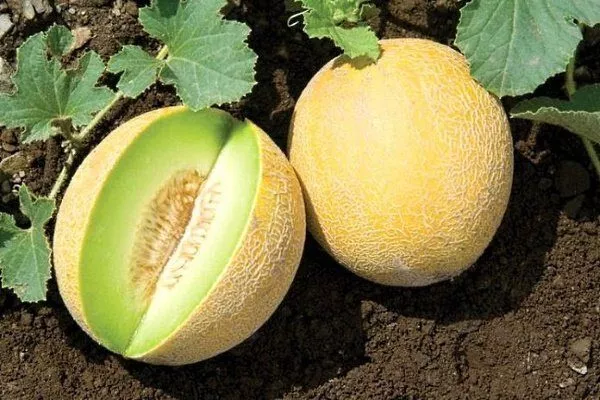
Peculiarities. The yield per hectare is up to 250 centners. With its dense structure, the fruits of the "Altai" variety are excellent for transportation. They are eaten fresh, dried, cured, and used to make jam. The flesh sometimes has a pumpkin flavor.
Late
Late-ripening melon varieties ripen within 95-110 days. While late-ripening melons take a long time to ripen, they have significant advantages over early- and mid-season varieties – they are very tasty and have a long shelf life.
Torpedo (Rainbow)
This is the most popular variety cultivated in the Central Asian region. In its native Uzbekistan, the "Torpedo" is called "Mirzanchul." In Central Asia, the fruits grow up to 15 kg.
Description. The fruit is oblong—the melon gets its name from its elongated shape. The rind is deep yellow, covered with a white, lacy mesh. The flesh is milky, the flavor is sweet and honeyed, with a hint of vanilla, and the consistency is smooth and buttery. The sugar content is over 8%.
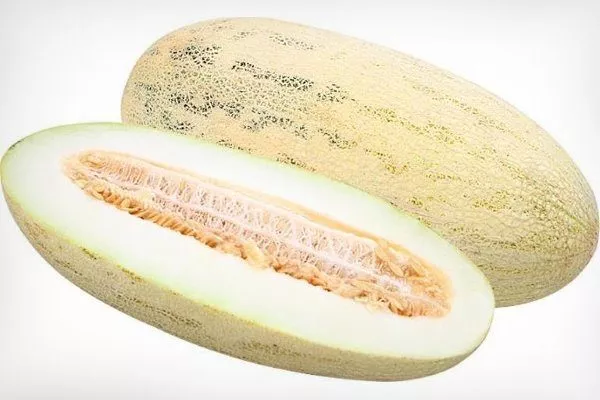
The late-ripening "Torpedo" melon ripens at the end of summer. Therefore, oblong melons sold too early are likely dangerous due to the use of chemicals that accelerate ripening.
Peculiarities. It transports and stores well. Under favorable conditions, the fruits can last until spring. Or rather, they can "hang"—they are stored in a dry, cool room, suspended. A yield of 2.5-3 kg of melons per square meter is obtained. The caloric content is 35 kcal per 100 g. There is a variety of the "Torpedo" variety, the "Rainbow" melon, adapted to Russian conditions. The weight of a "Torpedo" grown in Russia does not exceed 5-6 kg.
Wintering
Mid-late variety with a growing season of 100-110 days.
Description. Yellow oval fruits with greenish-white flesh. The surface is smooth, with a netted texture. Weight: 2-5 kg. The flesh is crisp and tender.
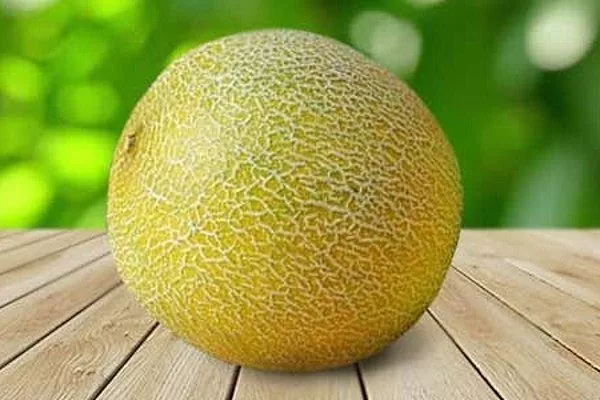
Peculiarities. High drought tolerance. Good transportability. High disease resistance. Yield up to 270-330 c/ha. Does not crack and stores well. Sugar content up to 8.5%. Immune to powdery mildew and anthracnose.
Yakup Bay F1
A late-ripening, high-yielding melon of the Tendral variety. A Dutch-bred hybrid.
Description. The oval fruits weigh 4-5 kg. The skin is green, and the flesh is white and juicy.
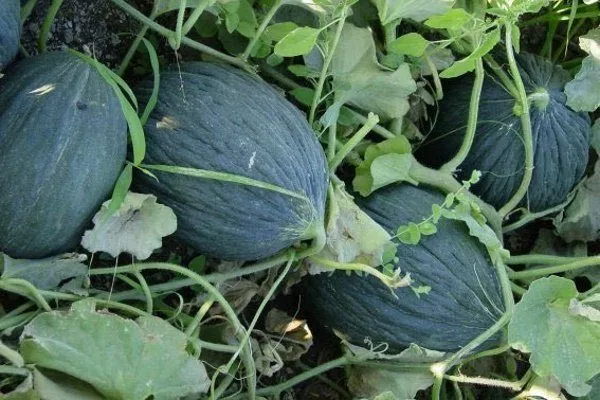
Peculiarities. Sugar content is up to 15%. Signs of ripeness include a yellowish tint and a persistent aroma. If the fruits are picked green and stored in a dry place, they will ripen and be ready to eat in 2-3 months. Resistance to common melon diseases.
Fun fact: the mouse melon is not a melon at all!
This is a Mexican gherkin. It is a creeping vine. The fruits are called "cucamelons."
Description. The fruits look like small watermelons. The flesh is green, tart, and watery. The fruits are up to 3 cm in diameter. The skin is green and striped. The taste is reminiscent of cucumbers, with a hint of kale.
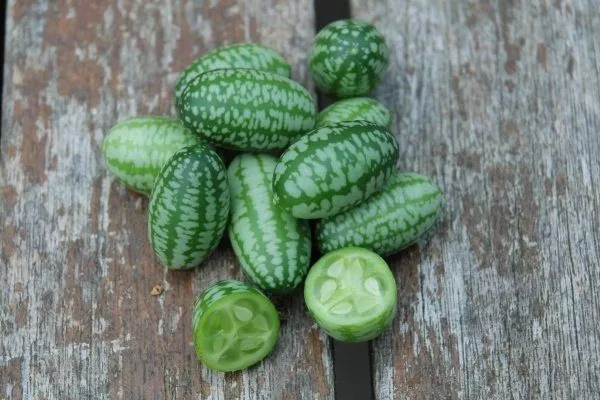
Peculiarities. This exotic variety is grown exclusively in greenhouses. A single plant produces up to 7 kg of fruit.
In the fall, when the cucamelon harvest is over, try digging up the roots of the plant—you'll find up to one and a half kilograms of tubers. They look like sweet potatoes, but taste like a cross between cucumber and radish.
Table of early maturity of varieties
When choosing a melon variety for planting, you have to evaluate candidates based on many criteria. Table 1 compares the characteristics of popular melon varieties.
Table 1
| Variety/hybrid | Ripening time, days | Fruit weight, kg | Pulp color | Peel color | Yield, c/ha |
| Ethiopian | 70-80 (mid-early) | 2.5–3.5 | light yellow | yellow, with a fine mesh | 90-145 |
| Done | 65-75 (early) | 1.5-2.5 | cream | dark yellow, there is a mesh | up to 300 |
| F1 Passport | 70-75 (early) | 2-3.5 | light green | yellow-brown, covered with a continuous mesh | up to 180 |
| Banana melon | 60-65 (early) | 4-6 | golden | light green, faintly visible mesh | 80 to 300 |
| Collective farmer | 70-80 (mid-season) | 0.8-1.5 | white | yellow, covered with a net in places | 210-260 |
| Lada | 75-95 (mid-season) | 1.5-2 | light cream | yellow, covered with a continuous mesh | up to 220 |
| Temryuchanka | 75-90 (mid-season) | 1.5-2.1 | light cream | yellow, with a solid thick mesh | up to 300 |
| Torpedo (Rainbow) | 95-110 (late-ripening) | 5-6 | lactic | deep yellow | 250-300 |
| Wintering | 100-110 (late-ripening) | 2-5 | greenish-white | yellow, with mesh | 270-330 |
Table 2 shows popular melon varieties by ripening time.
Table 2
| Varieties/hybrids | Ripening period, days |
| Early ripening | |
| Ethiopian | 70-80 |
| Done | 65-75 |
| Princess Svetlana F1 | 65-70 |
| Raymond | 70-75 |
| F1 Passport | 70-75 |
| Dune | 60-75 |
| Banana melon | 60-65 |
| Cinderella | 50-55 |
| Iroquois F1 | 70-80 |
| Seryozhka's love | 65-75 |
| Fairy tale | 58-62 |
| Tamanskaya | 55-75 |
| Cappuccino | 70-75 |
| Mid-season | |
| Collective farmer | 70-80 |
| Cossack 244 | 70-95 |
| Lada | 75-95 |
| Temryuchanka | 75-90 |
| Late-ripening | |
| Torpedo (Rainbow) | 95-110 |
| Wintering | 100-110 |
| Yakup Bay F1 | 85-90 |
When choosing a melon variety for home or commercial cultivation, it's important to consider ripening time and growing conditions. The second set of criteria for selecting a suitable variety includes flavor, presentation, shelf life, transportability, disease and pest resistance, and yield.