
The Passport melon is popular among both novice and experienced gardeners. This is due to its varietal characteristics, including strong immunity, large fruits, and high and consistent yields. Positive results can only be achieved by following important agricultural practices.
Who developed the variety and when?
The American company Hollar Seeds, under the leadership of breeder Larry A., developed the Passport variety in 2000. The goal was to develop a highly effective variety, which the scientist successfully accomplished. Four years after its creation, the hybrid was added to the State Register.
Description of the plant and fruits
This climbing plant has dense, strong shoots. It has many distinctive features:
- The branches are covered with medium-sized leaves with slight splitting.
- Numerous dark green buds form on the shoots, which bloom into beautiful yellow flowers.
- The fruits are medium-sized and rounded. They weigh between 1.2 and 2.2 kg, but under favorable conditions can reach 2.5 to 3 kg.
- The skin is smooth, with a noticeable yellow-green mesh. The rind is of medium thickness and fairly flexible.
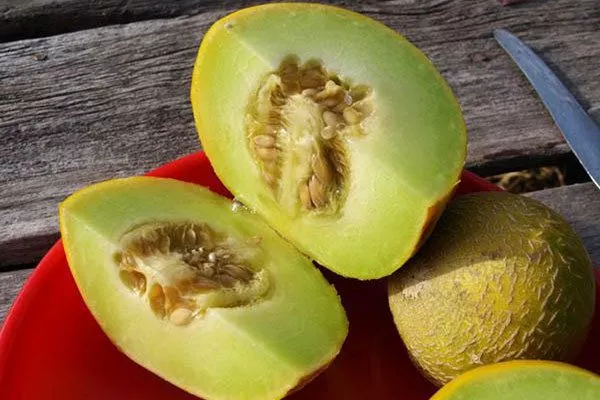
- The flesh is creamy in color. The fruit contains numerous oval seeds, colored creamy yellow.
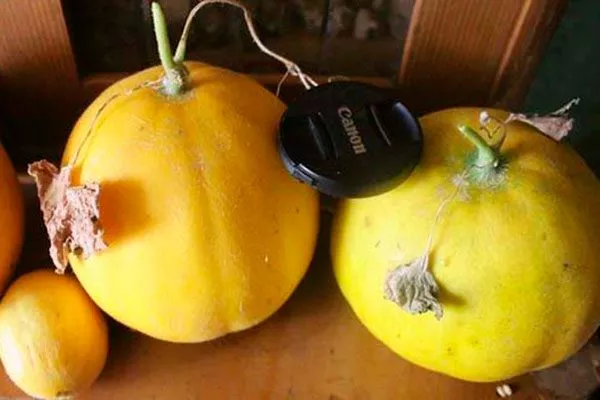
The variety has a rich aroma.
Taste and purpose
The pulp is juicy, tender, and sweet. The sugar concentration is up to 8%. It is eaten fresh, but it is also suitable for canning, freezing, and drying. It makes delicious candied fruits and marinades, fruit salads, appetizers, and desserts.
Ripening and yield
It's an early-ripening hybrid. It takes 55-76 days from germination to full maturity, depending on weather conditions and growing methods. When grown in open ground, agronomists harvest between 81 and 184 centners of produce per hectare of land. In irrigated areas, this figure is approximately 40 kg per square meter.
Pros and cons of the variety
The hybrid has gained widespread popularity due to a number of positive characteristics. Agronomists note the following advantages:
The crop has several disadvantages, including a short shelf life of ripe fruits and the inability to preserve seeds for later use.
Growing Melon Passport
It's important to follow certain guidelines. There are two main methods:
- Planting in open ground. This method involves directly planting seeds in the soil in a specific bed. It is considered the most common method for cultivating the plant.
- Growing in hotbeds and greenhouses. To create favorable conditions for growth, greenhouses and hothouses are used, which allow for the regulation of temperature and humidity.
- ✓ The optimal soil temperature for planting seeds should be at least 15°C.
- ✓ To prevent fungal diseases, it is necessary to ensure good air circulation around the plants.
Both seedling and direct-seeding methods are suitable for growing the hybrid. Seed preparation for both methods is the same.
Follow the recommendations:
- Buy quality seeds from trusted sellers.
- Use a universal primer.
- Soak the seeds in a growth stimulator solution.
- Place the seeds on cheesecloth to germinate.
- Prepare and process the containers, fill them with soil and plant the seeds 1-2 cm deep.
Once the seedlings emerge, provide them with comprehensive care, including regular watering, fertilizing, and various treatments to stimulate growth. Before planting the seedlings outdoors, harden them off to acclimate them to the new conditions.
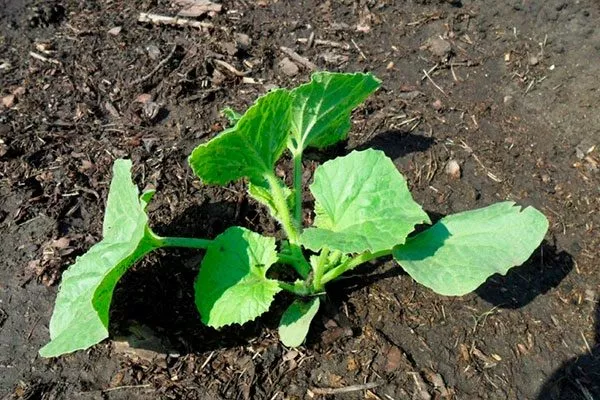
To prepare the planting site, dig the soil, remove weeds, add organic fertilizer, and prepare the beds for planting the seedlings. Choose a site that won't be prone to standing water.
Landing rules
It's important to maintain proper spacing when planting bushes. When growing outdoors, maintain a 1-meter interval. This will help develop a strong root system. This variety's roots penetrate deep into the soil.
When growing in a greenhouse, plant 2 seedlings per 1 square meter. The root collar should be raised 7 cm above the soil surface to ensure better development and prevent rot.
How to care?
Growing the Passport melon is quite simple. Follow these recommendations:
- Watering. Provide regular watering only during the active growth period of green shoots. Water should be applied directly to the plant's roots and at room temperature. Avoid getting wet on the leaves and shoots to prevent possible fungal diseases.
- Top dressing. Use complex mineral fertilizers containing nitrogen, phosphorus, potassium, and microelements. Apply organic fertilizers such as compost or manure.
Apply fertilizer according to the plant's needs during different growth phases: before flowering, during fruit formation, and during the period of active fruit development. - Formation. The method depends on the growing location. In a greenhouse, leave no more than two stems and remove any shoots below 50 cm from the ground. In open ground, stems don't need to be trained, but leave no more than five flowers on each shoot to produce larger specimens.
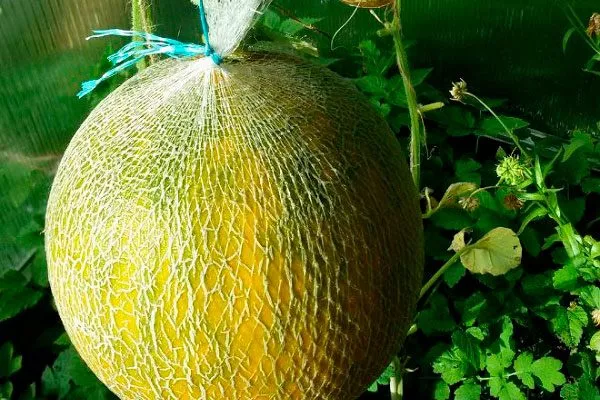
Harvesting and storing melons at home
By the end of July, the first melons begin to ripen. Fruiting can continue until the end of September, provided the weather remains stable and warm. Storing melons presents certain challenges and requires additional expenses.
The easiest way to preserve it for the winter is to freeze the sliced flesh. Store at -18°C in special zip-lock bags or resealable containers. Shelf life: 12 months.
- ✓ High resistance to fusarium wilt and anthracnose.
- ✓ Short shelf life of ripe fruits, which requires quick processing or consumption.
Diseases and pests
It is resistant to many fungal diseases, including fusarium wilt and anthracnose. If fungal infections occur, remove the affected leaves and treat the bushes with one of the following: Bordeaux mixture, Topaz, Oxychom, or Fundazol.
Reviews of the Passport melon
The Passport melon offers easy cultivation and regular, successful harvests. This variety is popular for its reliability and low maintenance. With proper care, the fruits will reach their maximum volume and weight, be disease-resistant, and resist pest attacks.