
The Medovukha melon is a popular variety with many positive characteristics. It is renowned for its high yield and ease of cultivation. The quality of the harvest depends on care, so it is important to provide the crop with the necessary conditions for optimal results.
Characteristics of the Medovukha melon
Mead belongs to the Cucurbitaceae family. It is native to Central and Asia Minor. It is one of the most well-known varieties of melon, distinguished by its unique properties.
- ✓ The high sugar content in the pulp (up to 15%) makes the variety extremely sweet.
- ✓ Early ripening period (60-70 days from germination to harvest).
Description of the plant and fruits
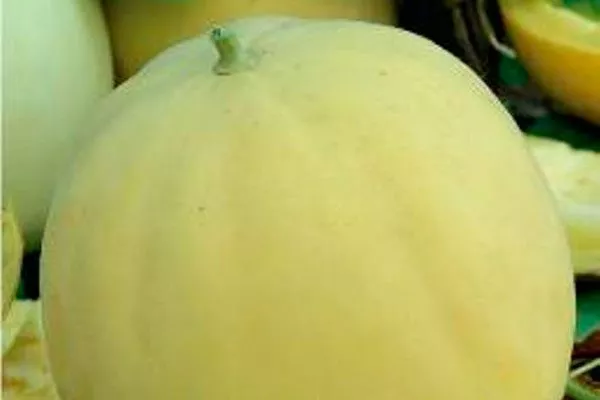
The plant is characterized by strong stems and large leaves. The fruits are small, round or slightly flattened, greenish-yellow in color, and have thin bark.
Taste and purpose
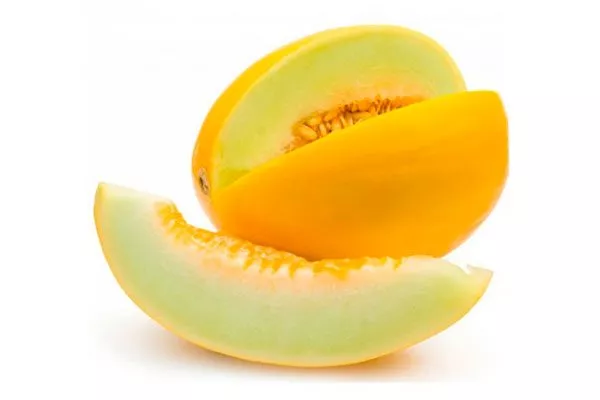
The pulp has a high sugar content, reaching up to 15%, making it exceptionally sweet. The rich juice content adds juiciness and a distinctive flavor. It is characterized by a rich, delicate aroma. It has a versatile use: it can be eaten fresh or candied.
Ripening time
One of the crop's advantages is its early maturity. Typically, only 60-70 days pass from germination to harvest, allowing agronomists to quickly see the results of their efforts.
Productivity
This hybrid variety is highly productive, yielding abundant and consistent harvests. With proper care, the plant can produce between 6 and 20 kg of produce.
Growing honeydew melon
It is highly heat-loving and requires ample light. Seed germination begins at temperatures no lower than 20°C. Use seedlings grown in greenhouses in early summer or early spring.
- ✓ The soil temperature for seed germination should not be lower than +20°C, optimally +25°C.
- ✓ The distance between plants when planting in open ground should be at least 50 cm to ensure sufficient space for growth.
Follow these recommendations:
- Preparing seedlings. Start by sowing the seeds in containers no more than 10 cm in diameter. Place two plants in each container. Soak the seeds in a small amount of water beforehand, place them on cheesecloth or cotton wool, and place them in a warm place for a few days. Once the seeds sprout, transplant them into the soil.
- Selection and preparation of the planting site. The soil for the seeds should be fertile and light. Loosen it thoroughly before sowing. Then plant the seeds in slightly moistened soil and cover with a thin layer of soil.
Keep seedlings in a warm, well-lit place with daytime temperatures of at least 20°C and nighttime temperatures of at least 17°C. High temperatures, around 27°C, promote good germination. - Landing rules. Once the sprouts have 3 to 5 true leaves, prepare them for transplanting. Harden off the seedlings by placing them in a cool room with a temperature of about 16°C (61°F) during the day and about 13°C (55°F) at night.
Transplant outdoors at the end of May, after all danger of night frosts has passed. Choose a sunny site protected from strong winds. Leave at least 50 cm between plants. Amend the soil with humus and water with warm water.
Plant two plants in each hole, carefully spreading out the roots. Then fill with dry, loose soil. If there's a risk of frost, cover the seedlings with plastic wrap until the nights become consistently warm. - Watering and fertilizing. Apply the first fertilizer six weeks after repotting. Use manure, saltpeter, or chicken manure, diluted with water at a ratio of 1:10 and watered at the roots. Repeat this procedure every two weeks until fruiting begins.
Melons are drought-resistant, so in regions with water shortages, they don't even need watering. In central Russia and the south, it's recommended to water the plant at the base every seven days to ensure juiciness. - Formation. To ensure proper plant development, it needs to be trained. Once the seedling reaches its sixth leaf, prick it out to encourage lateral shoots. Later, thin it out, leaving only the strongest shoots. This helps ensure more nutrients are available for fruit development rather than foliage.
Pinch off shoots without flowers or with numerous ovaries, as they can interfere with proper formation. Train larger shoots to grow vertically along a trellis or lower them so they twine along the ground.
Harvesting
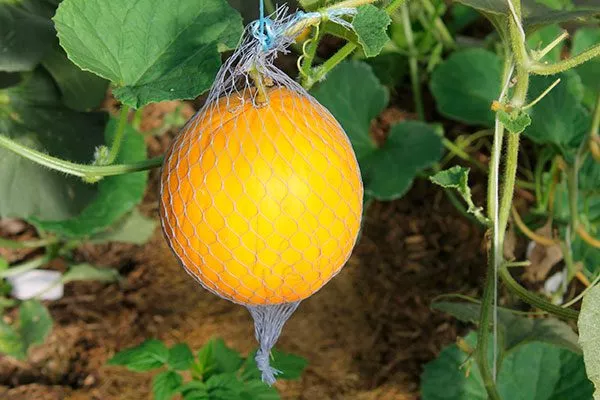
When the fruits are fully ripe, uniformly yellow, and sweetly fragrant, they can be picked from the beds. Do this carefully to avoid damaging or bruising them, as a healthy fruit will help them last longer.
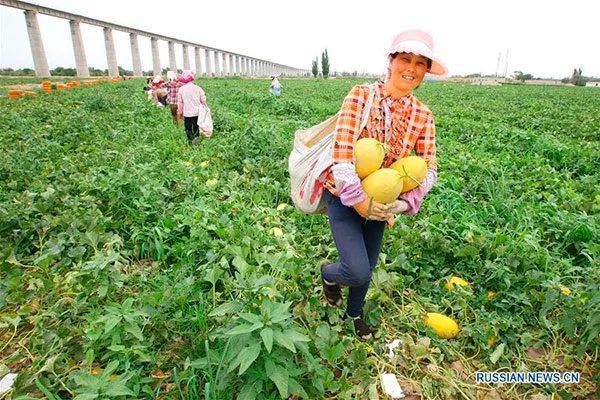
If cold weather is expected and there are many unripe fruits left in the garden, pick them. Harvested fruits keep well for 2-3 months in dry, well-ventilated areas or boxes filled with straw or sawdust.
Diseases and pests
The Medovukha melon rarely suffers from diseases and is almost immune to pests. However, the main diseases and insect pests that feed on melons and gourds may attack it during the growing season.
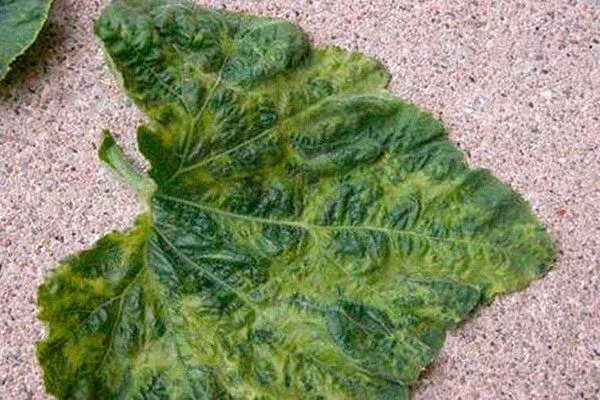
Fungal diseases can damage the above-ground parts of the plant. These include powdery mildew, late blight, downy mildew, copperhead, and root rot. To prevent these, treat the seeds with a weak solution of potassium permanganate before planting.
The crop can be attacked by insects such as aphids, spider mites, wireworms, cutworms, and melon flies. To prevent pests from appearing in your garden, promptly remove plant debris, rotted leaves, and pruned branches. In the summer, regularly dig over the beds to remove pest eggs and larvae.
Pros and cons of the variety
This variety can be grown both in greenhouses and open ground, and its flavor characteristics are unaffected by either method. Its advantages include:
Reviews
The Medovukha melon is a top choice for both experienced and inexperienced gardeners due to its ease of cultivation and low maintenance. Its ability to retain its flavor after harvest makes it a valuable resource for fresh fruit lovers. Regular care is essential to ensure a bountiful harvest.