
The Honey Melon has received positive reviews from agronomists due to its numerous varietal characteristics. It tolerates cold temperatures and resists diseases and pests. Its juicy flesh and pleasant flavor are its main advantages. Care is low, yet crucial for high yields.
Who developed the variety and when?
The variety's exact origin remains unknown, but evidence suggests it may have originated in Asia. The largest plantations are still located in this region. The crop is successfully grown in southern Russia and other warm climates.
Description of the Honey Melon
This herbaceous plant is characterized by a creeping growth habit with twining stems bearing tendrils. Key characteristics:
- The stems are covered with large leaves, which are firmly attached to the stems by long petioles.
- During the flowering period, pale yellow flowers are formed, which have a bisexual type of pollination, which eliminates problems with pollination.
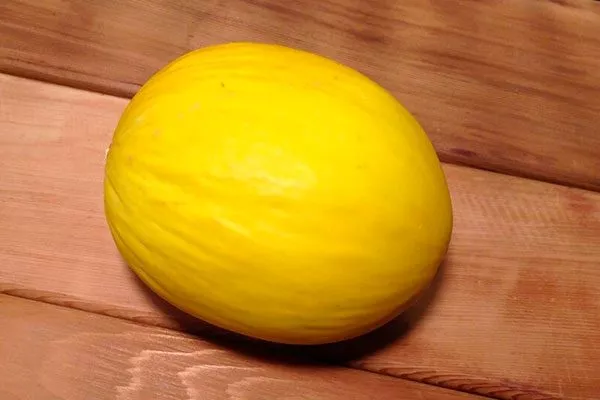
- The fruits have a spherical configuration, colored in bright yellow or sometimes greenish shades.
- The standard weight rarely exceeds 2 kg.
Taste and purpose
Characterized by a rich aroma and sweet taste due to its high sugar content, it is mainly eaten fresh, cut into slices. It is often used in salads or added to ice cream and yogurt.
Ripening and yield
Honeydew melon is characterized by its mid-early ripening period, ensuring high and stable yields. A single bush yields 6 to 12 kg of melon.
Popular varieties of honeydew melon
Breeders have developed several varieties of honeydew melon. Each variety has its own characteristics and distinctive features.
| Name | Ripening period | Disease resistance | Sugar content |
|---|---|---|---|
| Siberian Honey Melon | Mid-early | High | High |
| Honey Tale Melon | Mid-early | High | Very high |
| Medoc Melon | Mid-early | High | Very high |
| Melon Fairytale | Early | High | High |
| Honeydew Melon | Late-ripening | Average | High |
| Honeydew | Mid-season | High | High |
| Honey Savior | Early | High | Very high |
| Honey mushroom | Early | High | Very high |
| Canary Honey | Early maturing | High | High |
| Honey delicacy | Mid-season | High | Very high |
| Mead | Early ripening | High | High |
Siberian Honey Melon
A mid-early variety characterized by spherical fruits. Detailed characteristics:
- The skin is elastic, patternless, with a yellowish tint.
- Average weight is 1-2 kg.
- The flesh is light cream in color and abundant in juiciness, sweetness, and aroma.
Honey Tale Melon
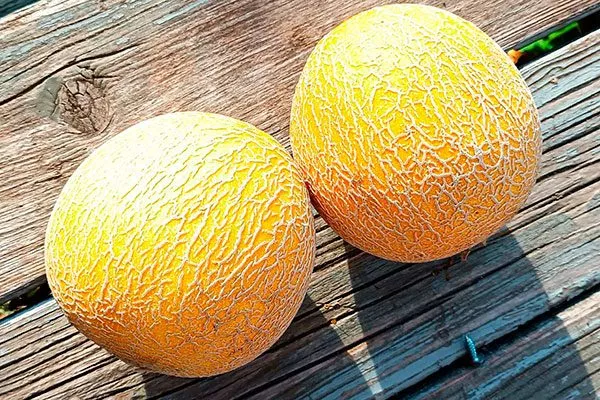
This mid-early variety has a growing season of 75-85 days. The fruits are round, with a smooth, light-yellow rind with a distinctive netting. They typically weigh between 2 and 4 kg. The flesh is white or creamy, sweet, soft, and tender.
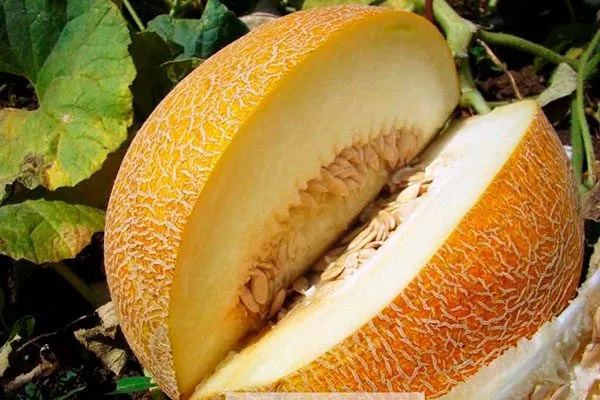
Thanks to its high sugar content, it's suitable for making candied fruits and other sweets. The plants are resistant to various pests and are easy to transport.
Medoc Melon
A honey-sweet variety characterized by round fruits with pure yellow skin and weighing between 2 and 4 kg. The pulp is aromatic and delicious due to its high sugar content, making it an ideal ingredient for various oriental sweets.
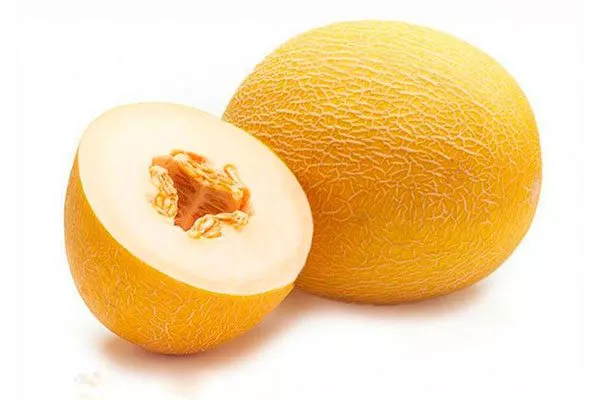
Gardeners emphasize its early maturity, good resistance to major diseases, and ease of transportation. This variety is typically grown from seedlings, but in southern regions, the seeds can be sown directly into open ground in April-May.
Melon Fairytale
This early variety is characterized by a short ripening period of only 60-62 days. The fruits are elliptical and weigh up to 1.6-2 kg. The smooth skin is patternless. The flesh is very juicy, yet firm and crisp, with a light creamy hue.
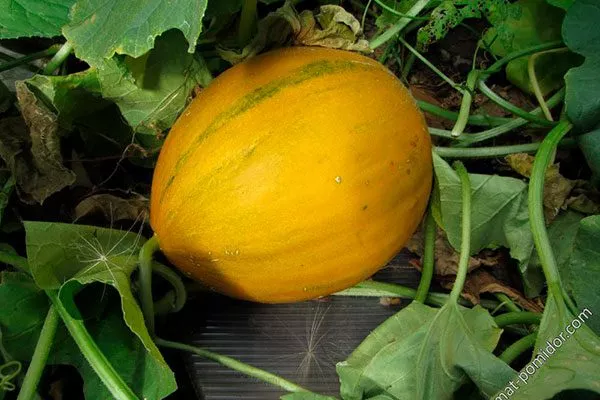
It is most prized fresh, although it is also suitable for making jams and preserves. It is characterized by abundant fruiting and disease resistance, especially to powdery mildew. For cultivation in the garden, both direct sowing and seedlings are used. Seedlings are sown in late April and planted in the ground in May.
Honeydew Melon
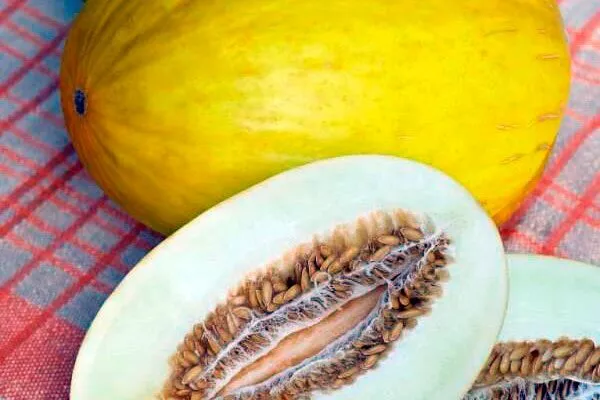
This late-ripening variety is suitable for long-term storage thanks to its long growing season, exceeding 100 days. In central Russia, melons often don't fully ripen, but the harvested fruits ripen during storage. The large oval fruits have a fragrant and vibrant flavor.
Honeydew
This mid-season variety is characterized by round, white fruits weighing 1.2 to 1.8 kg with smooth skin and crisp, green flesh. It is popular for its compact size, excellent flavor, and intense aroma.
Honey Savior
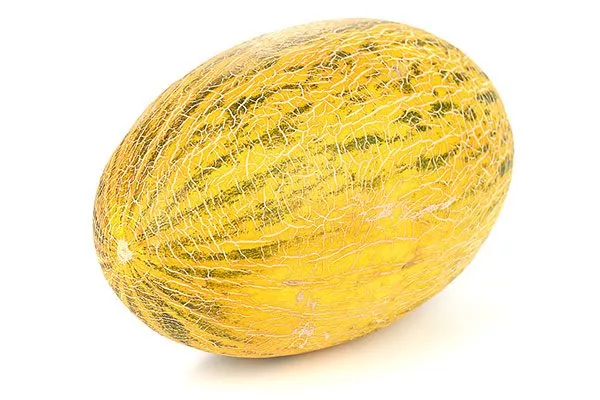
This early variety attracts gardeners with its high yield, regular fruit formation, excellent flavor, good transportability, long shelf life, and sunburn resistance. The pulp is used in cooking, making candied fruit, preserves, and marmalade.
Honey mushroom
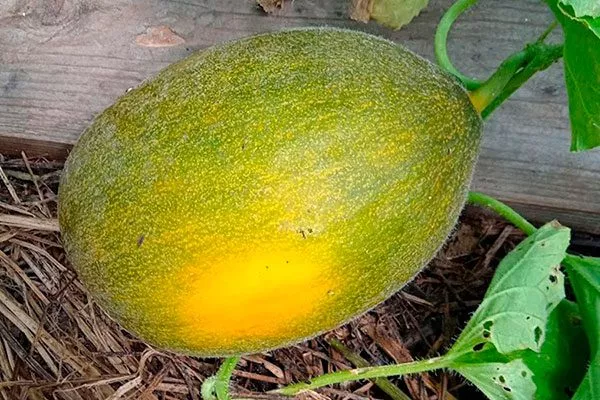
This early variety is characterized by elongated, light-yellow fruits weighing from 2.5 to 4.2 kg. They do not crack during growth. Medovka holds the record for sweetness among melons and contains a large amount of beneficial sugars.
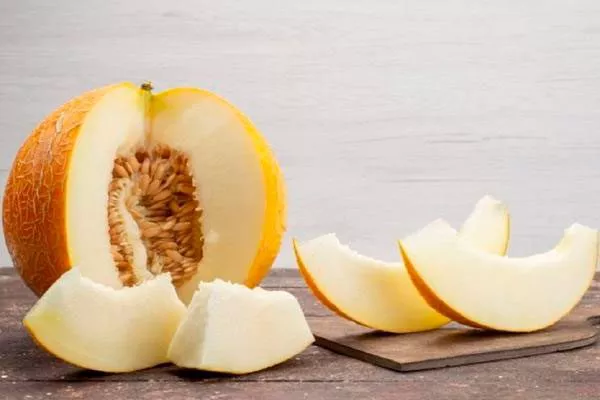
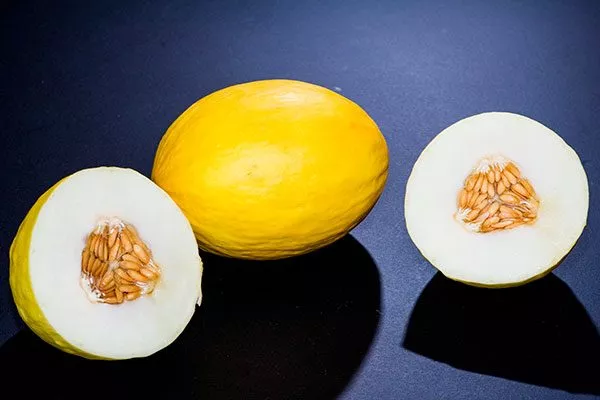
Canary Honey
An early-ripening, medium-vine variety. Its fruits are oval in shape and lack a net. The appetizing flesh is light green. This variety has a long shelf life and transports well without losing its commercial qualities.
Melon is widely consumed fresh. It is also frequently used for drying, curing, and making candied fruit.
Honey delicacy
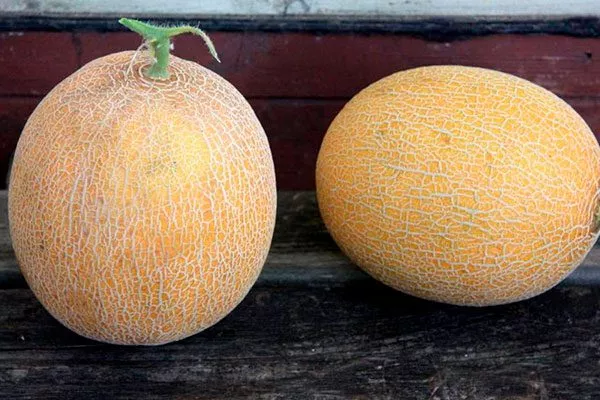
A mid-season variety distinguished by its smooth yellow fruits and tender, crisp flesh with excellent flavor. It is popular due to its high sugar content, reaching 8-9%, even in unfavorable climates.
Mead
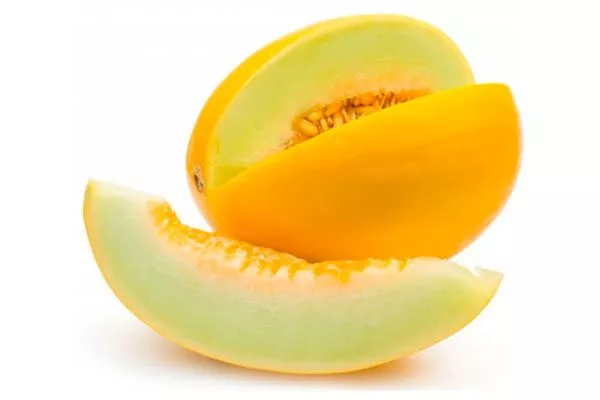
When ripening, this early-ripening hybrid produces small, slightly flattened, rounded fruits. Each specimen weighs between 400 and 500 grams. A single compact plant typically produces 3-5 melons. This cultivar is prized by gardeners for its high resistance to pathogens, heat, and drought.
Landing features
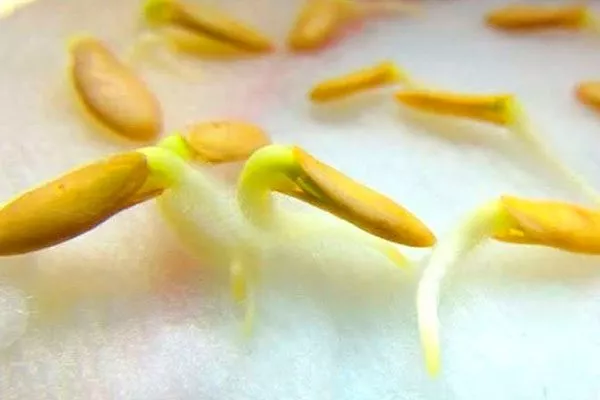
It is recommended to grow using seedlings. Sow seeds in early April. Before planting, soak them in a weak solution of potassium permanganate for 2 hours. Honeydew melon does not tolerate transplanting well, so it is best to plant the seeds in individual containers. Place a thin drainage layer at the bottom. Then fill the containers with the following mixture:
- earth – 1 part;
- humus – 3 parts.
- ✓ Soil pH should be between 6.0-6.8 for optimal nutrient absorption.
- ✓ The soil must have good drainage to avoid water stagnation and root rot.
Fertilize the soil with nitrogen, potassium, and phosphorus supplements. Add a thin layer of clean soil on top of this mixture, then moisten the soil. Sow the seeds in containers, two at a time, 2-3 cm deep. After sowing, cover with plastic wrap. Maintain a temperature of 25-26°C until germination, then lower it slightly.
By the end of May, the plants will be ready for transplanting outdoors. Choose a sunny, warm location with light, fertile soil. The soil pH should be neutral. In open ground, plant melons in a 140x140 cm pattern, while in greenhouses, a spacing of 70x70 cm is sufficient.
Subtleties of agricultural technology
This variety is quite drought-tolerant, so it doesn't require excessive or frequent watering. During warm, dry weather, watering the plants once every five days is sufficient. During rainy weather, water once a week. Water should be applied only at the roots.
If you haven't watered your melons for a long time and the soil is cracked, avoid overwatering, as this can cause cracks in the skin. Honeydew melons don't grow well in the presence of many weeds, so remove them promptly.
Feed the bushes according to the following rules:
- Apply the first fertilizer 45 days after planting. Mix manure, ammonium nitrate, and mullein in a 1:10 ratio, then add water and pour the solution under the roots.
- Begin the second feeding 10 days after the first. This time, use a complete mineral solution for melons.
- After this, apply fertilizer every 12-14 days using the same mineral mixtures. Sometimes you can substitute them with wood ash.
Recommendations for growing in a greenhouse
Growing melons in a greenhouse makes the process much easier, but each plant needs sufficient space to ensure adequate nutrition, air circulation, and humidity. Seedlings are typically planted in a greenhouse. The timing of sowing seeds depends on the temperature conditions in the greenhouse, both in the air and in the soil.
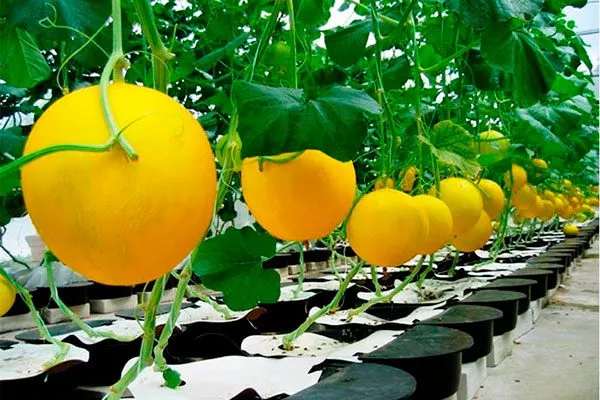
During the day, the greenhouse temperature should be maintained at 25°C, and at night it should not drop below 17°C. When growing melons in a greenhouse, the ripening time requirements for varieties are not as strict. However, early-ripening varieties allow you to get your first fruits as early as mid-summer.
Harvesting and storage
Begin harvesting the melons when they are uniformly yellow and have acquired a sweet aroma. Pick them carefully to avoid damage—whole melons will keep longer.
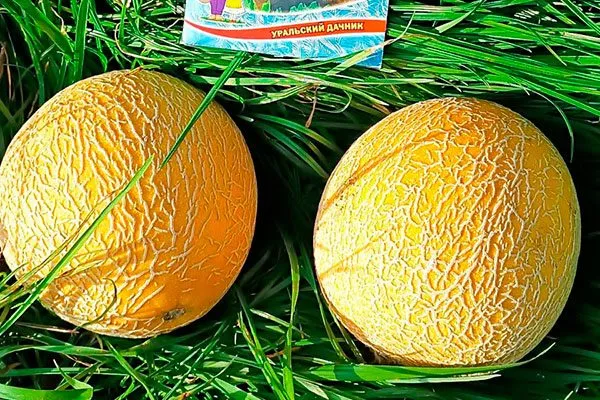
If a cold snap is expected and there are still unripe fruits in the garden, collect them in containers and place them in a dry, well-lit area to fully ripen. It's best to store the harvest in wooden boxes lined with sawdust or straw.
Once the peel has reached the desired color, transfer the container to a cool, dark place. This will keep the fruit for 2-3 months.
Diseases and pests
Honeydew melons are generally rarely affected by diseases and are virtually free of pests. However, during the growing season, the plant can be susceptible to the main diseases and insect pests common to melons:
| Disease/Pest | Symptoms | Treatment/Prevention |
| Powdery mildew | White spots on leaves and shoots. | Spraying with fungicides: Thiophanate-methyl, Captan. Removing affected parts. |
| Phytophthora | Wilting of leaves and shoots. | Use of fungicides: Metalaxyl-mancozeb. Reduce watering. |
| Peronosporosis | Yellow spots on leaves. | Treat plants with copper-containing preparations, such as copper oxychloride. Remove affected leaves. |
| Copperhead | Brown spots on leaves. | The same as with downy mildew. |
| Root rot | Yellowing and death of roots. | Treat the soil with the fungicide Thiram. Create a good drainage system. |
| Aphid | Formation of a sticky coating on plants. Slow growth. | Use of insecticides Imidacloprid or Acetamiprid. |
| Spider mite | Fine webbing on the leaves. Yellowing and leaf drop. | Treatment with acaricides such as Abamectin or Flumethrin. Create conditions for air humidification. |
| Wireworm | The appearance of wireworms on the roots. | Use chemicals to control caterpillars: Bifenthrin, Thiacetam. Maintain cleanliness in the area. |
| owl | Damage to leaves, shoots, fruits. | Use of insecticides such as Chlorpyrophos or Deltamethrin. Use of traps. |
| Melon fly | Leaf spots. Slow growth. | Use insecticides, such as Aktara or Thiamethoxam. Careful plant care, destroying affected leaves and shoots. |
Pros and cons of the variety
Honeydew melon is suitable for both greenhouse and open-field cultivation, with flavor characteristics unaffected by cultivation method. Advantages:
Reviews
The Honey melon is popular among agronomists cultivating it in their gardens and on a large scale. It produces good yields and has excellent shelf life. The fruit is suitable for long-distance transportation. Regular care of this plant ensures successful ripening and a good final result.