
The Mango melon stands out from other varieties with its unique flavor and aroma, which will delight even melon connoisseurs. Besides its exotic taste, this variety attracts gardeners with its good yields and disease resistance.
History of origin
The Mango melon is a Chinese selection. This old and proven variety was developed in the late 19th century. Nothing else is known about this unusual melon.
Description of the plant and fruits
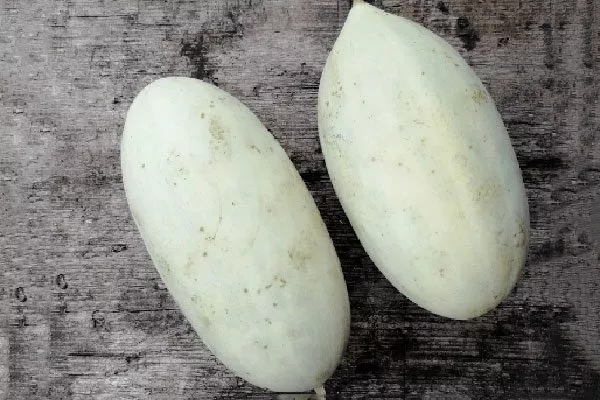
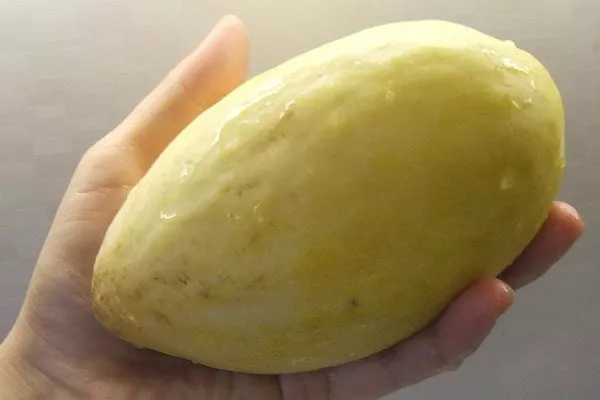
This climbing plant has stems and leaves virtually identical to those of a classic melon. What makes this variety stand out is its small fruits, weighing up to 400 g. The melons are oval-shaped and bright yellow. The fruit surface is velvety, and the rind is thin. The flesh is very juicy, with a white-pink hue.
Purpose and taste
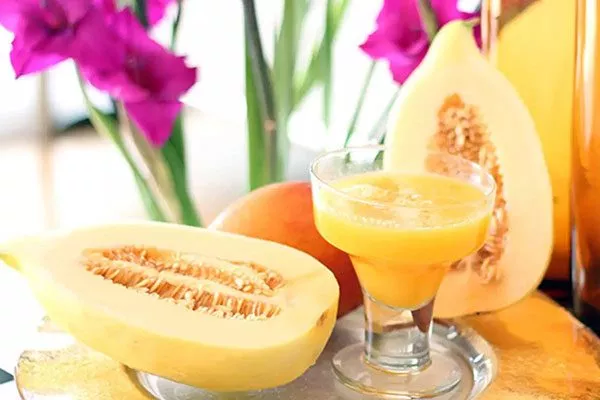
The mango melon is very juicy and sweet, with hints of mango—an exotic fruit—in its flavor. This characteristic of the variety inspired its name. The ripened fruits are eaten fresh, used for pickling, baking, fruit salads, and making all kinds of preserves.
Ripening time and yield
This variety is early maturing and productive. From germination to full ripening, the fruit takes 80-90 days. Yield depends not only on care but also on climate and soil conditions. In the North Caucasus region, yields range from 90-110 centners per hectare, while in the Lower Volga region, they reach 120-160 centners.
Pros and cons
Before planting Mango melon in your garden, familiarize yourself with all its advantages and disadvantages to determine whether this variety is suitable for your needs.
Soil requirements
For normal growth and development, the Mango melon requires nutritious, loose, well-drained soil. Heavy clay soils are not recommended. If there is too much clay, add sand during digging—about 10 kg per square meter. It is also recommended to add an equal amount of compost.
- ✓ The groundwater level should not exceed 0.8 m to prevent fruit deformation.
- ✓ The optimal soil acidity should be within the pH range of 5.9-6.2 to ensure better absorption of nutrients.
The most favorable soils for melons are sod-podzolic and sandy loam, as well as well-aerated and permeable loams. Optimal acidity is close to neutral (pH 5.9-6.2).
The crop does not thrive in clayey and waterlogged soils with high groundwater levels. If the groundwater level rises above 0.8 m, melons grow poorly, their fruits become deformed, and ripen late.
Features of cultivation
To get a good harvest—high-quality and abundant—it is necessary to plant the Mango melon correctly and provide it with regular and proper care.
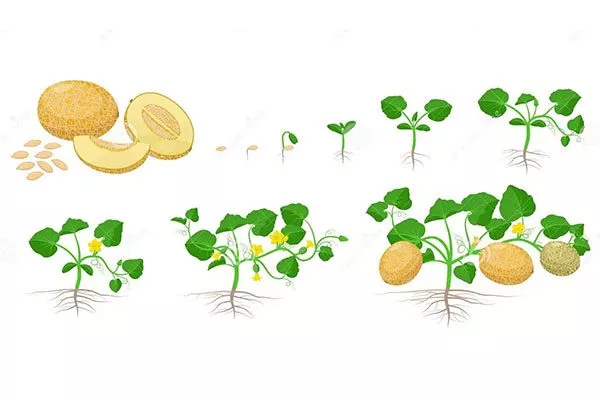
Features of Mango cultivation:
- Growing method. In the south, Mango melons are grown by direct sowing into the ground, while in more northern regions, transplants are used; otherwise, the melons may not have time to ripen. Furthermore, early sowing in open ground carries a high risk of damage from subsequent frosts.
- Sowing dates. Mango melons are sown outdoors in April (in southern regions). Seedlings are sown at the end of April for planting in late May.
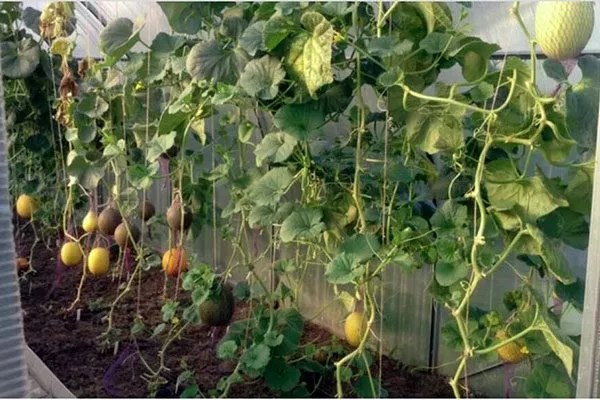
- Selecting a location. Plant in a well-lit, sunny spot—the amount of light directly affects the yield. The site should be protected from drafts. A south or southeast exposure, near a fence or building, is ideal.
- Sowing scheme. The recommended distance is 75 cm between adjacent holes and 150 cm between rows.
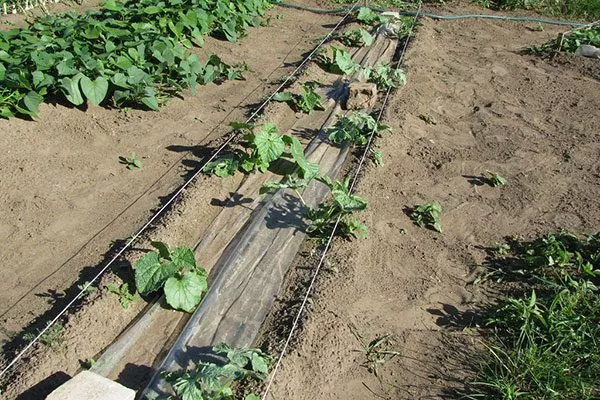
- Landing. The beds are prepared approximately a month before planting. The soil in the selected area is dug, fertilized, and structure-improving components are added. Before planting, rows or holes are dug into which the sprouted seeds are placed.
- Watering. During the first week after planting, water the melons weekly. Subsequently, water them only during periods of drought. Once the fruit appears, watering is stopped, as excess moisture negatively impacts the fruit's flavor.
- Top dressing. Mango melons are fertilized three times per season. The first application is made two weeks after transplanting to their permanent location. The second application is made after flowering, and the third before fruit formation. The variety responds very well to organic fertilizers such as humus, compost, and the like.
Reviews of the variety
Mango is a wonderful variety that will appeal to fans of small-fruited melons and unusual flavors. This versatile melon is easy to grow and hardy; the key is to choose the right location and prepare high-quality soil.