
The Polish melon Malaga F1 is quite popular among our gardeners and homesteaders. It boasts excellent characteristics, a wonderful taste, and high marketability, making it an excellent choice for those who love sweet melons.
Description of the Malaga melon
The plant is distinguished by strong stems, large leaves, and robust roots. Thanks to these roots, the robust bush receives sufficient nutrients to produce small but tasty melons.
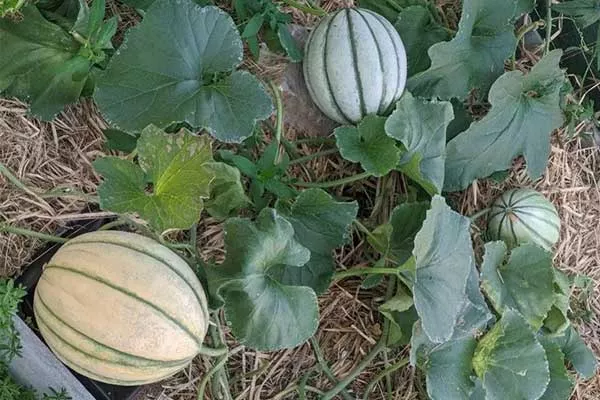
Description of fruits:
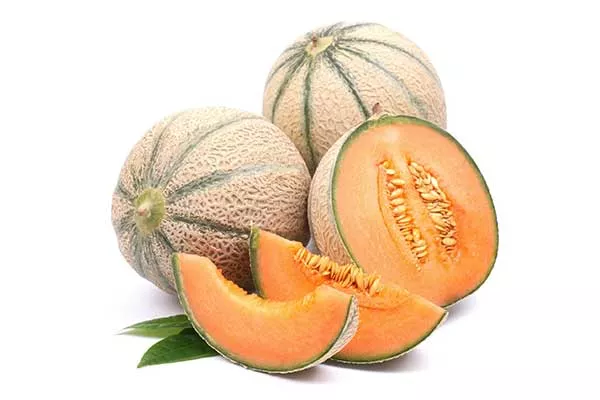
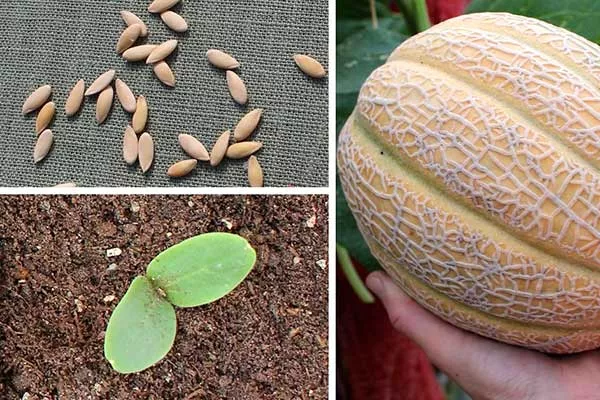
- shape - spherical;
- surface - uneven, ribbed, with a fine mesh;
- coloring - yellowish-orange, diluted with barely noticeable dark stripes;
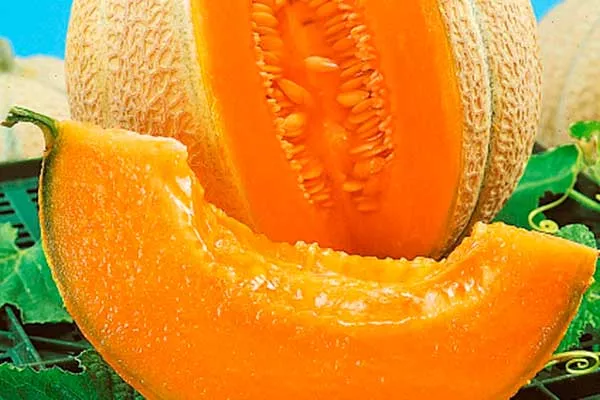
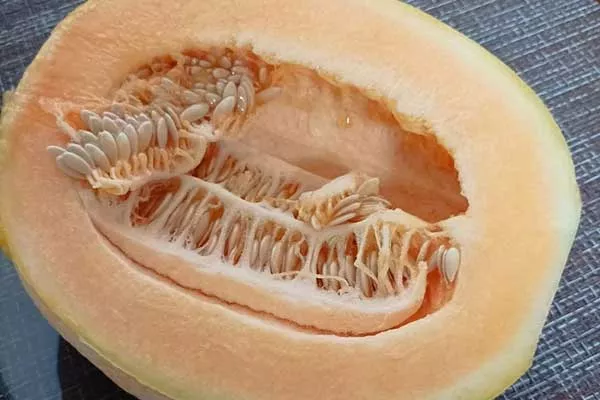
- the pulp is dense, juicy, with an oily structure;
- pulp color - in ripe fruits it becomes salmon-colored;
- aroma - pleasant, rich;
- weight - 0.9-1.2 kg.
History of the variety's creation
The Malaga F1 melon was developed by Polish breeders. The cultivar's originator is PHN W. Legutko (Poland). This hybrid melon is suitable for growing in any type of soil, both open and closed.
Taste and purpose
The Malaga melon has a wonderful flavor and aroma, is sweet and juicy. This variety is versatile: it's delicious fresh, but it can also be used in juices, porridges, and all kinds of desserts. This sweet melon makes a wonderful melon jam.
Ripening time and yield
The Malaga F1 melon is a mid-early variety, with a maturation period of 80-85 days from germination to fruit ripening. It is a high-yielding variety, yielding 3-4 kg per square meter when grown in a polycarbonate greenhouse. Yields in open ground depend largely on growing conditions and care.
Pros and cons
The Malaga melon is popular with gardeners for good reason. This variety offers a wide range of advantages that are sure to be appreciated by gardeners. It does have a few drawbacks, but it's best to be aware of them in advance.
How to plant Malaga melon?
Malaga melon is grown by planting seeds in the ground and by using seedlings. The former method is typically used in southern regions, while in more northern regions, seedlings are used to speed up harvesting. Seeds are planted in the ground in April, and seedlings in May. Melon thrives on warmth, so it's important to avoid the risk of recurrent frosts.
- ✓ The soil temperature during planting should be at least +15°C for optimal seed germination.
- ✓ It is necessary to provide protection from wind, especially during the initial period of growth, to prevent damage to young plants.
Landing features:
- Melon beds should be placed in a well-lit, warm, and sunny location. The best spots are slopes on the south, southwest, or southeast side of the plot. Lowlands and areas with stagnant water are not recommended for melons.
- Melons require light, fertile, and well-drained soil. They grow best in sandy loam or loamy chernozem soils with a neutral or alkaline reaction (pH 6-7).
- Good predecessors for melons include annual and perennial grasses, winter crops, and legumes. It is not recommended to plant melons after potatoes, root vegetables, and melons.
- Before planting, the soil is carefully prepared. In the fall, it is dug to a depth of about 30 cm. In the spring, before sowing, the soil is harrowed and cultivated 2-3 times during mass cultivation. In the garden, the soil is deeply loosened; the soil should be very loose. Planting is done in a 100x50 cm pattern.
How to care?
To ensure that the Malaga melon produces good yields and that its fruits have the size and taste that correspond to the varietal characteristics, proper care is necessary.
How to care for Malaga melon:
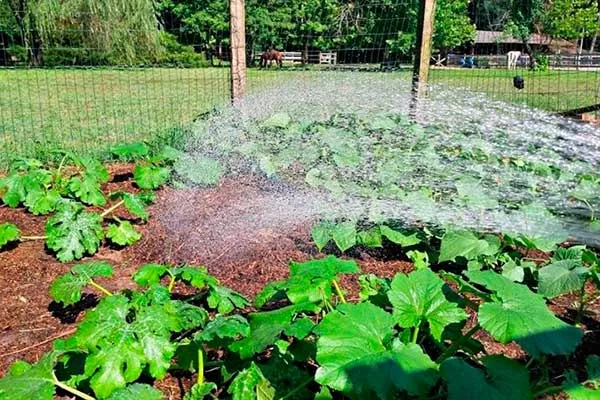
- Use warm, settled water for watering. Cold water is contraindicated, as it causes stress and promotes rot. Water should be poured only onto the soil, avoiding contact with the leaves.
- Melons are fertilized every two weeks. Complex fertilizers are preferred, such as nitroammophoska or ammophoska. These are applied as a solution under the roots. These fertilizers are applied before flowering, when ovaries appear, then switch to superphosphate, and during the ripening period, wood ash is used.
- The beds are regularly loosened, weeded, and removed. Vegetation is removed along with the roots to prevent further root regrowth. Loosening is done very carefully to avoid damaging the surface roots.
Prevention of diseases and pests
The Malaga melon has a high resistance to powdery mildew and is virtually unaffected. To prevent the disease from developing, plants are regularly inspected for symptoms. This variety has a fairly high immunity, but if cultivation practices are not followed, infections of various kinds cannot be ruled out.
How to harvest?
In the south, the Malaga melon ripens as early as July, while in more northern regions it ripens later. The fruits are harvested in the morning or evening; picking in hot weather is not recommended. Ripeness is determined by the fruit's color—it turns yellow-orange—and the development of its aroma. When harvesting, be sure to leave the stem, about 5 cm long, attached to the fruit.
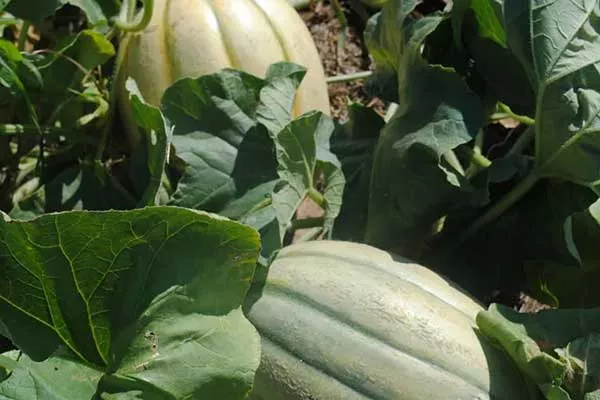
Melons for storage are sun-dried and stored in a cool, dry place. Early melons don't keep for long. Under favorable conditions, Malaga melons retain their freshness, flavor, aroma, and marketable appearance for about a month. It is recommended to store melons at +1 to +3°C and 70–80% humidity.
Reviews
The Malaga melon is an interesting and very promising variety with excellent flavor. It's definitely suitable for those who prefer smaller melons. However, to grow truly delicious melons, it's important to create the right growing conditions.