
The Lychee melon is an unusual hybrid variety that attracts amateur gardeners and homesteaders with its distinctive taste and appearance. This melon is native to Southeast Asia, but it is quite suitable for growing in temperate climates, especially when grown from seedlings and under plastic covers.
Description of the Lychee variety
The Lychee melon is an ultra-early hybrid, ripening in 60-70 days from planting seedlings in open or closed ground. The plant is compact, reaching a maximum height (length) of 50-60 cm. The green leaves are heart-shaped and slightly pubescent.
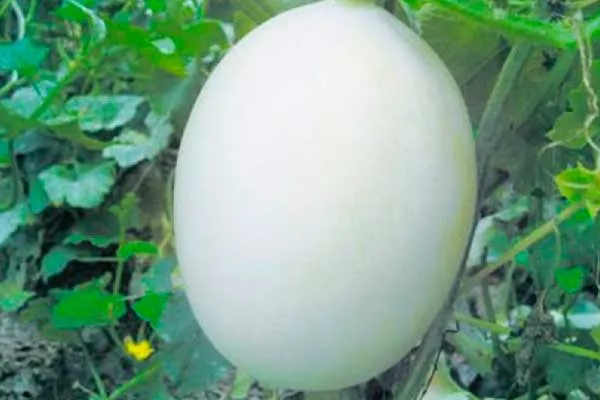
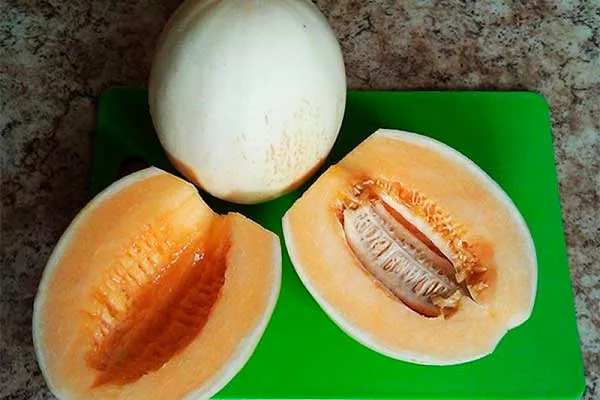
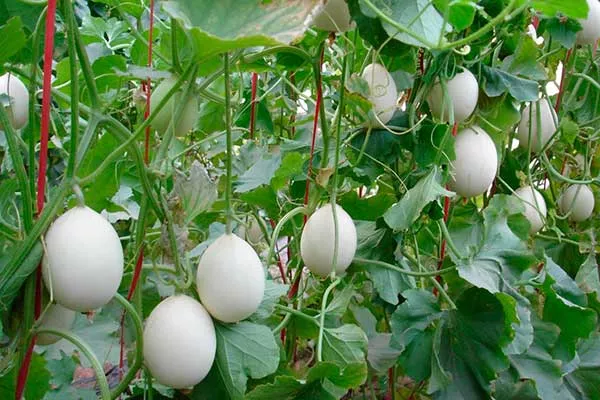
The oval-shaped fruits, unlike regular melons, have a white rind rather than a yellow one. The average fruit weight is 1-1.5 kg, which depends directly on the number of melons on the plant. The flesh is light orange, tender, and juicy.
History of creation
The Lychee melon is a Muscat variety developed in China. The hybrid takes its name from the fruit of the same name. Its flavor is truly reminiscent of the lychee, also known as the "Chinese plum." This fruit has a flavor that combines grape and wild strawberry.
Taste and application
Lychee melon has a very sweet flavor with hints of honey. The pulp is delicious and aromatic, with a high sugar content of 17-19%. Ideal for fresh consumption, it is also suitable for a wide variety of desserts, drinks, and culinary dishes.
Pros and cons
It's no wonder the white lychee melon is popular among amateur gardeners and summer residents. Besides its excellent taste, it has many other advantages that are worth learning about in advance. It's also a good idea to learn about any shortcomings, if any.
Landing
Lychee melon can be grown using both conventional and seedling methods. In the former case, seeds are sown directly into the beds; in the latter case, seedlings are grown first, which are then planted in the beds, under plastic, or in a greenhouse.
- ✓ The site should be protected from northern winds to prevent plants from cooling.
- ✓ The soil should have a pH of 6.0-6.8 for optimal growth of Lychee melon.
Landing features:
- Melons should be planted in open, sunny areas. Shade is contraindicated, as it will result in small, unsweetened fruits, or even failure to ripen. The site should be level, and elevated areas are also suitable. Lowlands are unsuitable, as melons do not tolerate stagnant water.
- Seeds for seedlings are sown in April, and planted in May, approximately one month after sowing. After planting, the seedlings are covered with plastic, as there is always a risk of cold snaps in temperate climates. Night frosts are particularly dangerous, as they can destroy the entire melon crop.
- Melons are sown in open ground only in the southern regions, and only after favorable weather conditions have developed:
- the soil should warm up to +10 …+ 12°С;
- Temperatures should stabilize at 15–17°C. There's no need to rush planting if there's a risk of recurrent frost. Even in the south, it's not recommended to begin sowing seeds outdoors before May 15–25.
- The best soil for melons is loose, light, and fertile. Clay and heavy soils are not suitable. It is recommended to add 5 liters of sand per square meter to the soil before planting.
- Various grasses are considered suitable precursors for melons. They can also be planted after green manure, corn, and most vegetables, but they should not be grown after pumpkins, squash, pattypan squash, and watermelons due to the high risk of dangerous diseases.
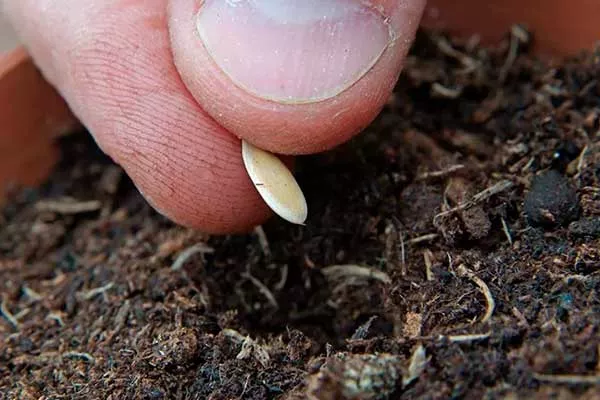
- Seeds are planted 4-5 cm deep, regardless of whether they are being sown for seedlings or directly into the garden beds. The recommended planting pattern is 70-100 cm between adjacent plants and 140 cm between rows.
Care Features
The Lychee variety, like most melons, doesn't require any special care. Melons are typically planted at the end of the garden or in remote areas, where they are visited occasionally to check on the condition of the plants and provide them with water or fertilizer, if needed.
Growing nuances:
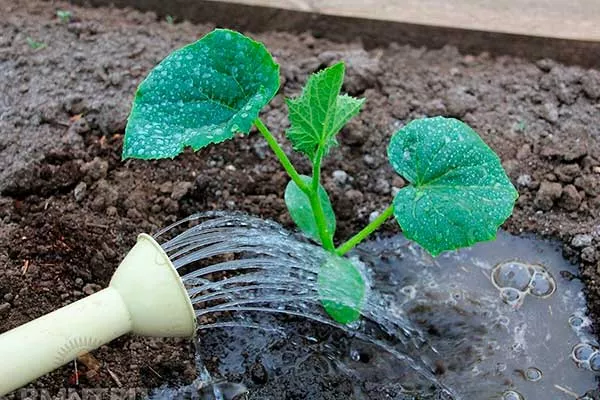
- Watering. Excessive moisture is contraindicated for lychee melons. Firstly, it impairs the fruit's flavor, secondly, it causes root rot and promotes various fungal diseases. If the summer is rainy, melons are often susceptible to diseases, grow poorly, and the fruit begins to rot while still immature.
Melons need water most during the first month of their life; then their long roots reach deep into the soil and draw moisture from there. Even young plants require very moderate watering—5 liters per plant. Young melons are watered weekly. However, this is only during drought conditions; during wet summers, watering is not necessary. - Top dressing. Fertilize the soil before sowing/planting. Add 10 g of urea, superphosphate, and potassium sulfate per square meter.
- Formation. In the south, where melons are sown directly into the ground and grown without cover, shaping is usually not necessary. Plants produce excellent yields without it, and as many melons ripen as the bush can produce. In regions with cold, short summers, it's necessary to prevent the vines from growing too vigorously so that the plant can devote all its energy to ripening the fruit.
- Standardization. It is also needed primarily in areas with short summers. No more than 6-8 fruits are left on a single plant. Otherwise, they will grow too small, weighing less than 1 kg.
Collection and storage
Melon ripeness is typically determined by several signs: color change, the development of a rich aroma, and ease of removal from the stem. Unlike most varieties, the lychee melon's rind becomes lighter as it ripens. The fruit is picked when it turns pure white and pulls easily from the stems.
- ✓ The ripening room must be well ventilated.
- ✓ The room temperature should be maintained at +20…+25°C.
Melons are also picked slightly underripe; they can ripen further in a warm room. In this case, it's important to leave a stalk about 5 cm long. Lychee fruits, like all ultra-early varieties, don't keep for long, 7-10 days at most.
The Chinese lychee variety will appeal to gardeners seeking unusual varieties. Despite its excellent taste and unique appearance, this white melon is quite easy to grow. The key is choosing the right location, and its most important requirements are warmth and sun.