
The Lada melon is popular among experienced agronomists and first-time gardeners alike. This is due to its positive qualities and varietal characteristics. The variety produces high yields and exhibits disease resistance, but only with proper care and adherence to proper agricultural practices.
Who developed the variety and when?
It was bred by domestic breeders in 2005. The variety was developed by K. E. Dyutina, S. D. Sokolova, N. I. Shustova and T. V. Sokolenko.
Description of the plant and fruits
The plants have a wide, spreading form, with stems reaching 2 m in length. Other distinctive features:
- The shoots are covered with medium-sized leaves, practically hairless, and painted in a typical rich green color.
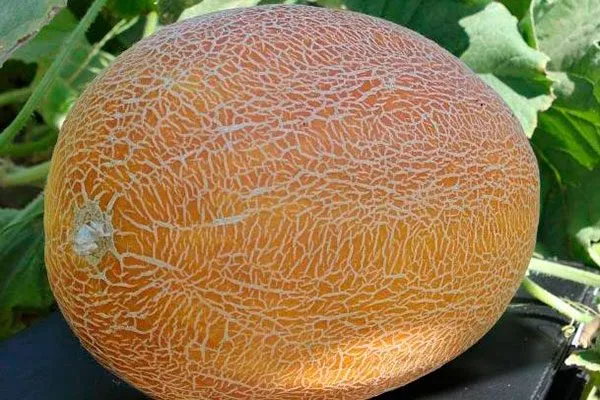
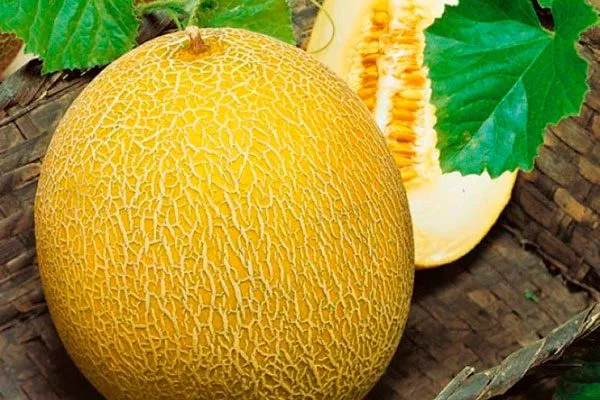
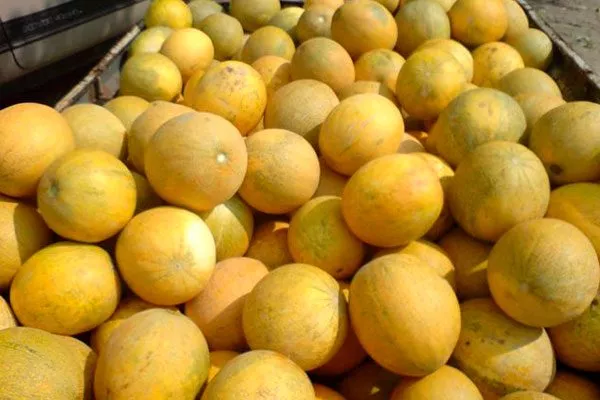
- The fruits have a round shape and the skin is yellow.
- The weight reaches 1.5-2 kg.
- The light yellow flesh has a pleasant and rich taste, with virtually no aroma.
Taste and purpose
Recommended for fresh consumption. It's ideal for various desserts, such as smoothies, ice cream, and baked goods. Melon has a pleasant, sweet flavor despite its low sugar content. The slices are used in fruit salads and other dishes.
Properties, composition and characteristics
The sugar content is 8.75%, and the dry matter content is around 10.5%. The calorie content is only 33 kcal, making it suitable for diets and weight loss. The chemical composition includes vitamins B, C, and P, macro- and microelements, pectin substances, fats, and mineral salts.
The fruits help normalize digestive function, restore intestinal microflora, and eliminate harmful cholesterol from the body. They can be used as a therapeutic food for cardiovascular diseases, atherosclerosis, and liver and kidney dysfunction.
Ripening and yield
This variety is mid-season, with the time from germination to harvest taking 75-95 days. This period is largely dependent on weather conditions. Ripening time may be extended by low temperatures or dry weather. Yields are impressive, averaging 211 to 218 centners per hectare.
Landing features
Growing melons requires specific environmental conditions, and both drought and excess moisture can be detrimental to this melon crop. The most favorable humidity level is around 70%.
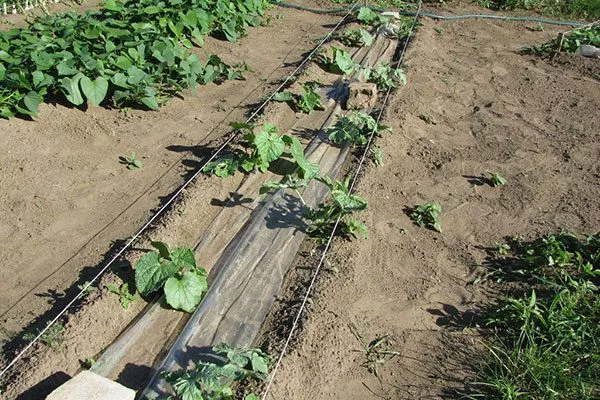
Growing recommendations include the following steps:
- Planting date. Warm weather is required for successful growth and fruiting, so it's recommended to plant outdoors when the air temperature is at least 17°C. For seedlings, sow seeds from late April to early May.
Transplant the seedlings into the ground in early June. The exact timing depends on the region and weather conditions. - Soil composition for planting. To ensure an optimal harvest, the soil must have a light texture and a neutral pH. To improve the soil and prepare it for planting in the fall, add compost or humus during tilling – use 4-5 kg of fertilizer per square meter.
If you have clay soil, add river sand. In the spring, re-dig the area, using peat or wood ash to speed up snow melting. Before planting, deep-loosen the soil and add superphosphate and potassium salt.
Do not use fresh manure because it affects the taste of the fruit and reduces the immunity of the plants. - Size of the planting hole. Plant seedlings on ridges, digging holes about 10 cm deep. The distance between rows should be 100-120 cm, and between plants in a row – 70-90 cm.
- Landing site. For planting crops, choose well-lit areas protected from the wind.
- ✓ The optimal soil temperature for planting seeds should not be below +15°C, which is not mentioned in the article.
- ✓ To prevent fungal diseases, pre-sowing treatment of seeds with biofungicides is recommended, which is not included in the recommendations.
Preparing and sowing melon seeds:
- Soak the seeds in a weak solution of potassium permanganate for 20 minutes, then rinse thoroughly under cool water.
- Harden off the planting material: first, soak it in hot water (up to 35°C) for 2 hours, then keep it at 18…20°C for 24 hours. After this, place the seeds in the lower compartment of the refrigerator for 16-18 hours, then return them to a warmer place for 6 hours.
- Immediately plant the prepared seeds in pre-prepared pots with moistened soil, immersing them to a depth of 4-5 cm.
- Sowing seeds for seedlings allows you to speed up the ripening of fruits by 15-20 days.
- The seedlings are ready for planting when they have 4-5 true leaves.
- Before planting, moisten the soil in each hole and fertilize it with humus or nitrophoska.
- Transfer the seedlings to the center of the hole and fill them with soil up to the root collar, leaving it at ground level, then lightly moisten the soil.
- Protect the seedlings from sunlight for 2-3 days, creating shade so that they take root better.
Subtleties of agricultural technology
To obtain a high-quality harvest when growing melons, it is necessary to adhere to certain agricultural practices:
- Loosening and hilling. Loosen the soil between rows to a depth of 10-15 cm initially and to 8-10 cm later. Be careful not to disturb the soil near the stems to prevent damage to the root system. Remove weeds when loosening.
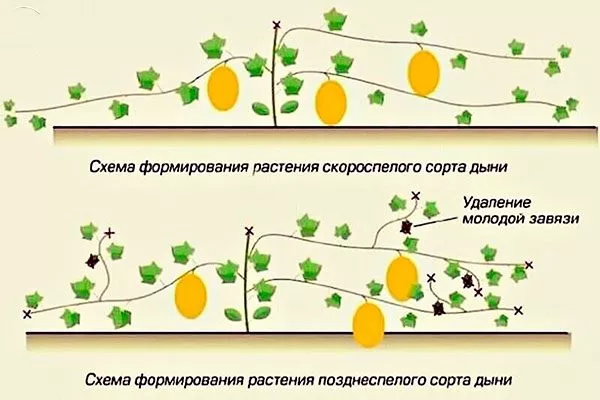
Hilling should be carried out when the side shoots appear, while regulating their growth and directing them in the desired direction. - Topping. Perform the first procedure when growing seedlings, and then as the seedlings acclimate to the open ground. Pinch back the main shoot, leaving 2-3 side shoots. Pinch the side shoots at the level of the second pair of leaves, and remove any excess flowers.

- Ventilation. The greenhouse must be regularly ventilated to prevent overheating. Relative humidity should be between 60-70%, especially during fruit ripening. Protect melons from contact with the ground, for example, by placing plywood or a covering material between the fruit and the soil.
- Watering. Water carefully, avoiding overwatering. The greatest amount of moisture is needed during the formation of ovaries and active growth of foliage. Otherwise, watering once every 7 days is sufficient.
- Fertilization. Start fertilizing melons in open ground two weeks after transplanting. Use organic fertilizers during the leaf growth period, and apply phosphorus-potassium mineral mixtures during fruit formation.
- Garter. In a greenhouse, melons are often grown on trellises. The stems are tied to the trellis, creating a U-shape. Fruiting shoots should also be tied to prevent them from breaking off as they gain weight.
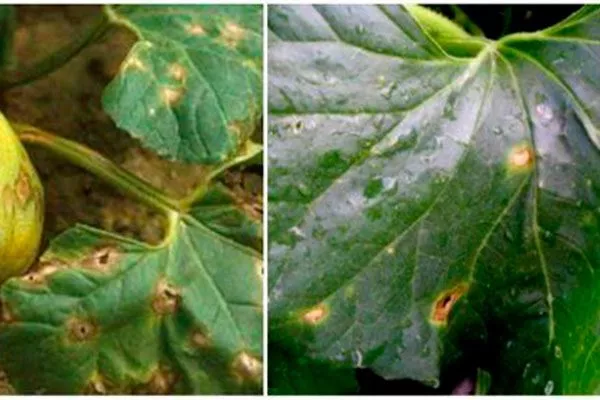
Melons are susceptible to bacterial, viral, and fungal infections. They can become infected through seeds, weeds, plant debris, and soil. Furthermore, certain insect pests can carry various diseases that can be dangerous to the crop:
| Disease/Pest | Symptoms | Treatment methods |
| Anthracnose | The appearance of round spots on the leaves, which expand and cover the entire surface. Holes in the leaves, their curling and drying out. Fragility and thinness of the shoots. Deformation and rotting of the fruit. | After each watering, thoroughly loosen the soil. During the growing season, spray the plants with a 1% Bordeaux mixture or dust them with sulfur powder. Apply the treatments at intervals of 10-12 days, for a total of 3-4 times. |
| Powdery mildew | Whitish spots on leaves and stems, followed by drying and curling. | Removing plant debris and weeds. Maintaining proper crop rotation. Treatment with colloidal sulfur solution. |
| Fusarium | Wilting, light spots on leaves and stems, subsequent wilting and death of plants. | Destroy infected plants. Regulate watering. Deep soil digging. Seed disinfection. |
| Aphid | Leaf damage, yellowing, curling, drying of leaves and flowers. | Removing plant debris. Treatment with a solution of Karbofos, laundry soap, or Actellic. |
| Spider mite | Yellowing and dying plants, presence of thin webbing. | Detect and isolate affected plants. Use acaricides, sulfur, or phosphorus compounds. |
| Wireworm | Wilting of plants, damage to seeds and stems, holes in fruits. | Maintain crop rotation. Remove weeds and loosen the soil. Use baits. |
| Melon fly | Holes in fruits, egg deposition in the pulp, rotting. | Seed treatment. Digging in young plants. Insecticide treatment. |
| Method | Efficiency | Period of application |
|---|---|---|
| Biofungicides | High, no harm to the plant | At all stages of growth |
| Chemical fungicides | Very high, but can cause harm | Just before flowering |
Harvesting
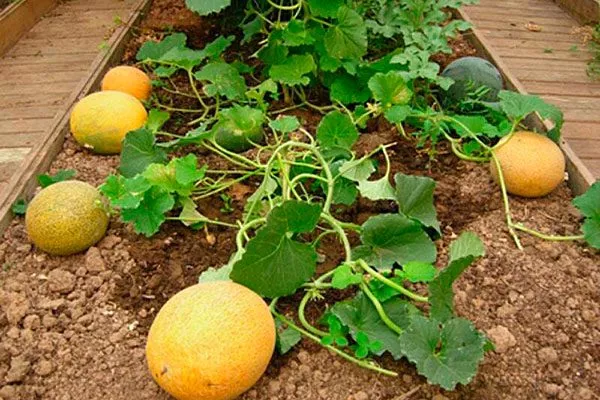
The harvest time varies depending on climate conditions. If you plant in late May, you can expect the first fruits by mid-August. To maintain marketability, cut the melons with the stems attached and store them in a cool place, where they will retain their quality for up to 1 month.
Use in home cooking
Thanks to its dense, sugary flesh, the Lada melon is ideal for candied fruit. The harvested fruit is used to make jam, which makes a wonderful addition to desserts. Jams and compotes made from the pulp provide a rich source of vitamins during the winter. Its sweetness and sugar content make it an excellent winemaking ingredient.
Pros and cons
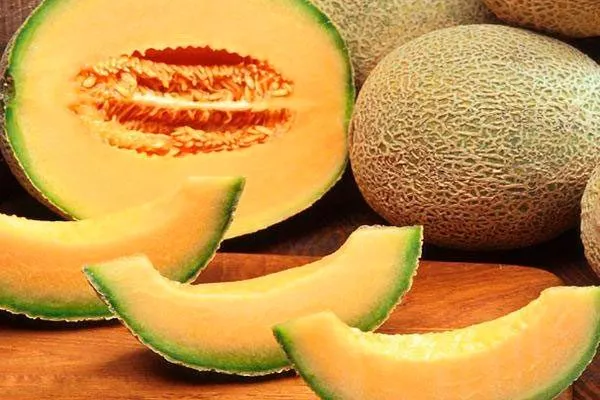
A distinctive feature of this crop is its reduced sugar content, making it ideal for those watching their weight or following a healthy lifestyle.
The Lada melon has a number of positive characteristics, including:
Reviews of the Lada variety
The Lada melon is a reliable choice for gardeners. It boasts a number of positive varietal characteristics, including disease resistance and high yields. Successful cultivation requires proper care to strengthen the plant's immune system and produce large, ripe fruits.