
Kolkhoznitsa is an old, tried-and-true melon variety that once enjoyed nationwide fame. Even today, despite dozens of new varieties, the small and sweet Kolkhoznitsa continues to ripen in our gardens. Let's learn about the specifics of planting and growing this fragrant melon in different regions of Russia.
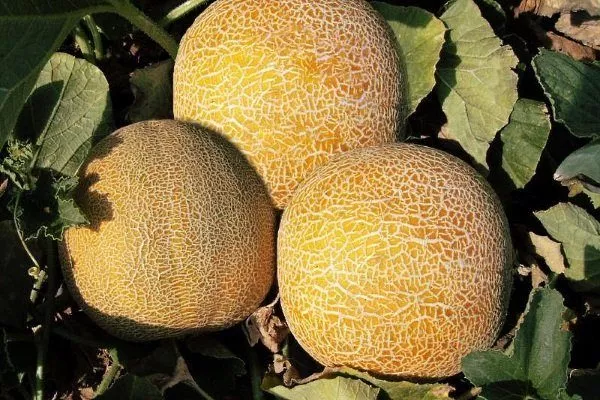
melon variety "Kolkhoznitsa"
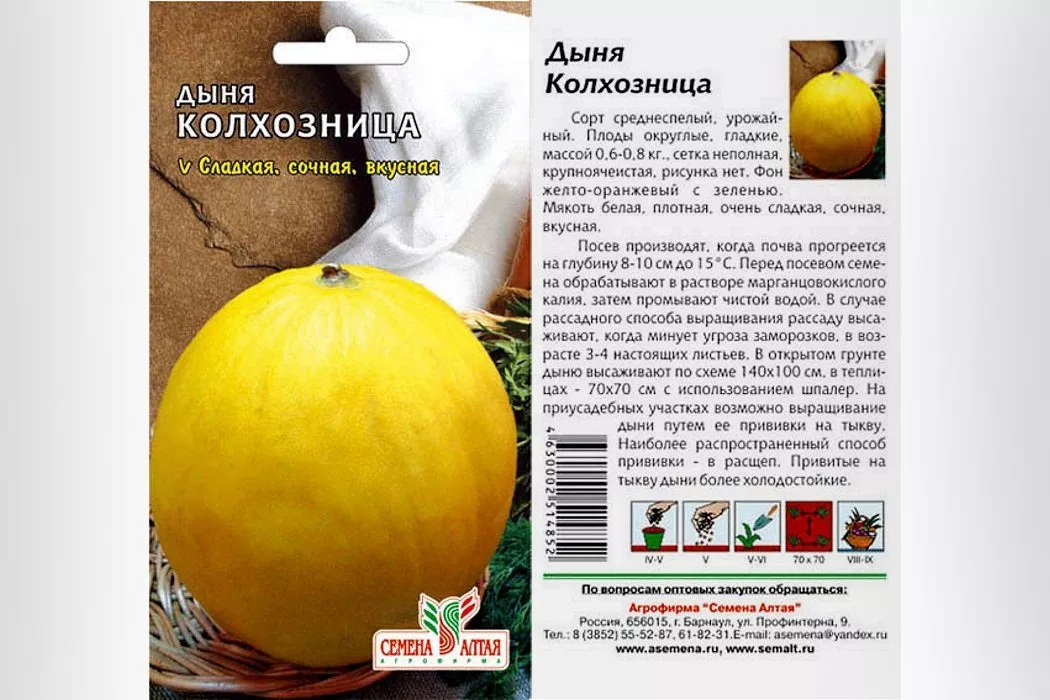
melon seeds of the Kolkhoznitsa variety
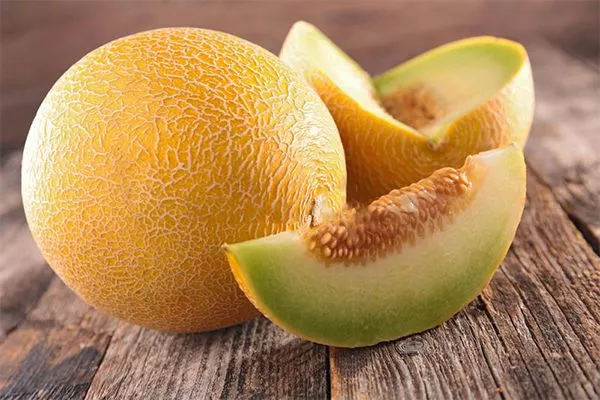
The Kolkhoznitsa melon has been at the peak of its popularity for eight decades now.
History of the variety
The variety was added to the State Register in 1943. It was developed before the war. Its creators applied for registration in 1939. The site of its development was the Biryuchekutskaya Experimental Station (Novocherkassk, Rostov Region).
- ✓ The optimal soil temperature for planting seeds should be at least +15°C.
- ✓ To prevent fungal diseases, it is necessary to ensure good air circulation around the plants.
Description of the culture
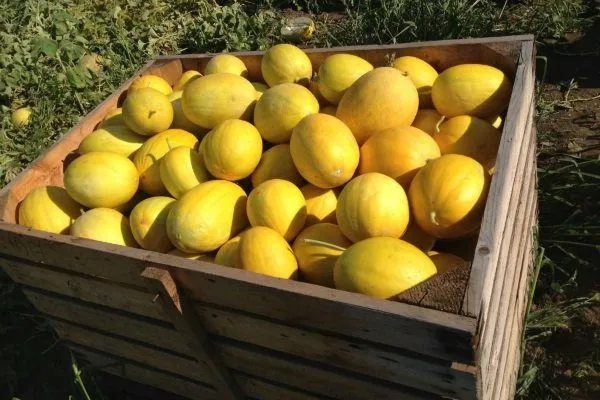
The fruits of the Kolkhoznitsa variety are spherical. Fruit description:
- Pulp. Thin, as the fruit is small. White. Juicy, slightly crunchy.
- Crust. Flexible yet firm. Bright yellow, sometimes with an orange or green tint. Smooth, sometimes with a coarse mesh.
The flavor of Kolkhoznitsa depends on growing conditions. The cooler the summer and the less sun, the less sugar the fruit accumulates. Kolkhoznitsa contains many seeds.
Characteristics of the variety
The variety produces small fruits and has a short growing season. These characteristics allow "Kolkhoznitsa" to be grown in short, cool summers. The main characteristics of the variety are listed in Table 1.
Table 1
| Characteristics/parameters | Description/Meaning |
| Ripening time | mid-season |
| Fruit weight | 0.7-1.3 kg, maximum – 2 kg |
| Sugar content | 11–12% |
| Growing season | 77-95 days |
| Taste | sweet, from "good" to "excellent" |
| Growing | in open ground or in a greenhouse |
| Purpose | for eating fresh, also suitable for making jam, marmalade and candied fruits |
| Disease resistance | The variety is resistant to bacterial blight, but is often affected by anthracnose and powdery mildew |
| Marketable yield | 1.5-2.3 kg per 1 sq. m |
| Transportability | good |
| Drought resistance | good |
| Frost resistance | good |
Pros and cons
"Kolkhoznitsa" has remained popular for nearly 80 years, remaining not only a folk favorite but also a sought-after commercial variety. What's the secret to such longevity? Its advantages, of course:
- She has excellent taste.
- It is easy to transport.
- It's the perfect size. The small fruit is easy to eat—you can easily eat it all in one sitting.
- Growing quickly.
- Can be propagated by your own seeds.
The variety has minor shortcomings, some of which gardeners struggle with and others they put up with:
- If the crop is grown in greenhouses, hand pollination is required.
- May be affected by fungal diseases.
- Small fruit weight.
A review of the Kolkhoznitsa melon variety is presented in the following video:
Regionalism
Melon is an extremely heat-loving crop. It is typically grown in southern regions—without bright sunshine and hot summers, delicious melons are impossible to produce. However, this variety grows in all regions except the Northwest and North.
Growing in the Urals
The Ural summers are short and cool. Melons don't have time to ripen here. A harvest is only possible when grown in greenhouses. If proper cultivation practices are followed, and the melon beds are fertilized and watered regularly, the fruits grow quite sweet.
Moscow region
Growing melons in the Moscow region is not easy. To ensure the fruits ripen and reach their full sweetness, seedlings must be grown. Seeds are sown no earlier than mid-April. Once the seedlings have established themselves, they are transplanted into prepared beds. This is done around mid-June.
The melon plot is well fertilized with organic matter and covered with dark agrofibre or polyethylene film. Holes are made in the material, and the seedlings are planted in these holes. At night, the melon seedlings are covered with spunbond, as nights in the Moscow region are cold.
Melons in Siberia
In Siberia, the Kolkhoznitsa variety is grown not only under cover. The local summer is long enough for the fruits to ripen in the open ground. Frost resistance and a long growing season allow for a good harvest of melons.
In Siberia, melons are grown in "warm beds." They're made like this:
- Remove a layer of soil 10-12 cm thick.
- Place rotted manure on the bottom, layer thickness 4-5 cm.
- Fallen leaves, small branches, sawdust, and other plant debris are poured into the hole.
- Water with a solution of nitrogen fertilizers (20-25 g per bucket).
- Add 20-25 cm of fertile soil on top.
Siberia is prone to recurrent frosts. These occur not only in spring but also in summer. If cold weather is expected, melon plantings are protected with smoke protection by lighting fires around the beds. Another option is to treat the melons with Epin. It is diluted in cold water at a rate of one ampoule per 5 liters. The effect of this spray lasts for a week.
How to plant Kolkhoznitsa?
Depending on the climate, Kolkhoznitsa is planted as seedlings or from seeds in open ground. The latter option is completely unsuitable for regions with cool, short summers. Let's learn how to grow seedlings and how to plant them.
Preparing seedlings
Melon seedlings can be purchased or grown at home. The key to growing seedlings is timing the sowing correctly. This depends on the region—the later spring arrives, the later the sowing time. Growing methods also influence timing. If melons are grown in both greenhouses and open ground, the latter option requires sowing seedlings 2-3 weeks later.
When planning your sowing time, keep in mind that the seedling period lasts 30-35 days. By the time the seedlings have grown, favorable weather conditions should have developed. For example, if you sow the seeds in early May, the harvest will be ready in August. If you postpone sowing until April, the fruits will ripen a month earlier.
It's not a good idea to sow seeds before April—there's still little light in March, so you'll need to provide supplemental lighting. If you delay sowing, the seedlings will stretch out. Seedlings with long stems and many leaves don't take root well, become susceptible to disease, and stunt growth.
If the region has less than 90 sunny days, melons are grown using seedlings.
Preparing seeds for growing
The seeds should be large and free of defects. A good seed is firm and doesn't give way when pressed. Preparation procedure:
- Testing. Before soaking the seeds, identify any empty seeds. The planting material is soaked in water, and any floating seeds are discarded.
- Germination. The seeds that pass the test are soaked in a growth accelerator. The first sprouts appear within two days.
- Hardening. The sprouted seeds are wrapped in gauze and placed in the refrigerator for 15-20 hours.
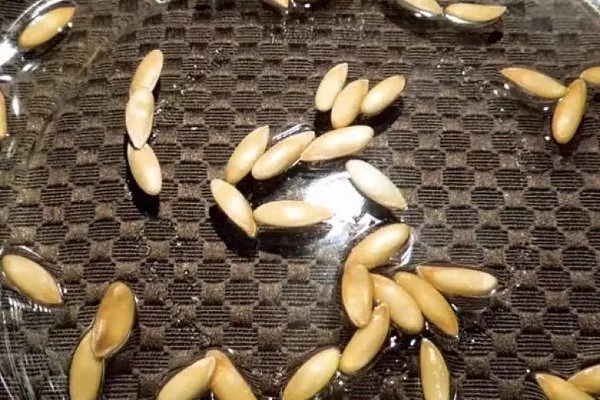
seed testing
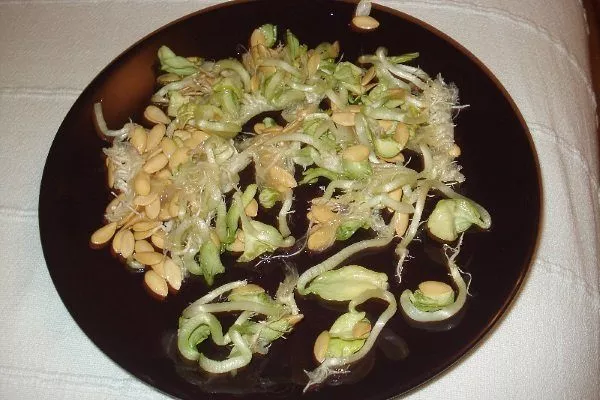
seed germination
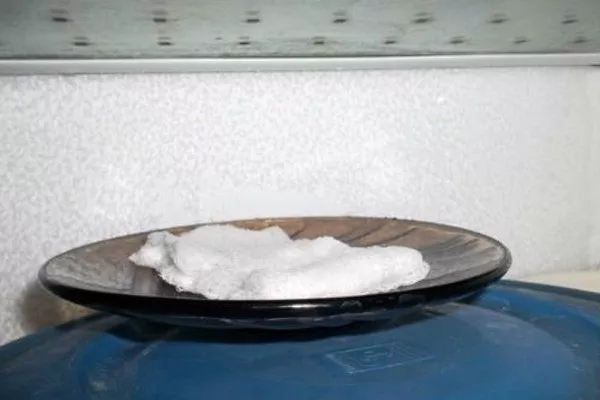
seed hardening
Kolkhoznitsa seeds are always available at seed stores. They're easy to buy at any seed kiosk. Seeds in plain white packets are cheaper. A white packet costs 5 rubles, while a colored one costs 10 rubles. However, if you choose one or two packets, the difference isn't significant. You can then harvest your own seeds.
Let's start sowing
To sow seeds, you'll need peat or regular plastic cups. They're filled in advance with either a ready-made substrate or a homemade mixture. The seedling mixture includes regular garden soil, peat, wood ash, and river sand.
The volume of the cups depends on how long you'll be growing the seedlings. For 2-3 weeks, 150-200 ml is sufficient; for 4 weeks, 300-500 ml.
Hardened seeds are planted in cups. How to sow seeds for seedlings:
- Plant the seeds 5-6 cm deep.
- After sowing, moisten the substrate with water at room temperature.
- Plant two seeds in each cup. Later, choose the best sprout from the two that sprout.
- Place the cups in a sunny location. The optimal room temperature is +20°C. Seedlings will appear in about a week.
- Water the seedlings regularly. Sprinkle the soil with sand to protect the seedlings from root rot.
- Pinch the tips of the main shoots after three full leaves appear. The sprouts will begin to produce side shoots.
After a month, the seedlings are planted in the ground or under plastic. Sowing in a permanent location is similar to sowing for seedlings – the same depth, temperature, etc. The sowing pattern for open ground is 140 x 100 cm, and for greenhouses – 70 x 70 cm.
Caring for seedlings
Rules for growing seedlings:
- Temperature conditions for seedlings are +25… +30°C.
- The glasses are placed in the brightest place.
- Watering frequency: as the top layer dries out.
- Watering is abundant.
- The seedlings do not require fertilizers; they grow in fertile soil.
An alternative way to grow seedlings
Seedlings are grown without cups and substrate as follows:
- Spread out cellophane or film 10 cm wide. The length of the strips is calculated by doubling the number of seeds.
- Place toilet paper folded in half on the film.
- Spray the paper with water from a regular spray bottle.
- Step back 2-3 cm from the edge and spread the seeds on the wet paper, every 1-2 cm.
- The finished “planting” is rolled up, secured and lowered into the water with the bottom edge.
One to two dozen seeds are sown in a roll at a time. One cup is used for everything. Seedlings appear in 3-4 days. They grow well without soil for two weeks. As soon as the first leaf appears, the seedlings are planted in their permanent location.
If planting must be postponed, the roll is unrolled and covered with soil to a thickness of 1-2 cm. Then the roll is rolled up again. When replanting, the plant can be easily separated from the paper, which quickly rots in the soil.
Selecting and preparing a planting site
"Kolkhoznitsa," as befits melons, is grown in the sunniest and most spacious areas. Additional site requirements:
- Soils are light or loamy.
- Groundwater level is 2-3 m.
- Protection from winds.
- The best predecessors are green manure, onions, potatoes, and cabbage. Cucumbers and all melons are not recommended.
- Avoid waterlogging, as it is fatal for melons.
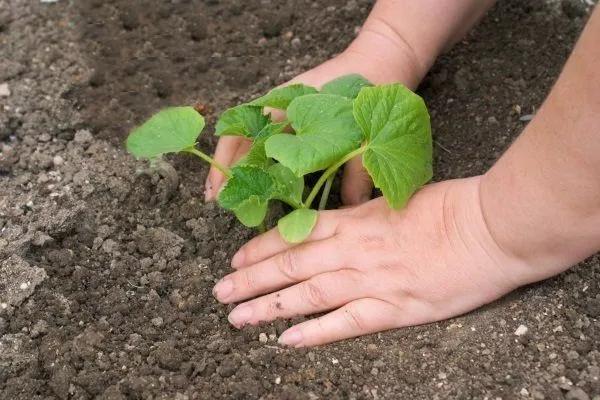
Preparing a site for different types of planting:
- In the greenhouse. Features of soil preparation for a greenhouse:
- The soil is collected after frost, when most of the pests have died.
- Weeds are removed from the area and it is dug up, adding humus or manure.
- Ash or lime is added to the soil.
- In open ground. Place under planting in open ground Preparations begin in the fall. Soil preparation:
- Autumn. For 1 square meter of area, add 1 tablespoon of superphosphate and the same amount of potassium fertilizers.
- Spring. Add 0.5 liters of wood ash, as well as 1 bucket of humus or compost. If there is no organic matter, you can add 1 tbsp of urea or ammonium nitrate.
To loosen the soil, add sand. Leaves, hay dust, thin branches, and plant debris make good substitutes.
Landing rules
The minimum planting temperature, regardless of location, is 11°C. Melons will not thrive in colder conditions. Prolonged exposure to cold will kill them.
Features and rules for planting seedlings:
- The cups in which the seedlings grew are removed or at least torn apart when planting. If this isn't done, the cups will become a crust impenetrable to the roots due to insufficient watering.
- Plant seedlings from cups at the same depth they were growing at. Avoid planting them deeper than they're used to.
- Melons don't handle being moved well. Therefore, it's crucial to transplant carefully—move the roots along with the soil, being careful not to damage them.
- The holes are lightly sprinkled with dry sand.
- For the first week, cover the seedlings with spunbond. If the planting is small, each seedling can be covered with plastic bottles.
- If the temperature is below +5°C, the plantings are covered.
- Water the melons with warm water.
Caring for a melon
The most important things for melons are the right temperature and humidity. Everything else is simple: the beds need to be weeded, loosened, fertilized, and watered. Covering the soil with dark film makes care even easier. Kolkhoznitsa loves warmth and oxygen. Humidity is unacceptable, as it promotes the growth of fungi, to which the variety lacks particular immunity.
Watering and fertilizing
Features of watering the Kolkhoznitsa melon:
- During the period of fruit formation, the melon field is watered more often and more intensely.
- The frequency and volume of watering are affected by the weather and the age of the plant:
- Young plants are watered frequently, the soil should be constantly moist.
- Adult plants, if the weather is dry, are watered once a week.
- Watering should be stopped two weeks before the melons ripen. The row spacing in the melon patch should be loosened three times per season.
Fertilize every two weeks. The first time is two weeks after planting the seedlings or the emergence of shoots. The timing, composition, and dosage of fertilizers are in Table 2.
Table 2
| Top dressing | What do they feed them? |
| First. During the period of appearance of 2 true leaves. | Bird droppings diluted in water 1:15 |
| The second one. In 2 weeks. | Add 0.5 liters of solution to each hole. For a bucket of water, take:
|
| Third. In 3 weeks. | Repeat the previous feeding |
During the fruit growth period, mineral fertilizers can be replaced with ash. It is scattered over the soil, which is then loosened and watered. Commercially available complete melon mixes can also be used.
Formation of bushes
If you don't train your melon bushes, you may never get a harvest. Here are some tips for training melon bushes:
- The main stem bears the male flowers. Fruit buds form only on the lateral shoots. To stimulate their growth, the main stem is pinched above the 4th or 5th leaf.
- Shoots grow in the leaf axils. Their number is regulated. In the south, 3-4 shoots are left, while in harsher regions, 2.
- The bush is then left unpinched until the fruits reach the size of an egg. Melons often turn yellow and fall off when they reach this size. The number of fruits left on the bush is determined by the bush's strength and weather conditions. On vigorous bushes and during hot weather, 5-6 fruits are left. On weakened bushes and during damp summers, no more than three melons are left.
- Having decided how many fruits will be left on the bush, pinch off all the shoots above them. Five leaves are counted from the fruits. Side shoots that do not have ovaries are removed completely.
- Don't rush into pinching and removing side shoots; you should make sure that the remaining fruits are growing.
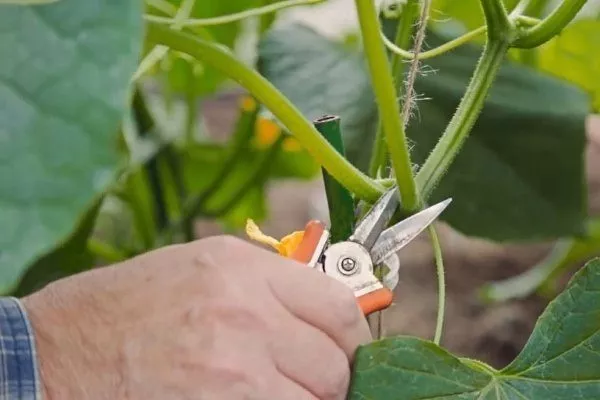
Preventive measures
The biggest problem with the Kolkhoznitsa variety is fungus. The variety is susceptible to:
- Powdery mildew. The leaves and stems turn yellow, then become covered with a grayish coating. The affected parts wilt and die. The quality of the melons suffers. Many fruits dry out. At the beginning of growth, melons are treated with pesticides to prevent this disease.
- Fusarium. First, spots appear on the leaves. The fruits become deformed, the leaves wilt, and the stems dry out. This occurs with high humidity and excess potassium.
- Root rot. Affects mature plants. There is no cure, so affected plants must be uprooted.
For prevention, melon plantings are treated at least twice:
- before flowering;
- at the beginning of ovary growth.
Plants are sprayed with fungicides, such as HOM (40 g per bucket of water), Skor (2 ml per bucket of water), or others. These chemicals are applied no later than 3-4 weeks before harvest.
Insects to watch out for include melon aphids, spider mites, cutworms, and wireworms. To prevent crop losses, melons are sprayed with insecticides. Soap and tobacco dust can be helpful in pest control – solutions of these two are quite effective against many insects.
Helpful tips
Important points:
- If melons are grown from seedlings, the plants are first protected from the sun. However, if the summer is cool, you need to monitor the temperature to ensure adequate protection.
- Don't remove the hoops used for covering the melons from the beds. If it rains, you can quickly cover the melons with plastic.
- During fruit setting, the vines are pinned to the soil to encourage additional roots to form.
- In greenhouses, melon vines are tied to trellises.
- During flowering, all doors and windows in the greenhouse should be open to allow bees to fly in.
- Nets are placed on the growing fruits and, like vines, they are tied to the trellis so that they do not break.
- In an open melon patch, something hard is placed under each melon – plywood, tiles, plastic, etc. This prevents the fruit from rotting.
Timing and determination of ripening
The Kolkhoznitsa variety has a short growing season. The first melons ripen 60 days after planting the seedlings or after germination. Gardeners can find more precise ripening times, depending on planting time, from the information on the package—it usually contains a sowing and ripening schedule.
- ✓ The fruits emit a characteristic sweet aroma when fully ripe.
- ✓ The fruit skin gives slightly when pressed, but does not leave a dent.
The harvest usually begins in August. Melon ripeness is easy to determine:
- the fruits have turned yellow and smell pleasant;
- the stalk has dried out;
- the fruit comes off easily.
Harvesting and storage of crops
Features of harvesting and storing Kolkhoznitsa melon:
- Picked green melons are stored in a dark, warm place where they ripen for 3-4 days.
- The fruits are cut off, leaving a 3-5 cm tail.
- Ripe melons are laid out on a tarp and kept in the sun for 10 days. The fruits are arranged in a single layer. Every five days, the melons are turned from side to side.
- Melons require careful handling. They shouldn't be thrown or stacked on top of each other. Any defects, such as cracks or bruises, can lead to rotting.
- Whole fruits are stored in the basement until January.
- The best way to store fruits for a long time is to hang them in a net. Each fruit is hung individually.
- Optimal conditions for long-term storage are humidity 70-80%, temperature from +1 to +3 °C.
Melons should not touch each other during storage.
Melons are delicious fresh, but if the harvest is large, some of the fruit is processed. They are used to make jam, compotes, and candied fruit. Melon slices can be pickled, dried, or frozen.
Which melon is sweeter and tastier – Kolkhoznitsa or Torpedo?
Kolkhoznitsa is definitely sweeter. But which variety is tastier is up to each individual to decide. Kolkhoznitsa is sweet and moderately juicy, while Torpedo is watery and slightly tart. Torpedo and Kolkhoznitsa are rival melons. There's constant debate about which variety is better. Torpedo has a longer shelf life, but it has fewer nutrients. The remaining comparison criteria are in Table 3.
Table 3.
| Comparative parameter | Torpedo | Collective farmer |
| Size | up to 5 kg (this is in Russia; in its homeland, Torpedo weighs up to 15 kg) | up to 2 kg |
| Form | elongated | rounded |
| Taste | more watery | sweeter |
| Pulp | white | white |
| Caloric content | 35 kcal | 30-32 kcal |
| Ripening time | 95-110 days | 77-90 days |
It's difficult to say which variety is best. Some people prefer round melons, others prefer elongated ones. Some prefer a large melon big enough to fill the whole family, while others appreciate individual portions. Everyone has their own preference.
Reviews
The main advantage of the Kolkhoznitsa melon is its availability in most regions of Russia. Any gardener can grow it, provided they follow all the agricultural guidelines and properly train the bushes. Whether grown outdoors or in a greenhouse, the Kolkhoznitsa will reward you with a harvest of firm, yellow melons that are sweet and flavorful.