
The Caramel melon is a promising option for growing in a variety of conditions thanks to its array of positive varietal characteristics. This variety is noted for its resistance to adverse weather conditions and its ability to produce good yields with proper care.
Who developed the variety and when?
It was created in 2009. Frank de Langen is officially considered the author.
Characteristics of the Caramel variety
The Caramel melon thrives and grows throughout our country. Gardeners appreciate it for its rapid growth and large size.
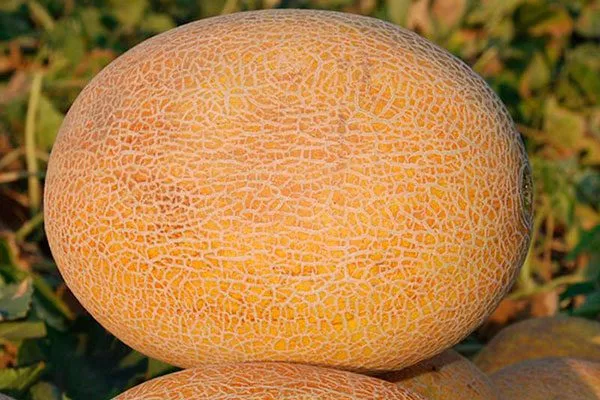
Description of the plant and fruits
It belongs to the climbing species, where the main stem reaches approximately 1.5-2 m in length. Distinguishing features:
- The leaves are medium-sized, slightly cut, and bright green.
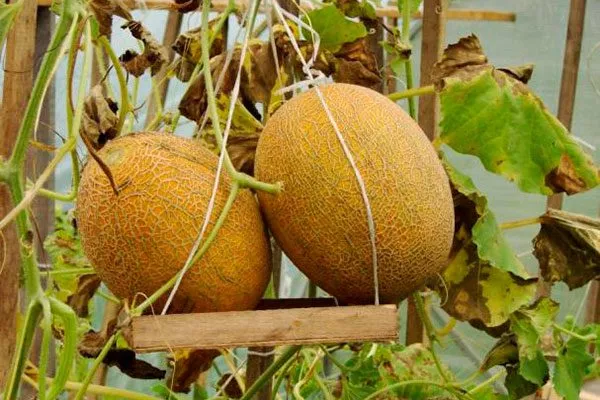
- The weight of ripe fruits varies from 1.2 to 1.9 kg.
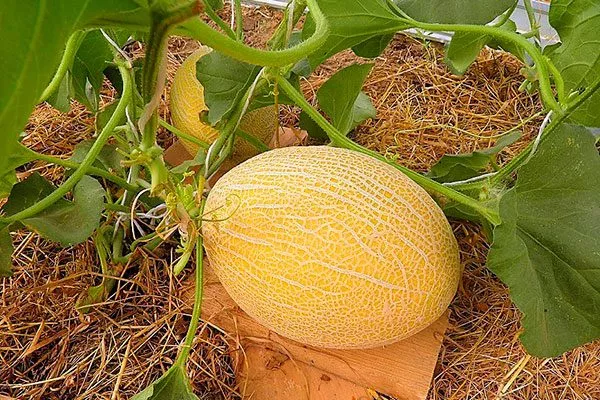
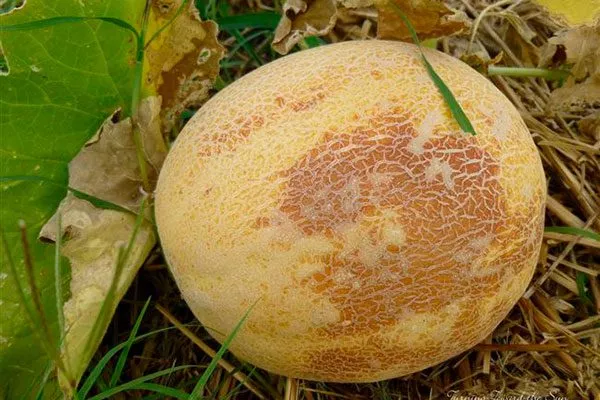
- The melon has an oval shape and its skin is dark yellow.
- The surface is smooth, with a thick, continuous mesh visible on it.
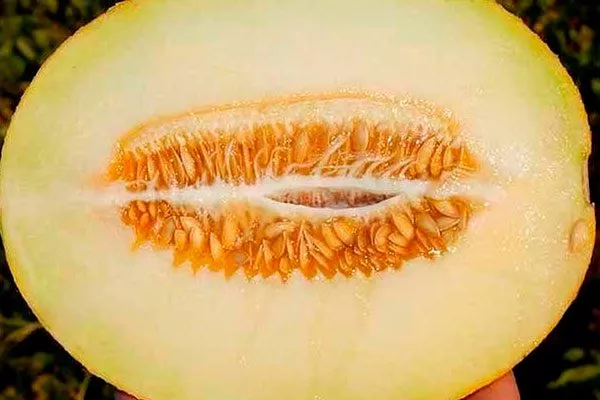
- The pulp has a light cream color and a delicate, melting texture.
- The seed nest is small in size.
Taste and purpose
It has excellent flavor, with a very sweet taste. The sugar content in the fruits ranges from 5.4 to 7%. They are used as a dessert or as an addition to fruit salads. They are also used to make refreshing drinks, such as juices or cocktails.
Caramel melon is used to make various preserves, jams, and jellies. This preserves its sweet flavor for a long time.
Ripening and yield
This variety is considered a mid-early variety. The time interval between the first shoots appearing and the ripe harvest is approximately 62-66 days. It is characterized by high yields. When grown per hectare, an average yield of 94 to 156 centners of produce can be obtained.
Necessary climatic conditions
Recommended for cultivation in the North Caucasus region. This variety is considered heat- and light-loving, making it ideal for growing in areas with a mild climate.
Resistance to diseases and pests
It is highly resistant to many pests and diseases, including fusarium. Fungal infections are only possible with excessive and frequent watering and prolonged periods of rain.
- ✓ The optimal soil temperature for planting should be no lower than +15°C, but no higher than +25°C to prevent stress in plants.
- ✓ The distance between plants should be at least 70 cm in open ground and 60-80 cm in a greenhouse to ensure sufficient space for growth.
Features of agricultural technology
Plant the crop in the beds when the soil temperature reaches 15°C. Place the seeds at a depth of 2 to 4 cm. The plant prefers full sun and moderate moisture.
Growing seedlings of the variety
In northern latitudes, it is recommended to use seedlings for cultivation. Select the largest seeds for planting. Soak the seeds for 12 hours in a solution of zinc sulfate and boric acid, or use a solution of potassium permanganate. Remove any seeds that float to the surface, as they are likely empty.
Harden off the remaining seeds so that the plants can better tolerate temperature changes:
- Place them in warm water at a temperature of about +40°C for a few minutes.
- Cool to room temperature.
- Wait until the water cools to 0°C.
- Heat the water back to room temperature.
Repeat this procedure up to three times.
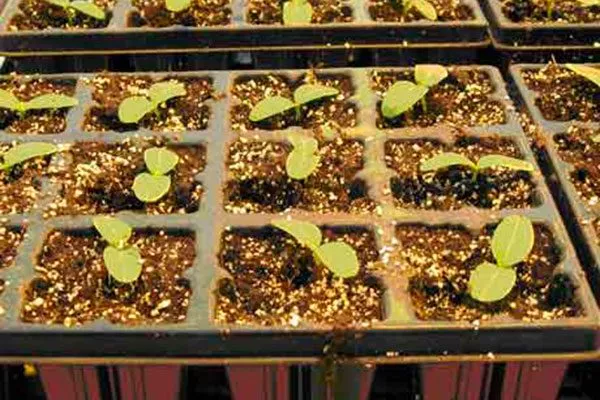
In mid-April, plant the seedlings in pots. It's best to use peat pots, as the delicate root system doesn't tolerate transplanting well. The soil mix for seedlings is 2 parts humus, 1 part peat, and 1 part turf. Add fertilizer—ash and superphosphate.
Plant 2-3 seeds in each pot, and when seedlings appear, leave only the strongest sprout. Initially, cover the pots with plastic wrap or place them under glass.
Growing in a greenhouse
You can plant both ready-made seedlings and prepared seeds in the greenhouse. Leave 60-80 cm of space between plants. Prepare trellises in advance to support the plants, which will later be used to tie the stems.
Ventilate the greenhouse regularly during warm weather and allow insects to pollinate the flowers. Otherwise, manual pollination may be necessary.
Growing in open ground
Melons can be grown outdoors if the region's climate doesn't allow for extreme cold snaps and frosts in the summer. Follow these recommendations:
- When choosing a planting site, choose a new area, as planting melon where it grew last year is not recommended.
- The area should be open and well-lit by the sun.
- For successful growth, loose, neutral soil, well-fertilized and prepared, is essential. Adding some sand to the soil won't hurt.
- Before planting, mix the soil with compost and fertilize it with mineral complexes.
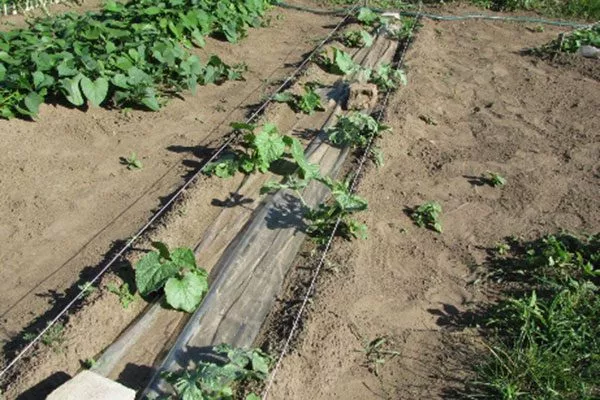
- Prepare seed furrows for planting seeds. Space plants at least 70 cm apart.
Care instructions
After planting, water the plants generously, especially when the first fruit sets. As the plants mature, reduce watering to ensure the fruits become tastier and sweeter. Repeat this process several times a week, directing water directly at the roots. A drip irrigation system is recommended.
Fertilize with complex fertilizers rich in potassium, nitrogen, and phosphorus. Apply specific fertilizers at each stage:
- Before flowering – nitrogen compounds.
- During the period of formation of the first fruits – phosphorus and potassium fertilizers.
Please note that excess nitrogen can negatively affect the taste and quality of the fruit, although it does contribute to an increase in green mass.
Foliar feeding is also beneficial, but do it no more than five times during the growing season. It helps increase the quantity and improve the quality of fruit and protects stems and leaves from a variety of viral diseases. Weed and remove weeds.
Possible diseases and pests and their control
It has a strong immune system. Despite this, it can be susceptible to various ailments:
- Stunted growth, uneven coloring, wilting, spotting on leaves and fruit, and leaf burn may be signs of stress. In such cases, use anti-stress products.
- If the fruits turn black and rot, use humic fertilizers.
- Prevent root rot or damage to the root system by loosening the soil between rows and avoiding watering directly on the roots.
- If the development of tops is difficult, spray the leaves.
- Marginal necrosis may be a sign of potassium deficiency in the soil. Use potassium fertilizer to address this issue.
| Pest | Method of struggle | Period of activity |
|---|---|---|
| Melon aphid | Spraying with Confidor | June-August |
| Melon fly | Spraying with Aktara | July-September |
The crop can be attacked by various insect pests, such as melon aphids, melon flies, slugs, click beetles, mites, and cutworms. To combat these, spray the bushes with specialized products, such as Confidor, Aktara, or Actellic.
Reviews of the Karamelka F1 variety
The Caramel melon is characterized by its positive varietal qualities, making it a favorite among both novice and experienced gardeners in our country. Proper planting and subsequent care directly affect the ripening speed, flavor, and fruit weight.