
The Kalina melon is a high-yielding variety prized for its excellent flavor. It's a popular variety that has been cultivated in greenhouses and open fields in our country for many years. It's a favorite of both novice and experienced gardeners. Proper care and cultivation practices are key to achieving good results.
How did the variety appear?
The Kalina melon belongs to the Ananas variety. The hybrid was developed in the Netherlands by Rijk Zwaan.
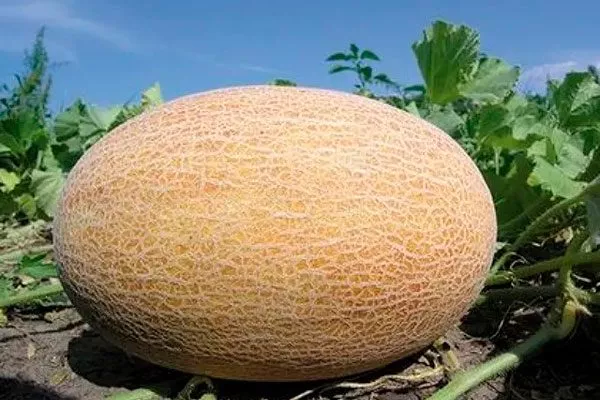
Characteristics of the appearance of the plant and fruits
The plant is vigorous and vining. The vines reach up to 2 m in length or more. Distinguishing characteristics of the variety:
- The leaves are small or medium-sized, light green and slightly dissected.
- The fruits have an oval-elliptical configuration.
- The average weight of one fruit is from 2.5 to 4 kg.
Purpose and taste
Viburnum melon is widely used in cooking for a variety of dishes and drinks. Its juicy and sweet flesh makes it an ideal ingredient for salads, desserts, and cocktails. It is also suitable for making homemade compotes, juices, and fruit drinks.
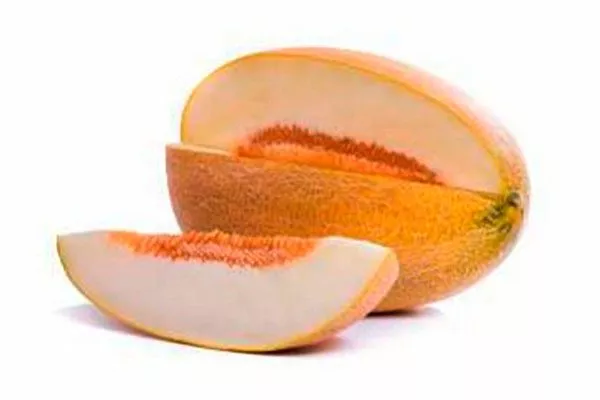
Fresh melon pieces are used to garnish dishes or serve as an appetizer. In some culinary cultures, it is used for preserving.
Productivity and ripening time
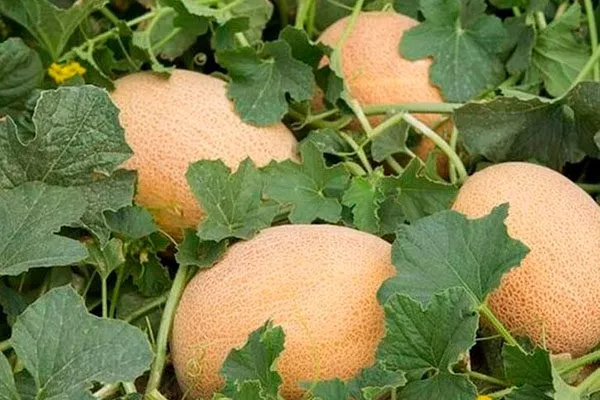
This early-ripening variety takes 65-70 days from germination to harvest. On average, 1.8 to 5 kg of harvest is obtained per square meter. The fruits retain their marketable quality for 14 days after harvest.
Growing and care
In southern regions of Russia, seeds can be sown directly into open ground after May 25. Under favorable conditions, such as early spring and sufficiently warm soil, sowing can be done earlier, moving the date to May 15-20, provided the seedlings are protected from possible frost with plastic film.
- ✓ The optimal soil temperature for sowing seeds should not be below +15°C to ensure rapid germination.
- ✓ To prevent diseases, pre-sowing treatment of seeds with biofungicides, such as Fitosporin-M, is recommended, according to the instructions.
At temperatures of +12°C, growth and development slow down, and at +10°C, it stops completely. In northern regions, it is preferable to grow melons from seedlings. In this case, sowing times depend on the subsequent growing location: in a greenhouse, from March 25 to April 5; in the open field, from April 25 to May 5.
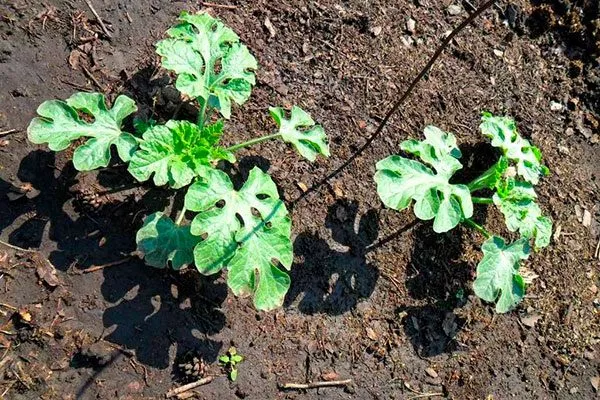
Proper care of the crop is important, so follow these agricultural practices:
- Watering. Melons don't tolerate excess moisture—during rainy seasons, they grow poorly, are prone to disease, and the fruit may rot. During the first month after planting, keep the plants moist until the roots reach the deep soil layers. Watering should be moderate—5 liters per plant once a week, only in dry conditions.
- Top dressing. Before sowing or planting, fertilize the soil: apply 10 g each of urea, double superphosphate, and potassium sulfate per square meter. Spread the mixture over the area one week before planting and mix it into the soil. No further fertilizing is required during the summer.
- Formation. In southern regions, melon shaping isn't typically done, but it's important given the short, cool summers. Control the growth of the vines and direct the plants' energy toward fruit formation and ripening.
The crop is susceptible to bacterial, viral, and fungal infections. Sources of infection can include seeds, weeds, plant debris, and soil. Furthermore, certain harmful insects can also transmit various diseases:
| Disease/Pest | Symptoms | Control measures |
| Powdery mildew | White coating on leaves, shoots and fruits. | Removal of affected parts. Treatment options: Quadris, Topaz, Horus. |
| Late blight | Yellow-brown spots on leaves, root rot. | Ventilate and reduce soil moisture. Treat the crop with one of the following products: Fitosporin or Ridomil Gold MC. |
| Gray mold | Gray spots on fruits with a fluffy coating. | Removal and destruction of affected fruit. Use potassium sulfate, Mikosan, or Horus. |
| Aphid | Small insects on leaves and shoots, curled leaves. | Treatment with Furadan, Karaton, Bi-58 New. |
| Mole cricket | Unintentional holes in the soil, damage to roots and stems. | Installation of baits and use of biological preparations: Rogor, Titan, Fosfakol. |
| Spider mite | Yellowing of plants, presence of thin webbing in all areas. | Detect and isolate affected specimens. Use acaricides (Abamectin, Flubendamide, Chlorfenapyr, Milbemax), sulfur or phosphorus preparations. |
| Pest | Biological method | Chemical method |
|---|---|---|
| Aphid | Uses of ladybugs | Treatment with Furadan |
| Spider mite | Use of predatory mites | Use of acaricides |
Kalina Reviews
The Kalina melon is a good choice for cultivation due to its high drought tolerance, excellent yield, and delicious flavor. Proper care and cultivation practices are essential for achieving optimal results.