
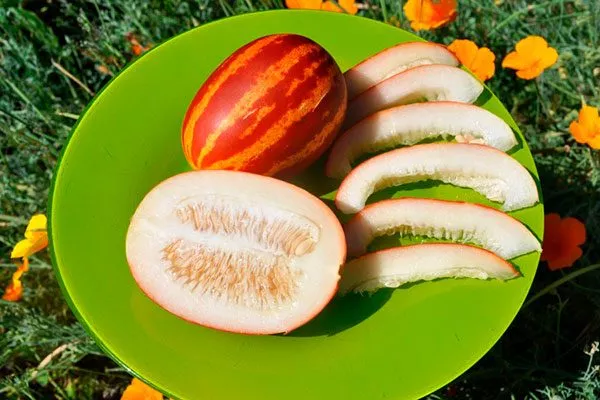
The melon with the fairytale name "Khoja Nasreddin" stands out from other varieties due to its small size, which is particularly appealing to many consumers. This quality allows it to be grown not only in garden beds but also on balconies and windowsills. Another unique feature is the very small number of seeds and the small seed chamber, resulting in virtually no waste.
Who developed the variety and when?
There is no precise data on the origin of this cultivar. It is believed that Khoja Nasreddin's homeland is one of the Central Asian countries, but this is not the case. This is because domestic breeders worked on its development.
Description of the variety
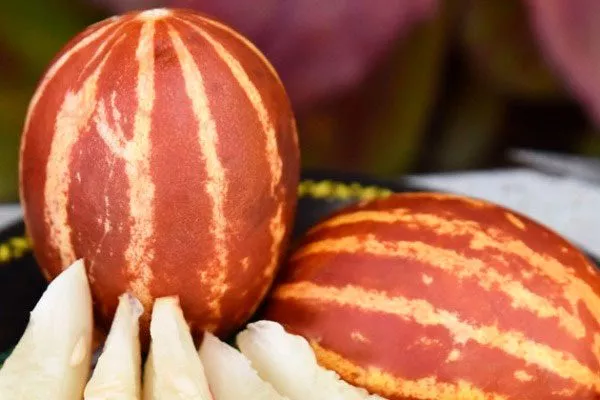
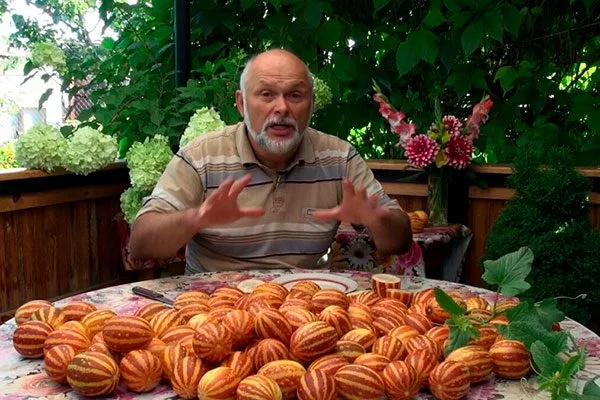
This melon variety is distinguished by the small size of its fruits, each weighing no more than 250 g. Nevertheless, these plants are remarkably productive, as they can produce up to 30 melons from a single bush, which experts consider a fairly high yield.
Among the advantages of this variety, it is worth highlighting not only the good yield, but also:
- early ripening;
- rich aroma;
- high sugar content;
- good keeping quality.
The Khodja Nasreddin melon grows successfully in greenhouses and in the open ground, although only warm regions of Russia are suitable for the latter. The plant's high ornamental value, thanks to the unique fruit color, is also a significant advantage of this variety.
However, melon growers, even experienced ones, face challenges when cultivating this type of melon. To ensure the fruits are truly fragrant and sweet, it's essential to strictly adhere to the following techniques:
- observe the timing of sowing, seedlings, and planting of plants;
- ensure sufficient sunlight and soil quality.
Characteristic features of the appearance of melons
Melon is a member of the Cucurbitaceae family and a member of the Cucurbitaceae genus, meaning its stems are identical to those of pumpkins and its leaves to those of cucumbers. The variety has the following distinctive characteristics:
- the shape of melon berries is oval;
- skin - thin;
- whips - powerful, climbing;
- peel color - mainly dark caramel, stripes located longitudinally yellowish;
- similarity in appearance – with a watermelon.
Taste characteristics and uses
The fruits have a sweet flavor with a high sugar content and medium juiciness, with a persistent aroma. They are usually eaten fresh, but are also suitable for canning. Melons can be stored for up to two weeks in a cool, dry place, including in a refrigerated environment, without losing their flavor or nutritional value.
It is noteworthy that, compared to other varieties of melons, these fruits have a higher percentage of pulp relative to the total weight, and fewer seeds.
Ripening and yield
This variety ripens early: in southern regions, the harvest can be collected in July, while in more northern regions, ripening occurs by the last week of August or even the first days of September. The approximate yield per plant is 6-9 kg, which is excellent for a variety with such small fruits.
Subtleties of agricultural technology
Cultivating Khoja Nasreddin requires conditions similar to those required for cucumbers. The optimal planting period for this variety depends on the region's climate.
The variety is sensitive to changes in the artificial microclimate and actively responds to them. For example, for successful growth, Khoja Nasreddin requires temperatures between 21 and 25 degrees Celsius.
In the southern regions of our country (from the Kuban region to the Dagestan region), greenhouses may not be necessary, while in the Rostov, Moscow, and Voronezh regions they are indispensable due to the risk of late frosts.
To obtain a high-quality and flavorful harvest, it is worth considering the following growing nuances:
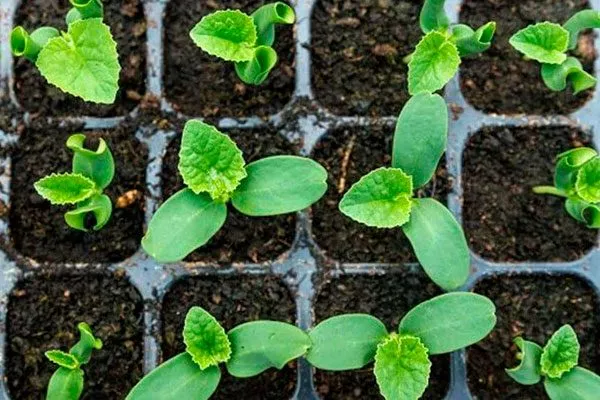
- Sowing seeds for seedlings is carried out in a warm room in March, using peat pots or cups.
- Direct sowing of seeds into open ground in the southern regions is possible at the end of May, when the threat of night frosts has passed and the average daily temperature is above 22 degrees Celsius.
- The seedlings are transplanted into a greenhouse when four true leaves have formed on them.
- Planting pattern: the distance between bushes in a row is 45-55 cm, the inter-row distance is 65-75 cm. For ease of access, leave a path at least 100 cm wide after every two rows.
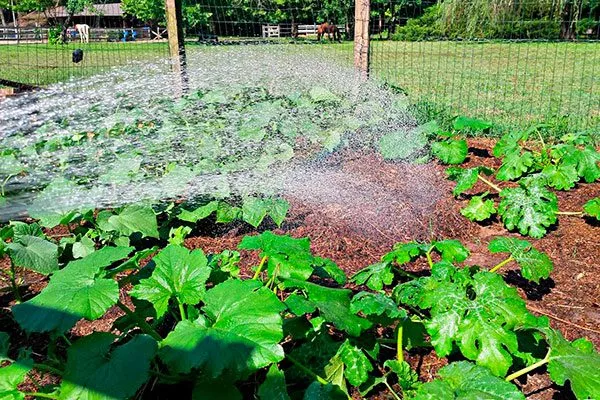
- Plants should be watered moderately, avoiding over-watering.
- It is better to loosen the soil after every two waterings, while simultaneously removing weeds.
- Top dressing is carried out with mineral fertilizers containing potassium, phosphorus and nitrogen in accordance with the composition of the soil.
- Fertilizers are applied before flowering and during fruit formation.
- For full ripening and accumulation of sugars, the Khodja Nasreddin melon variety requires abundant sunlight.
- Before flowering: 10 g ammonium nitrate, 15 g superphosphate, 10 g potassium salt per 1 m².
- During fruit formation: 15 g superphosphate, 20 g potassium salt per 1 m².
Reviews of the variety
The Khodja Nasreddin melon has two unique characteristics: small fruits, an unusual color, and a small number of seeds. It's easy to grow, making it a favorite among melon growers. The fruits are versatile and contain a wealth of nutrients, but the plant requires fertile, well-drained soil.