
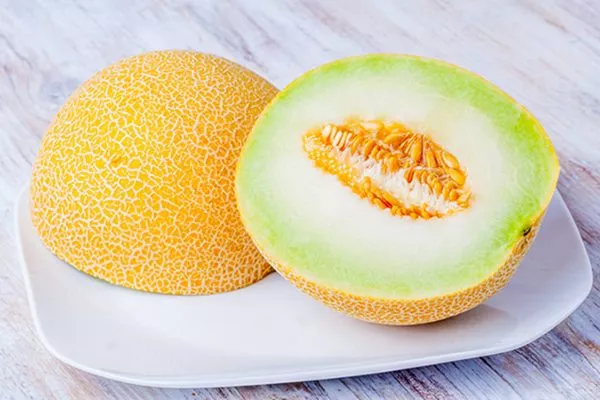
The Gulyabi melon is intended for cultivation in arid zones, but our melon growers have adapted to growing it in cooler weather conditions. This variety is considered demanding, but it boasts many positive characteristics and qualities, making the gardener's efforts well worth it.
Origin and regionality
It was developed by breeders in Turkmenistan at a research institute located in the Chardzhou district. This circumstance led to the variety's second name, Chardzhouskaya. Subsequently, Uzbek and Kazakh scientists began developing further varieties, resulting in several subvarieties now existing.
This annual, heat-loving, and drought-tolerant melon is widely cultivated in Central Asia and Asia Minor. However, it can also be grown in southern regions of Russia, including the Astrakhan Region and Kuban.
Characteristic features
It enjoys consistent popularity among consumers, allowing it to compete successfully with newer varieties. Chardjui melon has a high yield when grown on a large scale—15 kg or more per square meter of planting area.
How many days does it take to harvest?
Cultivation requires special care and doesn't always ensure sufficient sweetness. Gulyabi can be grown in the climate of the Astrakhan region.
Despite the long summer, abundant sunshine, and high temperatures, melons require over 125 days to fully ripen. In the Chardjui region, the full ripening cycle, from sprout formation to harvest, takes 95–115 days, while in the south of our country, this period increases to 135 days.
Caloric content, properties
It boasts a healthy composition and low calorie content, making it an important part of a healthy diet. Ripe fruits of this variety contain approximately 88-92% water and about 16% sugars, while the fiber content is only 0.3%. This makes the pulp particularly tender and easily digestible without causing discomfort.
100 g of pulp has the following nutritional value:
- Calories: about 30-35 cal.
- Proteins: about 0.55 g.
- Carbohydrates: over 8-9 g.
- Fats: 0.29-0.31 g.
Regular consumption of pumpkins enriches the body with important nutrients, which has a beneficial effect on mental activity, mood, and the functionality of major organs and systems.
Description of varieties
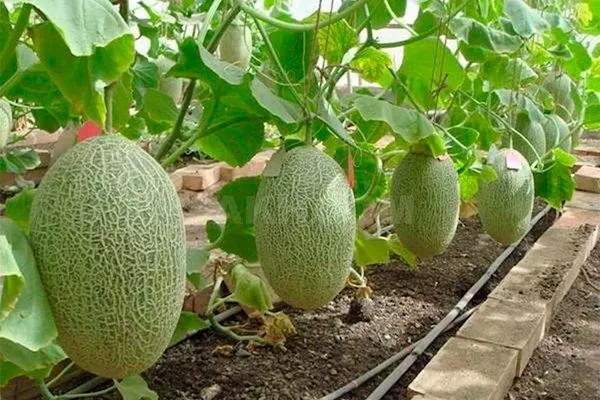
Gulyabi is a large-fruited melon, as a single berry can weigh up to 4.5–5 kg. The fruits are usually elongated, but pear-shaped varieties are also common. The melon's rind can be smooth or rough, but is always covered with a noticeable mesh structure. All Gulyabi varieties are considered late-ripening.
| Name | Ripening period (days) | Peel color | Fruit weight (kg) |
|---|---|---|---|
| Green | 95-115 | Green with dark spots | 4.5-5 |
| Orange | 135 | Orange with grey mesh | 4 |
| Allah Hamma | 125 | Yellow with brown stripes | 7 |
| Sary-gulyabi | 125 | Yellow with sand mesh | 4.5-5 |
Green
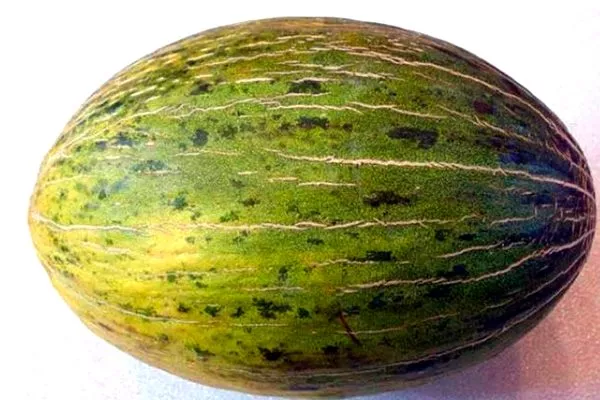
Green melon is traditionally grown in Tajikistan and served as the basis for the development of other varieties of the Gulyabi line by Uzbek breeders.
Peculiarities:
- The fruits of the green variety are distinguished by an extremely smooth, green skin with dark spots that form divisions into segments.
- Sometimes there is a fine mesh on the surface.
- The flesh of these melons evokes thoughts of freshness with its crisp texture.
- In terms of taste, it is not inferior to the orange one and impresses with the same juiciness and sweetness, the aristocratic aroma of which is reminiscent of honey.
- Green melons can be stored longer than other varieties, remaining fresh until mid-winter at room temperature and until late spring if stored in wicker baskets made of natural materials in a cool place.
Orange
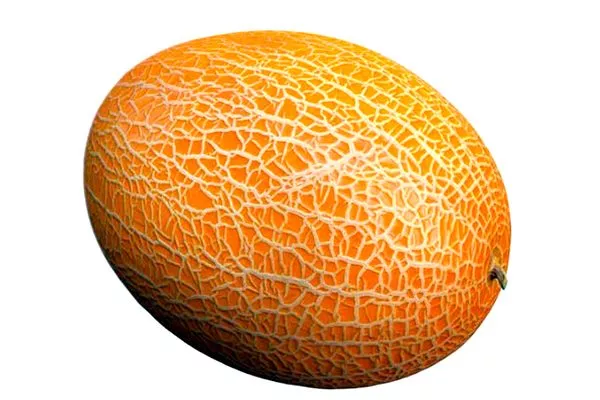
The orange melon, bred by Uzbek breeders, is ovoid and can weigh up to 7 kg in Asian conditions. However, in Russia, even in the favorable conditions of the Astrakhan region, it typically weighs no more than 4 kg.
Distinctive nuances:
- The rind of orange melons is smooth and dense, but at the same time thin, with a clearly defined light-gray mesh and, in some places, weak segmentation near the stalk.
- The fruits are harvested at the stage of technical maturity, when the pulp is not yet sweet and relatively dry.
- After a period of storage, melons become juicier, their flesh takes on a milky hue and develops a characteristic aroma.
Allah Hamma
Allahhamma is a variety of melon with ovoid fruits weighing up to 7 kg. The skin of this variety has a faint mesh pattern and may be decorated with thin brown stripes on a yellow background.
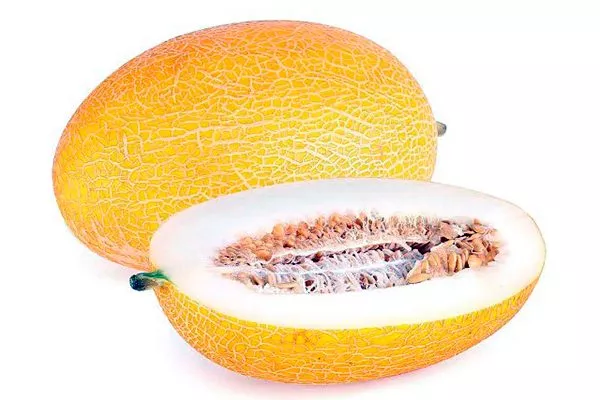
A distinctive feature is the dense white flesh, which occupies almost the entire interior of the melon.
Sary-gulyabi
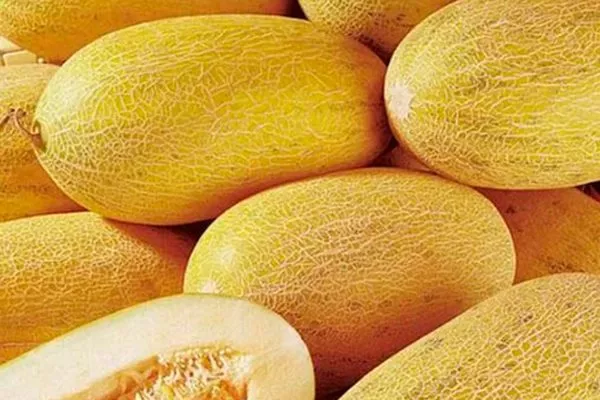
Sary-gulyabi is an elongated melon with a yellow rind that becomes almost white over time. Its surface is completely covered with a large, dense, sand-colored mesh. The flesh of this variety is viscous and very juicy due to its high sugar content.
General characteristics of the cultivar type
The plants are distinguished by robust stems bearing pumpkin-type fruits shaped like eggs. The fruit weight of this melon species depends directly on both climate conditions and cultivation area and can range from:
- up to 8 kg in favorable growing conditions;
- up to 3 kg when grown in a region with a climate that does not meet the variety's requirements.
Pulp
The flesh of the fruit may vary slightly in consistency and color between varieties, but they all retain the standard qualities characteristic of melons: the inside of the fruit is milky white with a slight greenish tint near the peel.
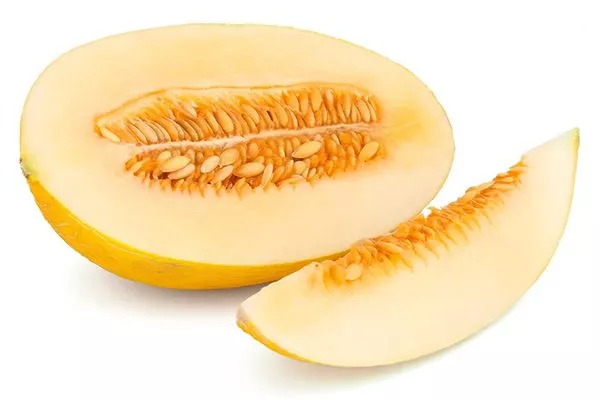
One of the distinctive features is that the pulp becomes juicier and sweeter with increasing storage time.
Taste
The taste quality improves significantly over time due to the process of hydrolysis of the starch inside the fruit, which makes it even sweeter.
Fruits can be stored even when unripe to improve their taste over time.
In terms of its ability to accumulate sugars, a ripe melon is similar to sugarcane, the pulp of which can contain up to 18-22% of valuable carbohydrates.
Melon flavor depends heavily on growing conditions, with full varietal sweetness evident in fruits grown in hot, dry climates with abundant sunlight.
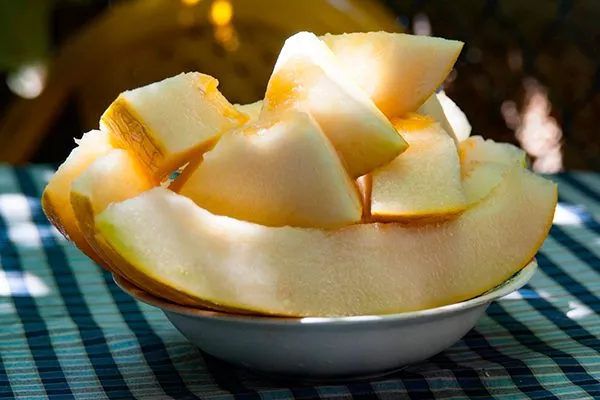
Gulyabi has a distinct honey flavor and a strong aroma that develops gradually—freshly picked fruits have a faint herbal scent that intensifies with storage.
Growing technology
Gardening experts recommend growing Gulyabi seedlings. You can buy them in a store or grow them yourself from seeds.
- ✓ The soil temperature for planting should be at least +15°C.
- ✓ Optimal air humidity for growth is 60-70%.
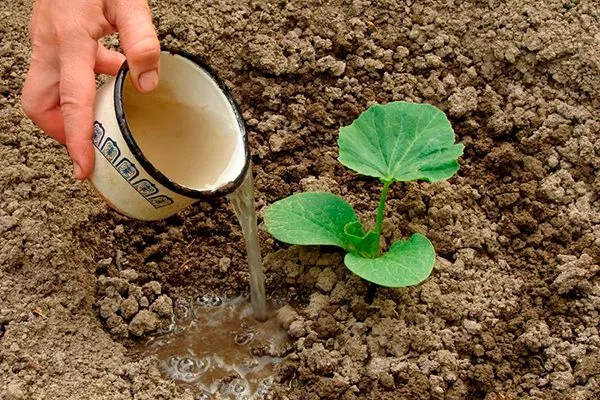
To obtain healthy and strong plants, you should follow certain rules:
- Use seeds that are at least three years old: fresh ones often result in the formation of barren flowers and do not contribute to the formation of fruits.
- Soak the seeds for 5-10 days in a humid environment, then place them in a plastic bag and put them in a warm place to germinate.
- Transplant the sprouted seeds into containers with a diameter of 9-12 cm, filled with nutritious and loose soil.
- When the first shoots appear, place the seedlings in a bright location with adequate sunlight. To prevent the plants from stretching in cloudy weather, use artificial lighting.
- Water moderately, no more than three times a week or when the top 6-8 cm of soil dries out.
- 7-10 days before planting in a permanent location, begin the process of hardening the seedlings by taking them out into the fresh air.
If you are growing Gulyabi from seeds directly in open ground:
- Prepare the seeds in advance by treating them with a disinfectant.
- The exact planting dates are determined based on the weather conditions in your region.
- Choose a flat and well-lit area.
- Make sure that the previous crops in this place were not nightshade family crops, beans, garlic, and avoid planting after carrots, zucchini, cucumbers, or pumpkin.
- If the soil in the area is heavy, add sand, slaked lime or dolomite flour to create the loose, sandy soil preferred by Gulyabi.
- Make holes in the bed 6 cm deep at a distance of 75-85 cm from each other, with row spacing of at least 150-170 cm.
- Before sowing, moisten the planting holes with warm, settled water and place several seeds in them.
Care instructions
Agronomic care includes systematic watering, fertilizing, soil cultivation, and disease prevention to achieve a bountiful and high-quality harvest:
- Watering. Plant along pre-prepared furrows using warm, settled water (around 24-25°C), moistening the soil to a depth of 7-12 cm. Reduce watering frequency during flowering and fruit formation. Avoid watering during ripening to improve the flavor and sugar content of the pulp.
- Fertilization:
- After the sprouts emerge, apply nitrogen fertilizer, such as Kemira or ammonium nitrate, 7-9 days later. Dilute 20-25 g of the product in 10 liters of water and water each plant with 2-2.5 liters of the solution.
- During the initial budding phase of the melon field, feed the plants with a solution of bird droppings or mullein in a ratio of 1 to 15 with water.
- When the plants bear fruit, use phosphorus-potassium mixtures, adding 45-50 g of phosphorus and 18-25 g of potassium substances per bush.
- Formation of a bush. To stimulate flowering and ensure proper fruit ripening, it's important to train the bush. Pinch the top of the plant after 4-6 side shoots have developed. Be sure to remove any excess melons, leaving as many pumpkins as possible on the bush.
- Soil care. Don't forget to loosen the soil for optimal growth. Repeat this process several times:
- When the plants reach the age of 28-33 days and the distance between shoots is 14-16 cm.
- When the leaves close to 7-9 cm.
How to choose?
When choosing a ripe Gulyabi, pay attention to the aroma: a ripe fruit should smell like honey. Unripe melons are odorless or smell grassy. A putrid smell indicates spoilage.
Other quality criteria:
- A ripe melon's rind is firm and springy. If it remains indented after being pressed, the fruit is overripe.
- A dry or partially dry stem and hard skin in this area are signs of ripeness.
- A light grey or sandy mesh on the surface indicates maturity, while a green colour indicates unripeness.
- The seeds separate easily from the pulp, and tapping a ripe melon produces a dull sound.
- It is better to give preference to medium and large sized fruits - small ones are usually unripe.
- Spots on the skin may indicate damage during transportation, and if the skin softens in these areas, the fruit may be of poor quality.
When to harvest melon?
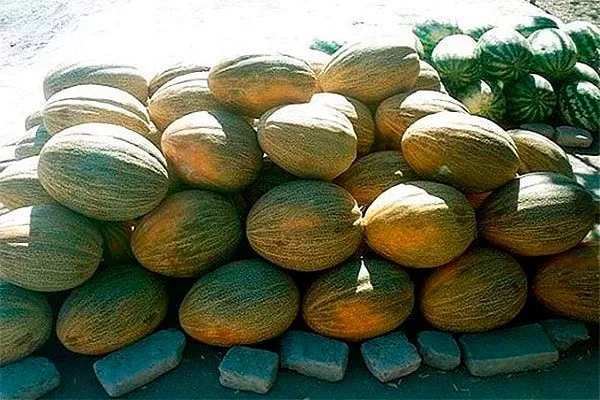
Begin harvesting in the last days of August. A ripe melon can be identified by the following signs: a dry stem, uniform rind color, a rich aroma, a softened area near the blossom end, and a dull sound when tapped.
Collection rules
To make pumpkins last longer, learn how to harvest them properly:
- Pick only ripe fruits.
- Do not cut, but carefully remove the melon together with part of the stem.
- The harvest should be collected in the morning or evening.
How to store?
One of the advantages of Gulyabi is its ability to be stored for a long time. The fruits can be hung in a net or special wickerwork in a well-ventilated, cool place, such as a pantry, or stacked in piles. It's important to remember not to wash or remove soil from the fruits before storing them.
| Conditions | Shelf life | Temperature | Humidity |
|---|---|---|---|
| Room temperature | Until midwinter | +18…+22°C | 60-70% |
| Cool place | Until the end of spring | +4…+10°C | 60-70% |
There are two options for preservation:
- At 60-70% humidity and temperatures between 4 and 10 degrees Celsius, melons can be stored in good condition until February or March. If you hang the melons so they don't touch each other, they can even last until May.
- At air temperatures from 0 to +2 degrees and humidity from 80% and above, you need to adhere to the following rules:
- Before use, the storage area should be treated with bleach or smoke bombs should be used for disinfection.
- After disinfection procedures, it is important to thoroughly ventilate the room.
- For long-term storage, melons are placed on racks with a layer of sawdust on the shelves or in large-mesh nets suspended from the ceiling.
Neighborhood with other cultures
Avoid placing melons near potatoes and apples, as this can negatively impact their aroma and cause them to become overripe and spoil. To preserve their aroma, store them in separate fruit storage areas, away from onions and other strong odors.
Where is melon used?
This variety is widely used in cooking. The pulp is eaten fresh, added to fruit desserts and salads, and used as a filling or baking ingredient. The pulp is ideal for making smoothies, juices, purees, baby food, and also for compotes, jams, and preserves.

Melon can be dried and cured, and in Central Asian cuisine, it's even added to soups and other dishes. Gulyabi seeds produce a valuable oil similar in consistency to olive oil, and the scraps can be used as livestock feed.
What difficulties may you encounter in growing?
Before cultivating this exotic melon, it's recommended to thoroughly familiarize yourself with the basics of agricultural technology and heed expert advice. Problems sometimes arise when growing this crop:
- Seeds may germinate poorly, resulting in stunted plant growth and underdeveloped fruits. This is often the result of planting in heavy soil that is impermeable to the roots. The root system can penetrate to a depth of over 100-120 cm.
- To ensure the crop thrives, it needs sufficient sunlight. Avoid planting in shaded areas, as this will impact the yield and quality of the pumpkins.
- If the fruit isn't sweet enough, pay attention to how the bush is trained. Regularly remove excess shoots and very long vines, leaving only those that promote healthy fruit growth. Proper bush training is the key to sweet, juicy melons.
- If plants begin to weaken and wilt, watering with cold water may be the cause. Sudden temperature fluctuations negatively impact plant health and can lead to crop loss.
- This variety's bushes tend to grow excessively, which can rob the plant of the energy needed for flowering and fruit production. To prevent this, pinch the bushes and remove excess fruit, leaving no more than 2-5 fruit stems per bush. When the bushes are small, periodically loosen the soil between the rows, but stop doing so as soon as the melons begin to close.
This variety is susceptible to diseases and pest attacks, which is often associated with violations of agricultural practices:
- Insect pests include melon aphids, melon flies, and spider mites. To control them, insecticides (Actellic, Aktara, Kemifos, Fitoverm, Decis) are used, as well as onion and garlic infusions.
- Improper care can lead to melons being affected by diseases such as powdery mildew, fusarium wilt, gray mold, and root rot. Fungicides are used to prevent and control these diseases: colloidal sulfur and Bordeaux mixture for powdery mildew, dry sulfur for anthracnose, and Fitosporin-M, Alirin-B, and Fundazol for fusarium wilt, gray mold, and root rot.
Advantages and disadvantages
The Chardzhuyskaya melon variety remains popular in the melon market, and the superiority of Gulyabi's selection is confirmed by positive reviews from both major producers and gardening enthusiasts.
It is not without reason that Asian peoples have passed down through generations and perfected this wonderful type of melon, developing numerous varieties with impeccable characteristics.
Despite its rich nutritional content, melon can be dangerous for people with certain health conditions. It is not recommended for people with high blood sugar or serious gastrointestinal disorders to consume it without first consulting a doctor.
Differences from other varieties
There are varieties of melons that are similar to Gulyabi:
- Torpedo. It boasts greater juiciness, but can't compete with Gulyabi in terms of sweetness. Similar varieties can be distinguished by their distinctive aroma: Torpedo is known for its delicate vanilla scent, in contrast to Gulyabi's intense honey aroma.
- Collective farmer. A melon distinguished by its more modest size (around 2–3 kg) and nearly spherical shape, bright yellow smooth skin, and finer mesh compared to the Gulyabi. Kolkhoznitsa lacks the characteristic aroma of melons and goes on sale significantly earlier than its larger relatives—as early as late July.
- Ethiopian. A domestically bred fruit that rivals the Gulyabi in key attributes such as size, aroma, and flavor. The largest specimens can weigh up to 7 kg. The Ethiopka is a young but rapidly gaining popularity variety, easily recognizable by its distinctive segmented, ribbed structure, resembling a pumpkin.
- Altai melon. A variety developed specifically for cool climates, it ripens in just 70 days and produces small (up to 2 kg) but abundant harvests even in Siberian conditions. The oval fruits of the Altai melon have golden skin with a fine white mesh, and they differ from the Gulyabi variety both in their market availability and their more moderate size.
In good sunny conditions, Altai can be very sweet, although the sugar content in its pulp rarely exceeds 10%.
Reviews from those who grew it
The Chardjui melon, Gulyabi, is a typical crop for the hot, dry climate of Central Asia. It can be grown in southern Russia and in cooler regions, although this requires additional effort. The true aroma and flavor of Gulyabi are achieved when it is ripened in the Asian sun for at least four months.