
The Evdokia melon is a delicious and productive variety developed by Altai breeders. It is suitable for open ground cultivation and is of great interest to melon lovers.
Description of the Evdokia melon
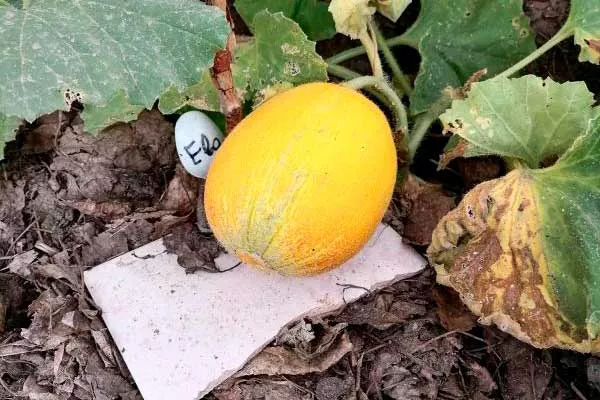
The Evdokia melon is a medium-vine variety, relatively compact, with classic-shaped green leaves. The fruit is medium-sized and typical of the cultivar.
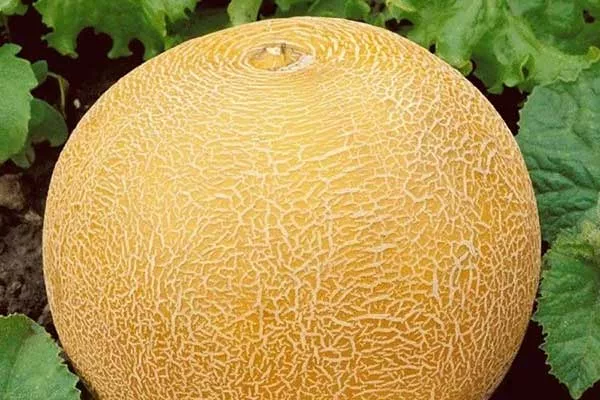
Description of fruits:
- shape - round;
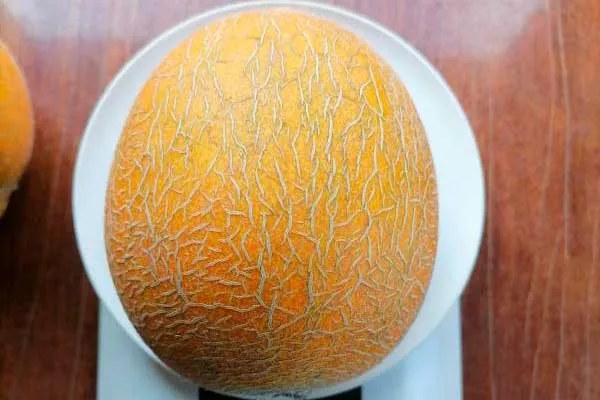
- fruit color is yellow-orange;
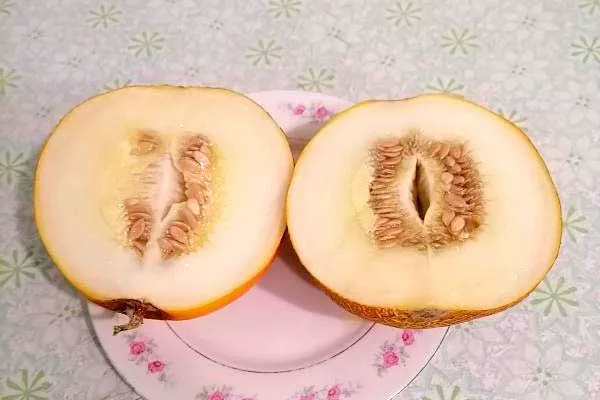
- pulp color is orange;
- weight - 2 kg.
Taste and purpose of fruits
Evdokia melon contains a lot of sugars and beta-carotene, which has powerful antioxidant properties. It is very healthy and has an excellent flavor with hints of honey. The flesh of Evdokia melon is very tender and literally melts in the mouth. This variety is a dessert variety and has versatile uses.
Main characteristics
The Evdokia melon is an early-ripening variety. It ripens mid-early. Ripe melons can be harvested as early as 70 days after germination. This variety has an above-average yield, with a single plant capable of producing 5 to 10 full-sized fruits.
The Evdokia variety is quite hardy, undemanding, tolerates adverse environmental conditions, and has high disease resistance. It is suitable for cultivation in all regions.
Pros and cons of Evdokia melon
The Evdokia variety produces single-serve fruits that are convenient for family consumption. This melon has many advantages that our gardeners will surely appreciate.
Landing features
To get a good melon harvest, it is important to plant the melons on time and in compliance with agricultural practices.
- ✓ The soil pH level should be within 6.0-6.8 for optimal growth of Evdokia melon.
- ✓ The soil must be well-drained to avoid waterlogging and root rot.
Features of planting Evdokia melon:
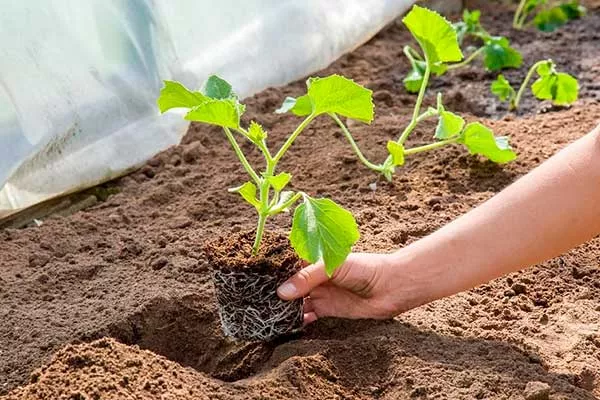
- Evdokia melons are planted in early or mid-May. Seedlings are sown in March and transplanted outdoors in May.
- The culture is thermophilic, so the air should warm up to at least +22°C, the soil to +14…+19°C.
- It is best to plant melon in an open, sunny area, without drafts and cold winds from the north.
- The soil is prepared in the fall by digging it over and adding fertilizer. If the soil is heavy, it is loosened with sand and, if necessary, deacidified with wood ash.
- The optimal planting pattern is 100x50 cm. The planting depth is 10-12 cm, the seedlings are deepened by 6-7 cm (to the level of the cotyledons).
Caring for the Evdokia melon
The quality of care determines not only the yield but also the quality of the melons—the taste and sweetness. This variety requires standard and regular care.
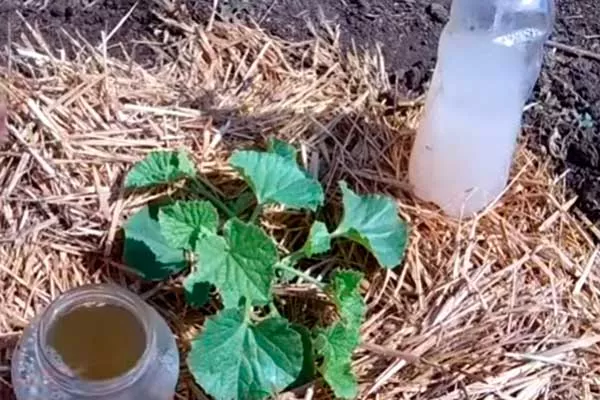
How to care for the Evdokia melon:
- Plants are watered moderately, monitoring the soil condition. The recommended watering rate per plant is 3-7 liters. After watering, the soil should be moist to a depth of 40 cm. For watering, use settled soil warmed to 22°C.
When watering, avoid getting water on the leaves and stems. In hot weather, melons need to be watered almost daily, in small amounts. The best time to water is in the evening, after sunset. Once the fruits reach their typical size, watering is reduced to once a week. - After watering, the soil in the beds is loosened on average twice a week. Weeds are removed at the same time.
- Melons are fertilized three times per season. The first application is made a couple of weeks after planting the seedlings in the soil, the second application is made when the flowers are blooming, and the third when the fruit is setting. Only organic fertilizers are used.
- After 5-6 true leaves appear, pinch the plant. The plant is pinched above the 5th leaf to stimulate the formation of lateral shoots.
Diseases and pests
The Evdokia variety has good immunity, but under unfavorable conditions it can be susceptible to powdery mildew, which is best controlled by spraying with potassium permanganate or colloidal sulfur. There is also a risk of fusarium wilt, anthracnose, and root rot, which can be controlled with Bordeaux mixture and various fungicides.
Harvesting and storage
The fruit is harvested in August and September, depending on the climate and planting time. Melons are harvested when they reach the desired size, separate easily from the stem, and have acquired the appropriate color (yellow) and a rich melon aroma. Melons can be picked slightly unripe; they can ripen further in a warm room.
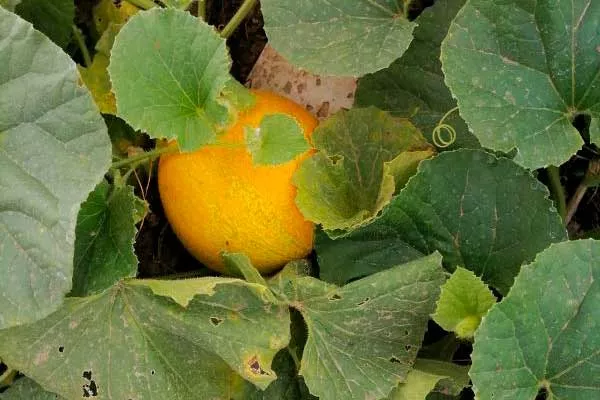
- ✓ The stalk begins to dry out and easily separates from the fruit.
- ✓ The appearance of a characteristic mesh pattern on the peel, in addition to a change in color.
Melons are harvested in dry weather, left in the sun for two weeks, and turned over every four to five days. Once dried, the melons are stored. The optimal storage temperature is between 1 and 3°C, with humidity up to 70–80%. The melons should be stored so they do not touch each other.
Reviews
The Evdokia melon is a promising and interesting variety, possessing all the characteristics and qualities that gardeners value in this crop. If you prefer small, round melons that are sweet and aromatic, then the Evdokia variety is perfect for you.