
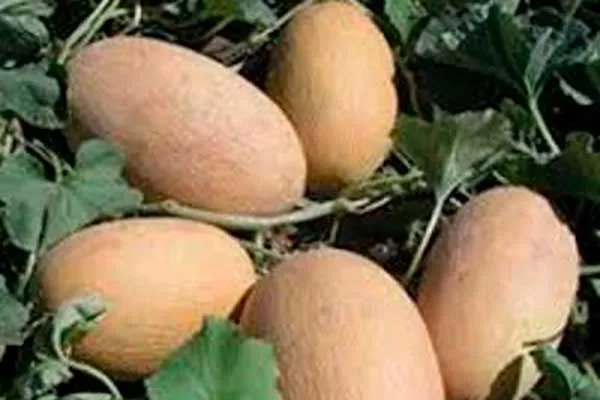
Many gardeners confuse the Delano melon with the Torpedo variety, but the difference is that the former produces a rounder fruit and a juicier flesh. Its flavor and aroma deserve special attention, as the Delano is a member of the pineapple family. This foreign cultivar quickly gained popularity in our regions and has become a favorite among gardeners.
Who developed the variety and when?
The Delano melon variety was developed by the internationally recognized Dutch breeding firm Nunhems, which is well-known among gardeners in many European countries. Delano was introduced in the late 2000s and has since spread beyond the Netherlands.
Having established itself in the European market, this variety was included in the State Register of the Russian Federation in 2009, which allowed it to be cultivated in Russia.
Description of the plant and fruits
| Name | Ripening period | Disease resistance | Adaptability to climate |
|---|---|---|---|
| Done | 62-78 days | High | Central Russia |
| Torpedo | 70-85 days | Average | Southern regions |
The plant has a strong climbing habit, with shoots distinguished by their strength and vigorous growth. Other characteristic features:
- Leaves are of moderate size and have only slightly dissected structure.
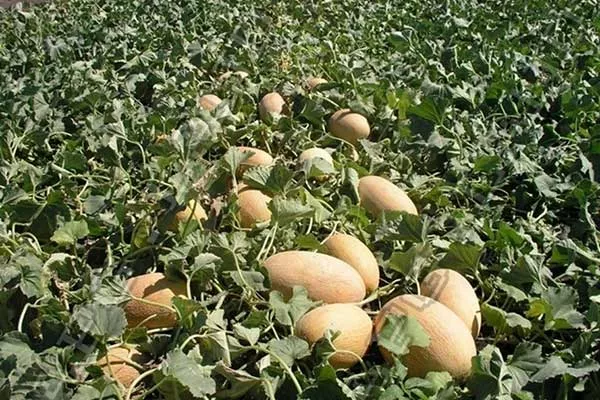
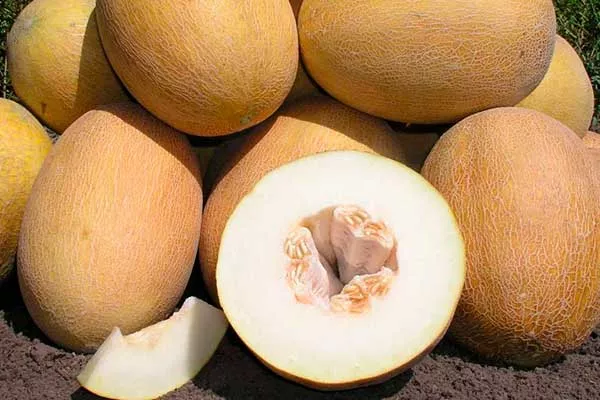
- Fruit The melons of this plant are oval-shaped and relatively large for melons: their weight ranges from 1.6 to 2.5 kg, although under certain conditions they can grow to a weight of 3 to 6 kg.
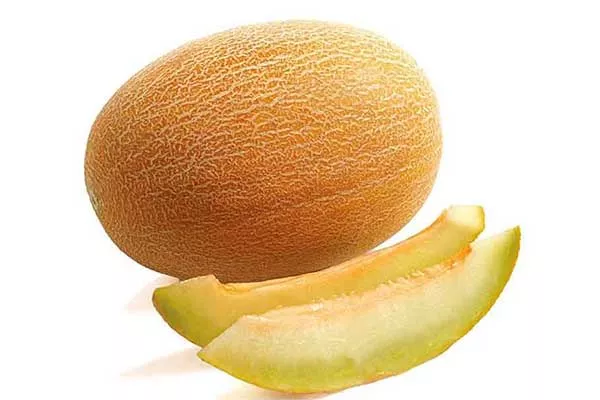
- Bark The fruit is smooth, rich dark yellow in color and decorated with a dense fine-mesh net.
- Pulp It is distinguished by its juiciness, light cream color and softness.
- Seed chamber It is not distinguished by its large size and contains narrow, light yellow seeds of medium size.
Taste and purpose
This variety has an excellent flavor, although it's not the sweetest among melons, with a sugar content of 5.7% to 8.8%. However, it compensates for this with a distinct pineapple aroma. The melon flesh has an excellent consistency: it's very tender and melts in the mouth, without excess water and without being tough.
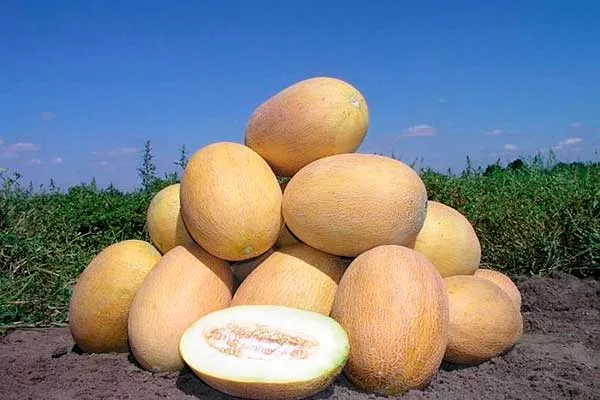
The Delano melon is ideal for desserts, fresh consumption, and can also be used to create drinks, desserts, and snacks. Its characteristics make this variety suitable for commercial cultivation, as it keeps well and stores well.
Ripening and yield
Delano is a mid-season variety—from germination to full ripening, the fruit takes 62 to 78 days, depending on the climate zone. This variety is adapted to the conditions of the North Caucasus region and may ripen somewhat later in temperate climates.
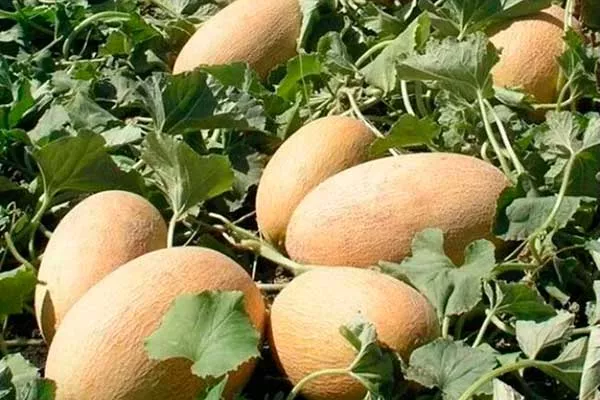
Delano's yields are high: on average, 85 to 305 centners of high-quality fruit are harvested from one hectare in open ground.
- ✓ For optimal growth of Delano melon, soil pH should be between 6.0-7.5.
- ✓ Before planting, it is recommended to conduct a soil analysis to determine the content of essential nutrients: nitrogen, phosphorus and potassium.
Soil requirements
For growing Delano, neutral fertile loam is preferable; if there are clay soils, it is recommended to add sand and compost to improve their characteristics.
- ✓ Provide plants with access to full sunlight for at least 8 hours a day.
- ✓ Maintain soil temperatures above 15°C for optimal root growth.
Climate requirements
Melon is a warm-loving plant, so the recommended temperature range is 25 to 30 degrees Celsius. Delano is resistant to temperature fluctuations and is recommended for growing in central Russia.
Resistance to diseases and pests
This variety demonstrates resistance to diseases such as fusarium and powdery mildew. Adherence to proper agricultural practices and cultivation in suitable climatic conditions minimizes the risk of disease.
If powdery mildew has been previously detected in a plot or greenhouse, preventative measures should be taken before planting by treating the soil and plants with Fitosporin-M in accordance with the instructions.
Landing features
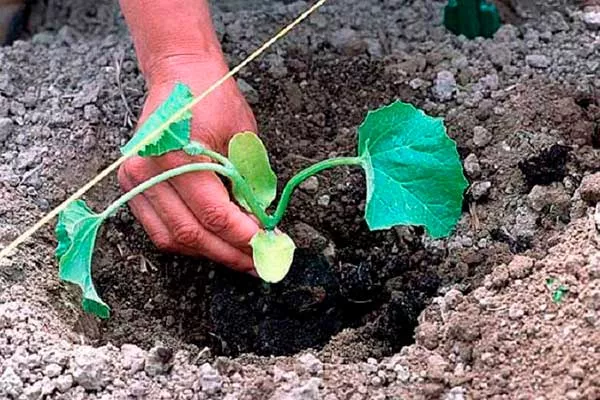
Delano seeds are sown for seedlings four weeks before planting in a greenhouse or open garden beds. Planting in the garden occurs after the risk of night frost has passed, in well-lit areas with fertile, light, and loose soil, which is important for the active absorption of moisture and oxygen by the root system.
Subtleties of agricultural technology
Water the melon regularly, using warm water and avoiding getting the foliage wet. On hot days, water at least twice a week.
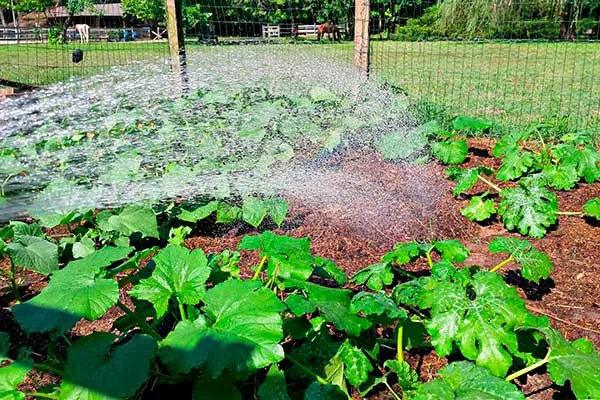
Providing the plant with sufficient water is especially important during periods of foliage formation and fruit filling, but as the fruit approaches ripening, watering should be reduced to prevent the pulp from losing its sweetness.
Pros and cons
Scientists from the Netherlands have developed a comprehensive method for improving the characteristics of melons and thus developed the Delano variety, which has many advantages:
- One of its key advantages is its high disease resistance, allowing the melon to thrive and develop without significant losses. In particular, Delano is resistant to diseases such as fusarium wilt and powdery mildew, which often affect pumpkin crops and can reduce yields.
- Breeders also focused on making the variety suitable for large-scale farm production, focusing on shelf life and transportability. This allows the fruit to be transported over long distances and stored for extended periods without losing its flavor or appearance, which is essential for commercial cultivation.
- The Delano variety is convenient for growing by amateurs, as it does not require complex care.
- Delano has the ability to adapt to temperature fluctuations, which is important in the summer.
There are no significant disadvantages.
Reviews
Delano is a first-generation hybrid, offering greater resilience and fertility than its parent varieties. Delano is an early-ripening, versatile variety with large fruits, excellent commercial characteristics, and excellent adaptability. These qualities reflect the high standards of Dutch breeding.