
Melons, like most other melons, are susceptible to various diseases. Fungi, viruses, and bacteria can cause melon diseases. To save your crop, you need to recognize the disease promptly based on its symptoms and diagnose it correctly.
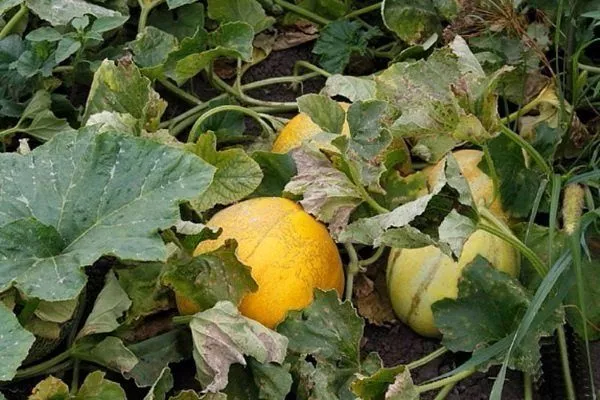
Melon diseases
Diseases affecting this type of melon can be both viral and bacterial. We'll discuss them in more detail later in the article.
| Name | Disease resistance | Ripening period | Productivity |
|---|---|---|---|
| Powdery mildew | Low | Average | High |
| Downy mildew | Average | Early | Average |
| Fusarium wilt | High | Late | Low |
Powdery mildew
The main causes of the disease are powdery mildew fungi.
A dangerous disease, most often an annual one, but perennial fungi that remain in the soil after overwintering are also common. Left untreated, the mycelium spreads widely, destroying plants.
Symptoms of powdery mildew:
- At the beginning of the disease, small whitish spots appear on the leaves and stems with the appearance of drops of liquid;
- the plaque begins to spread from the bottom to the top, affecting increasingly larger surfaces;
- At an advanced stage, the spots turn brown, and the leaves begin to curl and dry out.
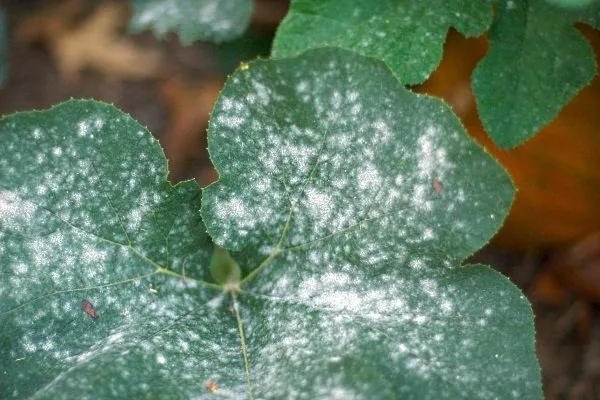
It spreads very quickly, so immediate treatment is required.
Disease prevention:
- Practice crop rotation, or alternating crops throughout the seasons, to reduce the risk of soil diseases and weeds. It's best to plant melons in soil previously occupied by tomatoes, radishes, or dill.
- Never plant melons in the soil after the melon has grown, as there is a high risk of infecting new plantings.
- Weed the beds regularly, remove weeds and pests.
Treatment:
- Treat the plants with a sulfur solution: take 100 g of colloidal sulfur per 10 liters of water and spray the melon leaves with the resulting solution once a week.
- It is worth considering that the last treatment of the leaves before harvesting takes place 25 days before, but not later.
Downy mildew
The disease, which appears in the early stages of plant development, can penetrate the vascular system, which leads to darkening of the leaves and then to their falling off.
Symptoms of downy mildew:
- yellow-green spots on melon leaves, round or angular in shape, sticky and greasy to the touch;
- If the humidity is high, then the spots on the back of the leaf become covered with a purple-gray layer of plaque.
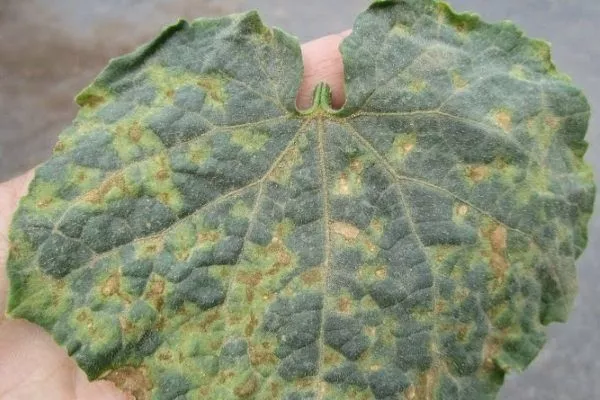
If the disease is not treated, the spots spread over the entire leaf area, leading to its death.
Disease prevention:
- Practice crop rotation according to all the rules. Keep in mind that the fungus can survive in the soil for up to 6 years.
- Plow the soil deeply.
- Use the most fungus-resistant melon varieties: Tag, Takada, K-5368, etc.
Treatment:
- To destroy the fungus, use Oxyhom at a dosage of 20 g per 10 liters of water or Topaz at a dosage of one ampoule per 10 liters of water.
- Apply the prepared solution to the foliage using a fine spray, both on the outside of the leaf and on the back.
- At the initial stage of the disease, when the presence of spots is local, treat only the affected areas.
- Stop treating plants a week before harvesting.
Fusarium wilt
Causes of the disease: fungi Fusarium oxysporum Schlecht.
Bacterial fungi of this type are capable of surviving in the soil for long periods, penetrating and clogging plant tissue. The danger of this disease lies in the difficulty of early diagnosis.
The infected plant weakens due to poor nutrient supply, and photosynthesis is also disrupted. Poor lighting and air temperatures around 28°C (82°F) are favorable conditions for the disease.
Symptoms of Fusarium wilt:
- leaves and stems turn pale, grey spots appear, leaves wither, the plant dies within a week;
- The fruits lose their unique aroma, become unjuicy, and their sugar content disappears.
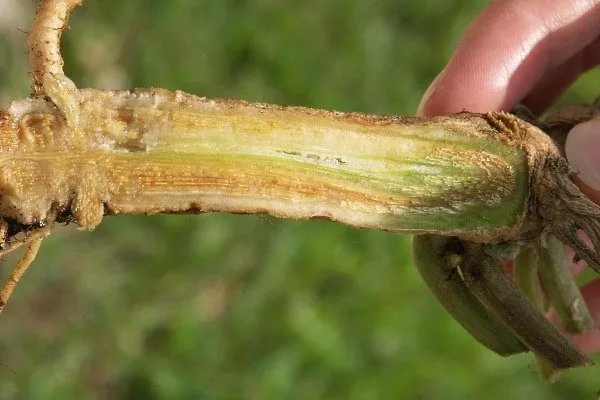
Disease prevention:
- Destroy diseased plants.
- Disinfect the soil with fungicides.
- Water moderately.
- Before wintering, weed the soil deeply.
- Treat the seeds with a 40% formalin solution for about 5 minutes, and only then begin sowing.
- When the melon buds form, treat the plant with a solution of potassium chloride.
- Sow melon seeds in raised beds.
Treatment:
- Trichodermin for soil disinfection from fungal infection;
- Fundazol;
- Topsin M;
- Nitrate nitrogen is added to the soil to slow the spread of fungus.
Copperhead
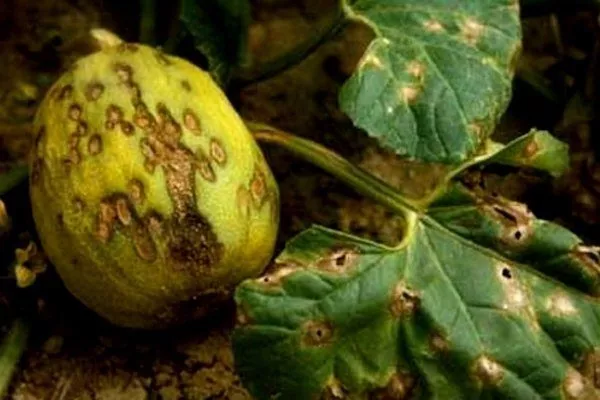
Symptoms of copperhead:
- brown or pink spots of a round shape, increasing in size over time and covering the entire leaf;
- In addition to spots, holes appear on the melon leaves, causing the leaves to curl and dry out;
- The plant stems become brittle, the shape of the fruit changes, and over time, rotting processes begin in the fruit.
Disease prevention:
- Thoroughly loosen the soil after moderate watering to reduce the risk of copperheads. Typically, loosen the soil the day after watering.
- Carry out crop rotation according to the rules.
Treatment:
- Pollinate plants with sulfur.
- Spray plants with 1% Bordeaux mixture.
Root rot
Causes of the disease: soil fungi.
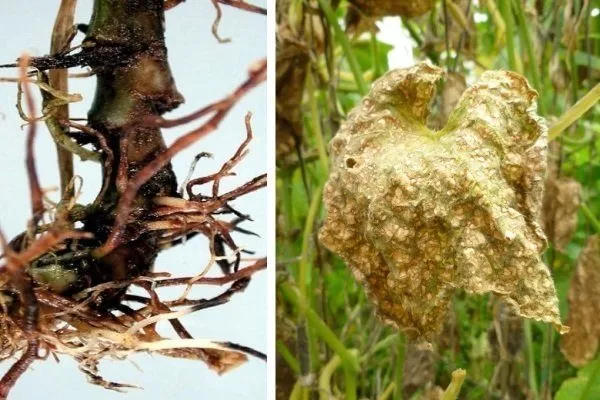
Symptoms of root rot:
- thickening and cracking of the roots, the surface of which acquires a fibrous structure;
- the leaves change color to yellow and wither.
Disease prevention:
- Use seeds from healthy plants.
- Water plants moderately.
- Disinfect the soil.
- Weed and loosen the soil.
- Before planting, treat the seeds with a half-percent solution of potassium permanganate or zinc.
- Sprinkle the soil with ash.
- Burn the remains of uprooted bushes on site to prevent the accidental spread of infected plants to healthy ones.
Treatment: spray plants with 0.1% foundationol.
Ascochytosis
Symptoms of Ascochyta blight:
- the presence of pale spots with multiple dots on the neck;
- the stems of the plant turn brown;
- spots appear on the edges of the seedling leaves;
- The root part of the melon is affected, which leads to rapid death.
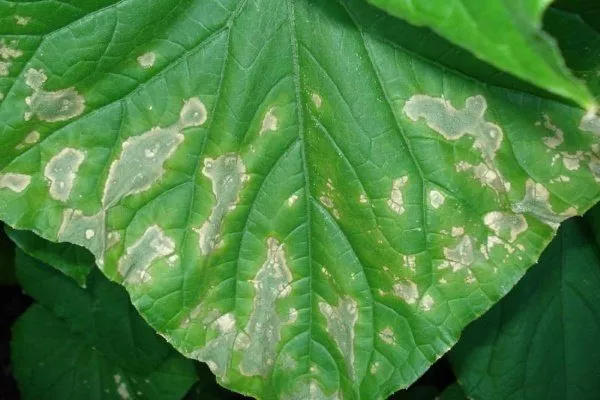
The disease affects both leaves and fruits. Low soil temperatures and excessive moisture can trigger the disease.
Disease prevention:
- Use disease-resistant melon varieties: Jaga, Mizuho nynymeron, Valeria, Ogen and others.
- Plow the soil.
- Clear the soil of dead plant parts.
- Disinfect the soil.
- Use potassium-based fertilizers.
Treatment:
- Use Bordeaux mixture to treat the soil.
- Remove diseased plant parts.
- Use the following preparations: cytovit, fungicides, crystallin.
Gray mold
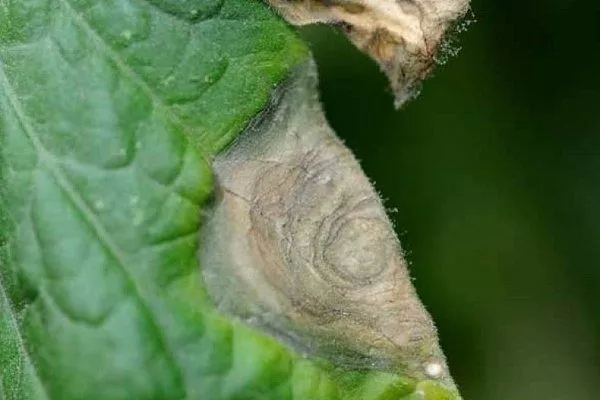
Low temperatures and excessive humidity can trigger the disease.
Symptoms of gray mold include light-brown spots on the stem, which subsequently spread to the stalk and the fruit itself, covering it with dry gray fluff.
Disease prevention:
- Don't forget about crop rotation, alternating the planting of similar plants in the same soil.
- Use nitrogen fertilizers.
Treatment: treat with 1% Bordeaux mixture.
White spot
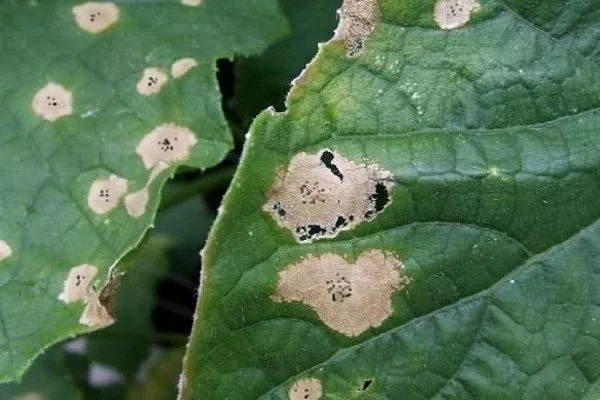
Symptoms of white spot:
- First of all, light, round spots with black dots appear on the leaves, then they darken, and the leaves in these places are torn;
- gradually spots appear on the fruits, causing rot.
Disease prevention:
- Consider all the nuances of proper crop rotation.
- Plow the soil deeply.
- Treat seeds with Granosan.
Treatment:
- Destroy the remains of diseased plants.
- Treat with 1% Bordeaux mixture.
Cucumber mosaic
Causes of the disease: viruses Cummis virus 2, Solanum virus 1, Nicotina virus 1. Spread by aphids, insects, can be found in the soil.
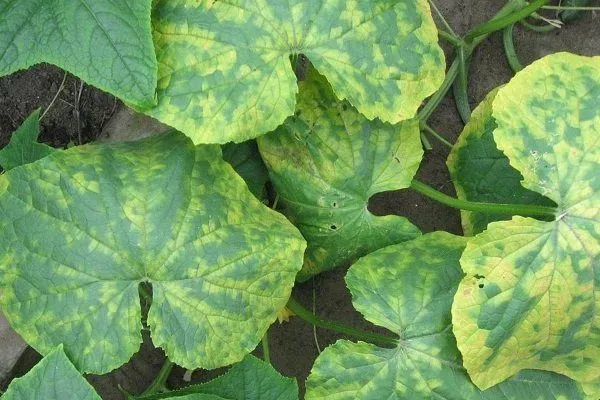
Symptoms of cucumber mosaic:
- the appearance of pale green stripes parallel to the veins on the melon leaf, which over time causes the leaf to become deformed;
- The plant's buds deteriorate, resulting in a decrease in yield or the plant dying altogether.
Prevention:
- Use seeds from healthy plants only, sterilizing by heating to 51°C for 72 hours, then increasing the temperature to 80°C and heating for another 24 hours.
- Disinfect the soil with steam at 100°C, the procedure lasts 120 minutes.
- Destroy weeds with roots, as this is where the virus usually lives.
- Destroy aphids as they carry the virus.
- When the first signs of disease are detected, sacrifice the infected plants by destroying them.
- Plant melon varieties with increased resistance to the virus, for example, the Ich-Kzyl 1895 variety.
Treatment: spray the plant with a 3% solution of pharmaiod.
Angular spot
Causes of the disease: bacteria of the genus Pseudomonas syringae, class actinomycetes. Furthermore, temperatures above 25°C and humidity have a beneficial effect on the development of the disease. Bacteria are spread by wind, insects, and moisture.
The plant seeds or soil may be contaminated.
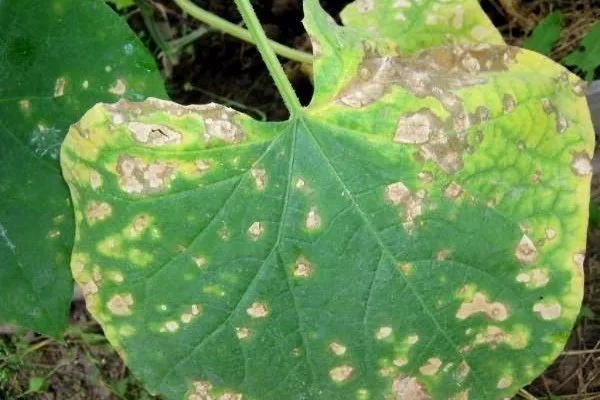
Symptoms of angular spot:
- light gray spots of an oily nature are formed on stems, leaves and fruits;
- Over time, the fruits soften and the rotting process begins.
Disease prevention:
- Plow the soil in the fall.
- Disinfect the seeds in a solution of potassium permanganate or hot water.
- Remove any remaining infected plants from your garden beds promptly to prevent the spread of the disease.
- Give preference to varieties resistant to bacteria (Ogen F1).
Treatment: spray plants with copper-containing preparations.
Melon pests
Melon pests can be very diverse. In this article, you'll learn how to combat them.
| Name | Disease resistance | Ripening period | Productivity |
|---|---|---|---|
| Cutworms | Low | Early | Average |
| Wireworms | Average | Average | Low |
| Spider mites | High | Late | High |
Cutworms
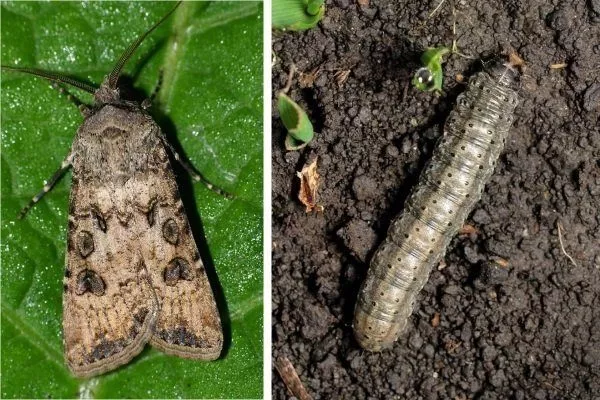
The cutworm is an omnivorous butterfly whose diet includes over 120 plant species, including melons. The cutworm caterpillars, which live in the upper part of the plant, cause the most damage to plants. They eat away the inner part of the stems, which inevitably leads to the drying out and eventual death of the plants. The gray caterpillar is about 4 cm long.
Methods of pest control:
- Regularly loosen the soil, destroying caterpillars and other pests if they appear, and get rid of pupae and larvae.
- Lure out cutworm caterpillars using a plastic bottle of jam, hanging them 1 m above the ground.
- To combat the cutworm, use the following preparations strictly according to the instructions: Volaton, Decis.
Wireworms
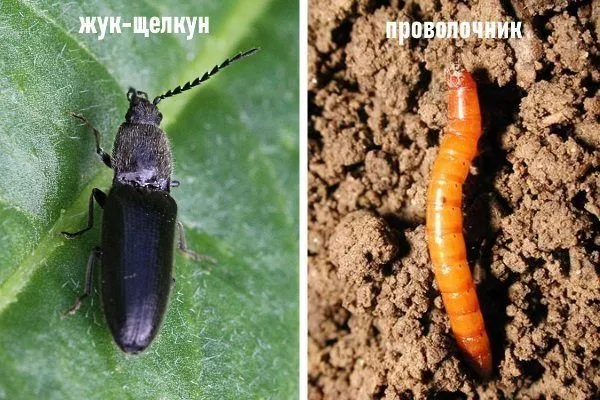
The wireworm is the larva of the click beetle. Its body is light yellow. The larvae of this beetle live in the soil for 3 to 5 years and have three pairs of hard legs on the thorax.
As temperatures warm, they migrate to the upper soil layers, from where they easily attack plants, from seeds to seedlings. They cause the greatest damage to the plant's root system, which in turn reduces the plant's ability to feed and causes the melon to wither before your eyes. As a result, the beds become thinner over time.
Methods of pest control:
- The low-toxicity product "Provotox" doesn't require frequent application, as its effects continue long after use. It is completely safe for humans and animals. Place a granule of the product in the hole along with the seeds, which have been pre-treated with, for example, "Prestige."
- Additionally, fight wireworms by removing weeds, liming the soil, and sprinkling the ground with ash.
Spider mites
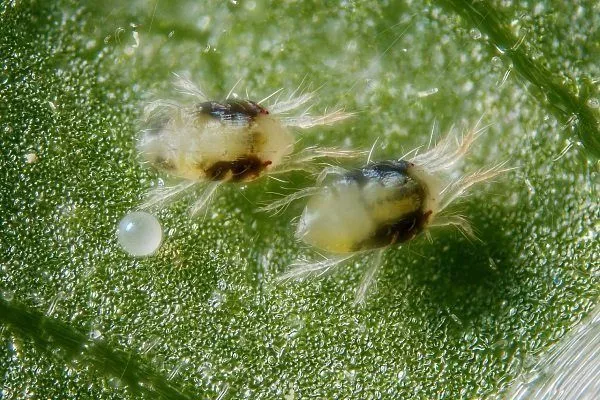
These tiny arthropods, less than 1 cm long, belong to the class Arachnida. They cover melon leaves with a fine web and feed on their sap, leaving small spots on the stems and foliage.
After a spider mite bite, leaves begin to turn yellow and soon fall off. They reproduce rapidly, taking two to five days to reproduce.
Methods of pest control:
- Initially, to treat the plant leaves, use a soapy solution of laundry soap or dishwashing liquid.
- Treat the melon seeds with bleach and only then sow.
- Use the drug "Bi-58" to spray the plant at the stage of leaf emergence.
- To eliminate small tick infestations, purchase products such as Fitoverm and Aktofit. These are high-quality products and should be used several times per season.
- Place a jar of turpentine near infected plants to avoid unnecessary spraying.
- As a preventative measure, use a harmless spray of garlic water. To prepare it, take 400 g of crushed garlic, add 2 liters of water, and let it steep for 24 hours. Dilute the highly concentrated solution with water: 6 g of concentrate per 1 liter of water.
Melon aphid
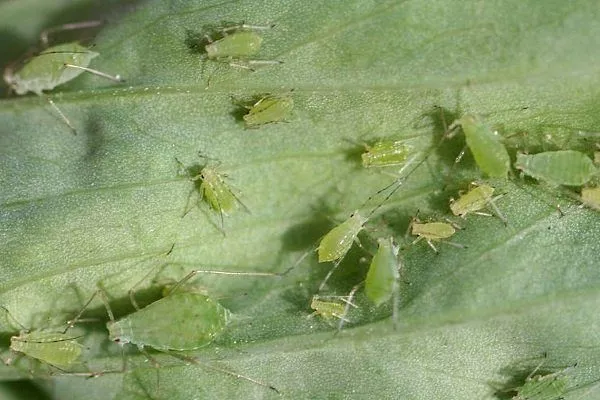
They have an oval body, less than 2 cm long. Aphids come in yellow and green colors, with and without wings. Wingless aphids cause the most damage to melons.
The danger of aphids lies in their co-occurrence with other diseases. They are actively carried by ants, and are carried by the wind or from purchased plants. Aphids reproduce on the underside of leaves.
When attacking plants, aphids eat literally every part of the plant – stems, leaves, buds, flowers, which has serious consequences for the melon.
Methods of pest control:
- Do a general cleaning of your garden or field before winter.
- Use 0.1% superphosphate fertilizer or 0.5% potassium chloride solution.
- Plant varieties that are resistant to the pest.
- Weed out weeds in a timely manner.
Melon fly
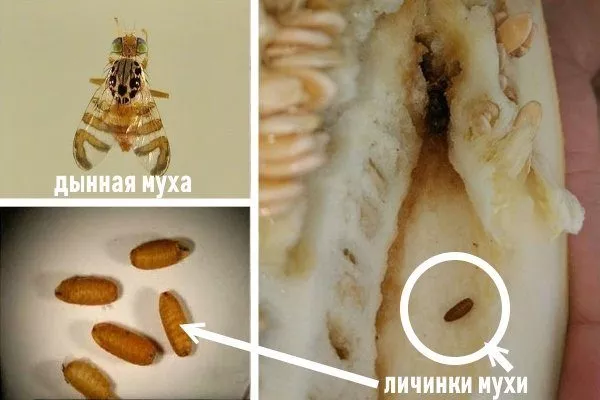
A two-winged insect of the melon family, the yellow body is up to 6.5 cm long. The melon fly is one of the main enemies of melons, capable of destroying half of the entire crop.
The insect makes a hole in the fruit's skin and lays eggs directly into the flesh. The resulting larvae then damage the plant's fruit, causing it to rot and emit a foul odor. The melon becomes unfit for consumption.
The first sign that melon fruits are affected by this insect is the appearance of bumps on the skin of the fruit.
Control methods: treat the area with melons with a solution of "Rapira" or "Zenith".
Broomrape
A parasitic plant that grows together with the host plant via its roots and feeds on its sap. This weed produces numerous seeds, which it uses to reproduce.
Broomrape specializes in specific plant species. For example, melon broomrape infects not only melons, but also tomatoes, cabbage, eggplant, and many other vegetables. This fact should be taken into account when rotating crops.
Methods of pest control:
- Practice proper crop rotation.
- Plow the soil deeply.
- Clear the area of weeds in a timely manner, preventing them from growing.
- Keep the area tidy and clean.
- Release the phytomyza fly into the area during broomrape bloom. The fly will lay eggs in the weed flowers, which will inevitably kill the plant's seeds.
Watch a video about what the parasitic plant "Broomrape" looks like:
- ✓ The concentration of the sulfur solution must be strictly 1% to prevent leaf burns.
- ✓ The air temperature during processing should not exceed 25°C to avoid evaporation of the solution.
General recommendations
To get a good harvest, follow these recommendations:
- To keep the harvest intact and protect plants from widespread infestation, it is necessary to constantly monitor the land, carry out high-quality weeding, ensure moderate watering, and use fertilizers from a specific group.
- As a preventative, harmless treatment, use an infusion of onion peels. To prepare it, follow these proportions: 100 g of peels per 10 liters of water. Plants such as dandelion, celandine, calendula, and wormwood are suitable for preparing preventative and harmless decoctions.
- Before sowing, treat the seeds with special products; this will disinfect them and help the plants grow and develop faster.
- During the summer, be on the lookout for cutworms. To catch them, set traps in the melon area. Treat with insecticides at least twice a year when true leaves and shoots emerge.
- As we know, a strong immune system is the key to health. This applies not only to humans but also to plants. This means choosing disease-resistant varieties for melon planting. This advice is especially important if you've seen melon infestations in recent years, as even deep tilling can still cause fungi and bacteria to persist in the soil.
- Be sure to fertilize your plants; this will not only ensure rapid growth but also help them resist bacteria and viruses. Superphosphates, ammonium nitrate, and potassium chloride are good fertilizers. Fertilize when the first leaves appear, then repeat after two weeks.
- If plants become infected with viruses, bacteria, or fungi, begin treatment immediately. To prevent the spread of the disease, neutralize the source of the infection by destroying the diseased plant and disinfecting the soil. If rot appears among harvested fruit, remove damaged fruit and dry healthy ones. This will prevent secondary infection from developing and spreading among the fruit.
Monitor your melons to identify diseases and pests early. Our recommendations will help you deal with them quickly and easily. Also, don't forget to take preventative measures.